I spread wood ash on my vegetable garden to feed the soil: when I saw the leaves turning yellow a month later, I understood what I had been blocking all along

I spread wood ash on my vegetable garden to feed the soil: when I saw the leaves turning yellow a month later, I understoo...

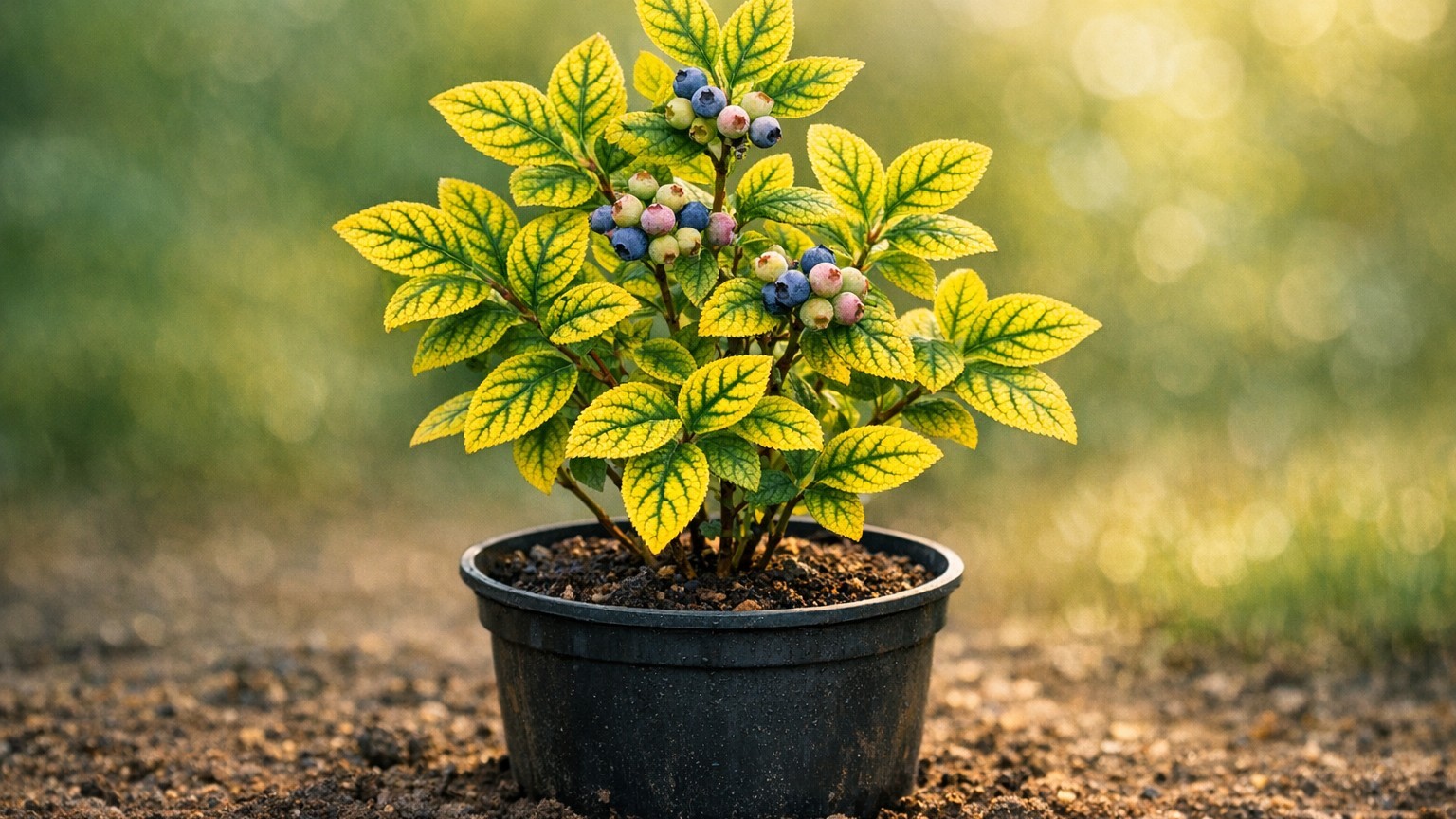
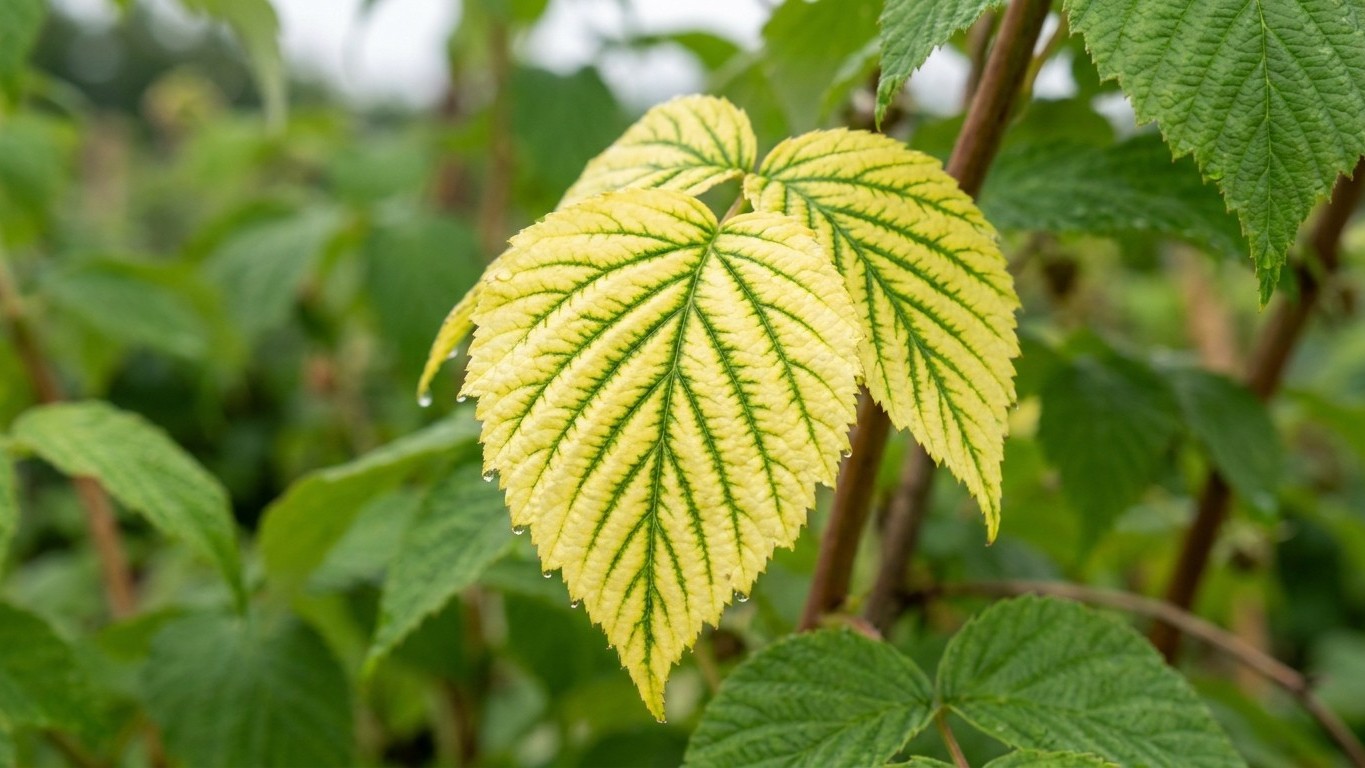
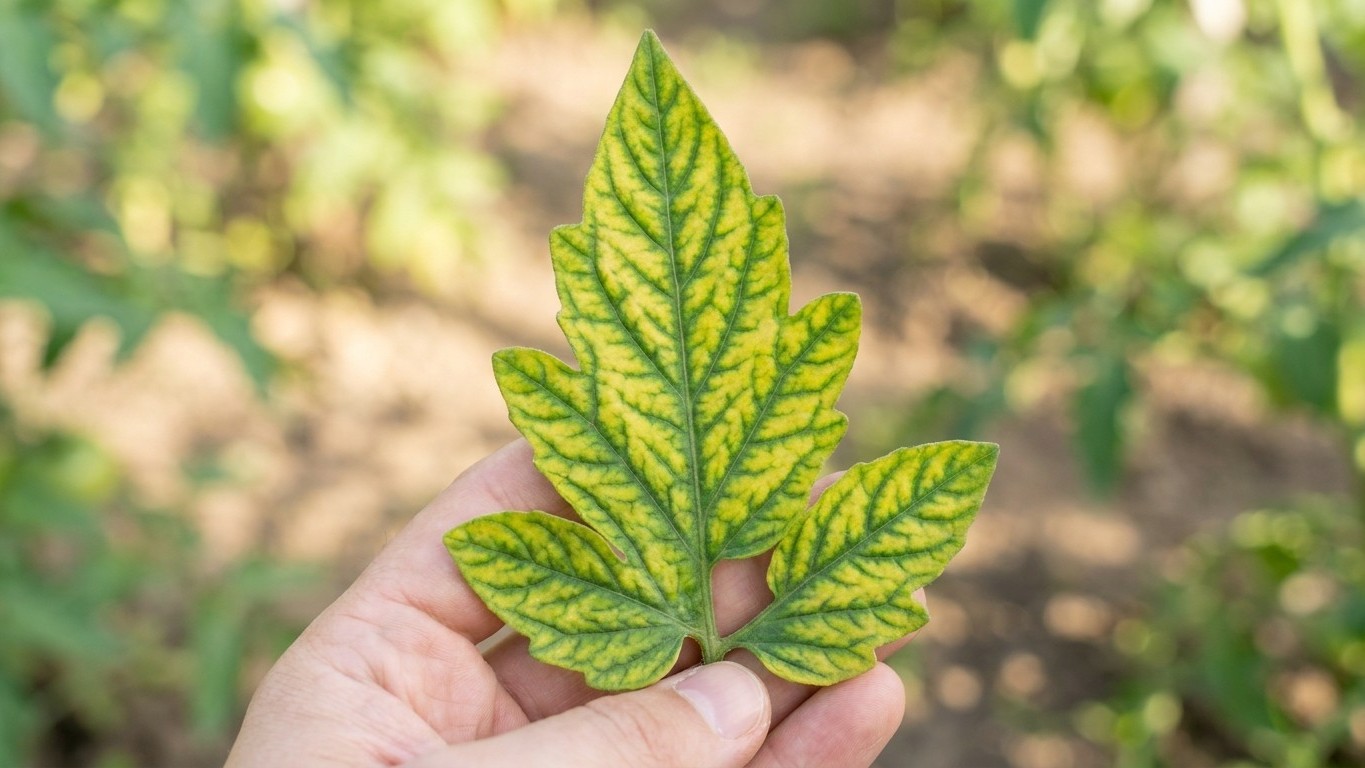
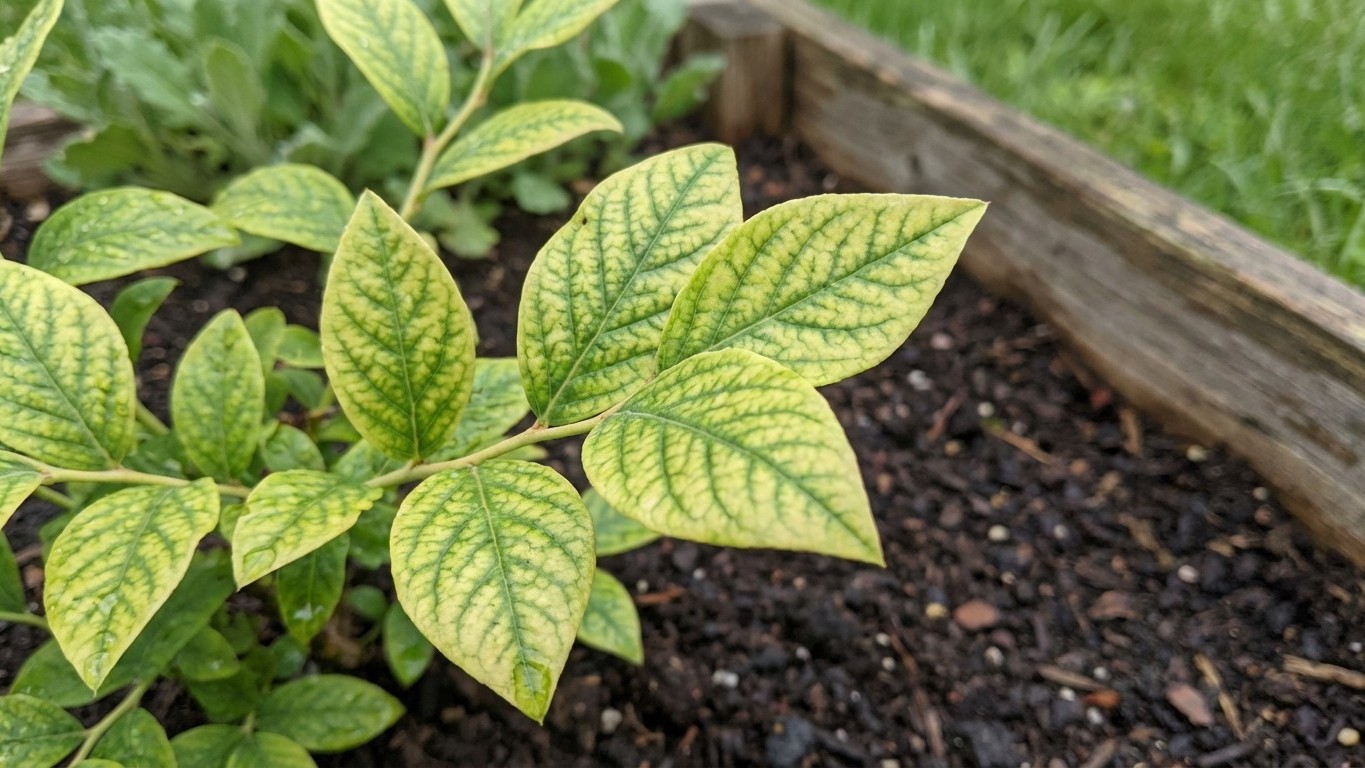
Wood ash seems like free fertilizer gold—until your tomato leaves turn yellow between the veins a month later. This isn’t nutrient deficiency; it’s nutrient lockout caused by ash’s powerful pH-raising calcium carbonate. Discover why this happens and how to use ash safely without sabotaging your garden.

Wood Ash in Your Garden: Why Scientists Say This Centuries-Old Practice Triggers Hidden Nutrient Collapse

Wood Ash in Your Garden: Why Scientists Say This Centuries-Old Practice Triggers Hidden Nutrient Collapse

For centuries, gardeners have scattered wood ash to boost soil fertility. But modern soil science reveals a hidden trap: ash spikes soil pH so dramatically that it locks manganese, iron, and zinc into forms plants cannot absorb, creating invisible deficiency even in nutrient-rich soil. Find out when ash actually helps—and when it sabotages your garden.