Wood Ash in Your Garden: Why Scientists Say This Centuries-Old Practice Triggers Hidden Nutrient Collapse

Wood Ash in Your Garden: Why Scientists Say This Centuries-Old Practice Triggers Hidden Nutrient Collapse

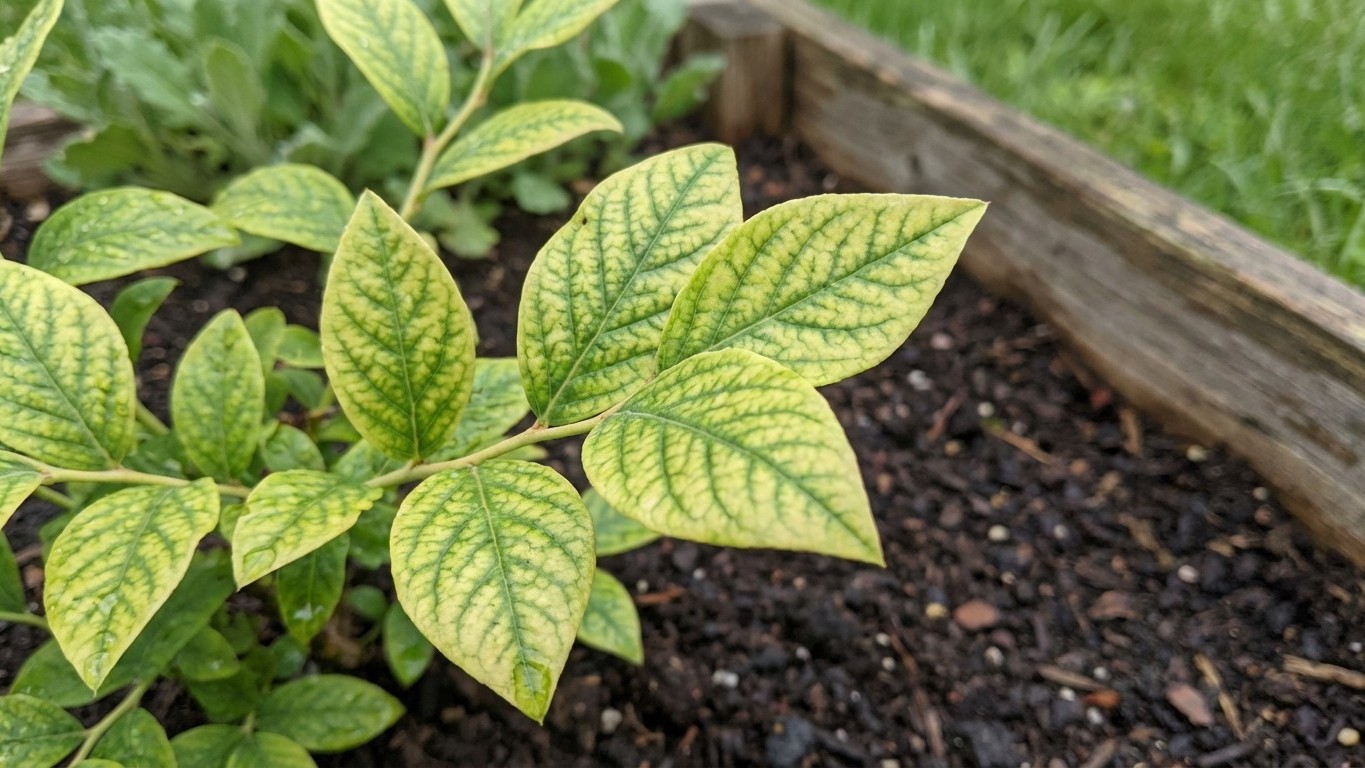
For centuries, gardeners have scattered wood ash to boost soil fertility. But modern soil science reveals a hidden trap: ash spikes soil pH so dramatically that it locks manganese, iron, and zinc into forms plants cannot absorb, creating invisible deficiency even in nutrient-rich soil. Find out when ash actually helps—and when it sabotages your garden.

Don’t Spread Warm Compost This April—Your Seedlings Will Pay the Price

Don't Spread Warm Compost This April—Your Seedlings Will Pay the Price

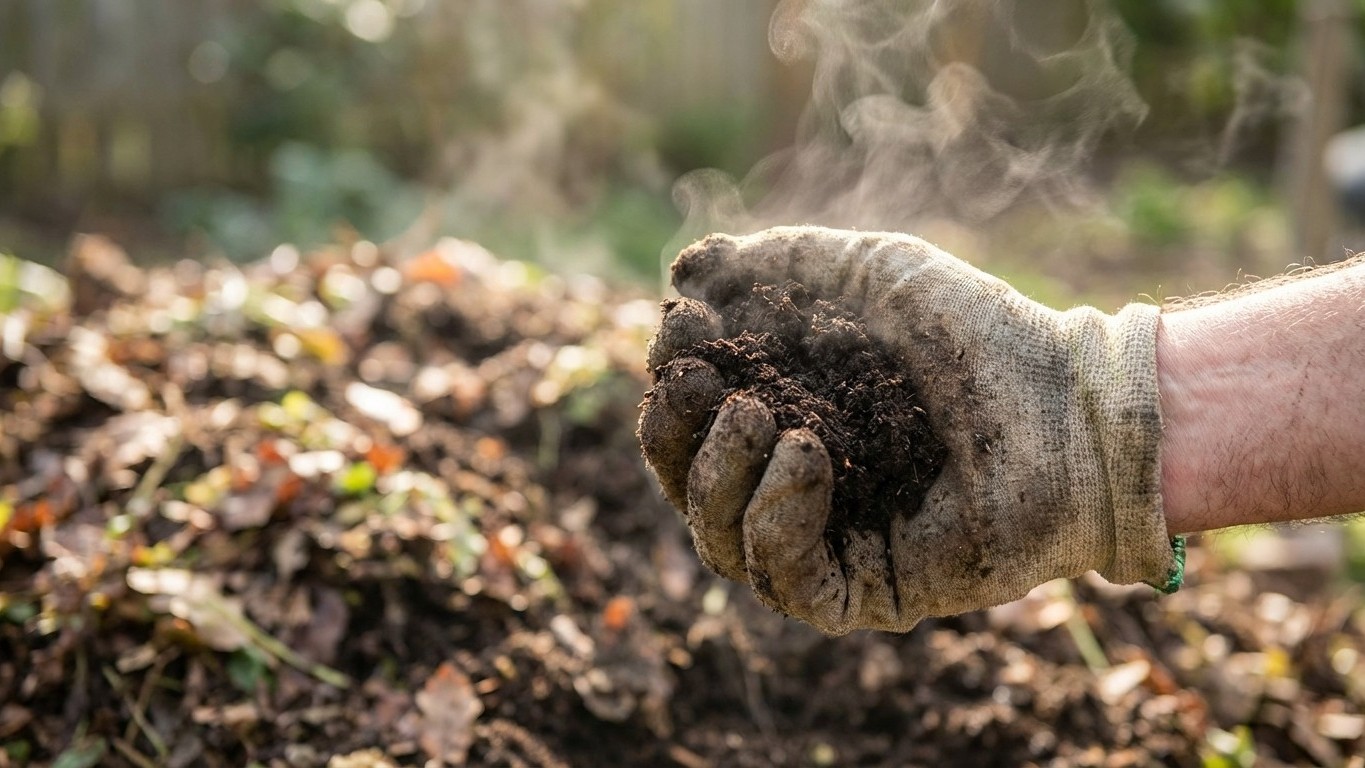
Spreading immature compost in April is a silent killer—one that doesn’t show obvious damage until it’s too late. The warmth signals active decomposition, which releases ammonia and organic acids that chemically burn tender seedling roots from the inside out. A simple squeeze-and-sniff test takes seconds and could save your entire crop.

Revive Dead Soil in Early March: How Natural Lime Powder Transforms Compacted Earth Into a Living Garden

Revive Dead Soil in Early March: How Natural Lime Powder Transforms Compacted Earth Into a Living Garden

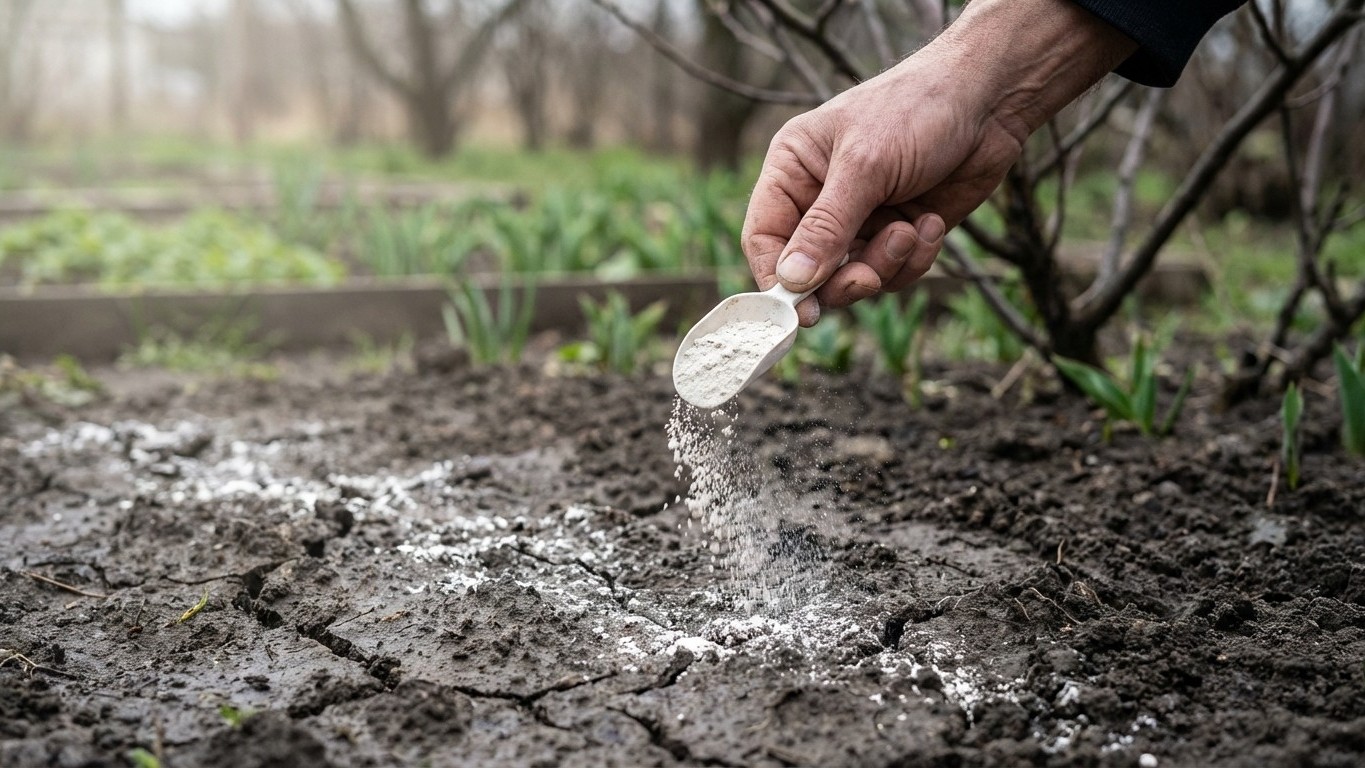
Compacted soil doesn’t just frustrate gardeners—it suffocates roots and stifles growth. But there’s a centuries-old, nearly free remedy: agricultural lime applied in early March. This natural powder triggers a chemical transformation that aerates soil, restores microbial life, and rebuilds fertility by mid-growing season.