
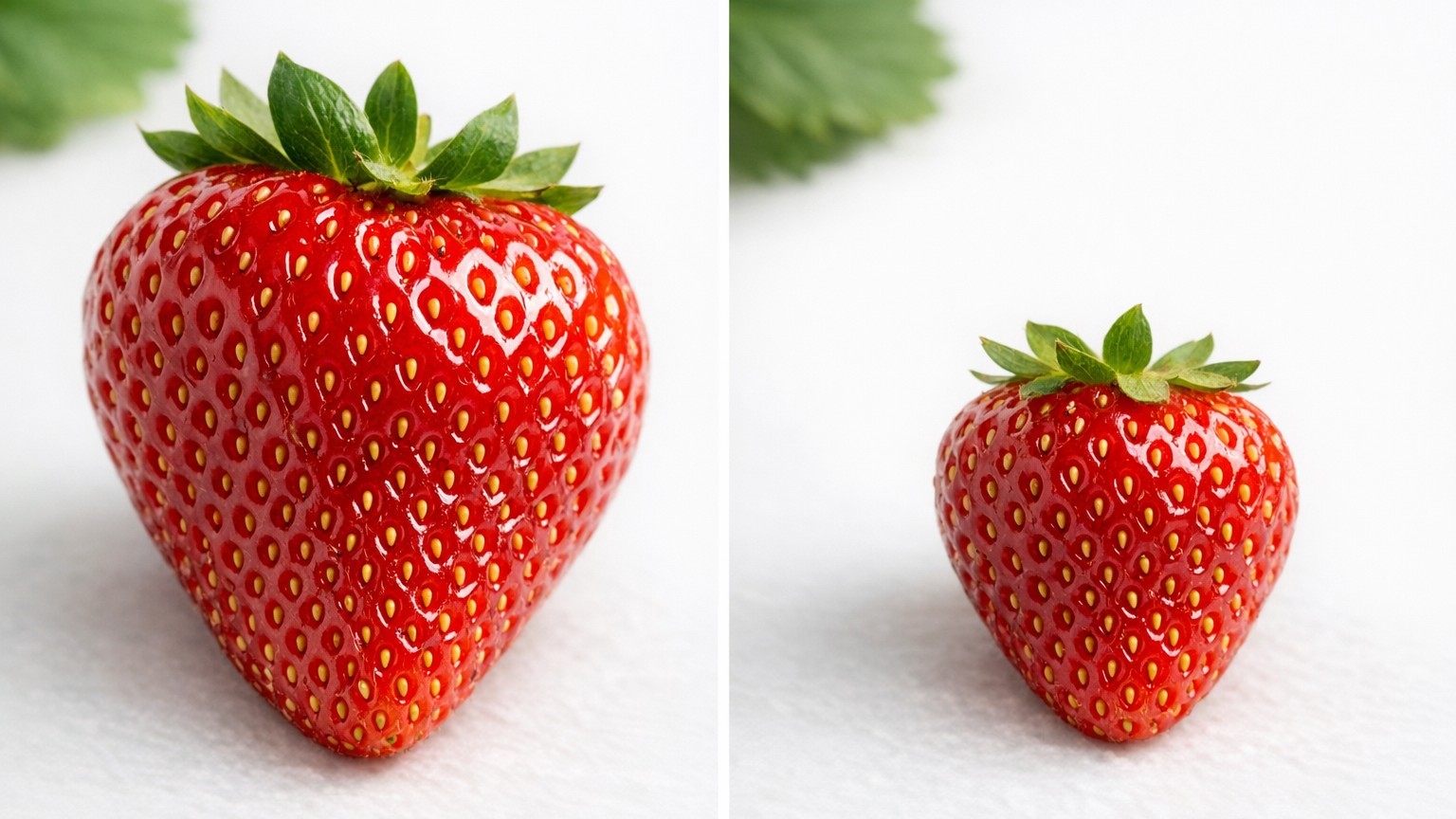
Strawberry runners are seductive. Those long, arching stems that shoot out from the mother plant in early summer look so productive, so alive, like the plant is doing exactly what nature intended. For most of June last year, I let every single one of mine sprawl freely across the bed, rooting where they landed, multiplying into what I imagined would be a lush, generous patch. My neighbor, a retired horticulturist who tends his raised beds with quiet precision, did the opposite. He snipped every runner the moment it appeared. By the end of the season, his strawberries were the size of walnuts. Mine were closer to cranberries.
Key takeaways
- One gardener’s lazy approach produced berries half the size of identical plants grown just feet away
- The difference wasn’t soil, water, or sunlight—it was a decision made in June that redirected the plant’s entire energy budget
- Ten minutes of work twice a week for five weeks separates a disappointing harvest from an exceptional one
The biology behind the runner problem
A strawberry plant is running a tight energy budget. Every calorie it produces through photosynthesis gets allocated somewhere: roots, leaves, flowers, fruit, or the runners it sends out to colonize new ground. The plant doesn’t prioritize your harvest, it prioritizes its own survival and reproduction. Runners are its primary reproductive strategy, and when you allow them to develop unchecked, the plant shifts resources away from fruit production with surprising speed.
Research from the University of California Cooperative Extension found that unpruned strawberry plants can send out anywhere from three to five runners per plant in a single season, with each runner capable of producing its own daughter plant. That sounds like a good deal until you realize what it costs: studies on June-bearing varieties consistently show a measurable reduction in both fruit size and yield when runners are left to develop during the fruiting window. The plant isn’t giving you more, it’s giving the same fixed energy to a larger number of recipients.
My neighbor explained it to me with a plumbing analogy. “Leave the runners on and you’ve got the same water pressure feeding twenty pipes instead of five. Nothing gets full pressure.” Simple, and brutal in its accuracy.
What I was actually measuring when I weighed the fruit
At harvest, I weighed three pounds of strawberries from my 4-foot bed. My neighbor pulled five and a half pounds from an identical-sized plot. Same soil amendment schedule, same rainfall, same variety : Jewel, a popular June-bearing cultivar. The difference was runner management and nothing else. He’d been removing runners twice a week from the first week of June. I hadn’t removed a single one.
The gap wasn’t just in total weight. My berries had lower sugar content, you could taste it. Strawberry sweetness correlates directly with the concentration of photosynthates in the fruit tissue, and when a plant is splitting those resources across dozens of developing runners and their nascent root systems, fruit quality suffers in ways a scale can partially capture but your palate catches completely. His berries were intensely sweet. Mine were watery and mild, the kind you need sugar on.
There’s also a timing dimension that surprised me. By diverting energy into runners, my plants actually ripened their fruit later and over a more extended, less concentrated window. Fewer berries ripened on the same day, which made picking less efficient and meant more exposure to rain and slug damage. His crop came in fast and heavy over about ten days. Mine trickled out over three weeks, losing stragglers to rot the whole time.
The right way to manage runners without losing future plants
The practical correction is straightforward, though it requires some restraint. During the fruiting window, generally late May through July for June-bearing varieties, remove all runners as soon as you spot them. Use clean scissors or snips rather than pulling, which can disturb the root zone of the mother plant. Check twice a week because runners that get a two-week head start begin drawing resources immediately once they make soil contact.
After harvest is a completely different situation. Late summer, typically August into September, is when most gardeners deliberately allow a controlled number of runners to root. The standard recommendation is two to three daughter plants per mother plant, positioned close enough to root in prepared soil. These become your replacement plants for the following year, since Strawberry productivity declines significantly after the third or fourth fruiting season. Managing runners isn’t about elimination, it’s about timing.
One detail worth knowing: the first daughter plant on a runner (closest to the mother) is always the most vigorous. The second and third plantlets further down the same stem are weaker and rarely worth keeping. When you do allow runners in late summer, pin that first daughter down firmly with a U-shaped pin or a bent wire, let it root for three to four weeks before severing the runner, and discard everything beyond it.
The strawberry bed that rewards attention
Most gardening failures aren’t dramatic, they’re accumulations of small, invisible decisions made passively. Leaving runners on all June felt neutral at the time, like I was simply letting the plants do their thing. What I was actually doing was redirecting a finite biological budget away from the crop I was growing them for. The plants weren’t failing. They were succeeding at something I hadn’t asked them to do.
My neighbor has been growing strawberries for thirty years and he still checks for runners twice a week in June without fail. He doesn’t find it tedious, he frames it as the single highest-return task in the entire growing season. Ten minutes of work, twice a week, for five weeks. That’s one hundred minutes of labor separating a mediocre harvest from an exceptional one. By any measure of garden economics, that’s a trade worth making.
One thing that doesn’t get discussed enough: variety selection interacts heavily with runner vigor. Some modern cultivars, bred for commercial production, are genuinely more aggressive runner producers than older heritage types. If runner management feels like a constant battle, it’s worth checking whether your variety was bred for field production where mechanical renovation is the norm, those plants were never designed for the restraint a home garden requires.