
Mint is one of the most beloved herbs in any home garden, fresh, fragrant, stupidly easy to grow. Plant a few stems in April, and by July you’re drowning in mojito ingredients. The problem isn’t getting mint to grow. The problem is getting it to stop.
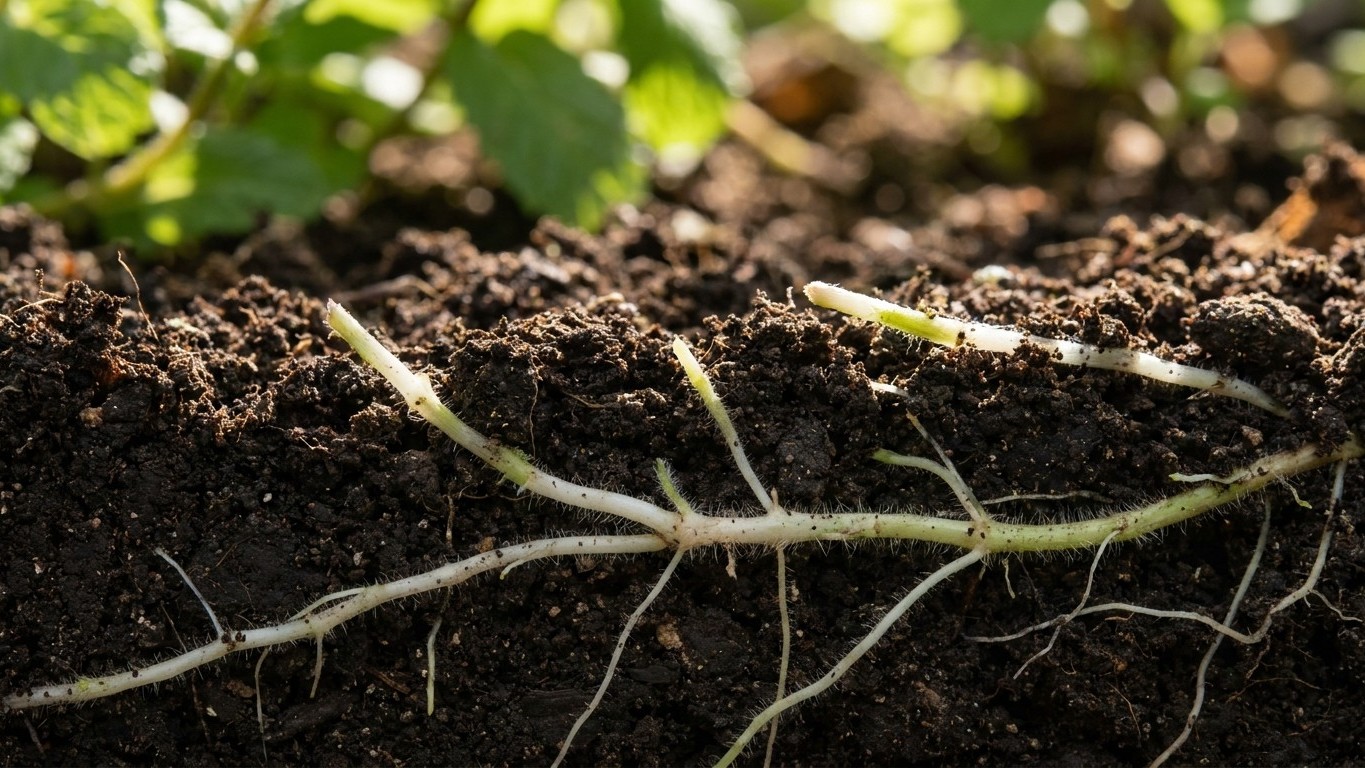
What happens three feet underground when you plant mint directly in a garden bed is something most gardening guides gloss over. The roots don’t just anchor the plant. They travel. Aggressively, laterally, and with zero regard for your property boundaries or the tomatoes you planted six inches away.
Key takeaways
- A single mint plant’s underground network can travel over 2 feet in one year through aggressive rhizomes
- By year three, mint from one garden bed can surface in your strawberry patch and lawn
- Spring is the critical window to intervene before rhizomes accelerate their lateral takeover
The underground takeover most gardeners discover too late
Mint spreads through structures called rhizomes, horizontal underground stems that shoot out from the main plant and send up new shoots wherever they surface. Under ideal spring conditions, a single mint plant can extend its root network 18 to 24 inches in a single growing season. Plant several, and you’re effectively laying down a subterranean highway that will surface in places you never intended.
The 3-foot figure isn’t dramatic exaggeration. In loose, well-amended garden soil, exactly the kind most home gardeners cultivate, mint rhizomes have been documented traveling well beyond two feet from the original planting point within the first year. By year two, you’re pulling mint out of your strawberry patch. By year three, it’s in the lawn. Some gardeners report finding mint rhizomes on the far side of a raised bed’s wooden border, having tunneled underneath it entirely.
This is why the phrase “mint is invasive” keeps appearing in gardening literature. It’s not invasive the way kudzu is invasive in the American South, choking trees and swallowing houses, but in a domestic garden context, its territorial behavior is the same in principle. Once established in open soil, it competes aggressively with neighboring plants for water and nutrients, and removal becomes a multi-season project.
What to do if you’ve already planted it in the ground
Spring is actually the right time to intervene, before the soil warms fully and the rhizomes accelerate their lateral growth. Start by tracing the perimeter of where mint is currently visible above ground, then dig a good 8 to 10 inches deeper than the surface. Rhizomes don’t typically go deep vertically, they spread horizontally near the surface, so a shallow but wide excavation will capture most of the network.
Any fragment of rhizome left in the soil can regenerate a new plant. This is the detail that trips people up. Gardeners who do a thorough hand-weeding job in May often find vigorous new growth by July, because microscopic root fragments were left behind. Persistence matters more than thoroughness in any single session. Plan to monitor and pull new growth every two to three weeks through the entire first summer after removal.
If full removal isn’t the goal, maybe you genuinely want mint nearby, just controlled, the standard fix is container planting. But the container needs to be sunk into the bed, not just placed on top. A buried plastic nursery pot with drainage holes creates a physical barrier that rhizomes can’t easily breach. The container should extend at least two inches above the soil line as well, since rhizomes can spill over the rim and re-root if the pot sits flush with the ground.
The varieties that behave differently (and those that don’t)
Not all mints spread at the same rate. Spearmint (Mentha spicata) and peppermint (Mentha x piperita) are among the most aggressive spreaders, these are the common culprits in most garden bed disasters. Corsican mint (Mentha requienii), a tiny ground-hugging variety often used between stepping stones, spreads more slowly and stays low, making it somewhat more manageable in defined spaces.
Pineapple mint and apple mint, two popular ornamental varieties, sit somewhere in the middle. They spread, but slightly less feverishly than spearmint. Pennyroyal (Mentha pulegium) is another story entirely, it spreads readily and is toxic to pets and, in concentrated doses, to humans. Planting pennyroyal near a vegetable bed where children or animals play is a decision worth revisiting.
There’s also a structural factor that affects spread rate: sun exposure. Mint in full sun tends to grow more upright and compact. Mint in partial shade often puts more energy into lateral rhizome growth rather than vertical leafy growth, precisely because it’s reaching for better conditions. That shaded corner of your garden bed you thought was a good spot for mint? That’s actually where it will spread most aggressively.
The case for keeping mint, done right
Despite everything, mint earns its place in a well-managed garden. It attracts pollinators, bees are strongly drawn to its flowers, and its scent repels aphids and certain flea beetles, making it a legitimate companion plant when kept in check. Several studies have examined mint’s effects on neighboring crop plants, and the data on pest deterrence is solid enough that commercial organic growers use it strategically around perimeter rows.
The buried-pot method, combined with regular harvesting (which keeps the plant focused on leaf production rather than lateral spreading), genuinely works. Many experienced gardeners have maintained contained mint in the same garden bed for a decade without incident. The key detail most casual sources omit: harvest aggressively and often. A heavily pruned mint plant is a less invasive mint plant.
One more practical note, and this surprises most people who’ve only grown mint from Store-Bought starts: mint grown from seed is actually less vigorous than propagated divisions or cuttings in the first year. If you’re starting fresh and want a slower-spreading plant while you get your containment strategy in place, seed-grown mint buys you a bit more time before the rhizomes really get moving.