
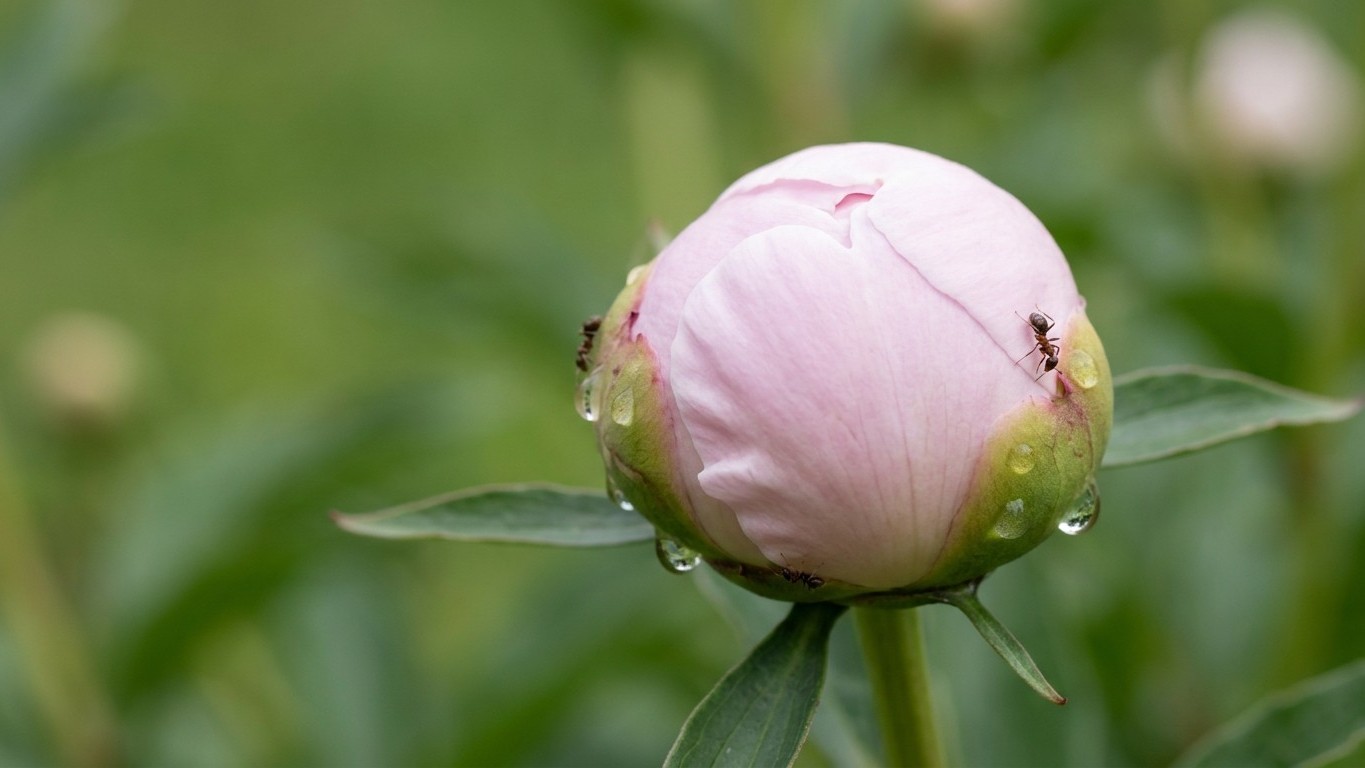
Peonies are the most theatrical flowers in the garden, and the most punishing to impatient gardeners. For three years, mine bloomed exactly once, a single stem that flopped sideways and opened into something disappointingly thin. Then a retired florist who lives two streets over watched me spraying my buds with water and said, simply: “Leave every single ant on there.” That sentence changed everything.
Key takeaways
- A casual comment from a neighbor florist revealed why three years of peony disappointment suddenly disappeared
- The relationship between ants and peonies isn’t folklore—it’s measurable chemistry that directly affects bloom quality
- One specific cutting technique dramatically extends peony vase life from 5 days to 10 or more
The ant myth that turned out to be real gardening science
Most people assume ants on peony buds are a pest problem to solve. They’re not. The relationship between ants and peonies is one of the most straightforward examples of mutualism in a home garden, the kind of thing that sounds like folklore until you look at the chemistry. Peony buds secrete a sugary sap from their outer sepals, a substance called extrafloral nectar. Ants come for the sugar, and in doing so, they actively deter thrips, aphids, and other bud-boring insects that would otherwise damage the flower before it opens. No ants, more pest damage. It’s that direct.
The old myth, that ants are somehow necessary to “unlock” the petals, is false. Peonies open on their own just fine without any insect assistance. But the protection ants provide during the bud stage does make a measurable difference to the quality of the bloom you eventually cut. A bud that reaches full development without pest interference opens fuller, holds its shape longer in a vase, and is far less likely to have the brown-edged petals that signal early damage.
When to cut peonies (and the one mistake that ruins the vase life)
Timing the cut is everything. Most gardeners wait until the peony is fully open, which is exactly wrong. A flower that has already opened in the garden has spent its energy. You want to cut at the “marshmallow stage”, when the bud feels soft and yielding when you squeeze it gently, like a slightly firm marshmallow, but shows no open petals yet. At that point, the flower has all the resources it needs to open beautifully indoors, and your vase life jumps from around five days to ten or more.
Cut in the early morning, before heat builds. Use clean, sharp shears, not scissors, which crush the stem cells, and make the cut at an angle to maximize water uptake. Then comes the step most people skip: immediately plunge the stems into cool water and move them somewhere dark and cool for a few hours before arranging. This “conditioning” period lets the stems drink deeply and stops the premature wilting that makes cut peonies look exhausted by the second day.
There’s another variable almost nobody mentions: how many leaves you leave on the stem. Strip the lower leaves that would sit below the waterline, obviously, but leave two or three sets of leaves above the cut. Those leaves continue to drive water uptake through transpiration, keeping the stem actively hydrated. A completely stripped stem goes passive in the vase.
The detail about ants that actually matters for cutting
Here’s where the advice from my neighbor becomes practically useful rather than just philosophically interesting. The moment you cut the stem to bring it inside, the ant relationship ends, and you don’t want ants in your home. The trick is to let the ants do their work right up until the marshmallow stage, then cut the stem and give it a firm but gentle shake outdoors. Most ants Leave on Their Own. A soft brush over the bud removes any stragglers. No spraying, no rinsing, which would strip the very surface of the bud that’s still developing.
Spraying peony buds with water, which is exactly what I was doing when my neighbor intervened — creates two problems simultaneously. It washes away the extrafloral nectar that attracts protective ants in the first place, and it creates the damp surface conditions that favor botrytis, the gray mold that turns peony buds brown and mushy before they ever open. Botrytis is the single most common reason home gardeners get “failed” buds, and it thrives on exactly the kind of cool, wet, slightly overcrowded conditions that seem like attentive gardening.
Getting more stems next year starts with what you do after cutting
A peony plant that produces three or four strong stems this season can produce eight to twelve next season, if you treat the post-bloom period seriously. After cutting, don’t remove the foliage. Those leaves spend the rest of summer photosynthesizing and pushing energy down into the tuberous roots, building the reserves that become next year’s flowers. Cutting the plant back to the ground in August, which looks tidy, effectively starves the root system of six weeks of growth fuel.
Wait until the first frost blackens the foliage naturally, then cut back to an inch or two above the soil. If you’re in a region with mild winters, a light layer of mulch around (not over) the crown protects the root system without smothering the growth buds, which need to sit close to the surface to bloom. Peonies planted too deep almost never flower, the growth buds need to be within an inch or two of the soil surface, a depth that feels uncomfortably shallow the first time you plant them.
One genuinely surprising fact about peonies: established plants can live and bloom for a century or more without division. There are documented garden peonies in New England still flowering on the same roots planted in the 1880s. Division isn’t something they need, it’s something gardeners do when they want to propagate more plants. Leave a healthy, established peony alone, feed it with a low-nitrogen fertilizer each spring, let the ants do their work, and cut at marshmallow stage. That’s the whole system.