
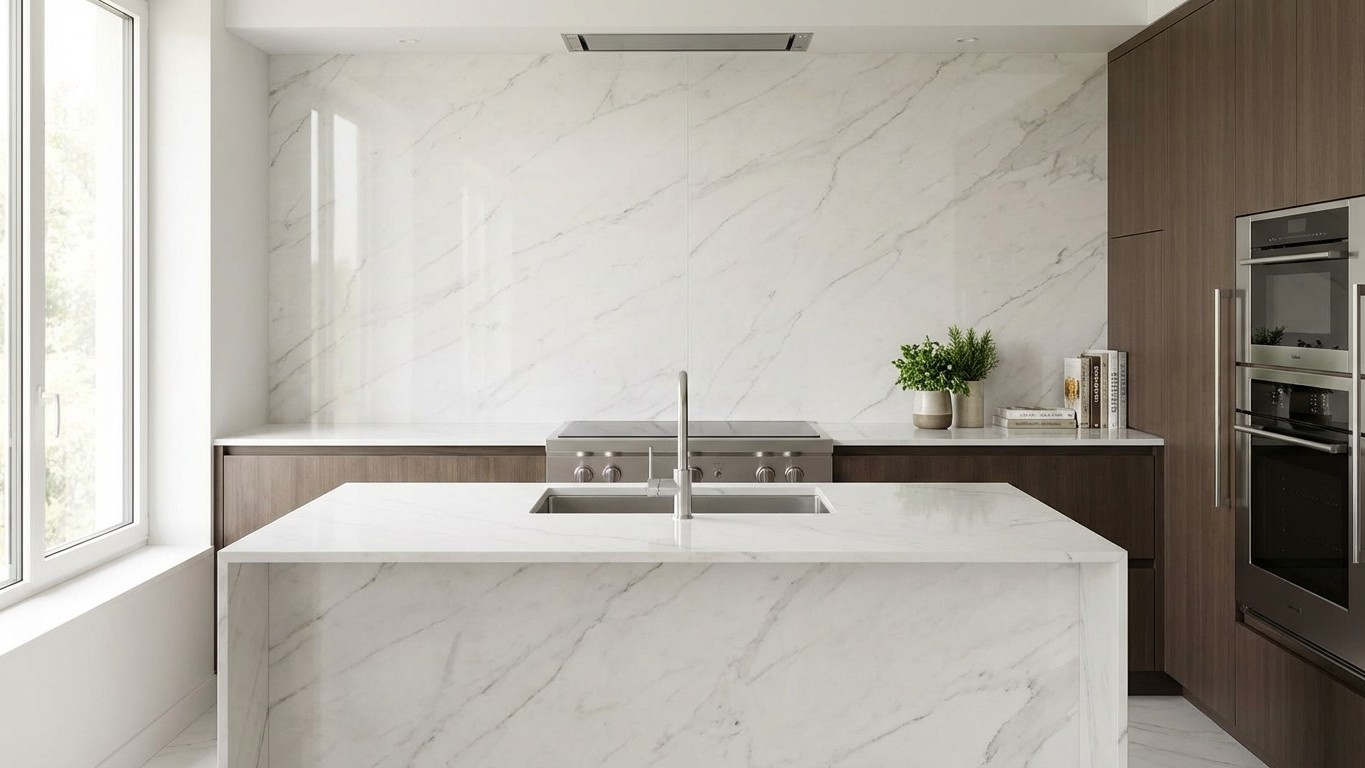
The heart of luxury Transform-these-3-vegetables-into-superstars”>Kitchen design is undergoing a quiet Revolution. Walk into any high-end home today, and you’ll likely notice something distinctly different about the surfaces surrounding you. Where traditional ceramic tiles once dominated countertops and backsplashes, a sleek, seamless material now takes center stage: large-format porcelain slabs.
This shift represents far more than a passing aesthetic trend. Leading architects and designers are embracing porcelain slabs for compelling practical reasons that go to the core of modern living. The material’s non-porous surface creates an environment that’s significantly more hygienic than conventional alternatives, as bacteria, mold, and other germs are far less likely to thrive on these surfaces compared to porous materials like granite or marble.
The Science Behind Superior Hygiene
Understanding why porcelain slabs outperform traditional tiles begins with their fundamental structure. Porcelain stoneware features compact, non-porous surfaces that make the material highly safe, hygienic, and ideal for food contact. This isn’t merely marketing speak—it’s backed by rigorous manufacturing processes that create surfaces with extraordinary properties.
The exceptional force used to press ceramic powder and very high firing temperatures give porcelain tiles extraordinary compactness, resulting in a non-porous material with almost zero water absorption rate (less than 0.5% of volume), making them always perfectly washable. This microscopic density Prevents bacteria and moisture from penetrating the surface, addressing one of the primary concerns in food preparation areas.
The implications for kitchen hygiene are profound. Porcelain stoneware slabs are impervious to mites, bacteria, fungi, mold and other irritants, making them the ideal solution when designing environments that require very high levels of hygiene. For busy households where food safety is paramount, this represents a significant upgrade from traditional tiled surfaces that can harbor germs in grout lines and microscopic pores.
Beyond Cleanliness: The Performance Advantage
While hygiene drives much of the architectural preference for porcelain slabs, their performance benefits extend far beyond cleanliness. These countertops are highly durable, resistant to heat, stains, and scratches, while requiring minimal maintenance and remaining non-porous, making them perfect for food preparation areas.
The heat resistance factor particularly appeals to serious home cooks and professional chefs. Extreme heat used in production makes these materials extremely durable when faced with high temperatures and flames, while kitchen backsplashes remain resistant to water, chemicals, and acids from food and detergents, staying flawless. This resilience eliminates the anxiety of placing hot cookware directly on surfaces or worrying about acidic ingredients causing Permanent damage.
Maintenance requirements represent another compelling advantage. Unlike porous natural stones, porcelain’s surface naturally resists water, oils, and stains Without Any topical treatments, meaning it never needs sealing. This translates to both cost savings and convenience for homeowners who want luxury aesthetics without ongoing maintenance demands.
The Design Revolution in Large-Format Applications
The aesthetic transformation that porcelain slabs bring to kitchen design cannot be understated. These extra-large format tiles, often referred to as “porcelain panels” or “porcelain slabs,” can make big statements in any space, with recent advancement of full-body or through-body panels making XXL tiles particularly popular for countertop applications.
The seamless appearance achievable with large slabs eliminates the grout lines that have traditionally interrupted clean design lines. Available in formats like 162×324 cm, 159×324 cm and 160×320 cm with different finishes and thicknesses of 6, 12 and 20 mm, these slabs offer architects and designers maximum creative flexibility combined with high technical and aesthetic performance. This versatility allows for continuous surfaces that flow from countertops to backsplashes, creating the unified aesthetic that defines contemporary luxury kitchens.
Advanced manufacturing now produces slabs that convincingly mimic natural materials while surpassing their performance. Many manufacturers now produce slabs that mimic the look of natural stone, wood, or concrete, allowing achievement of high-end aesthetics without the associated cost and maintenance. This means homeowners can enjoy the visual appeal of Carrara marble or weathered limestone without compromising on the practical benefits that make porcelain slabs so appealing to architects.
The transition from traditional ceramic tiles to large-format porcelain slabs in high-end kitchens reflects a broader evolution in how we think about domestic spaces. These materials make it possible to create hygienic and future-proof work surfaces with maximum elegance. As our understanding of health, sustainability, and performance continues to evolve, porcelain slabs represent not just a design choice, but a fundamental shift toward more intelligent, responsive living environments that prioritize both beauty and well-being.