
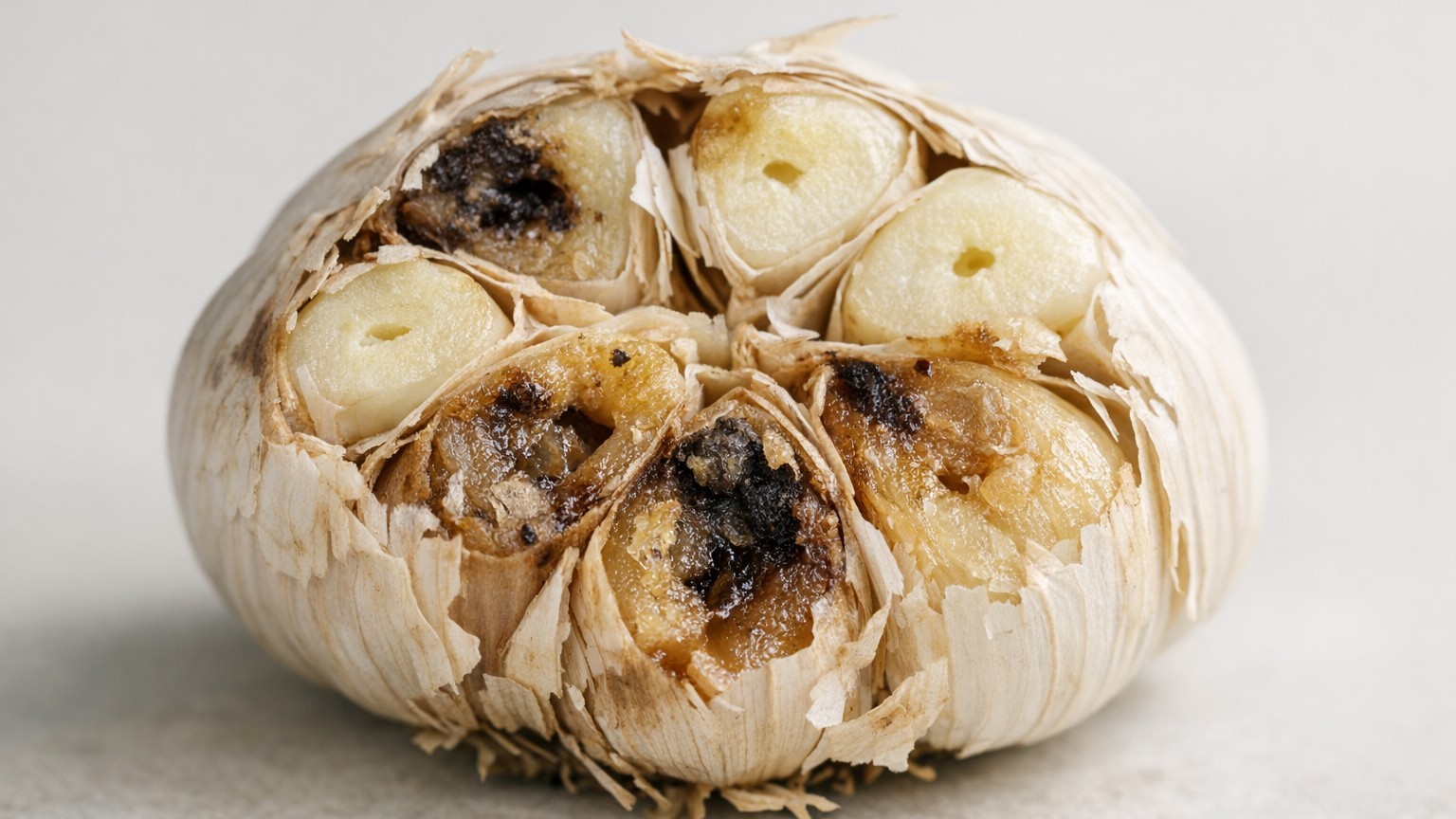
Half the bulbs gone soft, wrappers papery and splitting, cloves sliding apart in your hands. That’s what “following the rules” looked like for a lot of garlic growers last season. The advice is everywhere: harvest when the lower leaves turn brown. Simple. Repeatable. And, as thousands of gardeners have discovered the hard way, not quite the whole story.
Key takeaways
- A simple visual cue can lie: weather stress and soil conditions can brown garlic leaves while cloves are still immature
- The critical work happens after harvest, not before—improper curing creates the perfect environment for rot
- Some garlic varieties simply aren’t built for long storage, no matter when you pick them
The leaf-counting method and where it breaks down
The standard guidance goes like this: garlic is ready to pull when roughly half the leaves have browned off, usually leaving five or six green ones. Each leaf corresponds to a wrapper layer around the bulb, so the thinking is that enough brown leaves means enough protective papery layers, while enough green ones means the cloves haven’t yet pushed apart. Solid logic on paper. The problem is that the leaf count is a proxy, not a guarantee, and it responds to conditions that have nothing to do with bulb maturity.
A stretch of unusually hot, dry weather in June can brown leaves fast, compressing the visual signal into just a few days. Heavy clay soil that stays wet after irrigation does the same thing by stressing the plant at the roots. If your season included either of those, your garlic may have looked harvest-ready while the skin layers around individual cloves were still thin and fragile. Pull too early under those conditions, and you’re committing the bulb to months of storage with almost nothing holding it together.
There’s also variety to consider. Softneck types, which dominate supermarket shelves, bulk up differently than hardnecks. Hardneck varieties, particularly the Rocambole types favored by small-scale growers, are notoriously poor storers even under ideal conditions. Rocamboles typically last three to five months maximum. Expecting them to hold through January, regardless of when you pulled them, is the kind of optimism that ends in a bin of mush.
What actually determines storage quality
Curing is where most of the damage happens, or more accurately, where it’s prevented. After pulling, garlic needs two to four weeks in a dry, shaded, well-ventilated space before it goes anywhere near long-term storage. The curing process dries the outer wrappers into that familiar papery skin and, more critically, seals the neck of the bulb so pathogens can’t enter. Skip it, rush it, or do it in a humid garage, and you’ve created the exact conditions that invite Fusarium rot, the fungal culprit behind soft, discolored cloves.
Temperature during curing matters more than most guides admit. Somewhere between 75 and 85 degrees Fahrenheit with good airflow is the sweet spot. Hanging bunches in a barn or shed works well in many climates. Laying bulbs in a single layer on wire mesh works better where air circulation is limited. What doesn’t work: piling them in a cardboard box on a concrete floor, which traps humidity and prevents even drying.
The neck test is worth learning. After two weeks of curing, press the neck of the bulb firmly between your fingers. It should feel completely dry and papery, with no give at all. If there’s any softness or moisture, that bulb needs more time. The wrappers should rustle, not bend. Roots should be dry enough to snap off cleanly. Those physical checks tell you far more than a calendar date.
Why the cloves split loose and what it signals
Cloves that split loose from the bulb and feel wobbly inside their wrappers are usually the result of one of two things: harvesting too late, or a strain of garlic that simply wasn’t meant for long storage. When garlic is left in the ground past peak maturity, the outer wrappers begin to deteriorate while still in the soil. By the time you pull it, the structural integrity is already gone. The cloves have nothing holding them in formation, and any moisture during storage accelerates the collapse.
The rot that follows is typically Fusarium basal rot or blue mold, both of which move fast once established. A single infected bulb in a mesh bag can compromise several neighbors within weeks. Storage temperature matters here: most sources point to either room temperature (around 60 to 65 degrees) for softneck garlic or very cold (just above 32 degrees) for hardneck types. The middle range, roughly 40 to 50 degrees, is actually the worst zone for garlic, promoting sprouting without the cold-induced dormancy that slows decay.
One detail that rarely makes it into beginner guides: the dirt itself can work in your favor before harvest. In the week before you pull, stop watering entirely. Letting the soil dry out firms up the outer wrappers and reduces the moisture load the bulb carries into curing. Some experienced growers go further and scrape back the soil surface slightly around each plant to expose the top of the bulb to sun and air for two or three days. A small adjustment, but the results tend to show up clearly come November.
Reading your harvest more accurately next time
Leaf color is a starting point, not a verdict. The diagnostic that actually matters is the wrapper: dig up a test bulb ten days before you think the patch is ready and slice it through the equator. The cloves should be fully formed, filling their chambers, with at least three to four distinct papery layers visible around the outside. If you can count those layers and the skin feels tight, you’re close. If the layers are thin enough to see through with the cloves already pressing outward, harvest immediately, because waiting will only cost you wrappers.
Garlic has been cultivated for roughly 5,000 years, which means the margin for error is actually fairly narrow and well-documented. The variability that frustrates modern home growers often comes down to growing conditions specific to their plot that generic advice simply can’t account for. Keeping a harvest log with dates, soil conditions, curing temperatures, and storage outcomes across multiple seasons tends to close that gap faster than any chart or rule of thumb ever could.