I lined up three potted honeysuckles around my terrace just to keep the mosquitoes off: the first warm evening, I saw what the scent was really pulling in
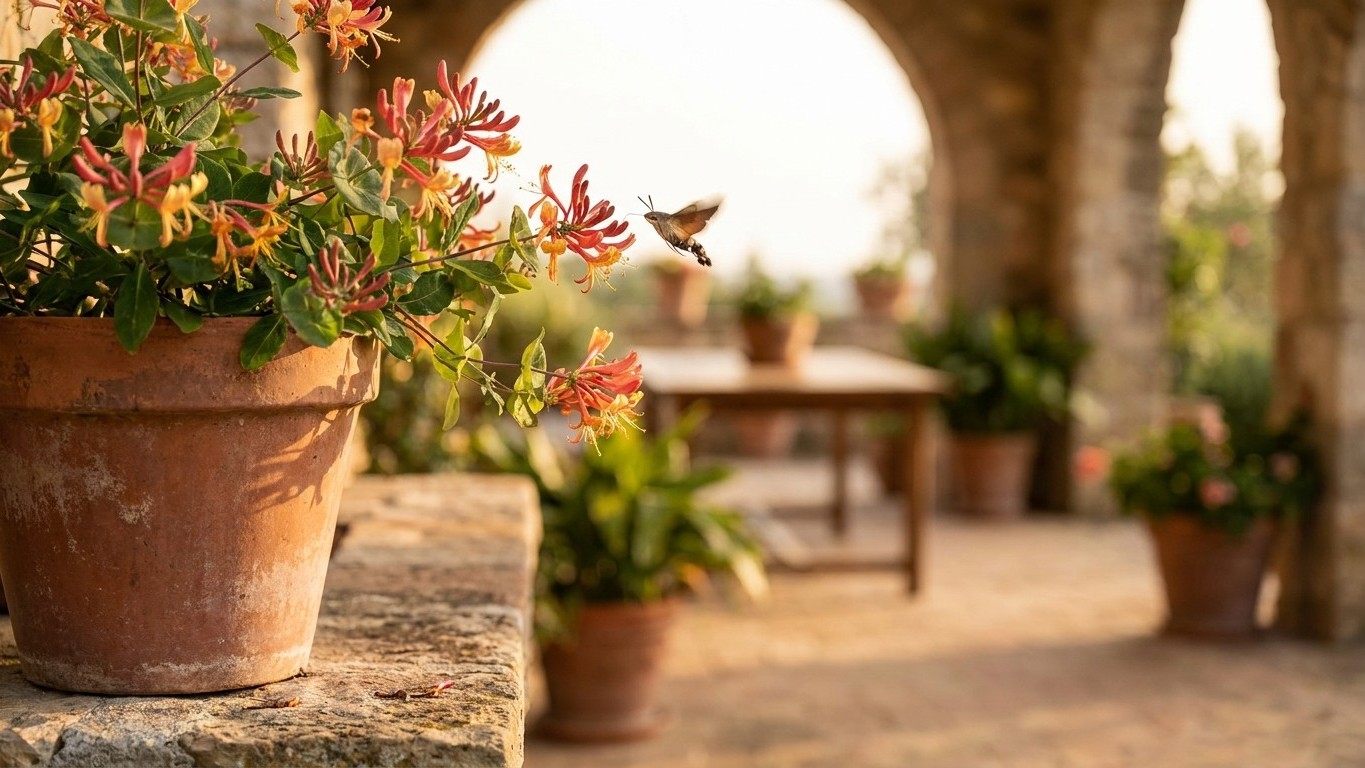
I lined up three potted honeysuckles around my terrace just to keep the mosquitoes off: the first warm evening, I saw what...

A gardener’s plan to use honeysuckle as a natural mosquito deterrent backfired spectacularly, transforming a terrace into an unexpected wildlife hub. The fragrant flowers that bloom at dusk were never designed to repel insects—they’re broadcasting an open invitation to night-flying moths, hummingbirds, and bees. But there’s a twist: honeysuckle can actually feed the very mosquitoes it was meant to discourage.
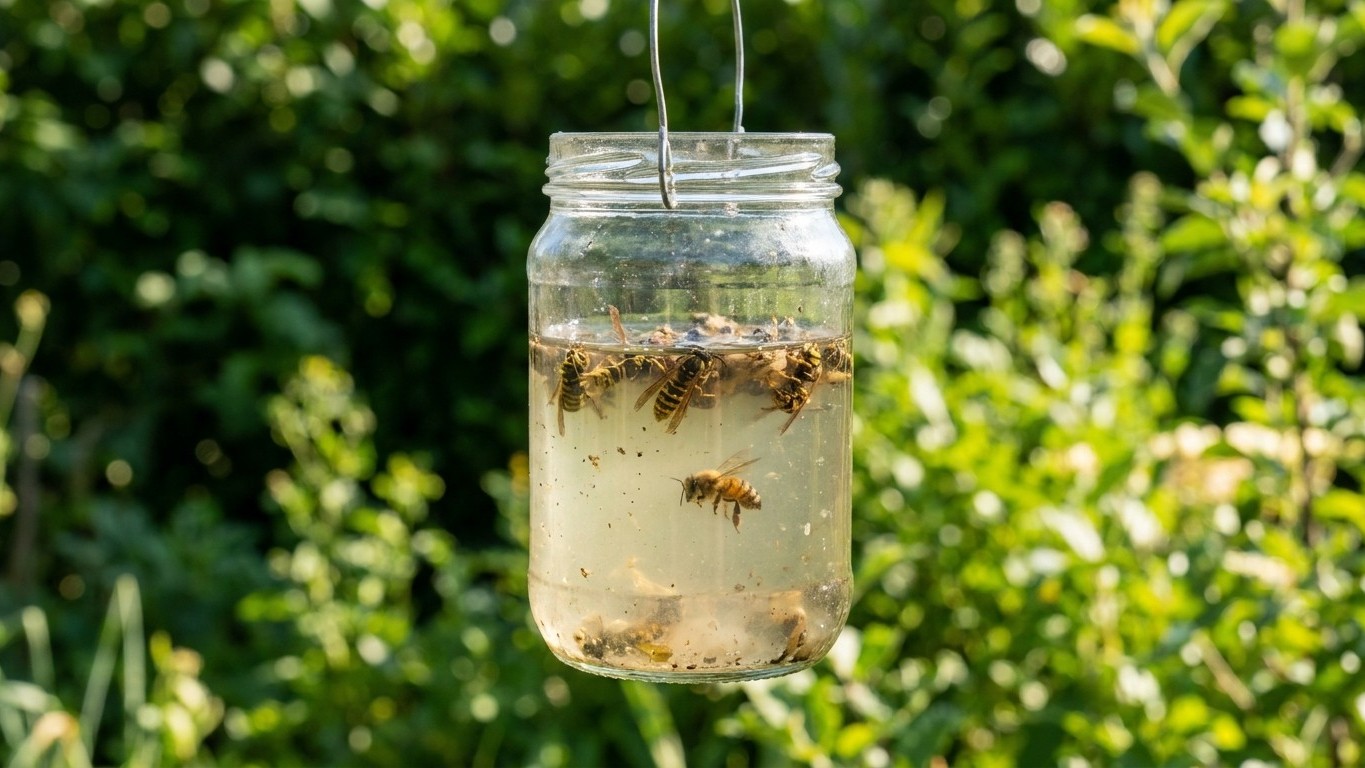
I hung a jar of sugar water in my garden just to keep the wasps off the table: a week later, I saw what was really floating inside

I hung a jar of sugar water in my garden just to keep the wasps off the table: a week later, I saw what was really floatin...

A seemingly simple sugar-water jar hanging from a backyard tree becomes a deadly trap for more than just wasps. Honeybees, essential pollinators that never threatened your picnic, drown alongside the yellow jackets—until you change the bait formula. Discover the science behind selective wasp control and how a vinegar-based mixture can solve the problem.

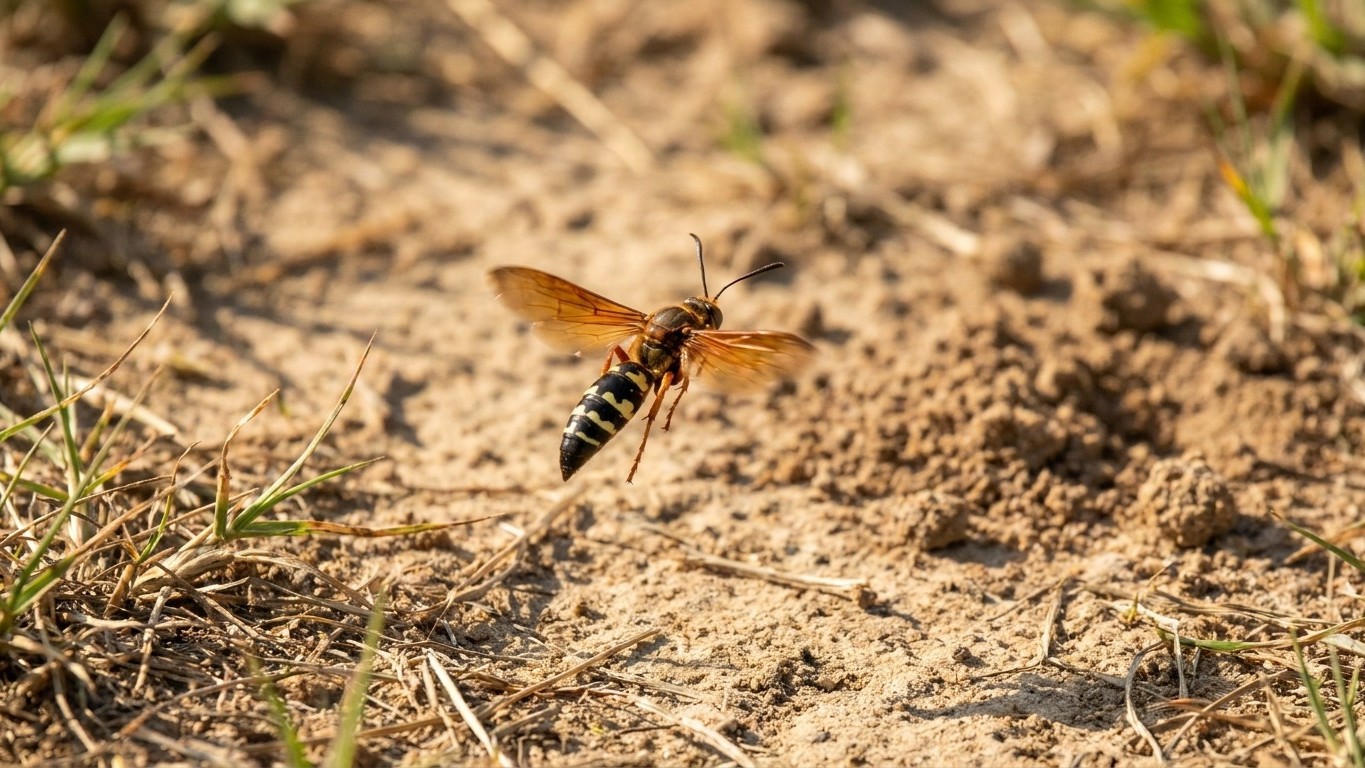
Why You Should Never Spray Those Giant Wasps Hovering Over Your Lawn in July

Why You Should Never Spray Those Giant Wasps Hovering Over Your Lawn in July

Those terrifying two-inch wasps dive-bombing your lawn every July aren’t murder hornets—they’re cicada killers, and they’re actually protecting your garden. Spraying them destroys beneficial insects and poisons your soil for months. Here’s what you should do instead.

How a Tiny Hole in My Yard Became a Pollinator Paradise

How a Tiny Hole in My Yard Became a Pollinator Paradise

With just one shovel and twenty minutes of digging, a homeowner created an unexpected wildlife hotspot. A shallow, unlined hole filled with sand became the neighborhood’s most popular destination for bees, butterflies, and native pollinators—revealing a critical habitat need most gardeners overlook.