Gazon : pourquoi l’engrais azoté est déconseillé après août
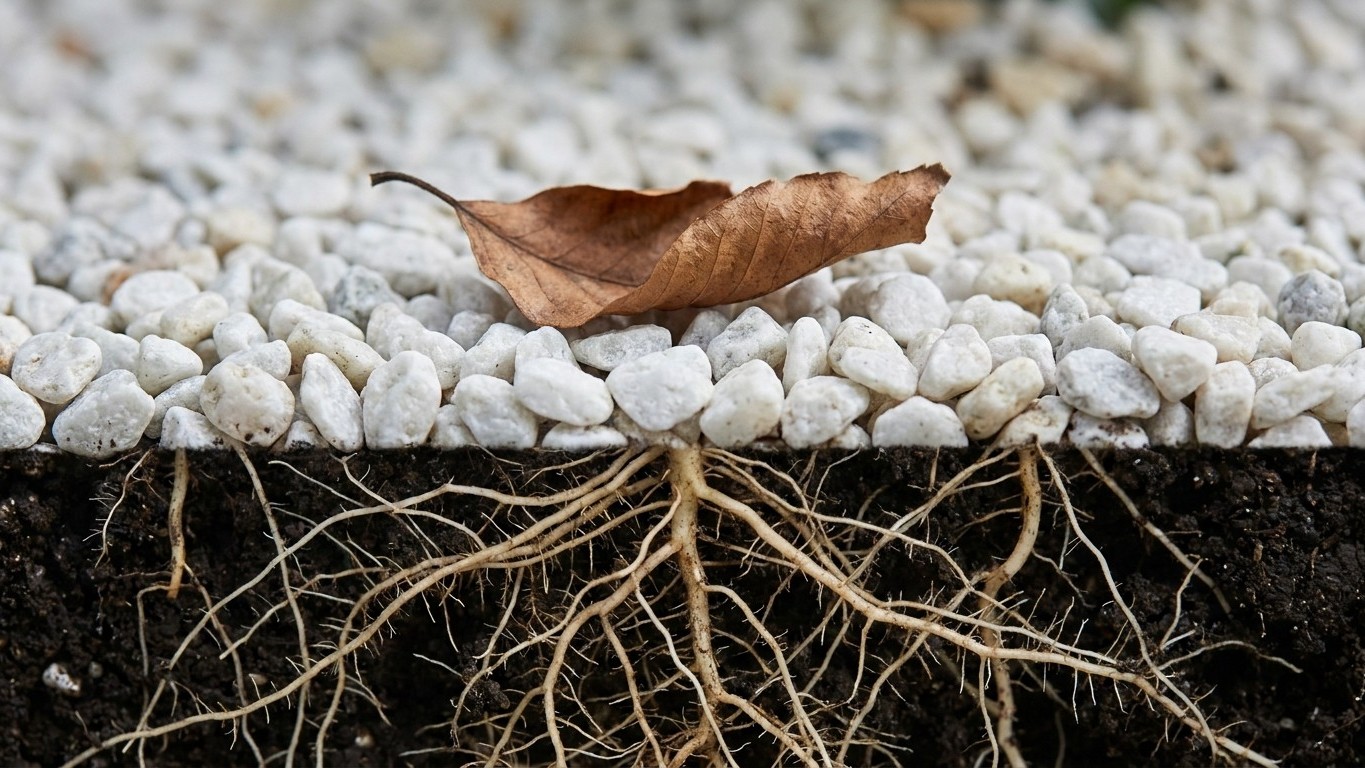
A greenkeeper never opens the spring feed bag after August: what he spreads on the grass instead keeps it firm right throu...

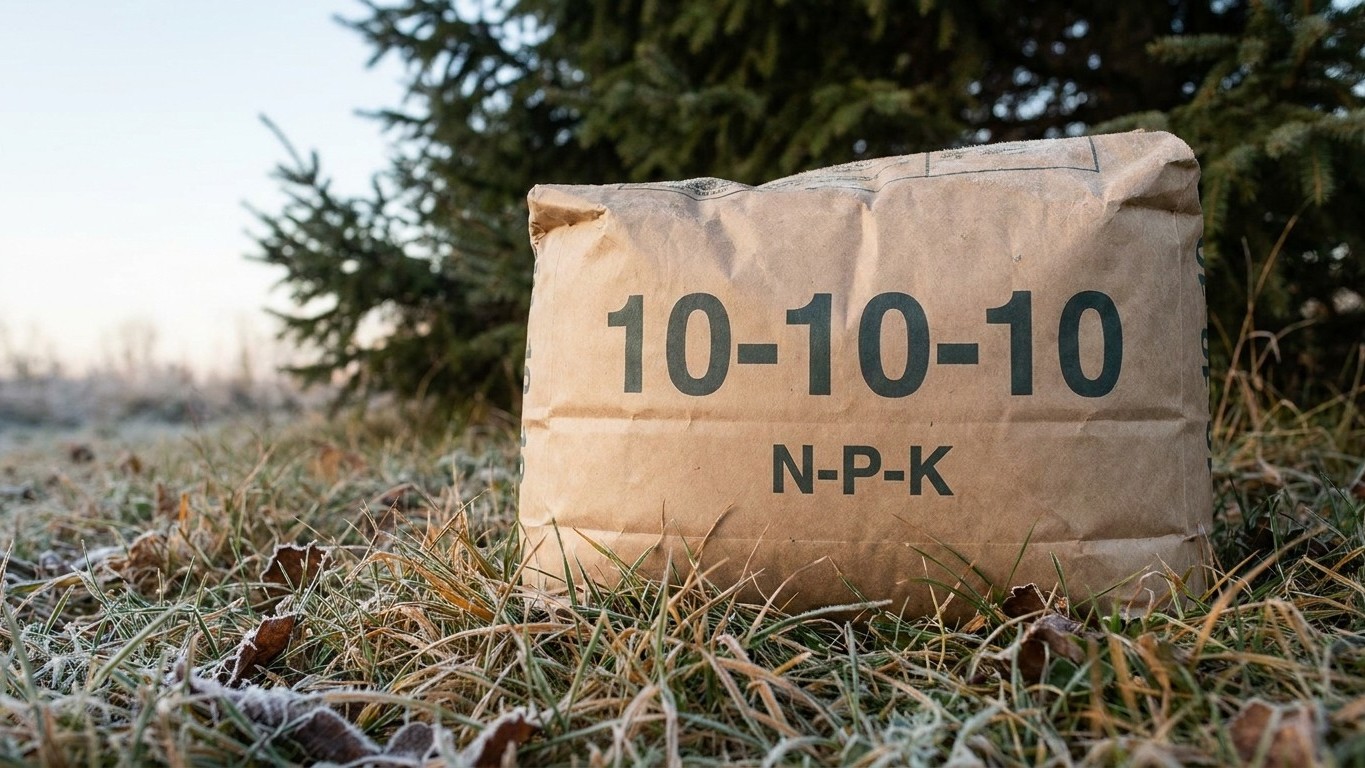
Professional greenkeepers abandon high-nitrogen spring fertilizer the moment August ends, swapping it for a potassium-rich formula that toughens grass instead of pushing growth. This strategic shift prevents frost damage, disease, and those mysterious dead patches that appear come spring—a simple change that transforms how your lawn survives winter.
Pelouse grillée tondue trop ras : pourquoi les adventices repoussent

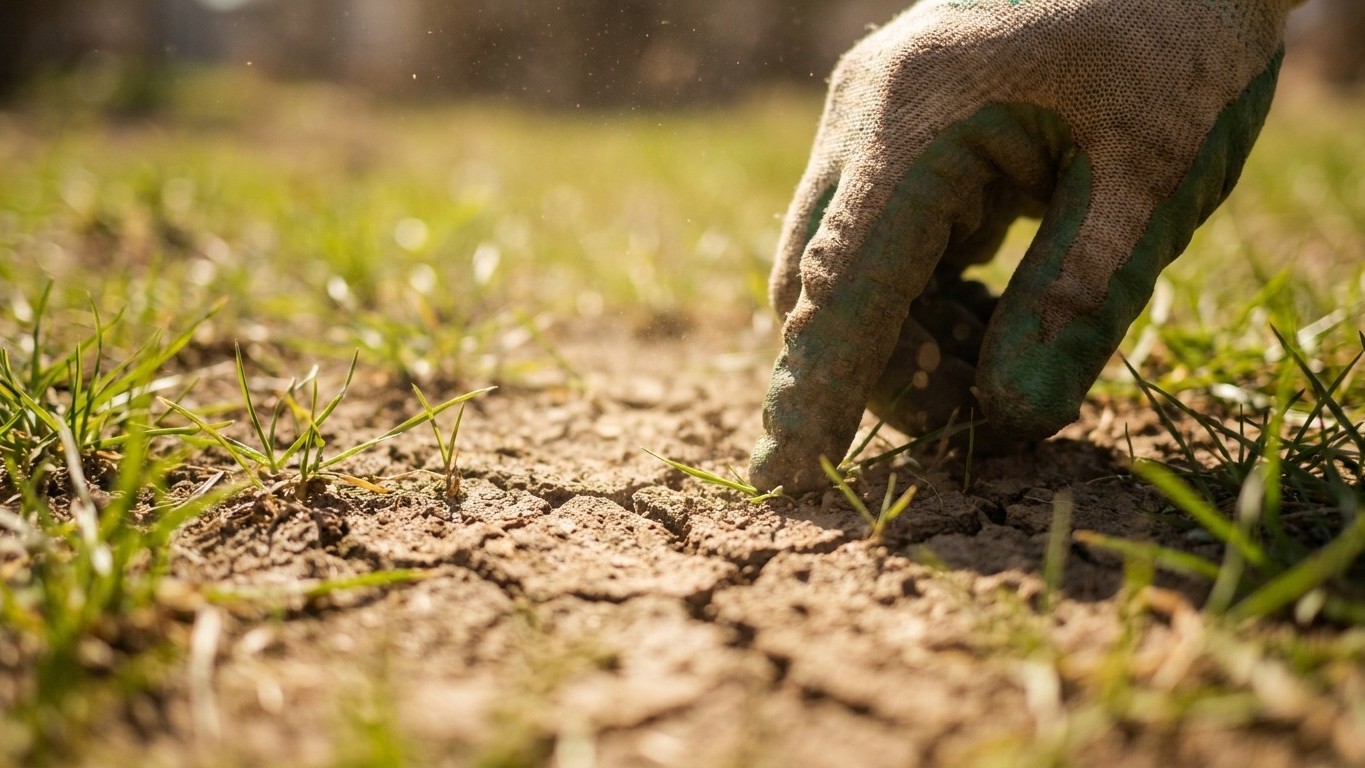
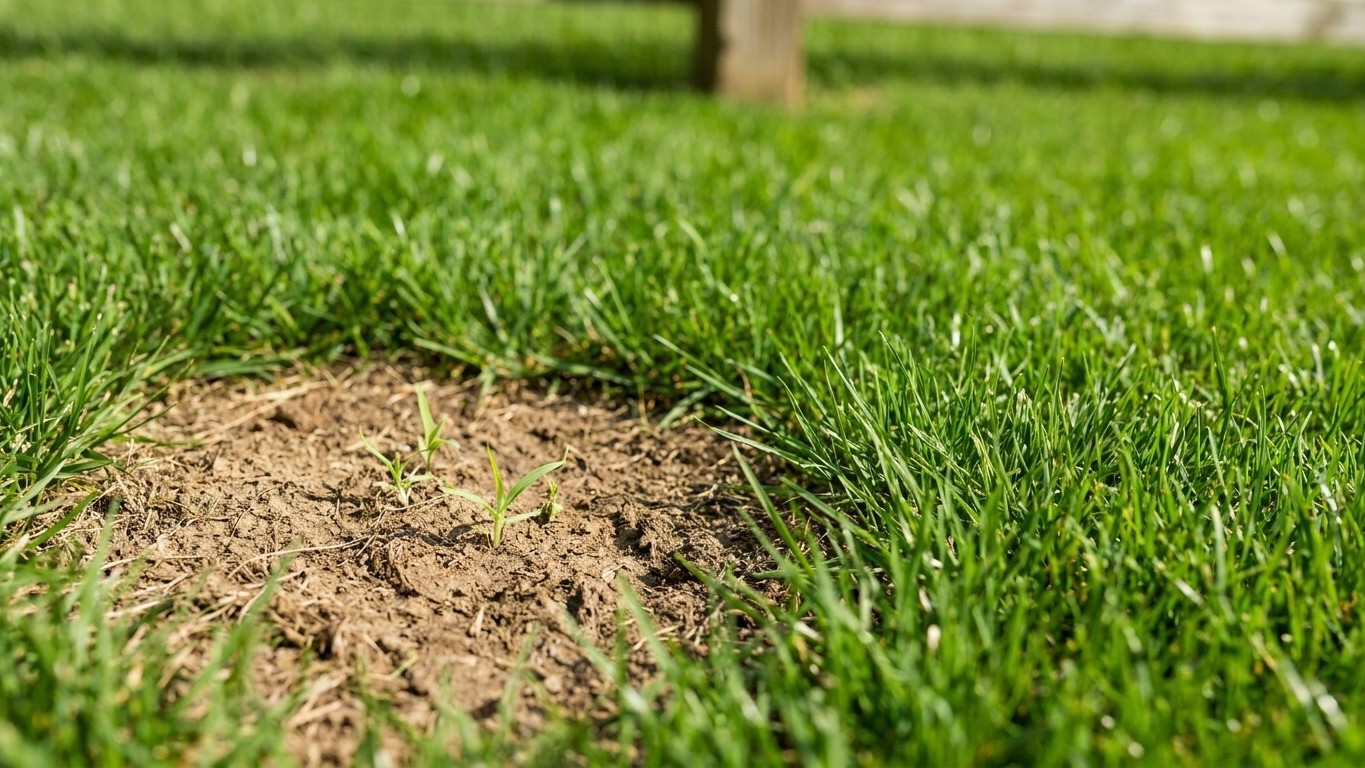
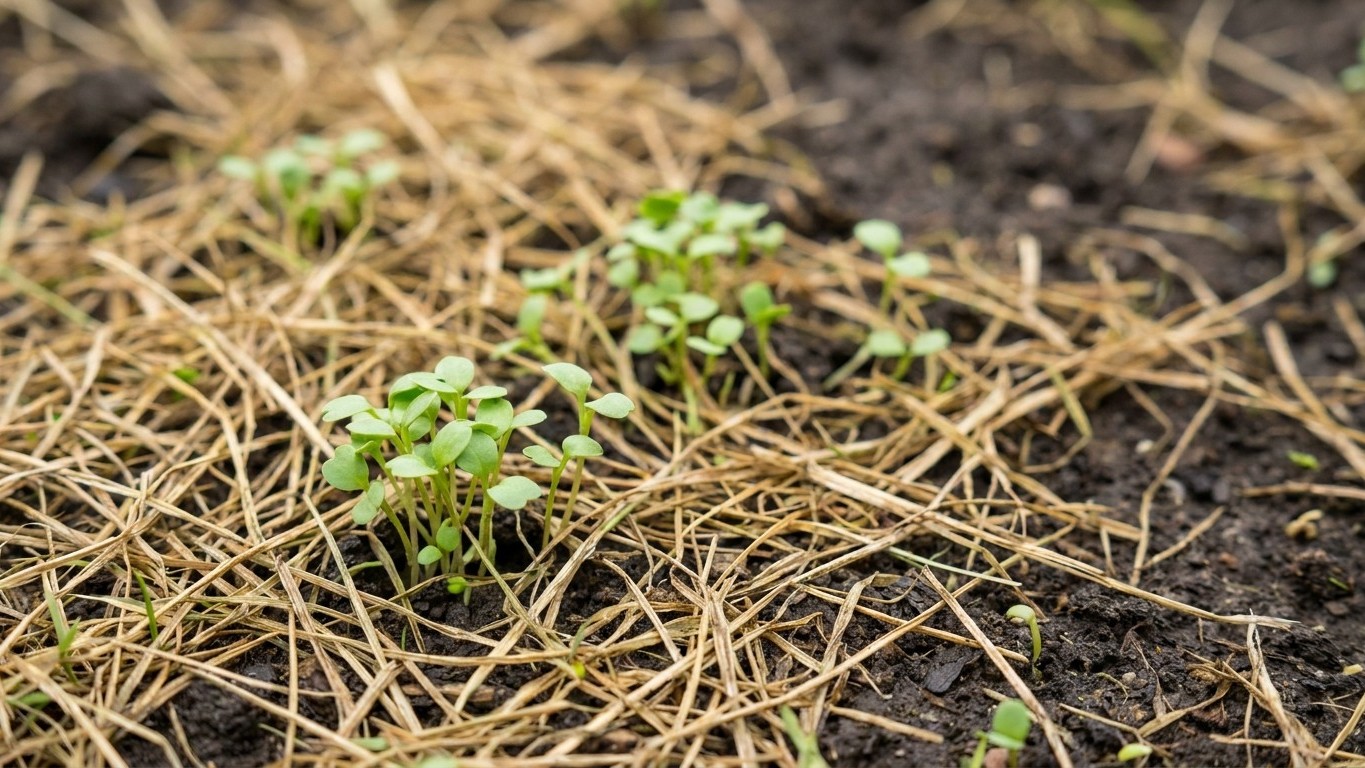
I scalped my drought-browned lawn as soon as the August rain came back just to make it green again: three weeks later, wha...

After scalping a drought-stressed lawn hoping for a fast green recovery, one homeowner discovered bare patches filling with crabgrass and broadleaf weeds instead of turf. Turfgrass scientists explain why this common mistake backfires and reveal the patience-based recovery strategy that works.

Petits trous en cône dans la pelouse : pourquoi ne pas les reboucher

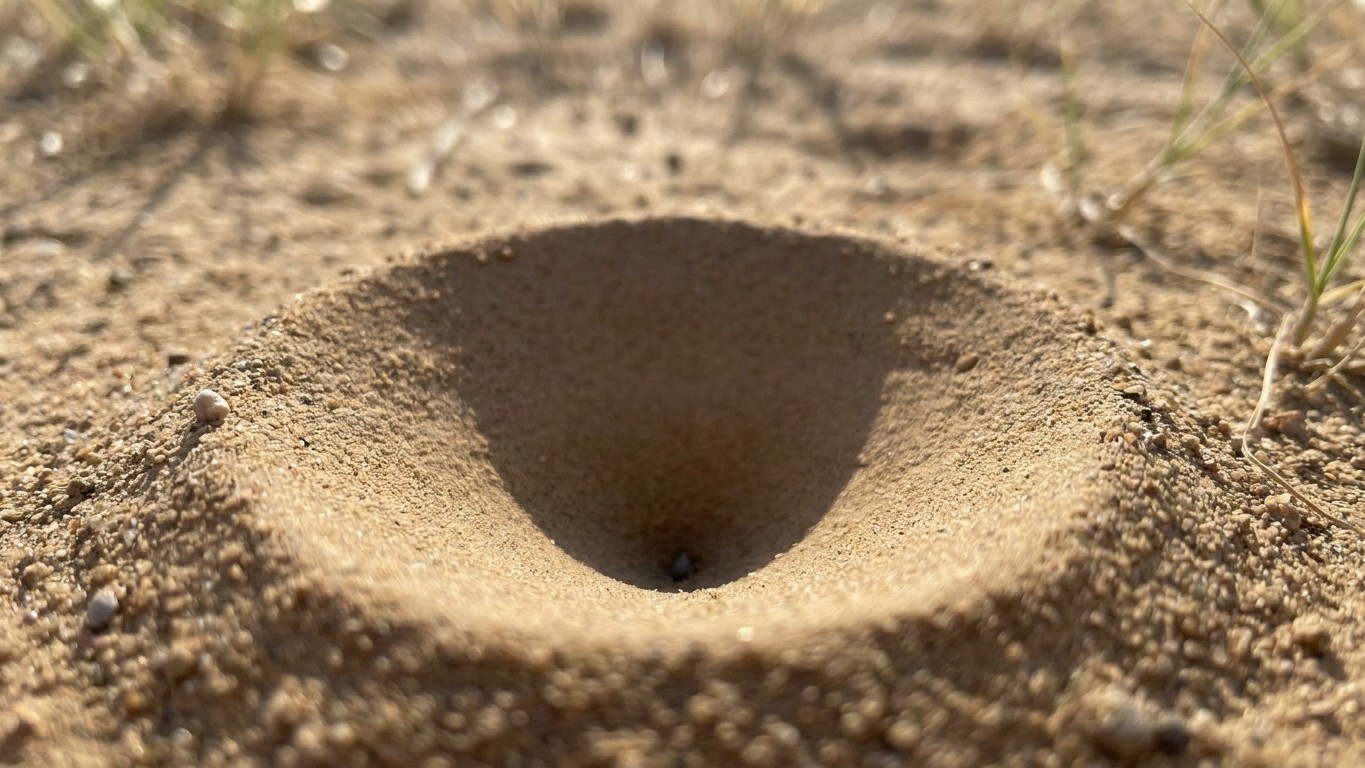
I filled in the small cone-shaped holes in my lawn in July just to keep it tidy: two weeks later, when wider funnels appea...

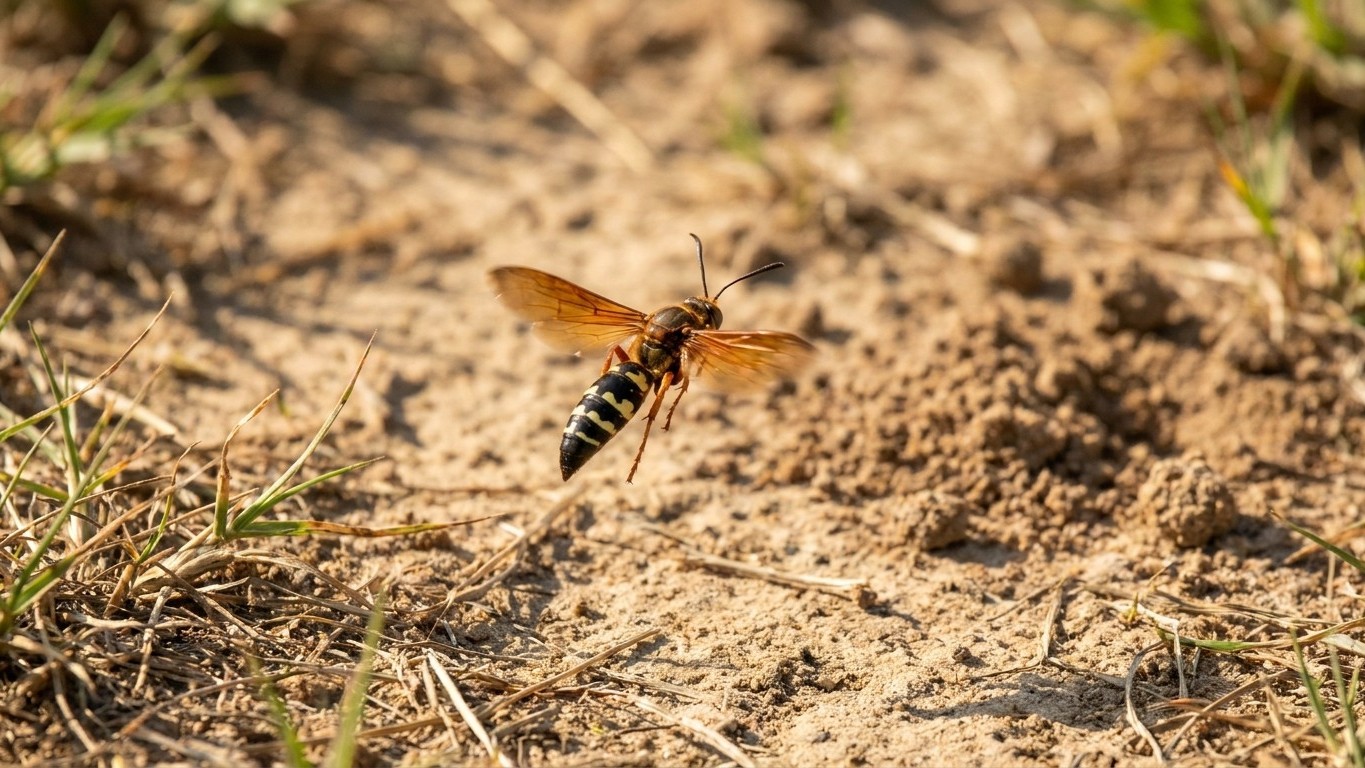
A Georgia homeowner’s attempt to tidy up small cone-shaped depressions in the lawn backfired when larger funnels reappeared two weeks later. What looked like lawn imperfections were actually sophisticated hunting traps built by antlion larvae, nature’s most efficient ant assassins. Filling them in wasn’t cleaning—it was destroying free pest control.

Tondre court avant une canicule : pourquoi il vaut mieux relever la lame

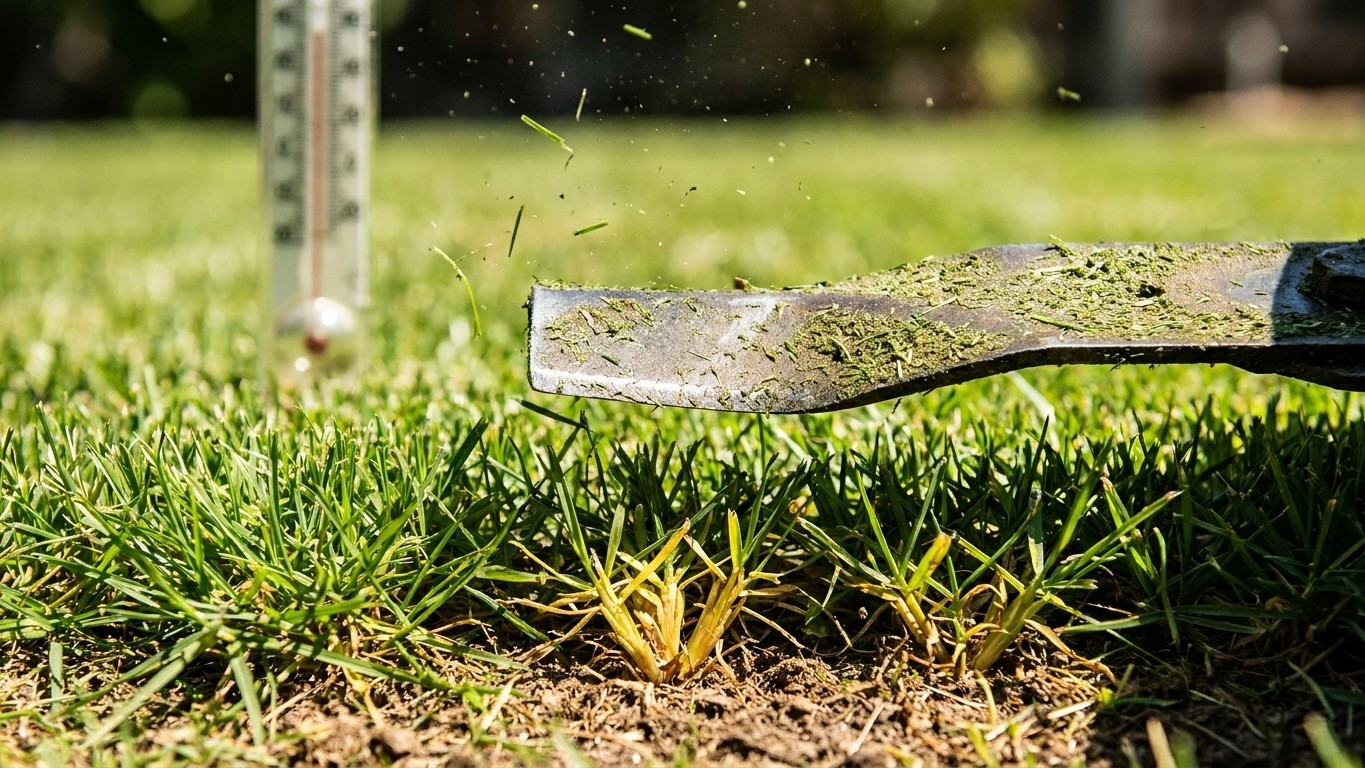
I mowed my lawn short before every heatwave thinking it would need less water: the day a gardener showed me what the sun w...

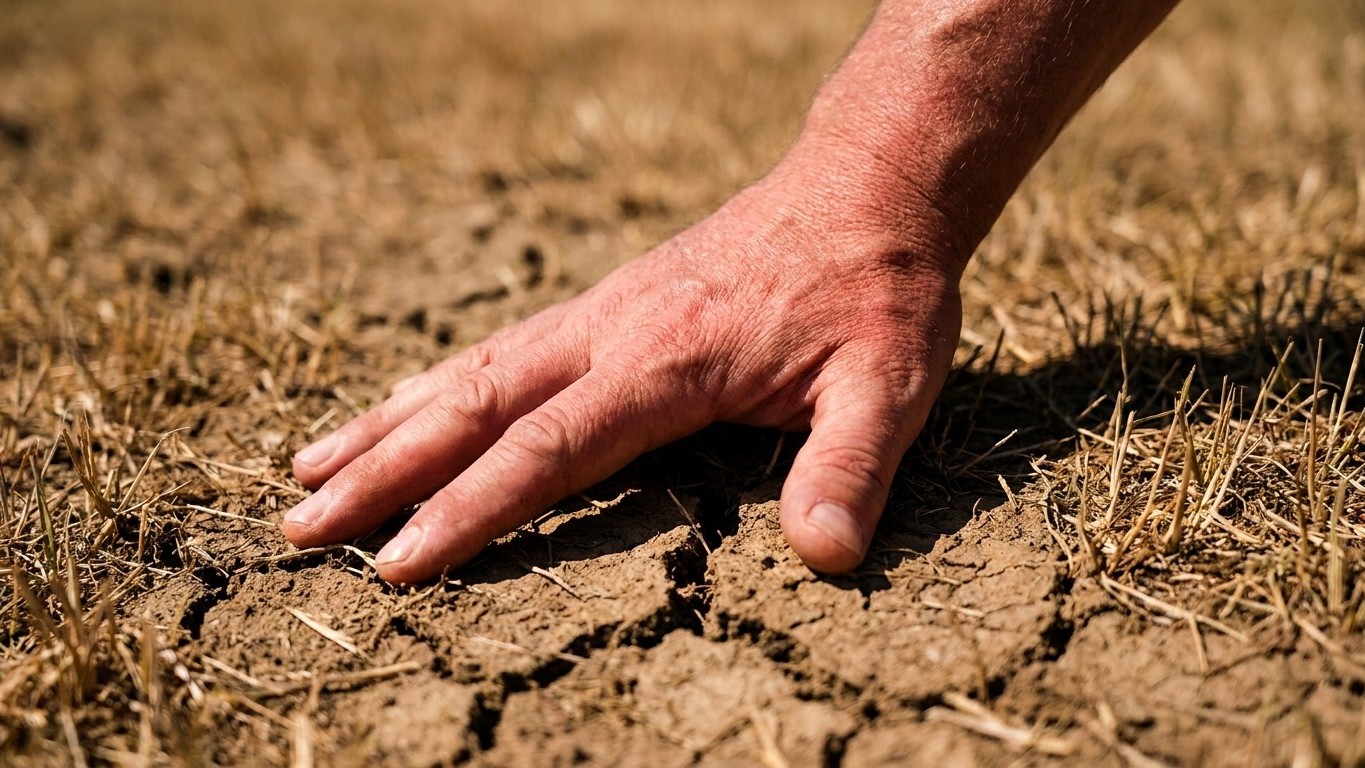
For years, a gardener’s simple question exposed a counterintuitive lawn care mistake: mowing grass short before heatwaves actually accelerates water loss by exposing soil to direct sun. Raising the blade to 3–4 inches creates a protective canopy that conserves moisture, deepens roots, and reduces the watering burden—a discovery that transformed summer lawn care from a battle to survival strategy.

Why Cutting Your Lawn Short Before a Heat Wave Backfires: What Soil Temperature Reveals

Why Cutting Your Lawn Short Before a Heat Wave Backfires: What Soil Temperature Reveals

Cutting grass short before a heat wave seems logical until your soil turns brown and stops growing entirely. The science reveals a counterintuitive truth: shorter grass actually creates more problems during peak heat, not fewer. Here’s what happens underground and how to prepare correctly.

Why Mowing Wet Grass Creates Brown Patches That Keep Spreading

Why Mowing Wet Grass Creates Brown Patches That Keep Spreading

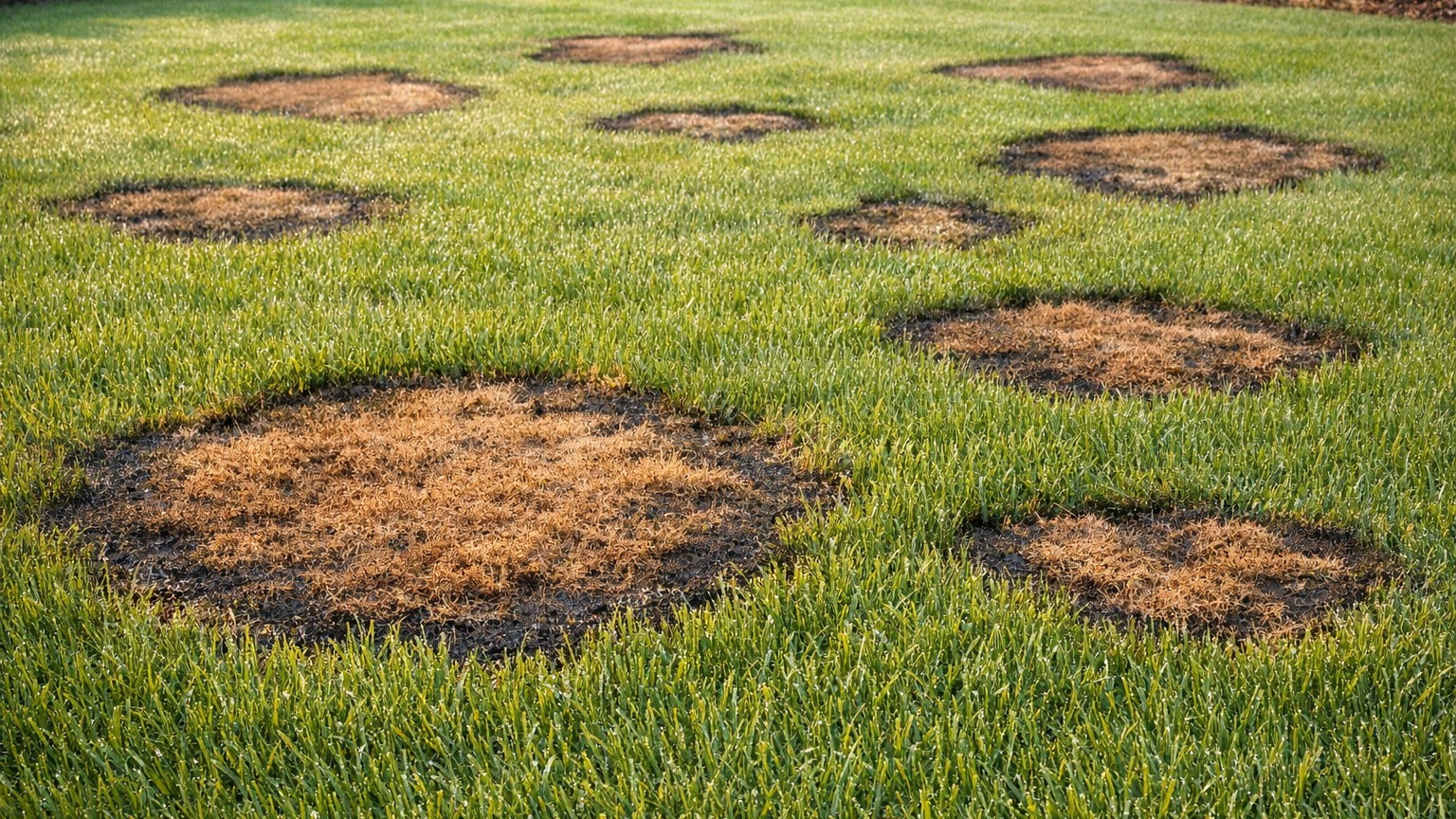
That patch of brown spreading across your lawn might trace back to a single decision: mowing while the grass was wet. What seems like a minor mistake triggers a cascade of damage—from ragged cuts that expose the plant to disease, to clipping mats that suffocate the soil beneath. Understanding what went wrong is the first step to stopping it.