Potager bêché chaque printemps : pourquoi les plantes fanent malgré l’eau
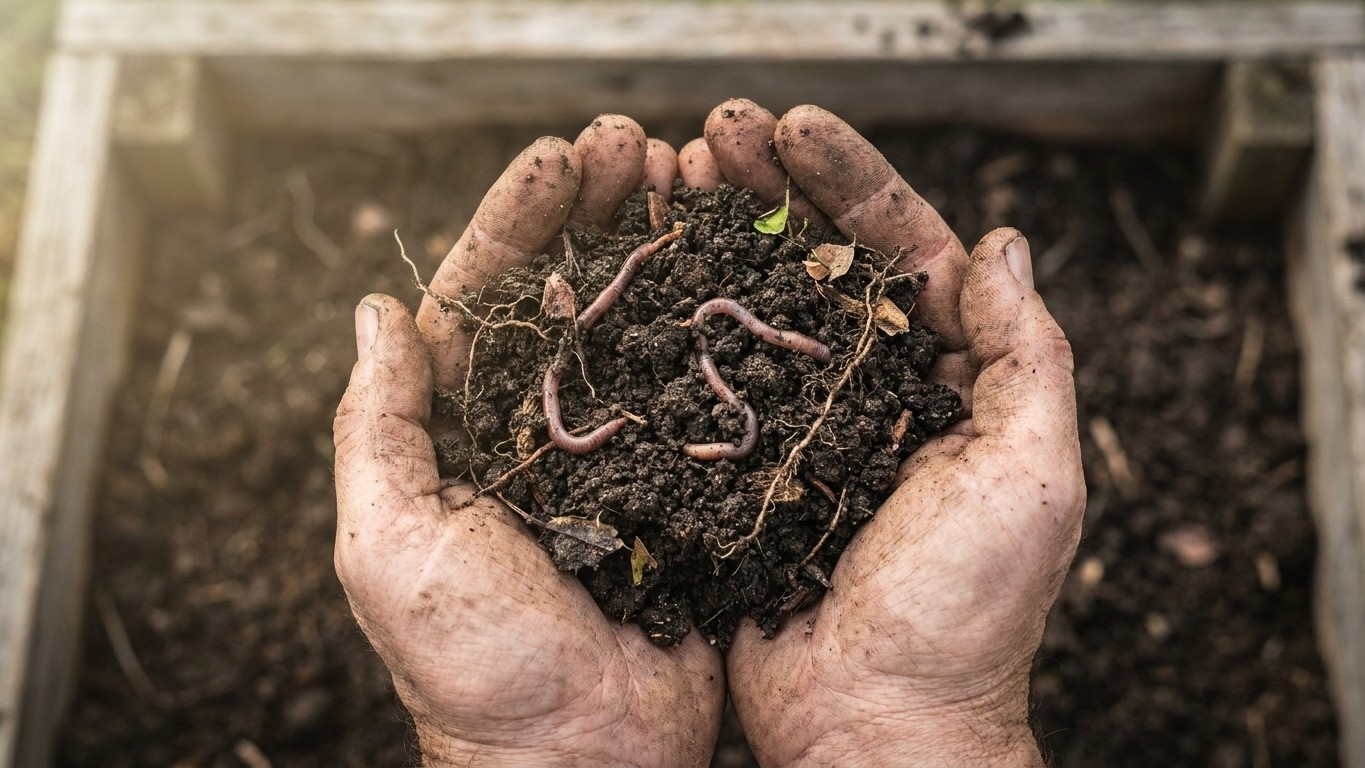
I dug my vegetable patch over every spring to loosen the soil: the summer everything wilted despite daily watering, I fina...

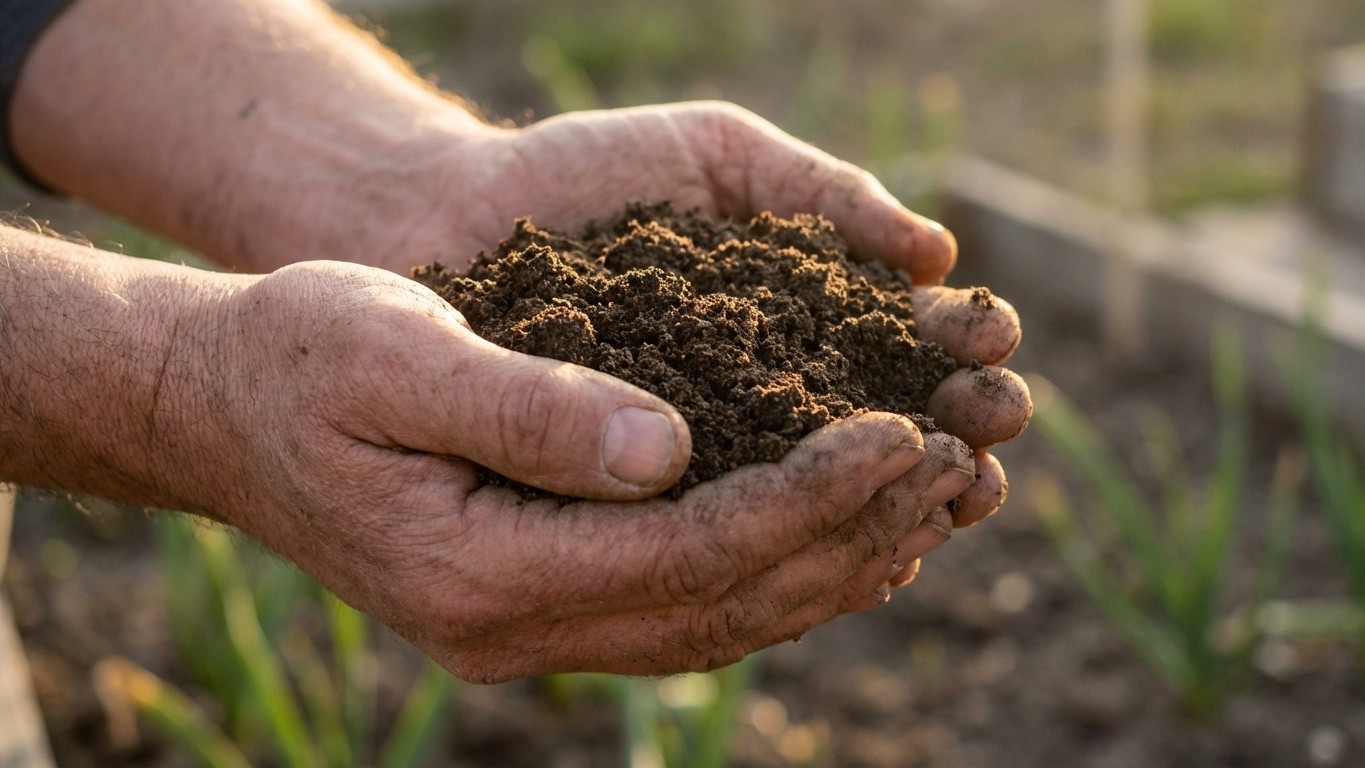
Every spring, a gardener faithfully turned over the vegetable bed to loosen soil—until one summer, despite daily watering, everything wilted. The culprit wasn’t drought or disease. It was buried six inches down, severed by the spade each year. Mycorrhizal fungi and earthworm networks, invisible but essential, had been destroyed before the plants needed them most.
Lait dilué sur le potager : pourquoi il protège des maladies

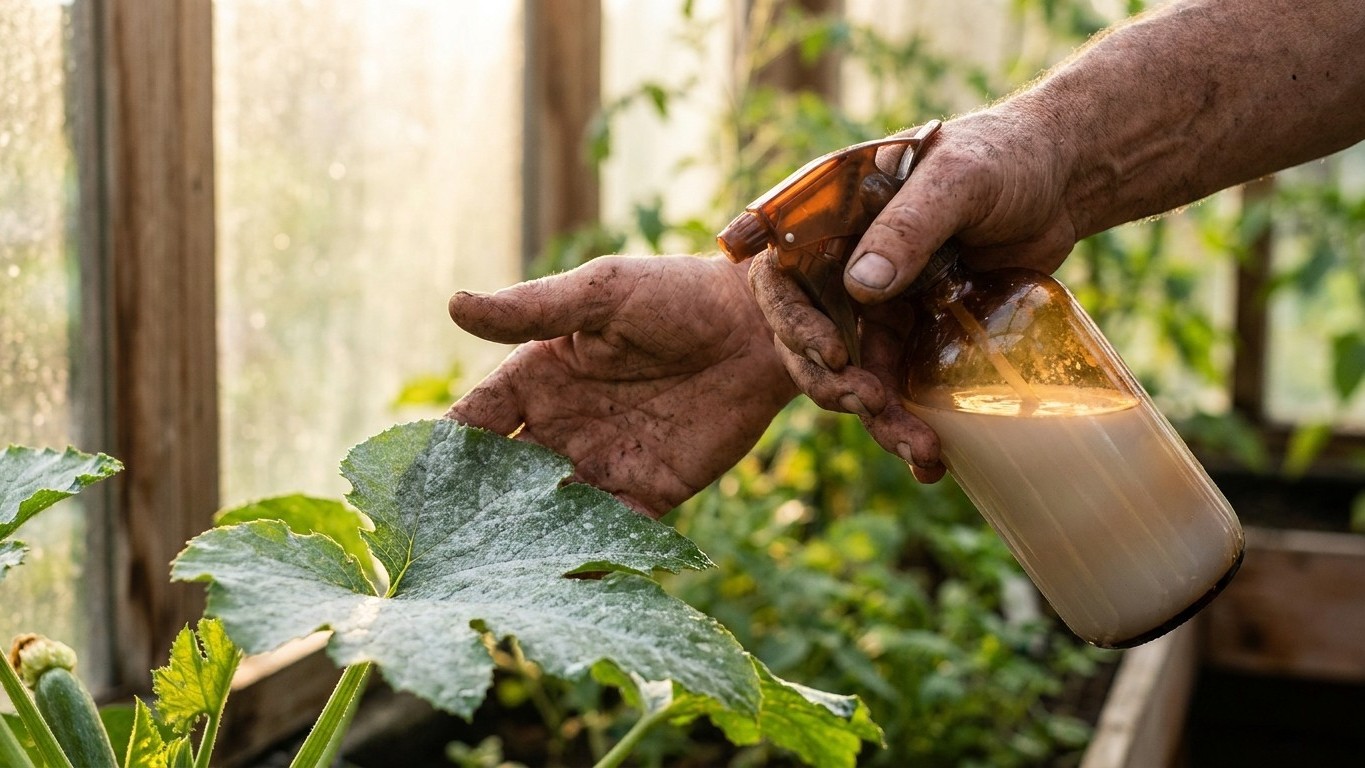
My grandfather always sprayed his vegetable patch with watered-down milk: I laughed at it for years before understanding w...

A teenager dismissed his grandfather’s Sunday milk-spraying ritual as superstition—until science proved it was genius. Research spanning five continents confirms that diluted milk can prevent powdery mildew on vegetables nearly as effectively as chemical fungicides.

Comment créer un sol vivant sans engrais avec des branches broyées

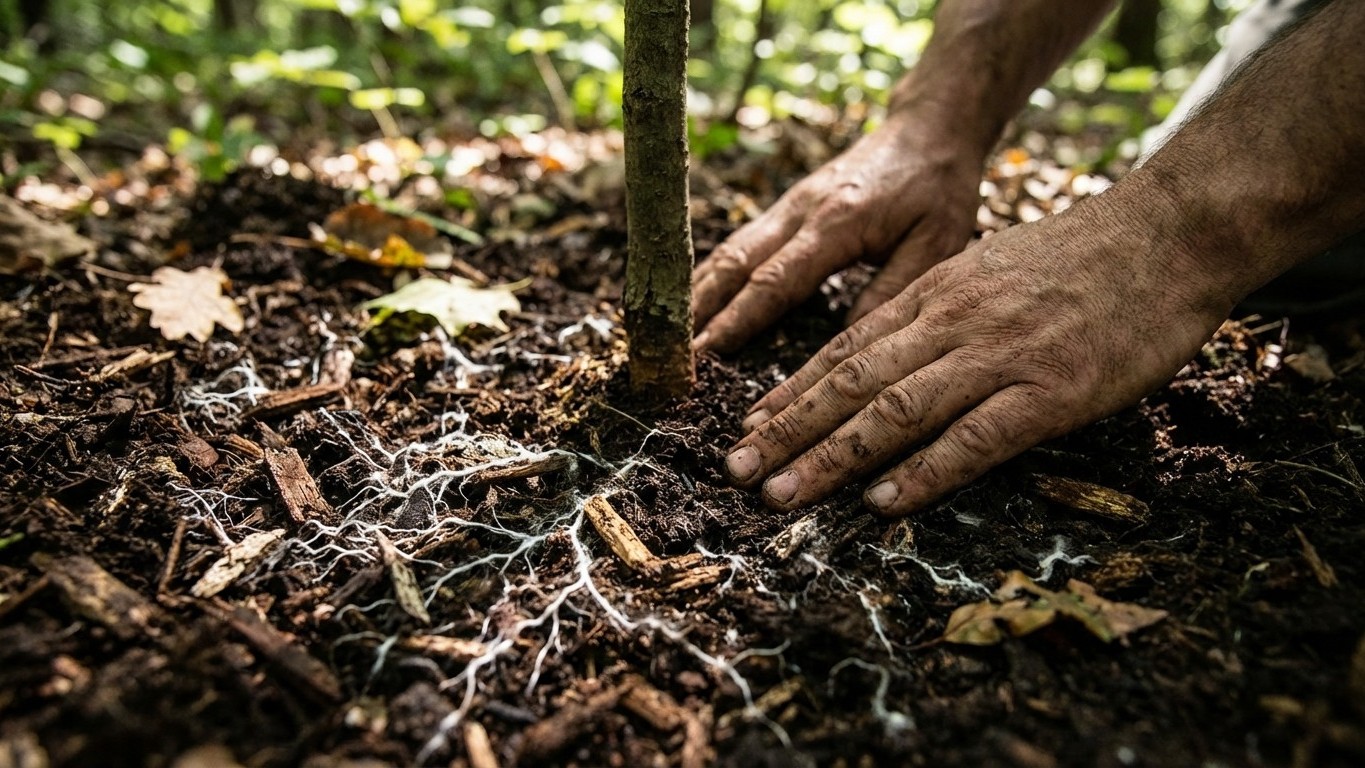
The Crushed Branch Secret: How Old-Time Gardeners Built Living Soil Without Fertilizer

Old-time gardeners understood a secret the forest has been perfecting for centuries: crushed young branches decompose into soil-building gold. This forgotten technique, now called BRF, increases organic matter by 200% in three years—without a single bag of fertilizer.

Comment éliminer les mauvaises herbes avant qu’elles ne germent en mars

The Old Gardener's March Secret: How to Eliminate Weeds Before They Ever Sprout

Old-time gardeners didn’t battle weeds—they prevented them entirely using a simple March technique called the stale seedbed method. By preparing soil early, allowing weed seeds to germinate, and destroying them before sowing crops, they achieved nearly weed-free gardens without any chemicals. This forgotten rhythm of soil preparation is surprisingly easy to replicate today.

Six plantes à cultiver entre les rangs pour limiter les pesticides

6 Plants Your Grandparents Grew Between Every Row Instead of Using Pesticides

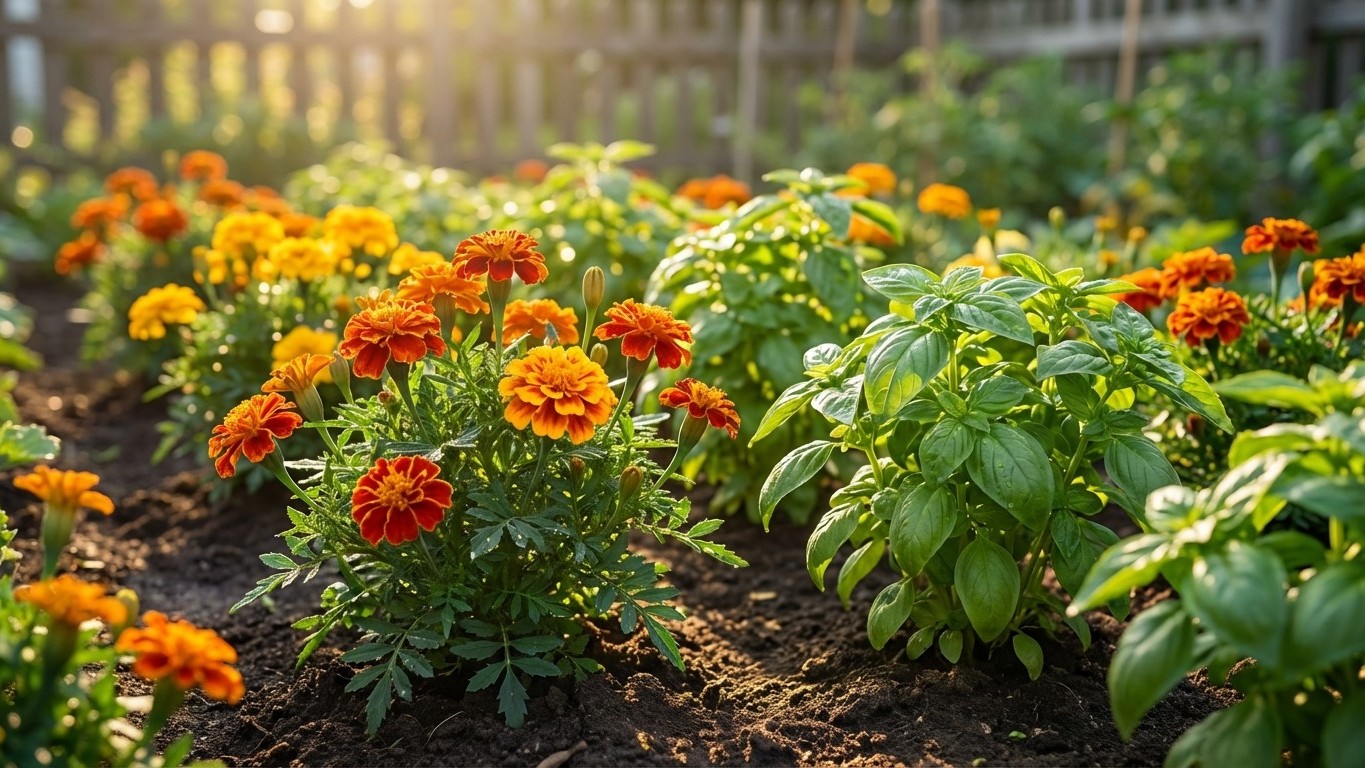
Before pesticide sprays lined garden center shelves, generations grew specific plants side-by-side to naturally repel pests and boost yields. Now science is confirming what grandmothers already knew: six humble plants—marigolds, lavender, chives, nasturtium, dill, and basil—create a balanced ecosystem that keeps gardens thriving without synthetic chemicals.

Marc de café et restes de cuisine : un engrais gratuit pour le potager

Double Your Garden Harvest With Kitchen Scraps: The Free Fertilizer Secret That Works

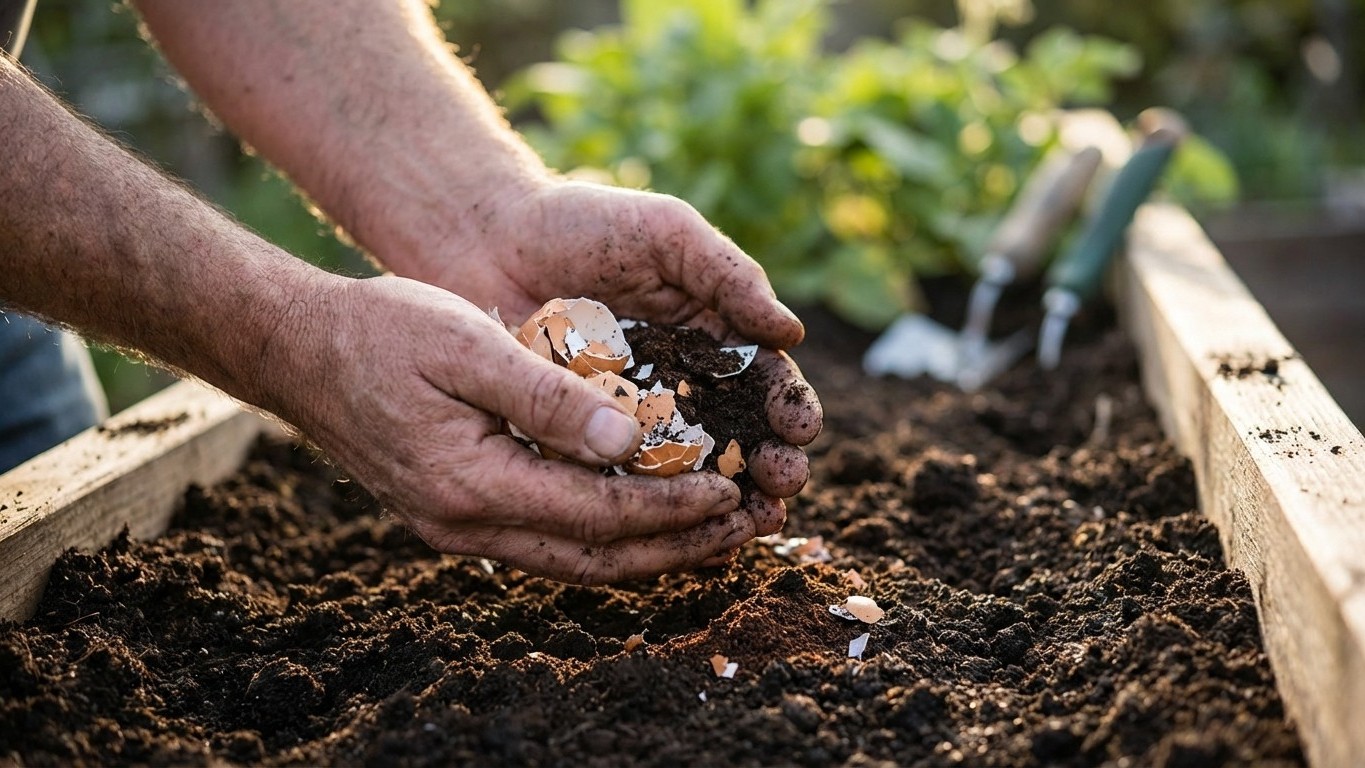
Your kitchen trash contains the nutrients that could transform your garden into a high-yield growing machine. Coffee grounds, banana peels, and eggshells aren’t gardening myths—they’re biological fertilizers that work faster and better than store-bought alternatives when used correctly.

Le paillage vertical japonais pour augmenter le rendement au potager

Triple Your Vegetable Yield in the Same Space: The Japanese Vertical Mulching Secret

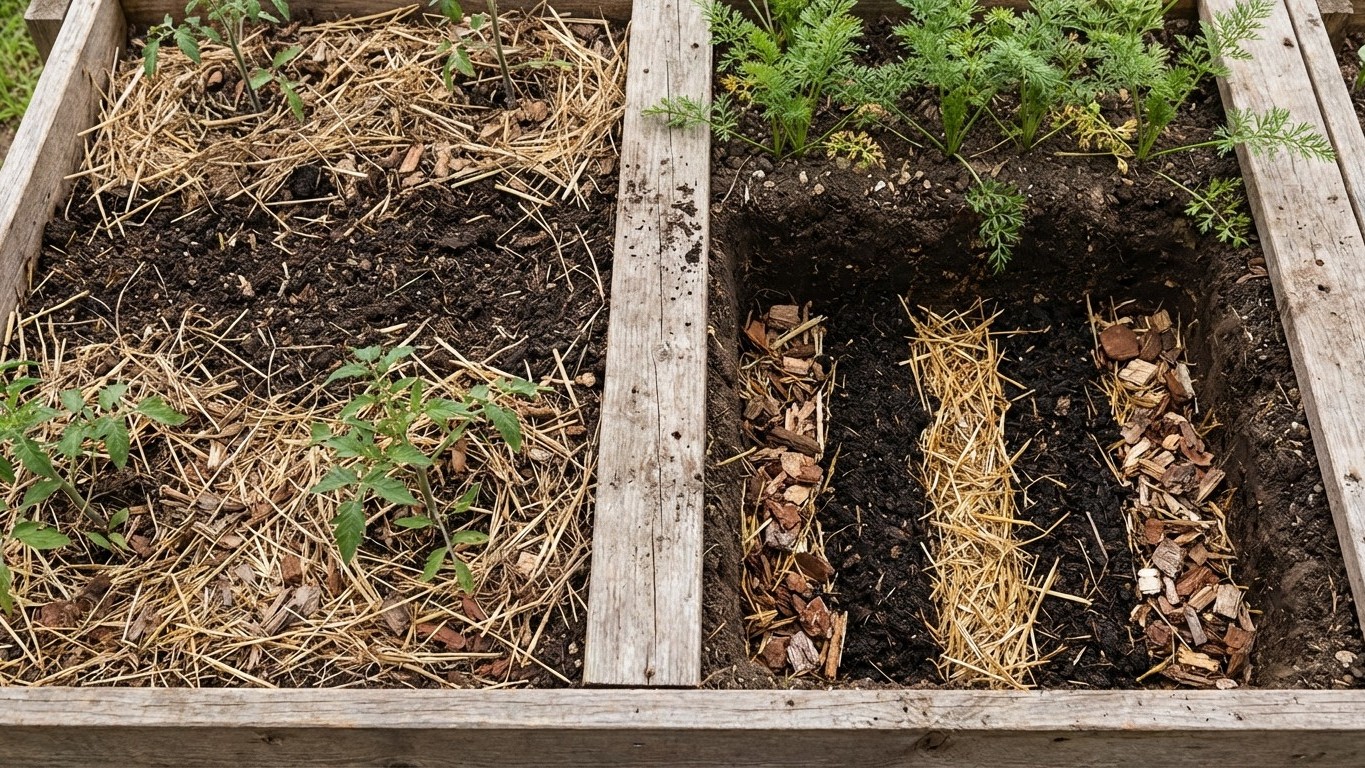
A Japanese agricultural technique quietly practiced for generations is revolutionizing American home gardening by tripling yields in the same footprint. By thinking vertically instead of horizontally, gardeners are discovering that what matters isn’t more square footage—it’s what lies beneath the surface.