
I forked my vegetable beds over every autumn just to break up the soil: by spring, what was coming up between the rows had never been sown
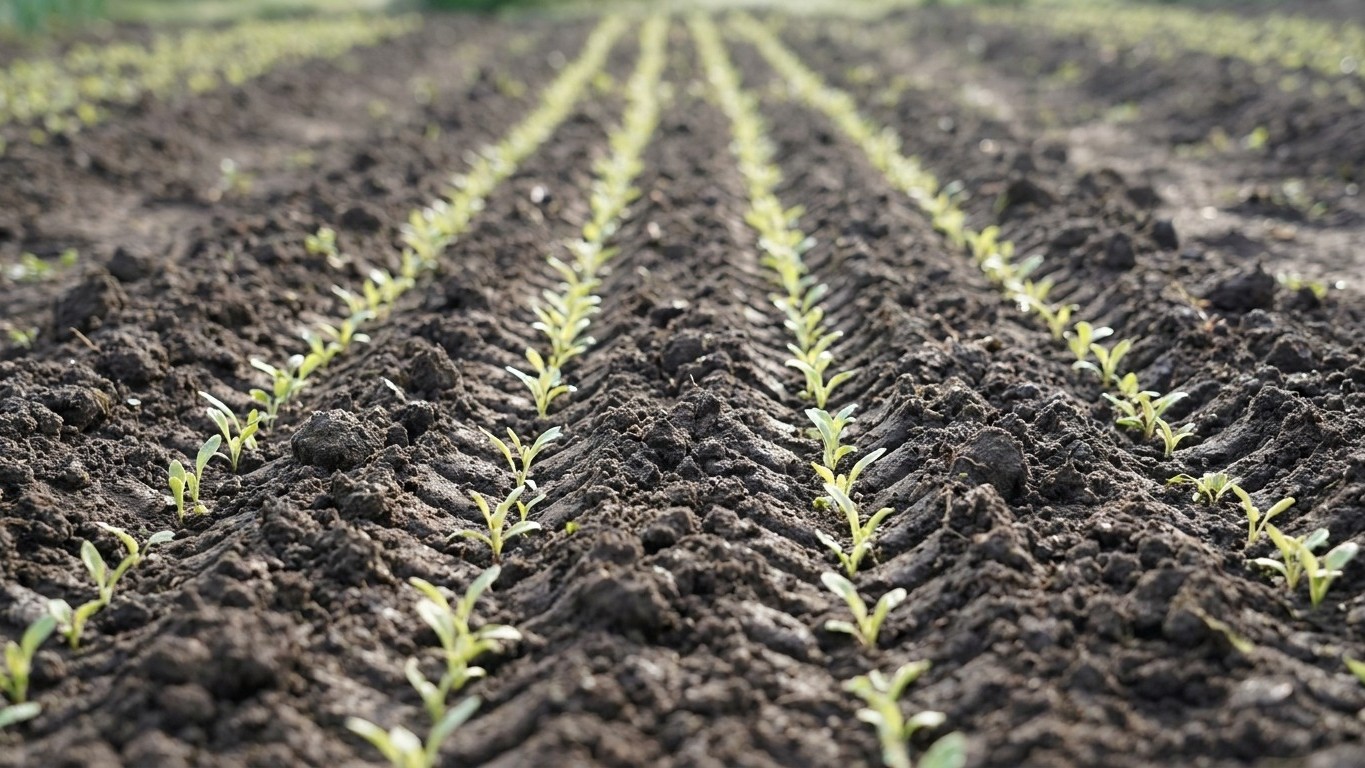
I forked my vegetable beds over every autumn just to break up the soil: by spring, what was coming up between the rows had...

Every autumn fork strike awakens thousands of dormant weed seeds buried in your soil, and they germinate in perfectly organized rows come spring. This isn’t bad luck—it’s biology. Learn why disturbing soil triggers mass germination and the proven technique that breaks the cycle.
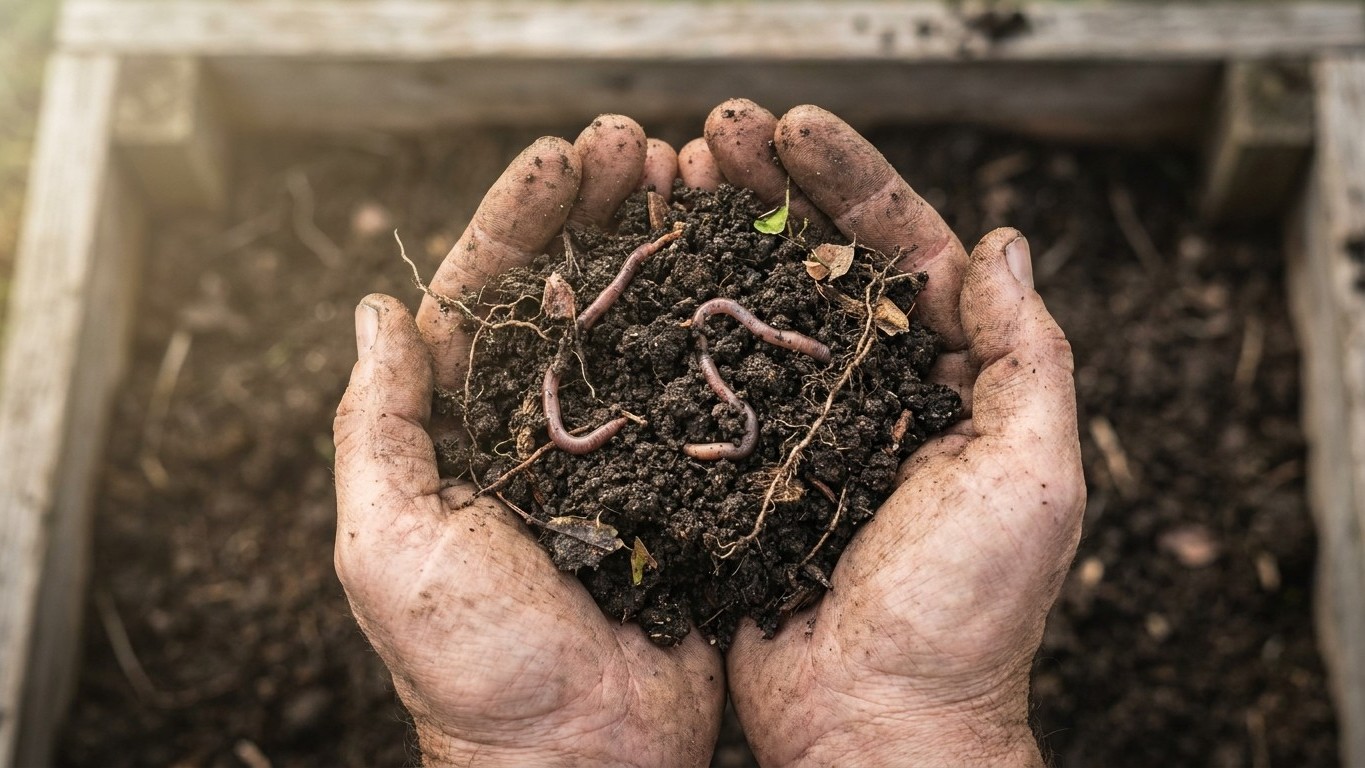
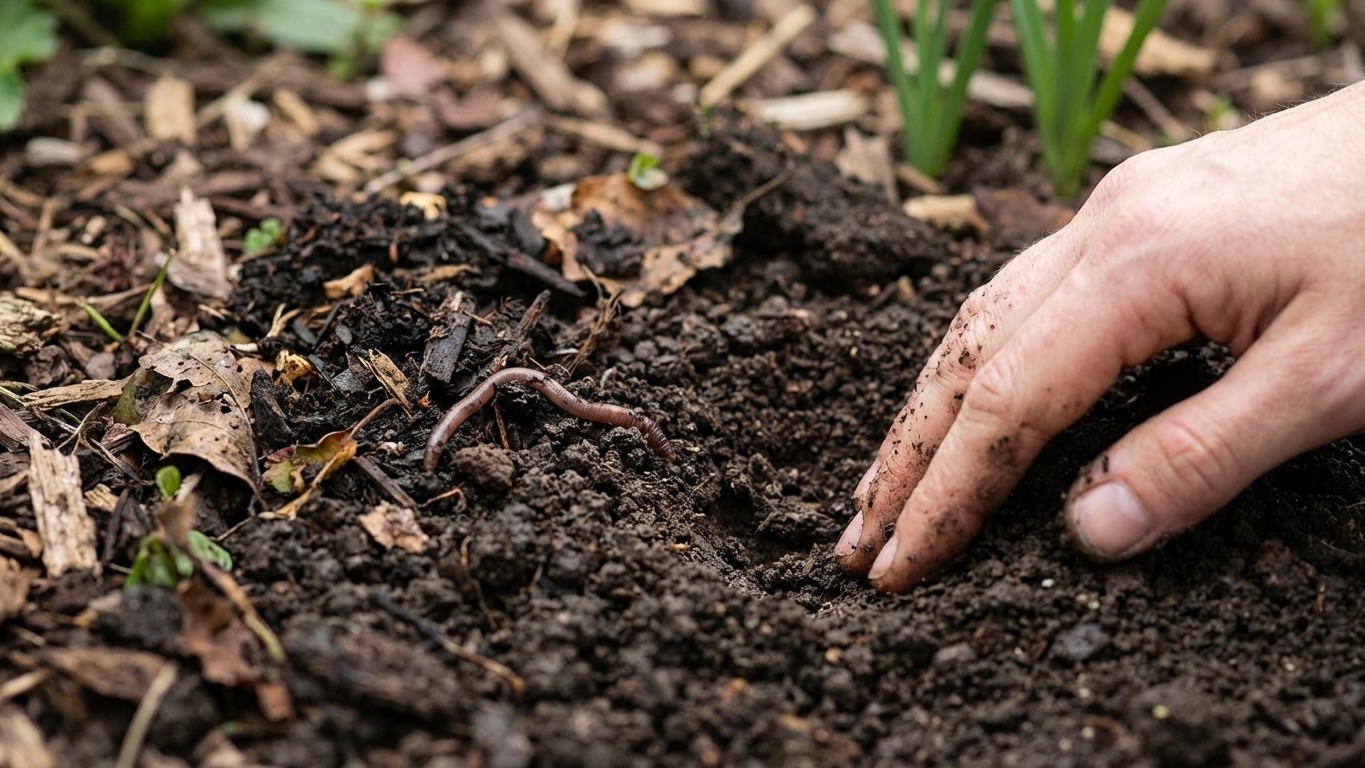
I dug my vegetable patch over every spring to loosen the soil: the summer everything wilted despite daily watering, I finally saw what the spade had cut through

I dug my vegetable patch over every spring to loosen the soil: the summer everything wilted despite daily watering, I fina...

Every spring, a gardener faithfully turned over the vegetable bed to loosen soil—until one summer, despite daily watering, everything wilted. The culprit wasn’t drought or disease. It was buried six inches down, severed by the spade each year. Mycorrhizal fungi and earthworm networks, invisible but essential, had been destroyed before the plants needed them most.

Why This Gardener Stopped Digging—and What She Found Changed Everything

Why This Gardener Stopped Digging—and What She Found Changed Everything

A Vermont gardener abandoned her spade and discovered something unexpected: undisturbed soil outperforms tilled beds. By simply layering compost on top and letting nature work, she unlocked healthier plants, thriving earthworm populations, and dramatic drought resilience—all while doing less work.