Œillets d’Inde contre les nématodes : pourquoi deux pieds ne suffisent pas
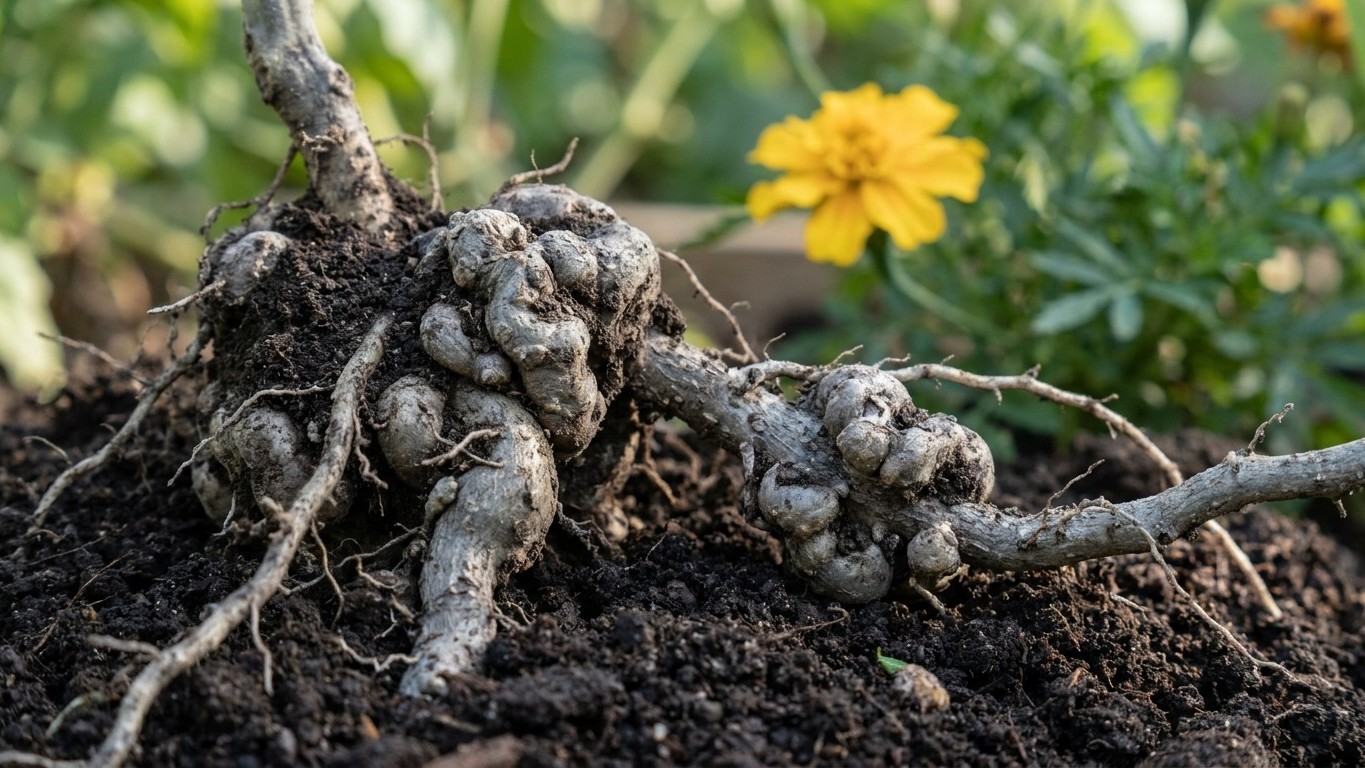
I dotted two marigolds at the end of each tomato row just to keep the soil clean: when I lifted the first roots in autumn,...

Two marigolds planted at the end of a tomato row look decorative but do nothing to stop root-knot nematodes from destroying roots underground. This widespread gardening advice fails because most gardeners plant marigolds as ornaments rather than following the science—requiring dense coverage and precise timing to work.
Semer les épinards le long des haricots : pourquoi ils poussent mieux

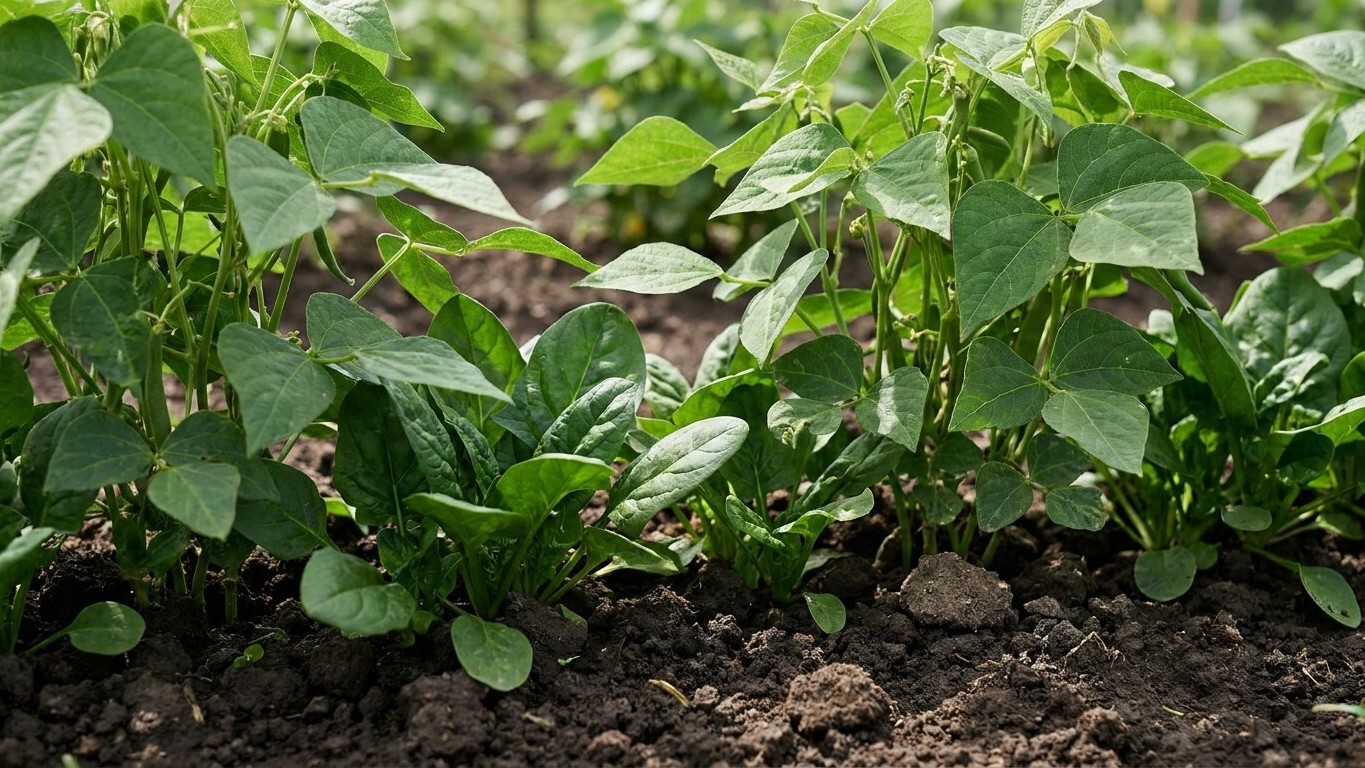
I slipped my spinach seeds along a row of beans just to save space: since then, not a single gap in the row and the leaves...

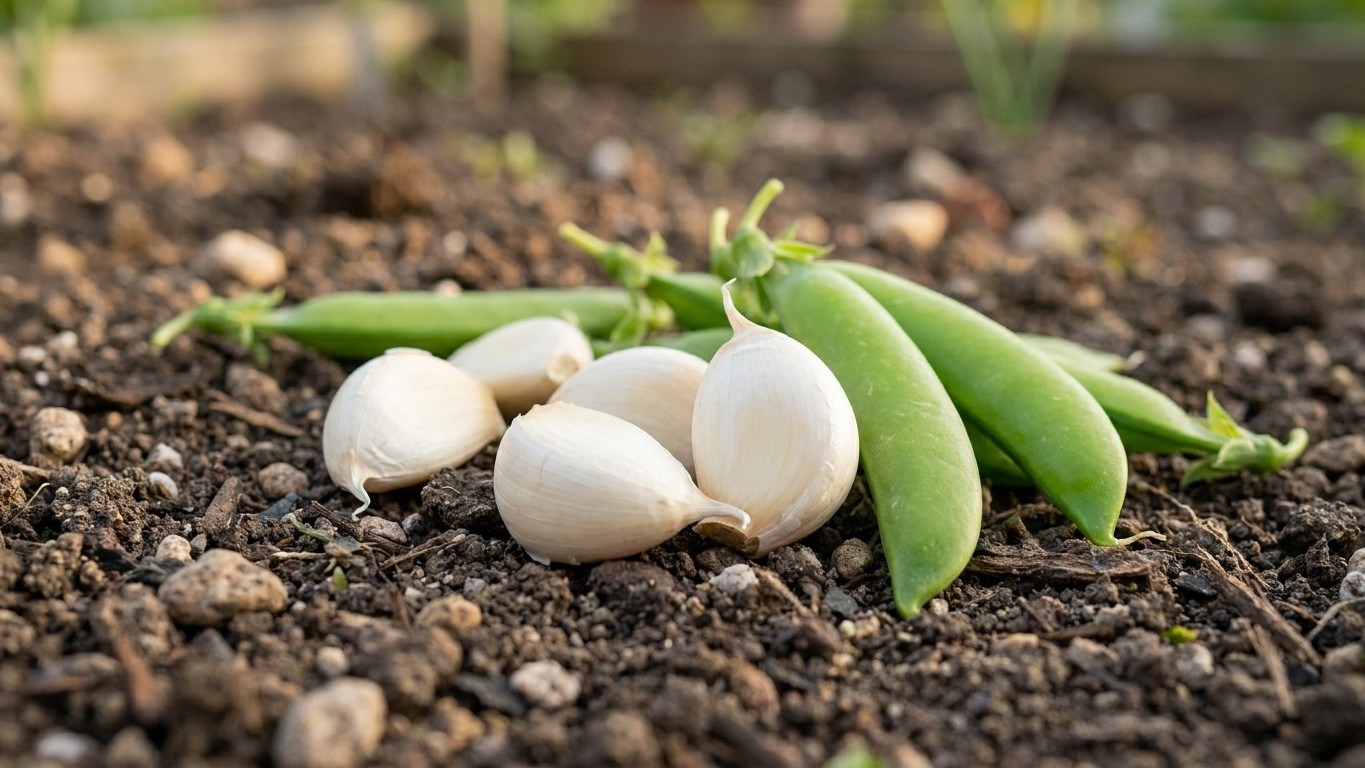
Slip spinach seeds along a bean row and the magic begins: no bare patches, no bolting, no premature flowering. Beans fix nitrogen from the air while their foliage creates the exact shade spinach needs to stay tender through warm weeks. This isn’t luck—it’s plant biology working in your favor, and it costs nothing but smart spacing.

Comment un voisin a montré une meilleure façon de cultiver les rosiers

Years of Chemical Sprays Wasted: How One Neighbor's Garden Revealed the Better Way to Grow Perfect Roses

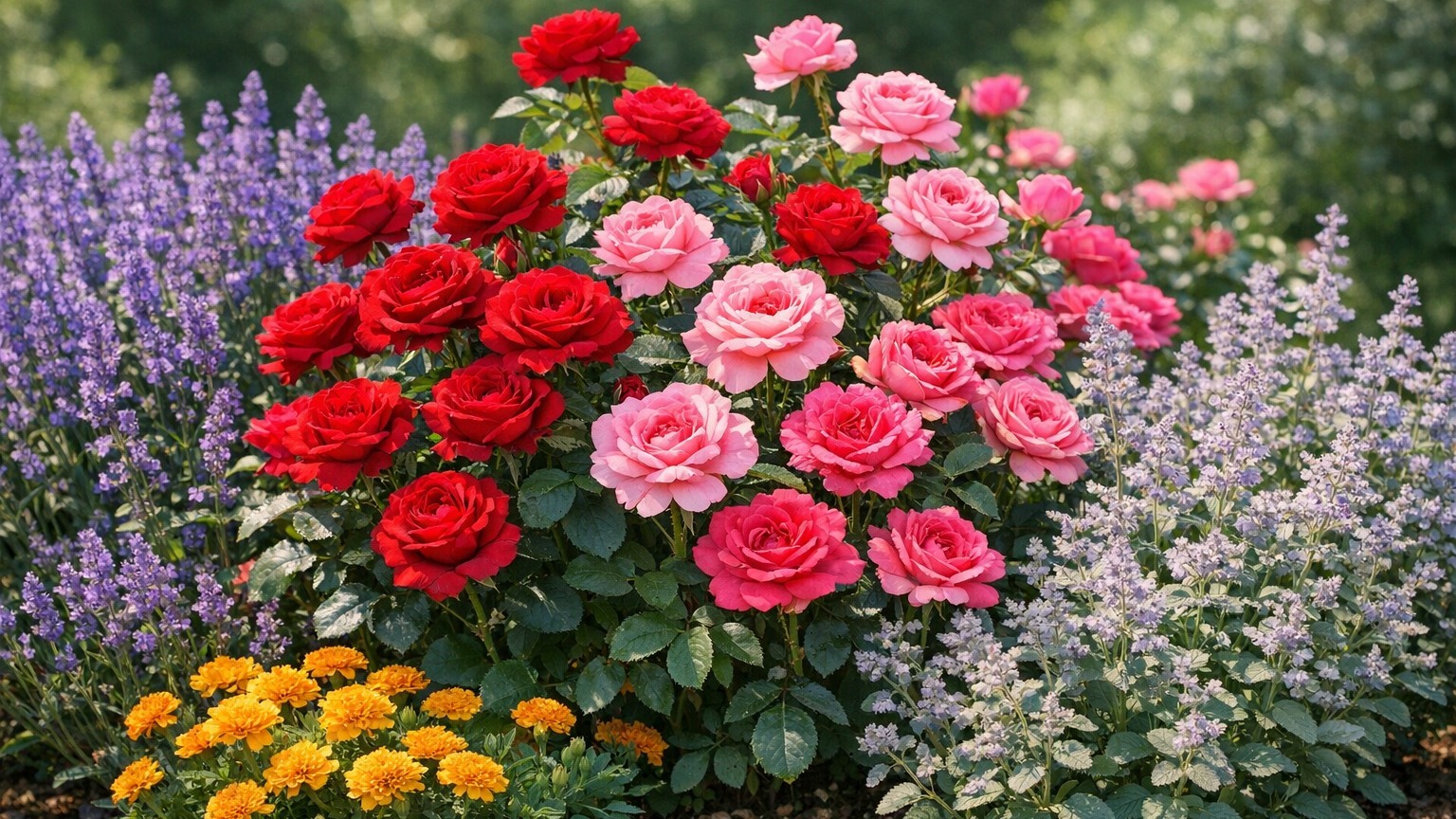
For years, a gardener sprayed roses with chemicals every spring—until a neighbor’s thriving, pesticide-free garden revealed a better approach. Companion planting with lavender, alliums, catmint, and marigolds creates a self-defending ecosystem that outperforms any spray bottle.

Basilic et tomates : pourquoi les planter ensemble au potager ?

Why Your Grandparents Were Right: The Science Behind Planting Basil Next to Tomatoes

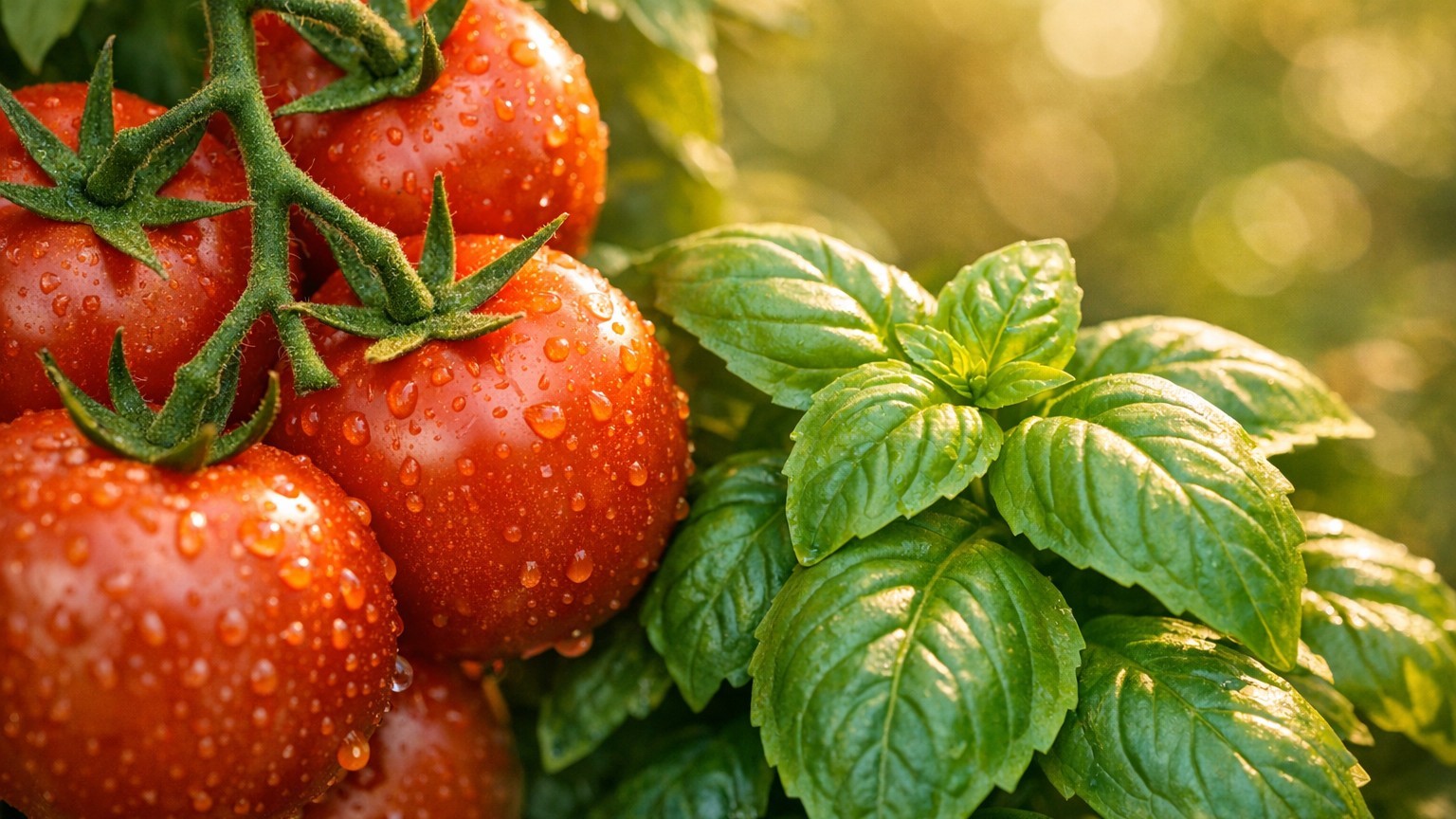
Your grandparents knew something gardeners are only now proving with science: basil planted alongside tomatoes triggers a hidden chemical conversation that repels pests, boosts plant immunity, and increases yields. A 2024 study reveals how basil’s volatile compounds train tomato plants to fight back harder against damage and disease.

Basilic et tomates : à quelle distance les planter pour éviter la maladie

How Basil and Tomatoes Can Destroy Each Other: The Spacing Secret Nobody Tells You

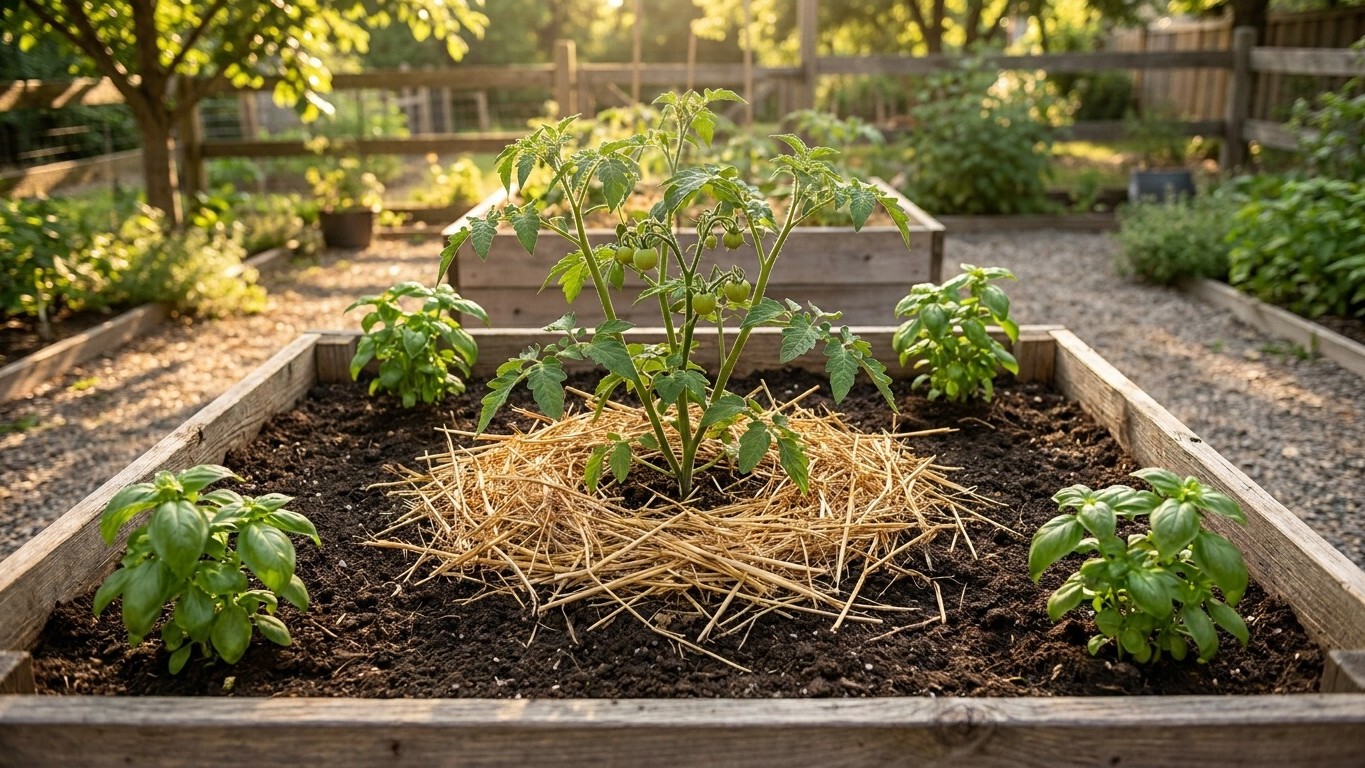
Basil and tomatoes are gardening’s most famous pairing—until they touch. A retired gardener’s decades-old wisdom reveals why close proximity creates a disease highway, and how proper spacing transforms companion planting from textbook theory into real results.

Rosiers sans traitement : planter de la ciboulette ou de l’ail à côté

The Secret That Old Gardeners Knew: Why Roses Never Need Spraying When Grown This Way

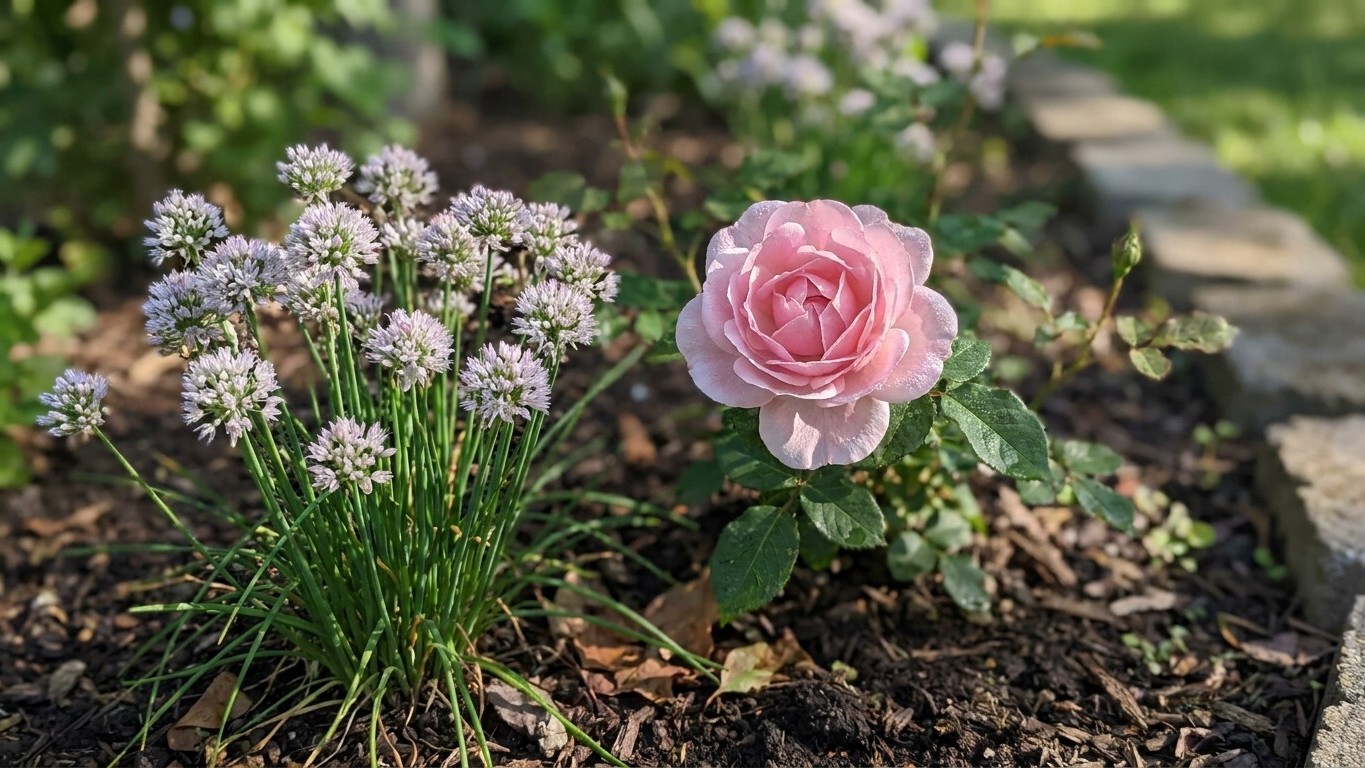
Old-time gardeners understood something modern rose lovers have forgotten: a simple row of chives or garlic can replace the spray bottle entirely. Science now confirms what the potager tradition knew instinctively—companion planting with alliums reduces aphids by 80% and prevents black spot fungus through pure chemistry.

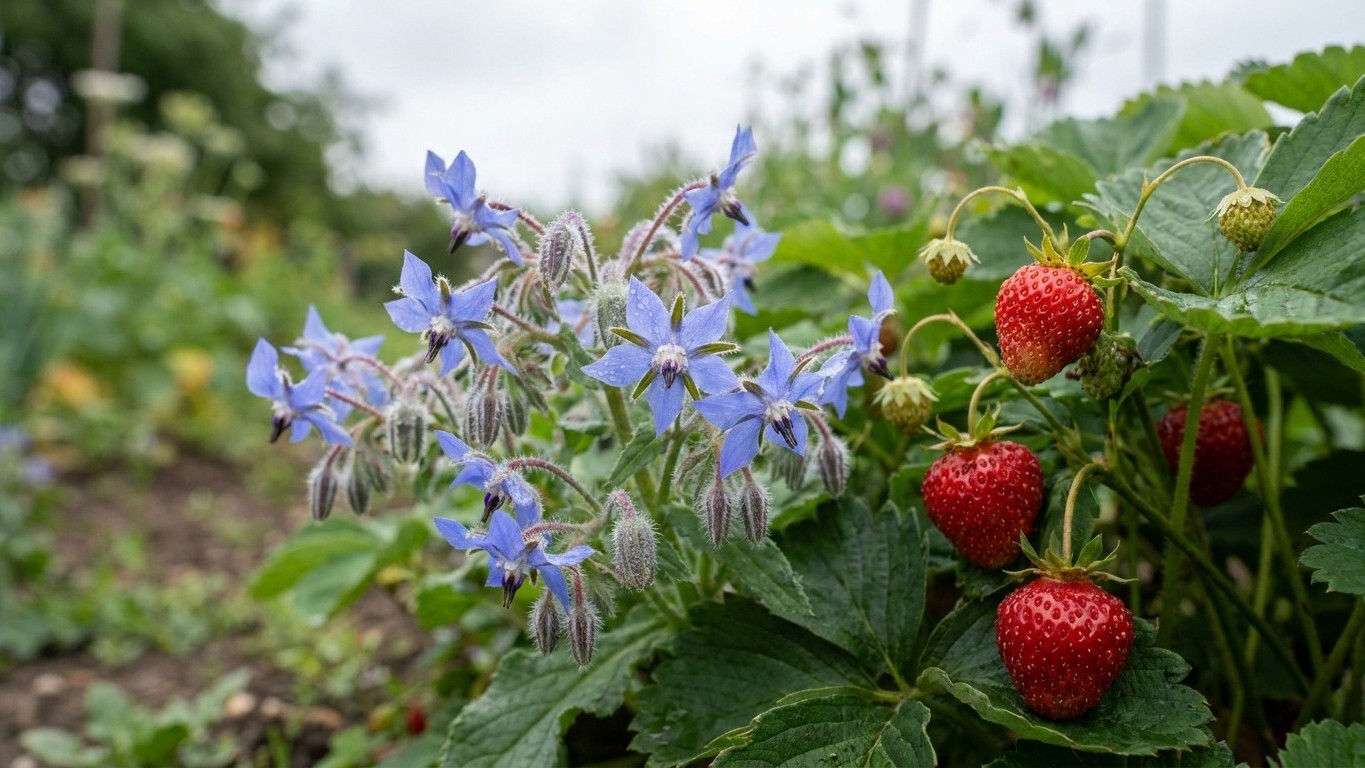
La bourrache près des fraisiers pour des fruits plus sucrés

The Secret Garden Flower That Makes Strawberries Sweeter Than Any Fertilizer Ever Could

A humble, bristly blue flower called borage holds the secret to sweeter, fuller strawberries—not through chemistry, but through soil mineral cycling and pollinator attraction. Planted in April alongside strawberries, this 17th-century companion planting trick is now backed by modern horticultural science.

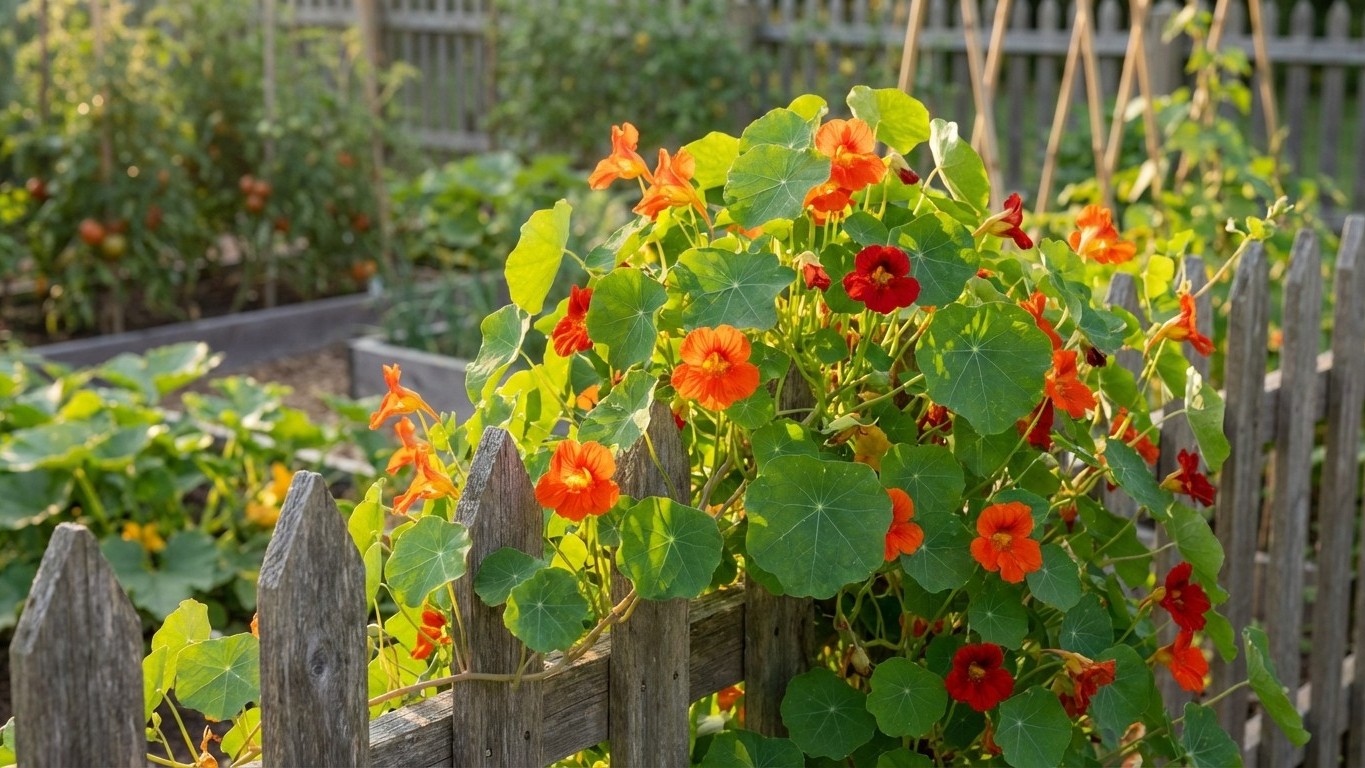
La capucine au potager : pourquoi elle éloigne les ravageurs

The Secret Vine Old Gardeners Swore By: How Nasturtium Transforms Your Garden Into a Pest-Free Zone

Old-time gardeners knew a secret that modern gardeners often overlook: nasturtium vines are nature’s pest management system. By acting as both a repellent and trap crop, these colorful annuals keep aphids, beetles, and other destructive insects away from your prized vegetables—all while requiring almost no care.

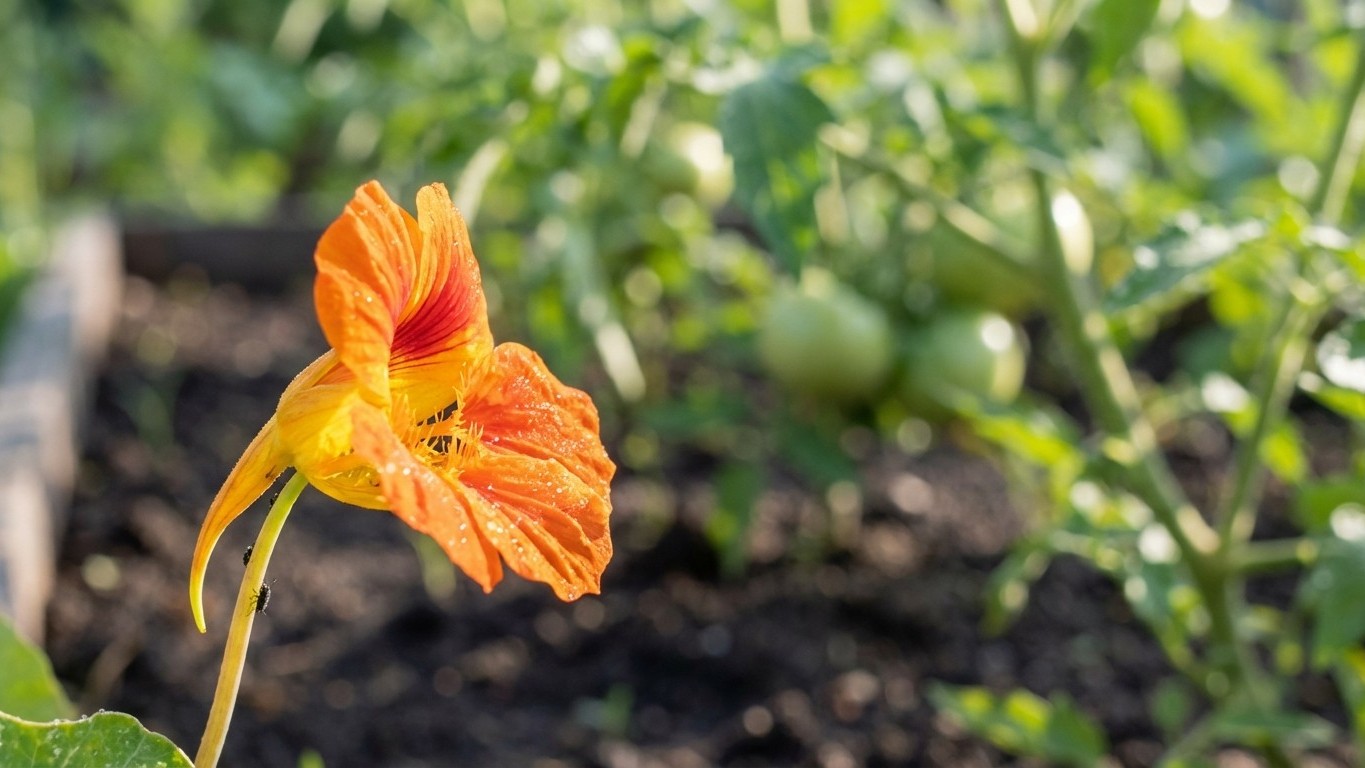
Quelle fleur planter en avril pour éloigner les pucerons du potager

Plant This One Flower in April to Banish Aphids From Your Vegetable Garden

Nasturtiums are nature’s aphid trap crop, luring hungry insects away from your vegetables while attracting beneficial predators. Planting them along garden borders in April creates an ecological pest management system that requires minimal effort but delivers maximum protection.