« I thought it was just the heat »: why lavender turning yellow at the end of July is a warning you should never ignore
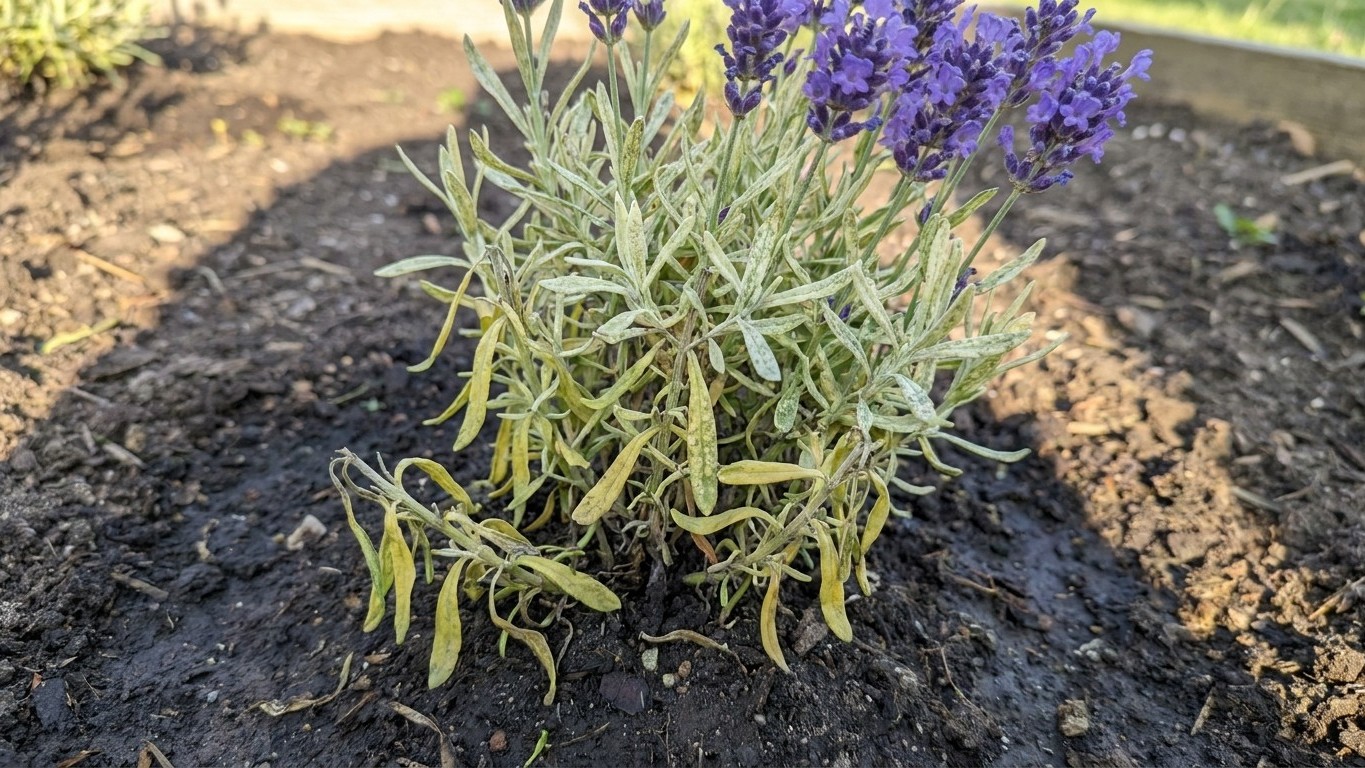
« I thought it was just the heat »: why lavender turning yellow at the end of July is a warning you should never ignore

That sickly yellow lavender bed in late July isn’t suffering from heat—it’s drowning. Root rot develops silently underground in just 2–3 weeks of overwatering, and by the time yellow leaves appear, the damage is already underway. A five-minute root check can save your entire garden.
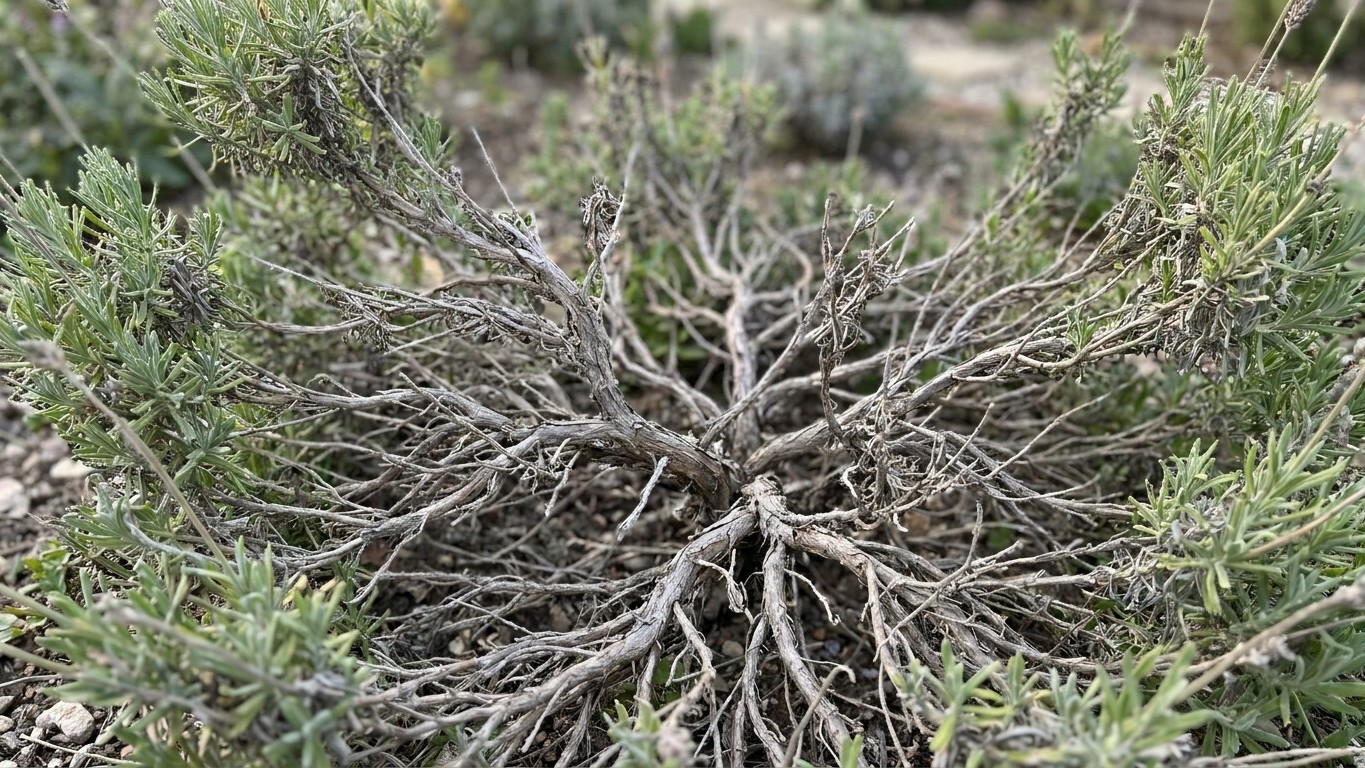
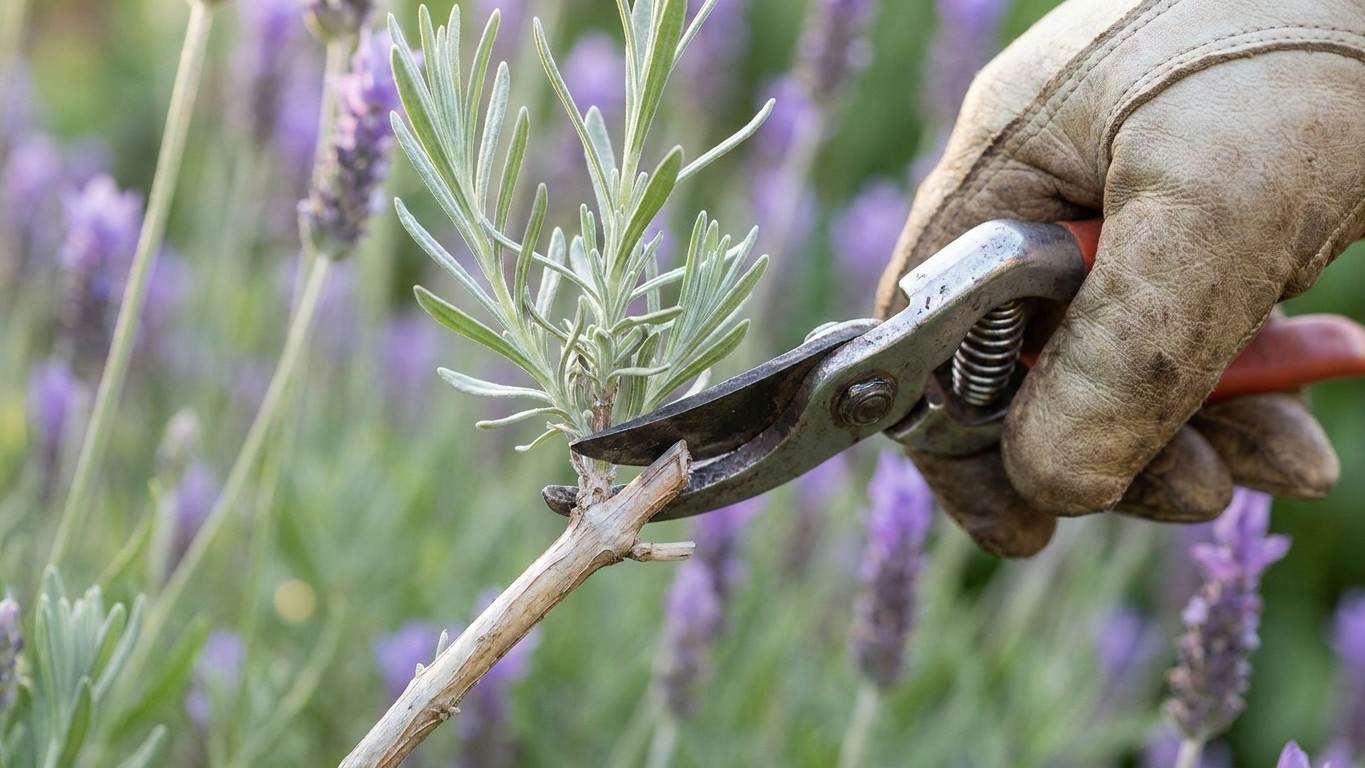
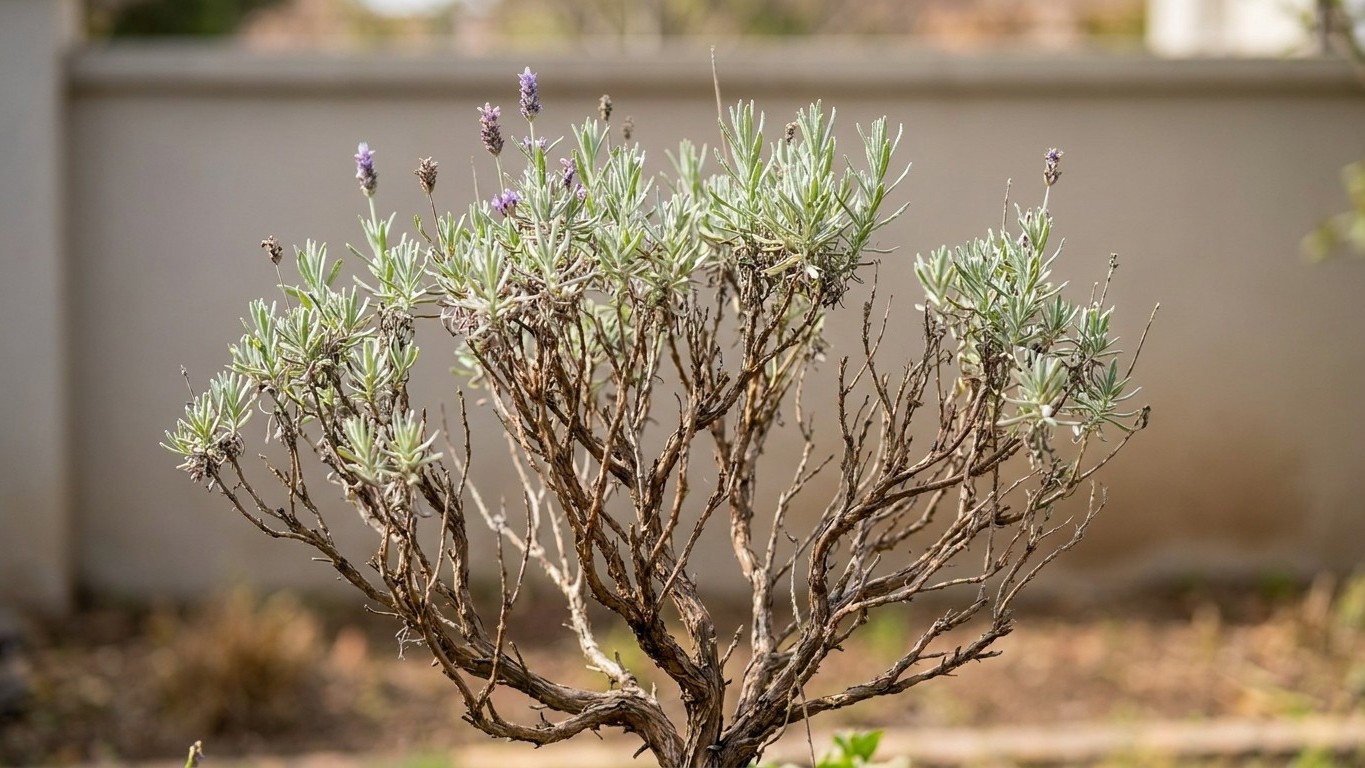
I never pruned my lavender after flowering to let it grow freely: the day I looked at the bare center, it was too late

I never pruned my lavender after flowering to let it grow freely: the day I looked at the bare center, it was too late

Skip the post-bloom prune and your lavender slowly cannibalizes itself, retreating into bare wood that can’t grow back. One gardener’s shock discovery reveals why timing and depth matter more than most realize—and why cutting into the brown zone is irreversible.

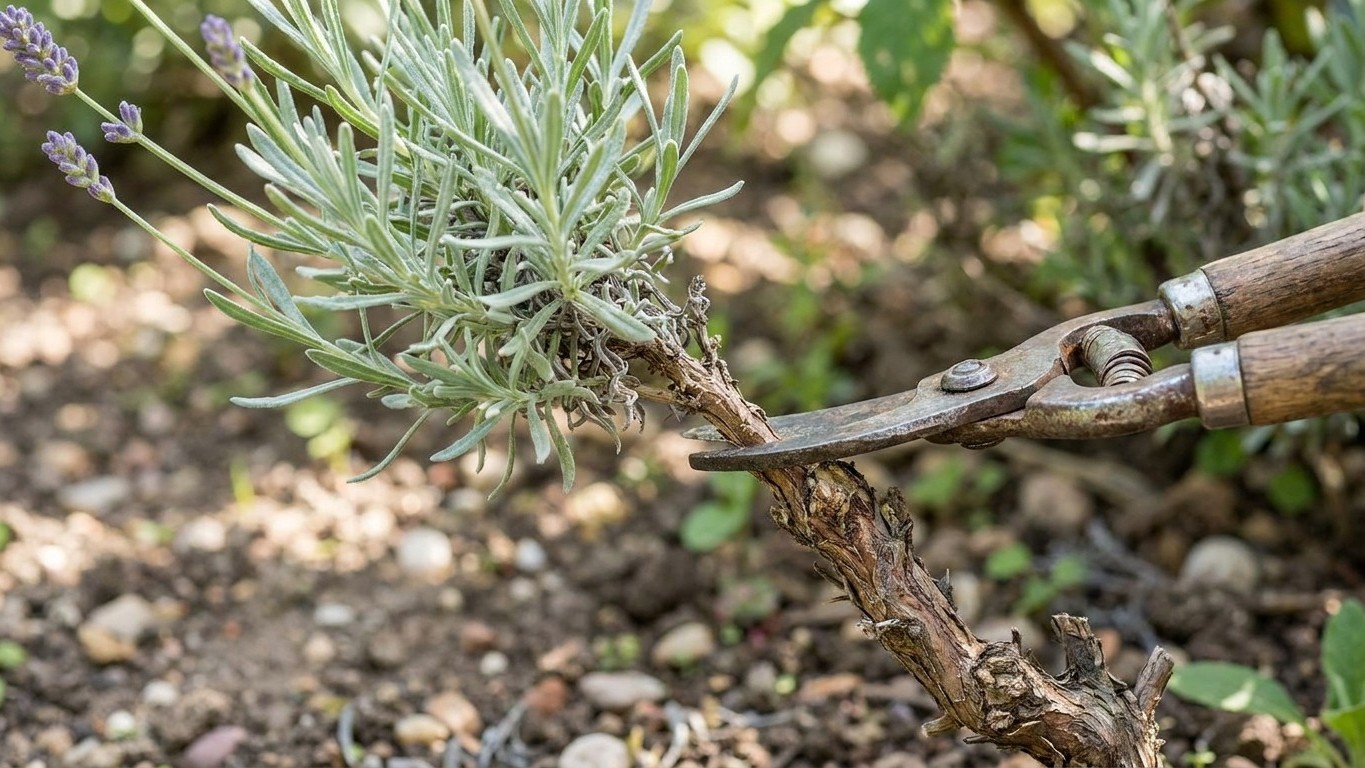
My father always stopped his shears at the green part of the lavender: I laughed for years before understanding why he was right

My father always stopped his shears at the green part of the lavender: I laughed for years before understanding why he was...

A father’s simple habit of stopping his pruning shears at the green part of the lavender held a profound horticultural truth: lavender can’t regrow from old wood. Understanding the science behind this practice reveals why proper timing and technique are everything.

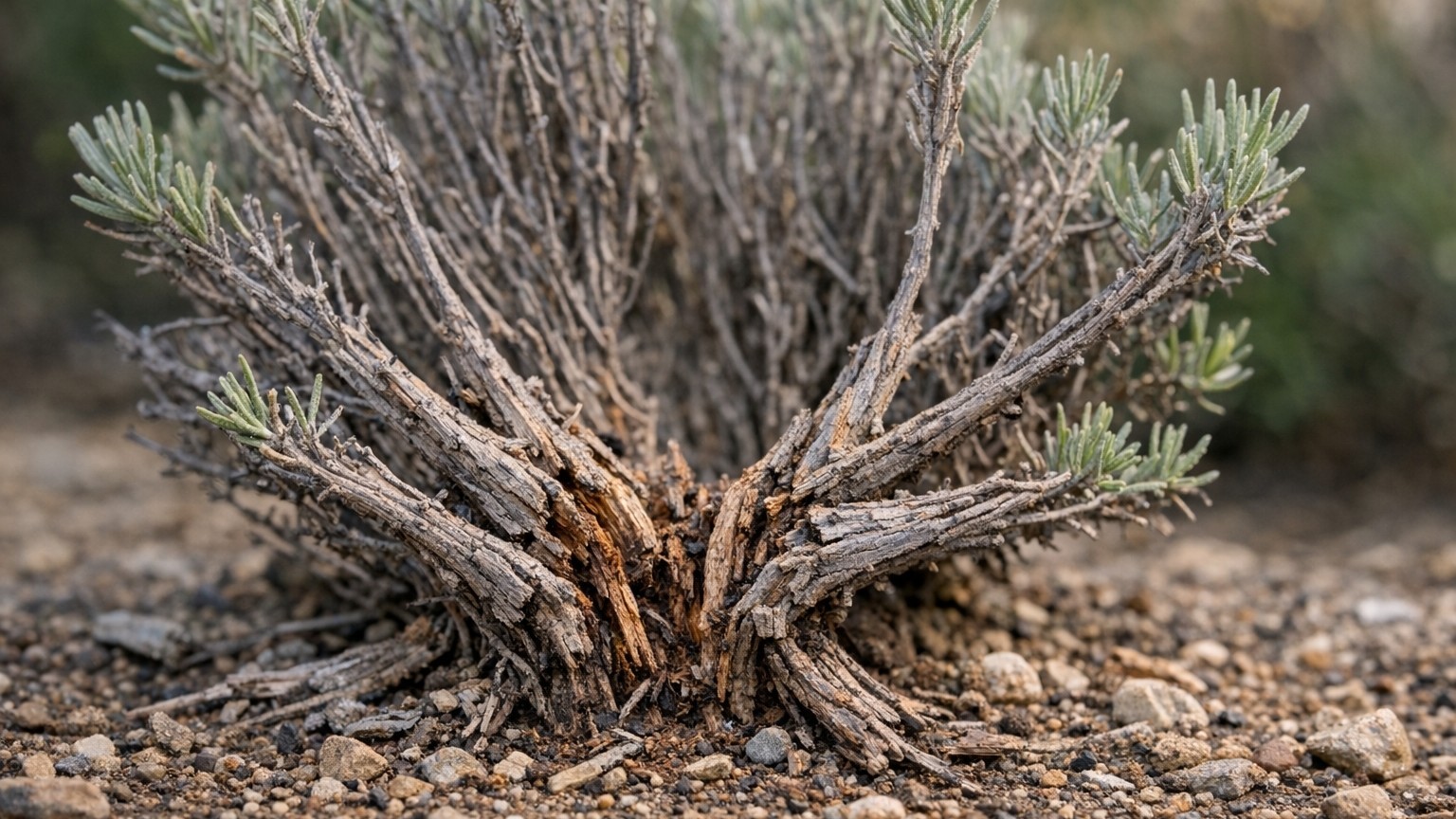
Why Aggressive Lavender Pruning Causes Plants to Split Apart by Summer

Why Aggressive Lavender Pruning Causes Plants to Split Apart by Summer

Lavender rewards confident pruning—but only within strict limits. Cut too deep into the woody base and you’ll likely kill the plant by midsummer. Discover why lavender’s biology makes it fundamentally different from other shrubs, and how professional growers prevent the devastating split.

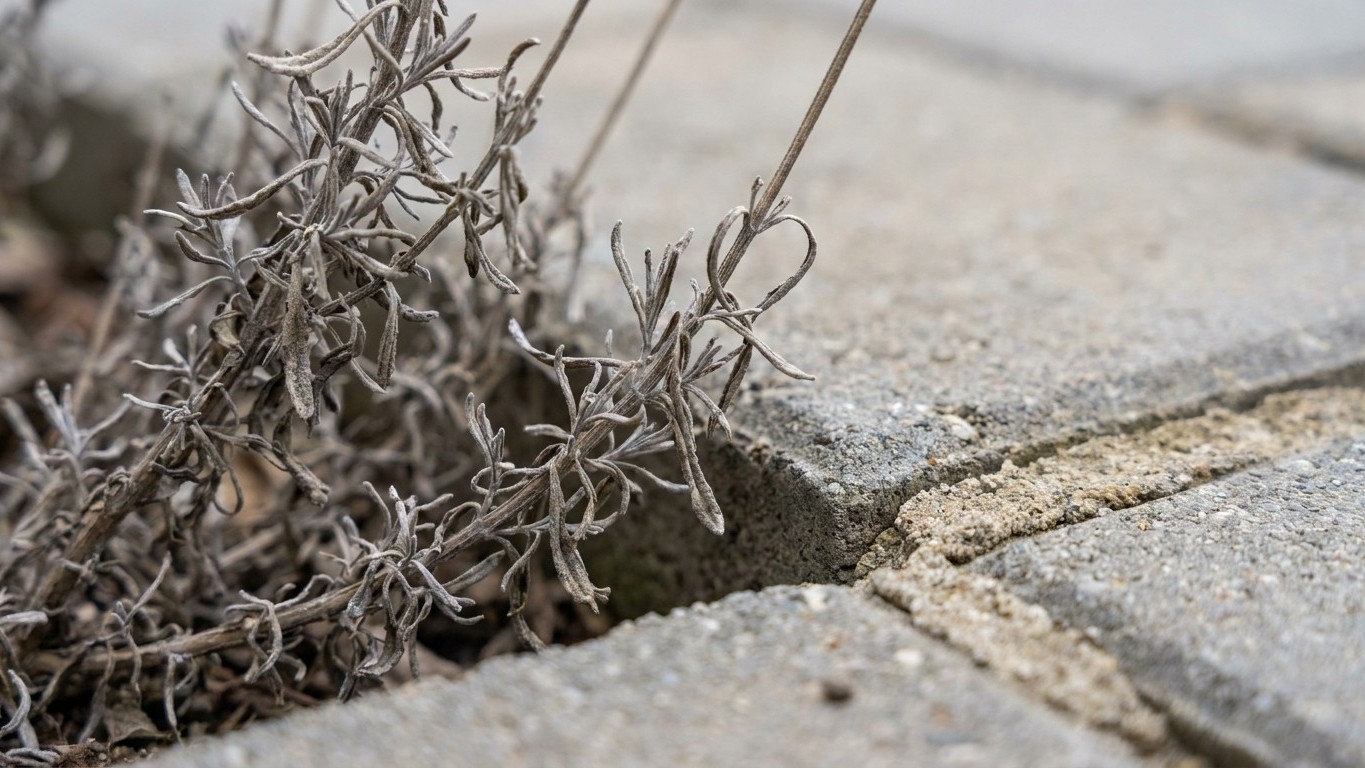
Your Neighbour Was Right: Why Cement Paving Joints Are Killing Your Lavender

Your Neighbour Was Right: Why Cement Paving Joints Are Killing Your Lavender

A perfectly healthy lavender border dies mysteriously over three seasons—not from drought or frost, but from something inches away. The culprit? Cement mortar in paving joints, slowly leaching lime into the soil. Here’s the science behind the damage and how to fix it.

Why Your Lavender Died After Spring Pruning—and How to Never Kill It Again

Why Your Lavender Died After Spring Pruning—and How to Never Kill It Again

Cutting lavender down to bare wood in spring seems logical—until every plant dies by summer. Unlike typical perennials, lavender won’t regrow from old wood, and there’s a critical two-inch margin between thriving and fatal pruning mistakes.

Why Your Lavender Dies After Hard Pruning — And How to Prune It Right

Why Your Lavender Dies After Hard Pruning — And How to Prune It Right

Lavender stems can’t regenerate from hardened wood—only green tissue can produce new growth. Pruning in April removes the very growth the plant spent winter preparing, almost guaranteeing failure. Master the two critical pruning windows and the one-third rule to keep your lavender lush and blooming.