
I dotted two marigolds at the end of each tomato row just to keep the soil clean: when I lifted the first roots in autumn, it was already too late
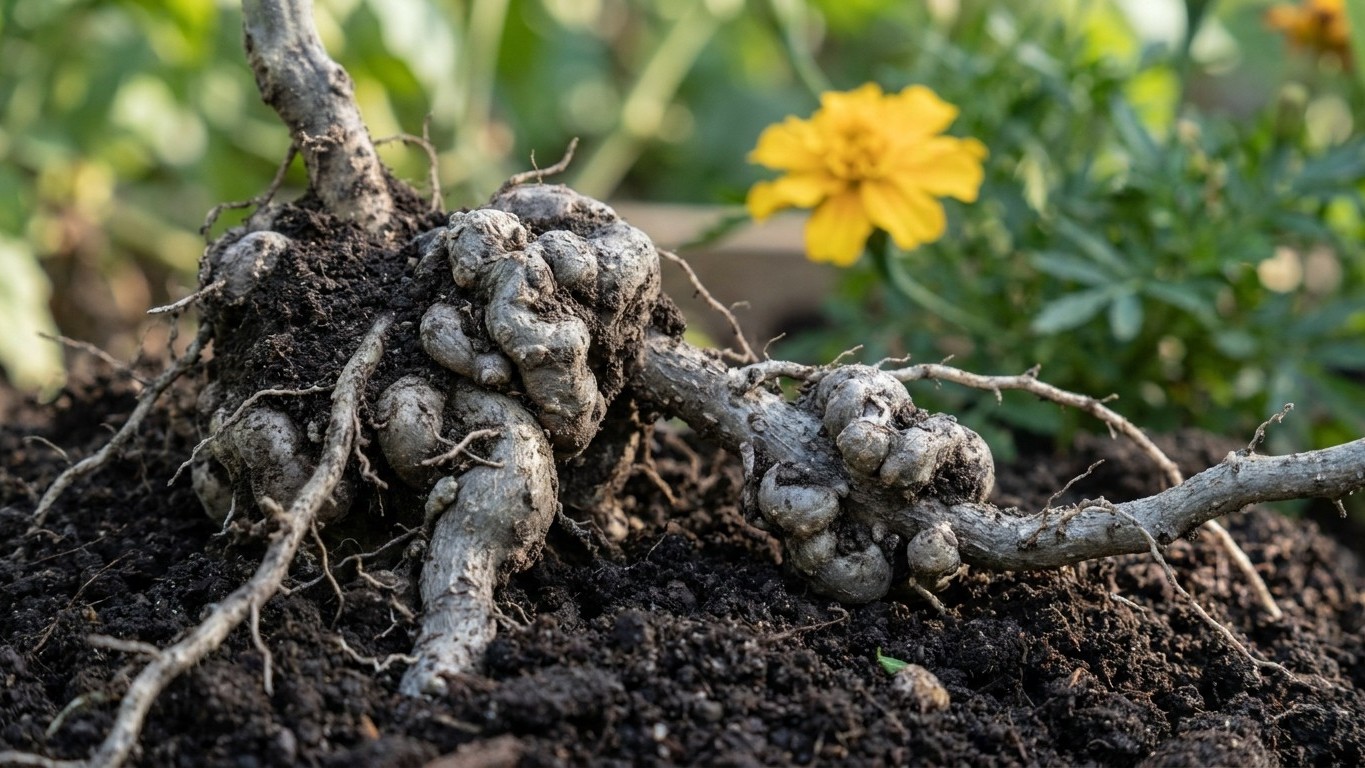
I dotted two marigolds at the end of each tomato row just to keep the soil clean: when I lifted the first roots in autumn,...

Two marigolds planted at the end of a tomato row look decorative but do nothing to stop root-knot nematodes from destroying roots underground. This widespread gardening advice fails because most gardeners plant marigolds as ornaments rather than following the science—requiring dense coverage and precise timing to work.
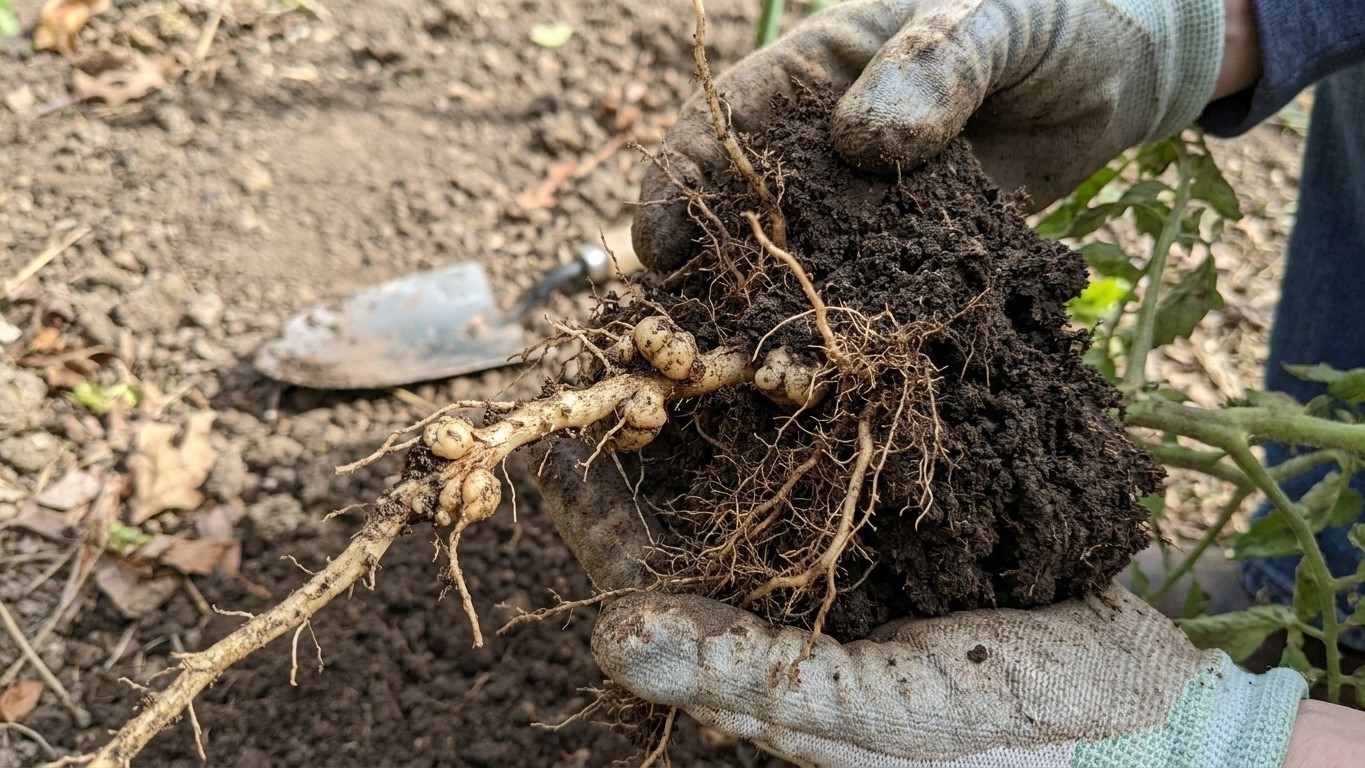
I pulled up my struggling tomato plants to check the soil: when I saw what had colonized the ground beneath them, it was too late

I pulled up my struggling tomato plants to check the soil: when I saw what had colonized the ground beneath them, it was t...

When your tomato plants wilt despite adequate water and care, the culprit may be hiding underground in the form of microscopic parasitic worms. Root-knot nematodes have already caused billions in global crop losses, and they’re likely in your garden bed right now. Understanding what creates these galls and how to stop them means the difference between a failed season and a thriving harvest.