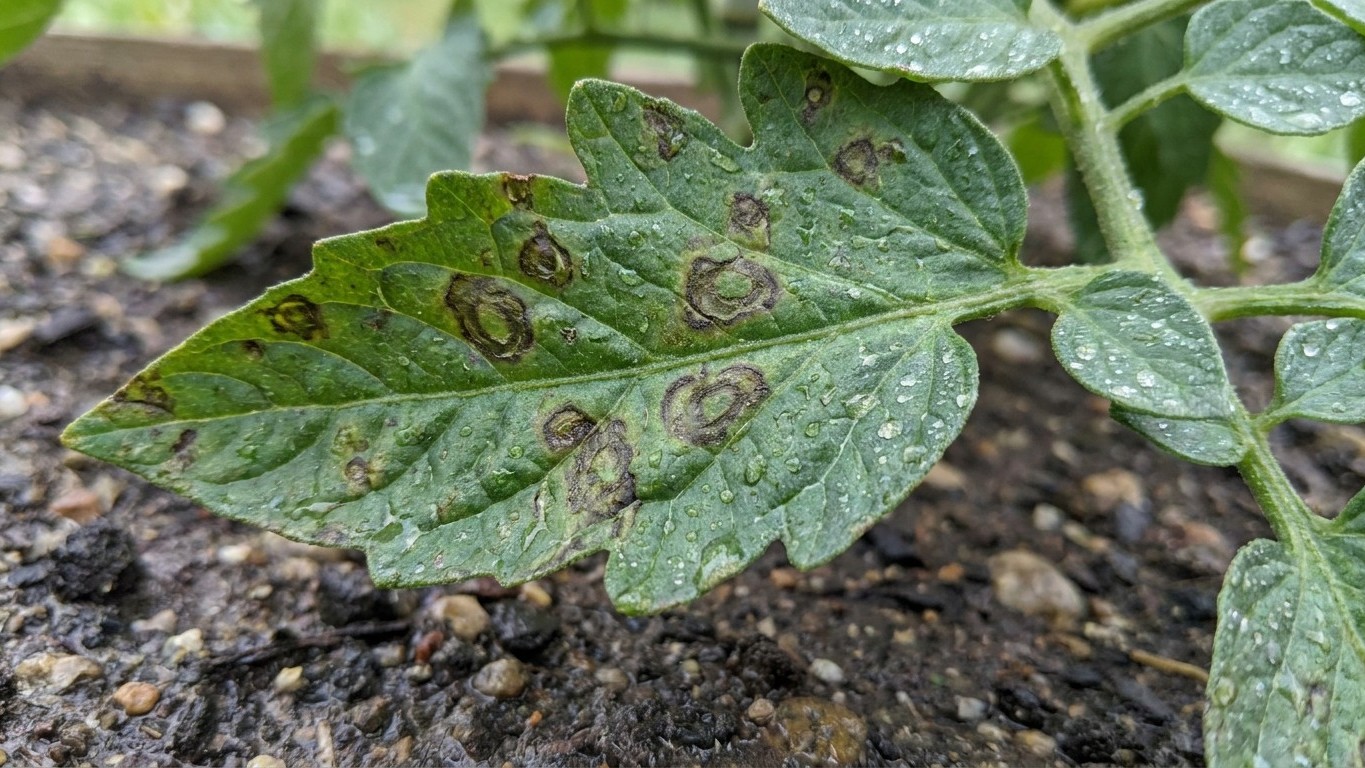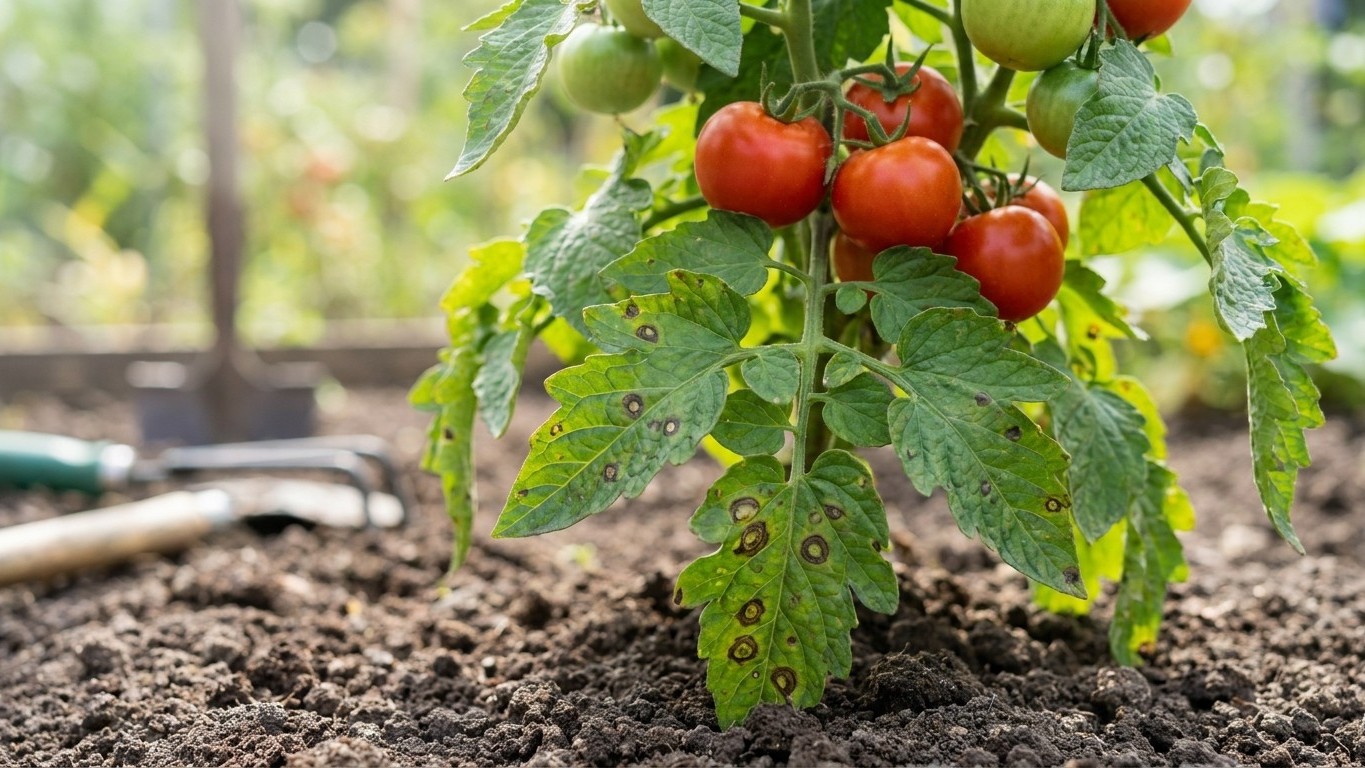
I put last year’s tomato stakes back in the ground to save a few euros: three weeks after the first watering, I saw what had come back up onto the lowest leaves

I put last year's tomato stakes back in the ground to save a few euros: three weeks after the first watering, I saw what h...

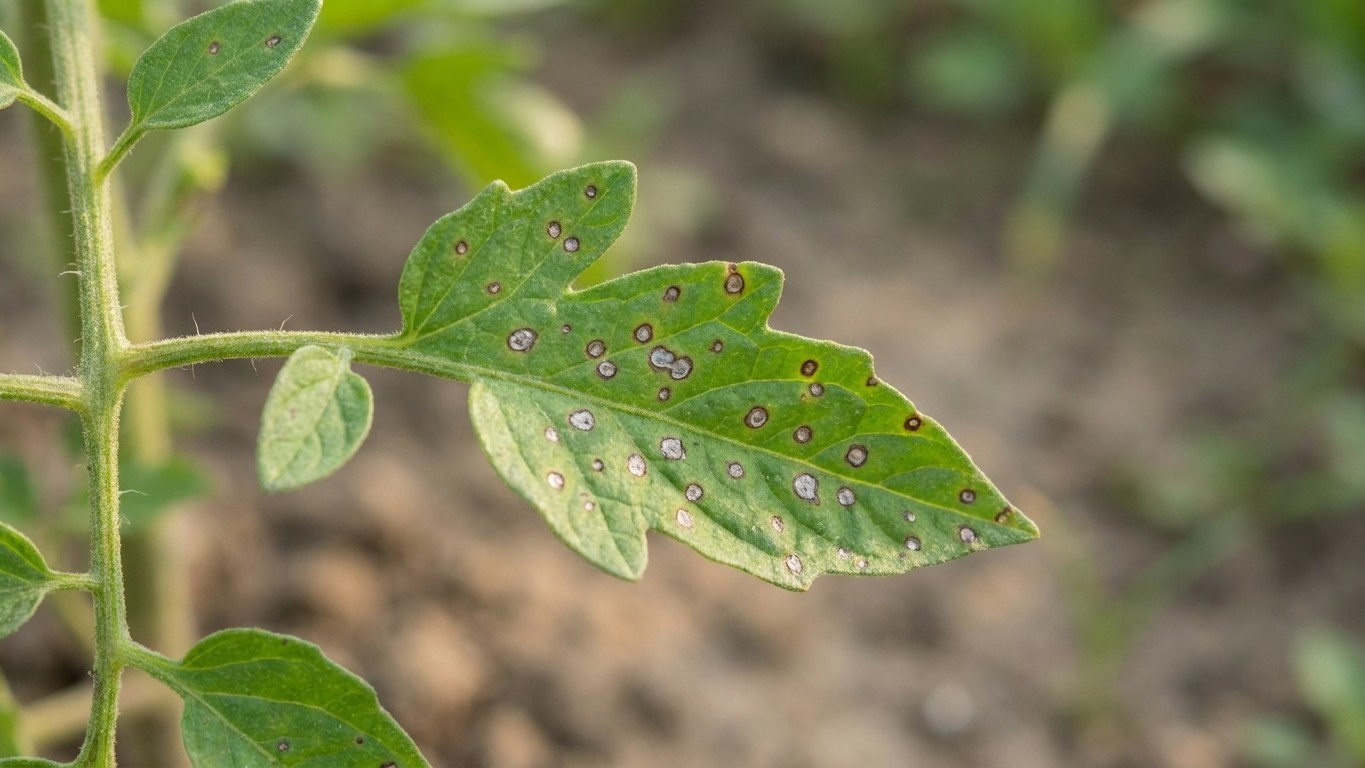
Reusing tomato stakes seems like smart gardening economy—until fungal spores dormant in the porous wood wake up with spring watering. Within three weeks, early blight and other diseases can devastate your crop. Learn the simple disinfection method that costs almost nothing.

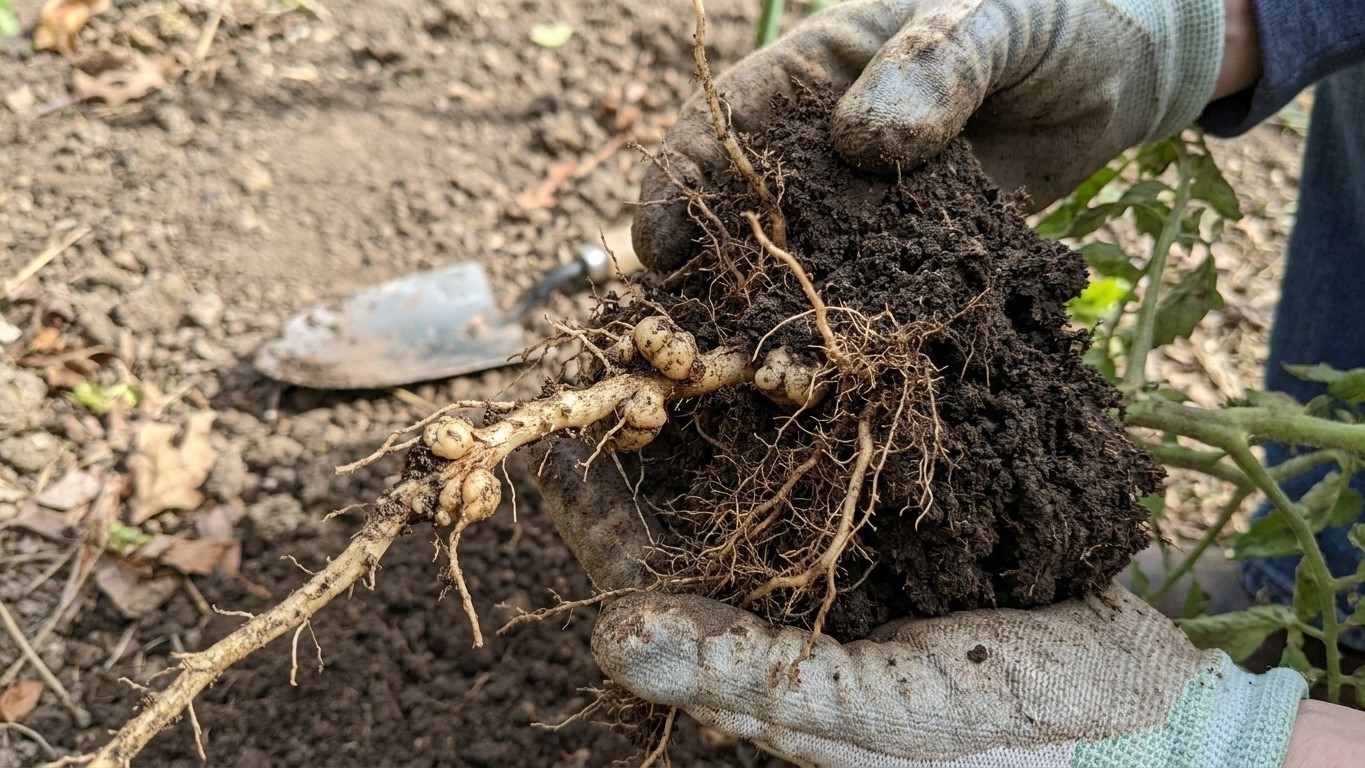
I pulled up my struggling tomato plants to check the soil: when I saw what had colonized the ground beneath them, it was too late

I pulled up my struggling tomato plants to check the soil: when I saw what had colonized the ground beneath them, it was t...

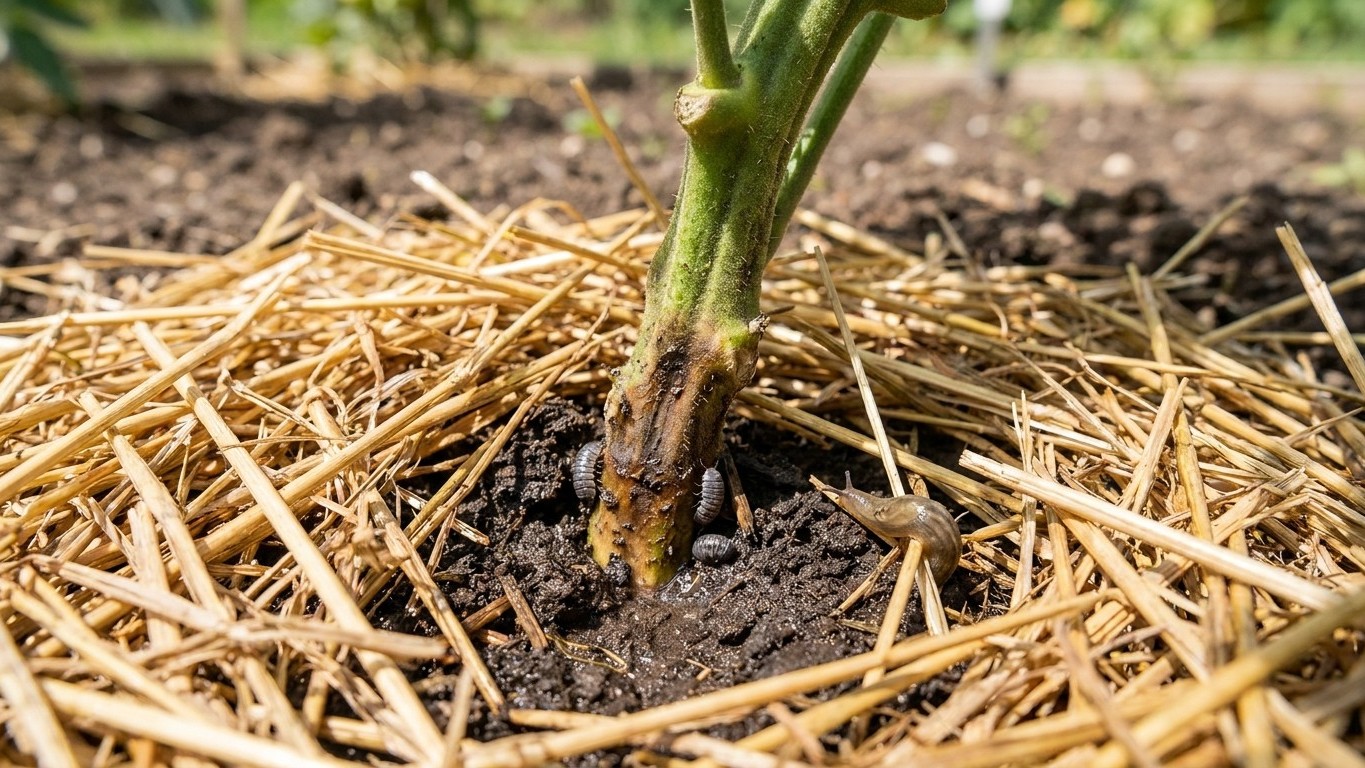
When your tomato plants wilt despite adequate water and care, the culprit may be hiding underground in the form of microscopic parasitic worms. Root-knot nematodes have already caused billions in global crop losses, and they’re likely in your garden bed right now. Understanding what creates these galls and how to stop them means the difference between a failed season and a thriving harvest.

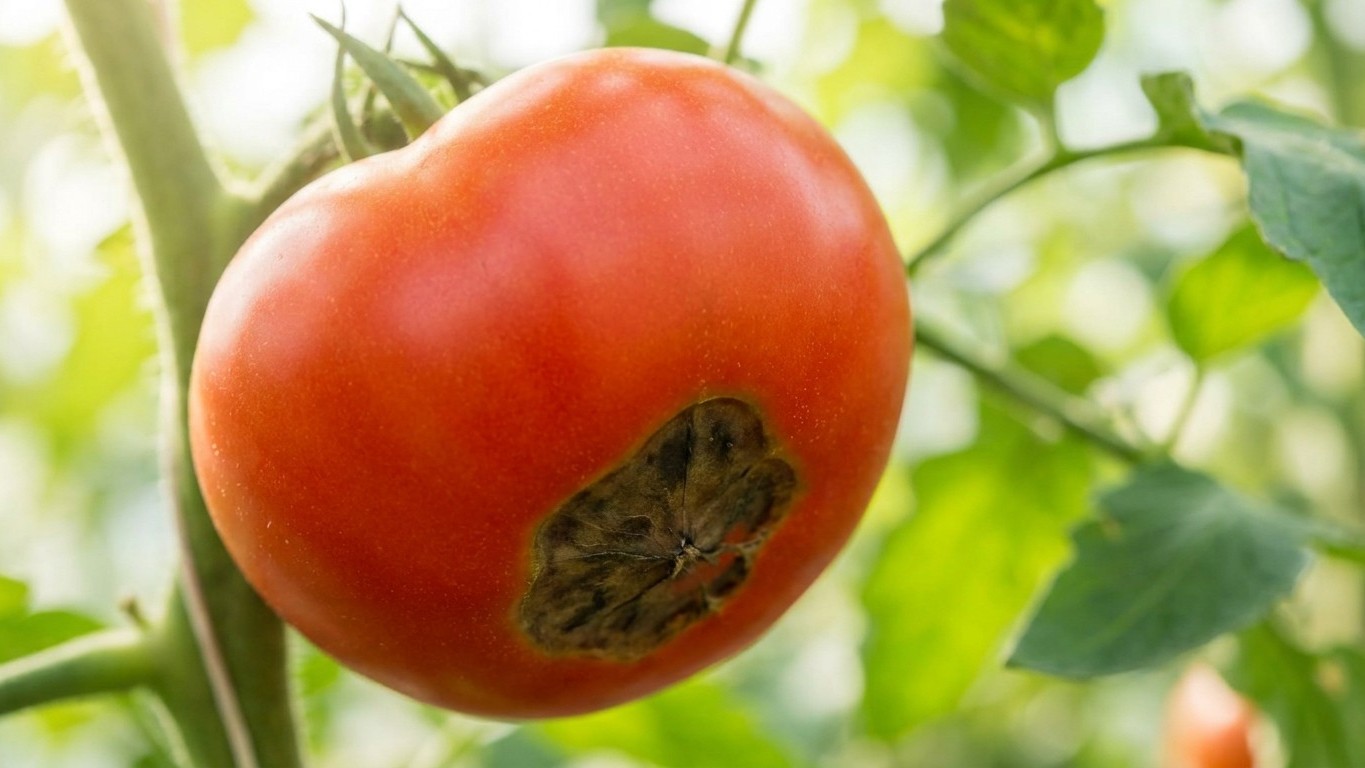
I sprayed fungicide on my tomatoes with black bottoms for weeks: a gardener showed me I wasn’t treating the right problem at all

I sprayed fungicide on my tomatoes with black bottoms for weeks: a gardener showed me I wasn't treating the right problem ...

Weeks of fungicide applications won’t stop black spots on tomato bottoms because you’re treating the wrong problem entirely. A gardener’s revelation exposes blossom-end rot as a calcium and water management issue, not a disease—and the fix is simpler than you think.

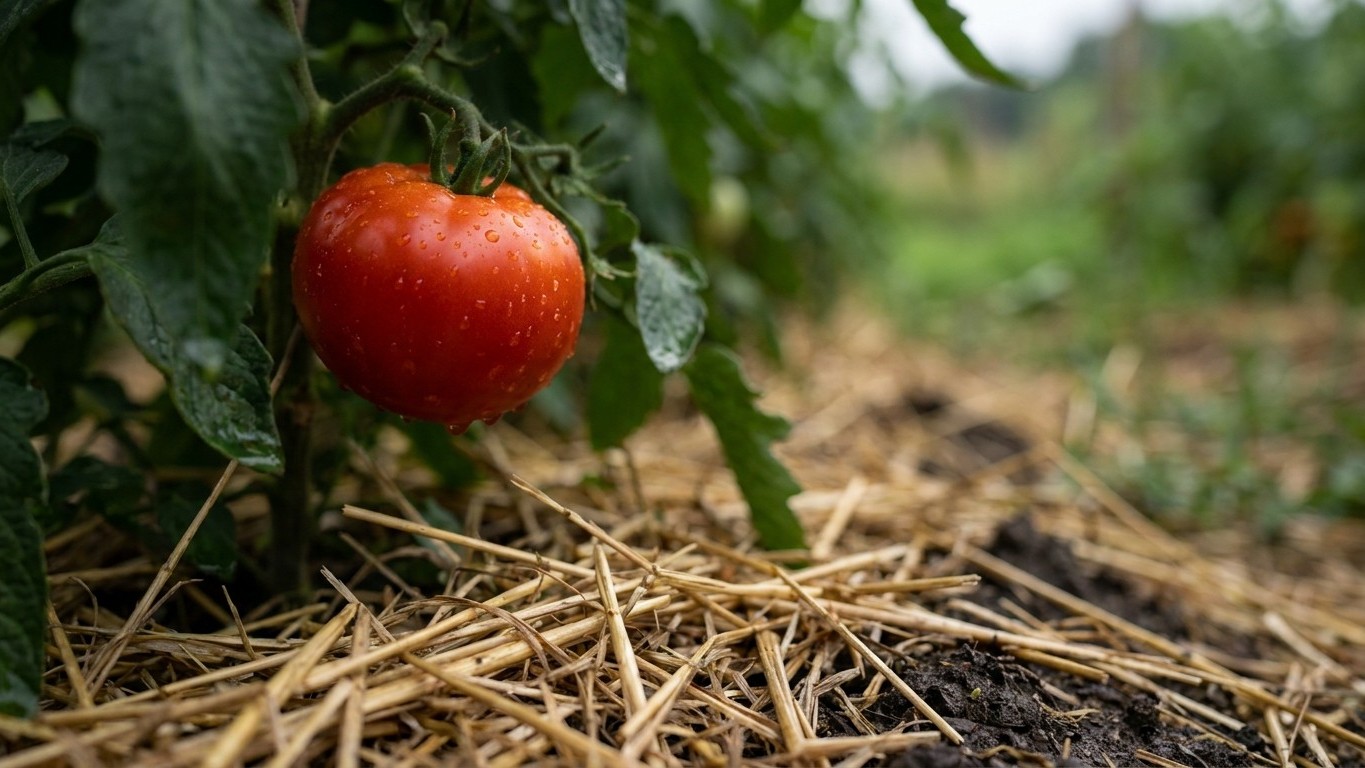
I spread a simple layer of mulch around my tomato plants just to keep weeds down: since then, not a single fruit has split after a storm

I spread a simple layer of mulch around my tomato plants just to keep weeds down: since then, not a single fruit has split...

A backyard gardener discovered that spreading mulch around tomato plants eliminated fruit splitting after storms. The secret isn’t luck—it’s about stabilizing soil moisture between rainfall. Here’s why this simple fix works and how to do it right.

My grandfather always watered his tomatoes at the exact same time every evening: I thought it was an old man’s habit until my own harvest turned black underneath

My grandfather always watered his tomatoes at the exact same time every evening: I thought it was an old man's habit until...

Your grandfather’s rigid evening watering schedule wasn’t stubbornness—it was a precisely timed defense against fungal diseases that can obliterate a tomato crop in days. When one gardener ignored this wisdom, their harvest turned black. Here’s the science he discovered too late, and how to fix it.

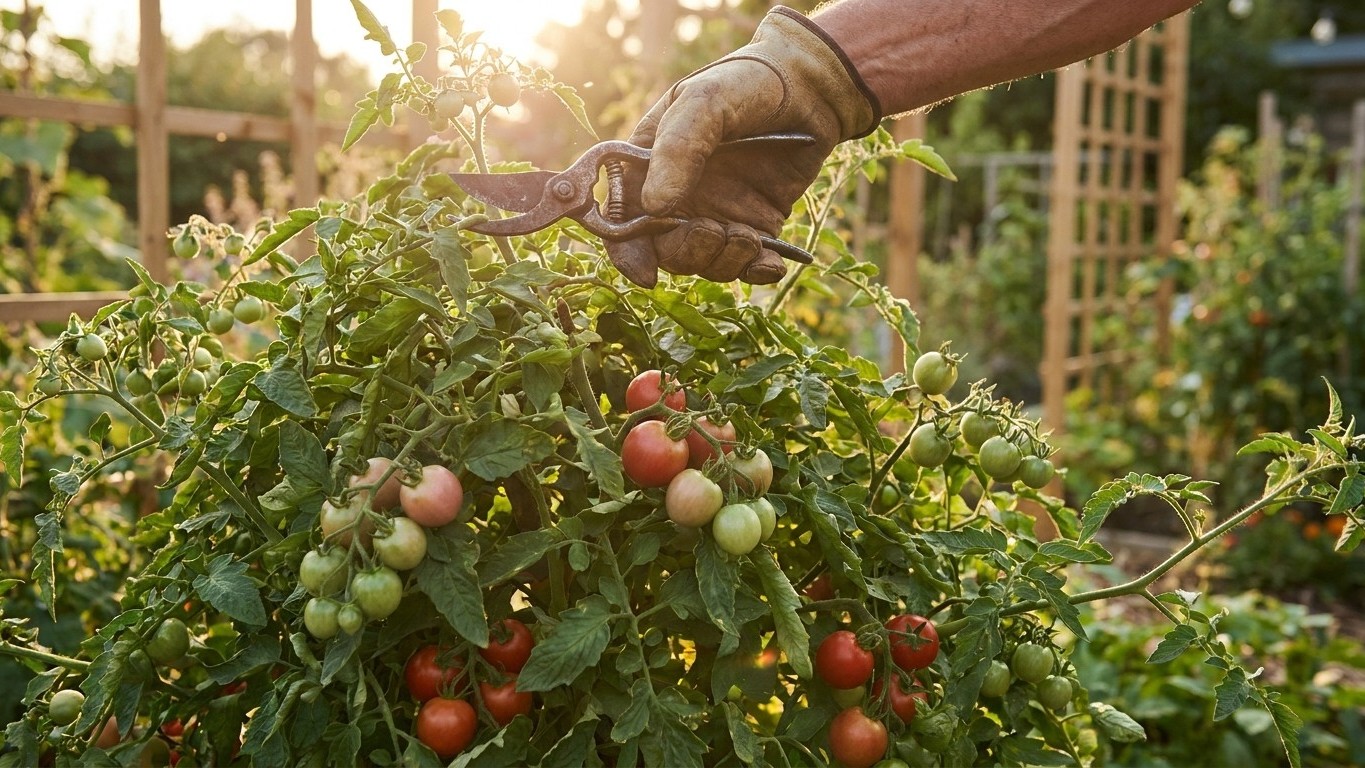
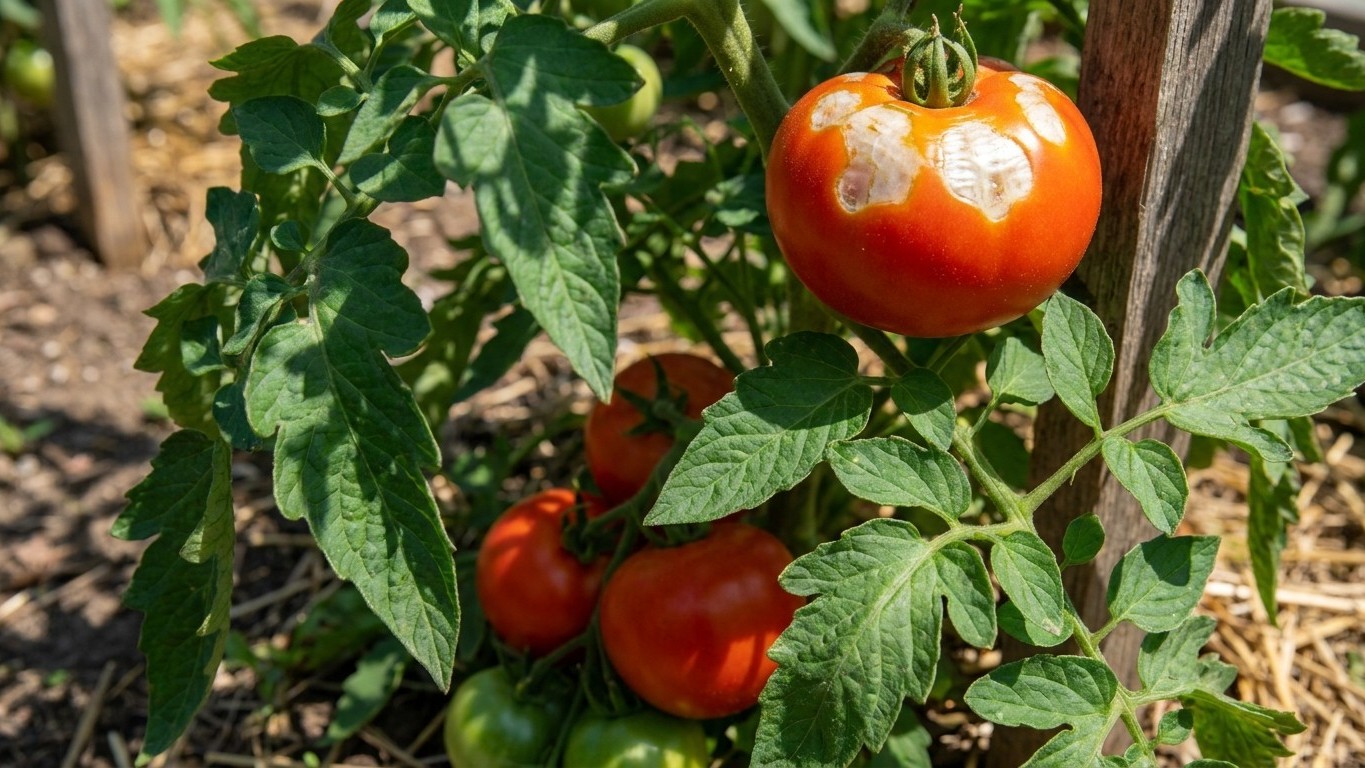
We all insist on removing tomato leaves in summer: this one-second reflex during a heatwave leaves the fruit permanently scarred

We all insist on removing tomato leaves in summer: this one-second reflex during a heatwave leaves the fruit permanently s...

That quick summer pruning habit is quietly destroying your tomato harvest. Stripping protective foliage during a heat wave exposes fruit to intense sun, causing sunscald—permanent white, leathery scars that can’t be undone. Discover the timing mistake most gardeners make and how to shield your plants without letting them turn into jungles.

Why Your Tomato Flowers Drop in Heat: It’s Not Your Watering, It’s the Pollen

Why Your Tomato Flowers Drop in Heat: It's Not Your Watering, It's the Pollen

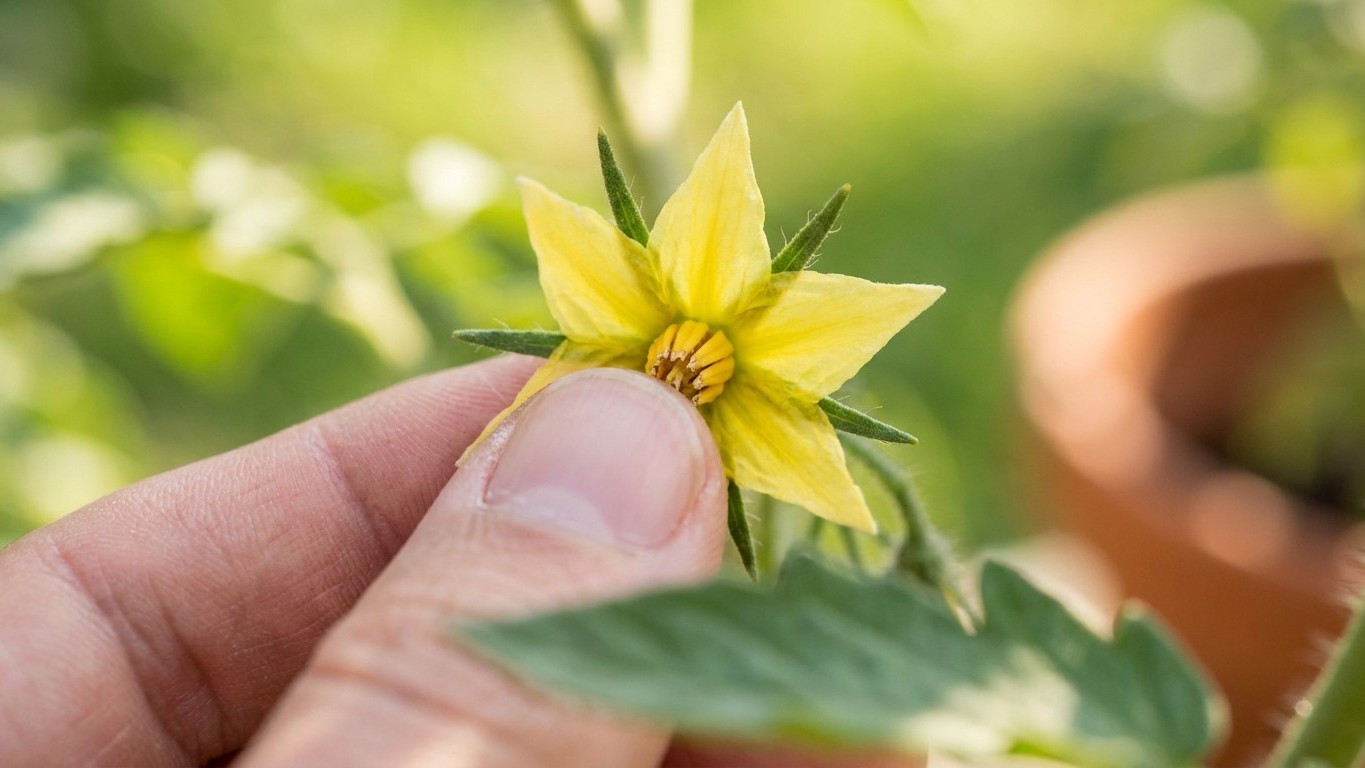
You’ve done everything right—drip irrigation, mulch, fertilizer—yet your tomato flowers still drop without setting fruit when temperatures soar. The culprit isn’t drought stress or poor care; it’s pollen death at 95°F. Here’s what actually works to keep tomatoes producing through the heat.

How Evening Watering Nearly Killed My Tomatoes: What I Learned When the Heatwave Hit

How Evening Watering Nearly Killed My Tomatoes: What I Learned When the Heatwave Hit

A seemingly helpful evening watering routine slowly suffocated my tomato roots, leaving them unable to cope when temperatures soared to 95°C. What I thought was a hydration crisis was actually a root system compromised by weeks of oxygen deprivation in soggy soil. Here’s what horticulturalists actually recommend.

Why Burying Eggshells Never Stopped Blossom End Rot: A Nursery Grower’s Calcium Transport Lesson

Why Burying Eggshells Never Stopped Blossom End Rot: A Nursery Grower's Calcium Transport Lesson

For years, gardeners have buried eggshells under tomatoes believing they prevent blossom end rot. But a nursery grower’s explanation reveals the truth: it was never about calcium supply—it’s about whether plants can transport it. Inconsistent watering, excess nitrogen, and salt buildup are the real saboteurs.