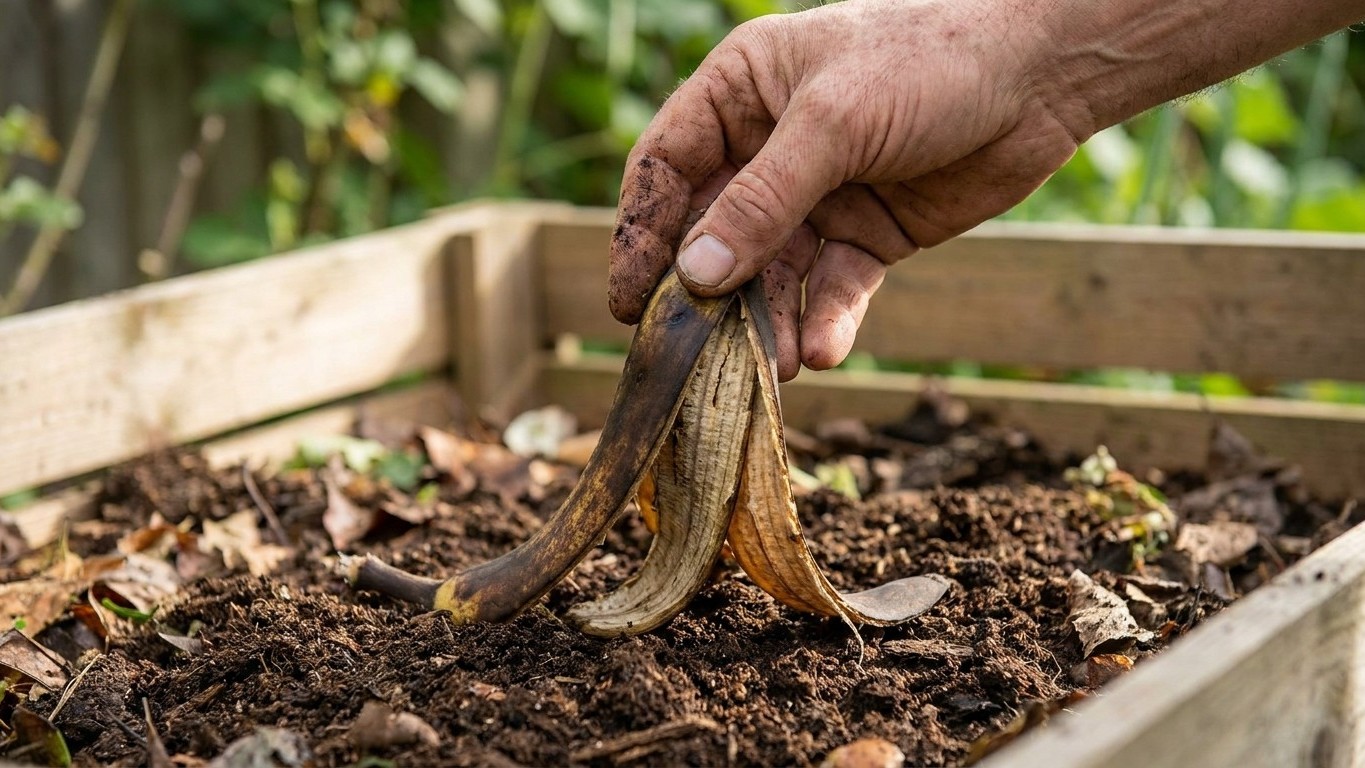
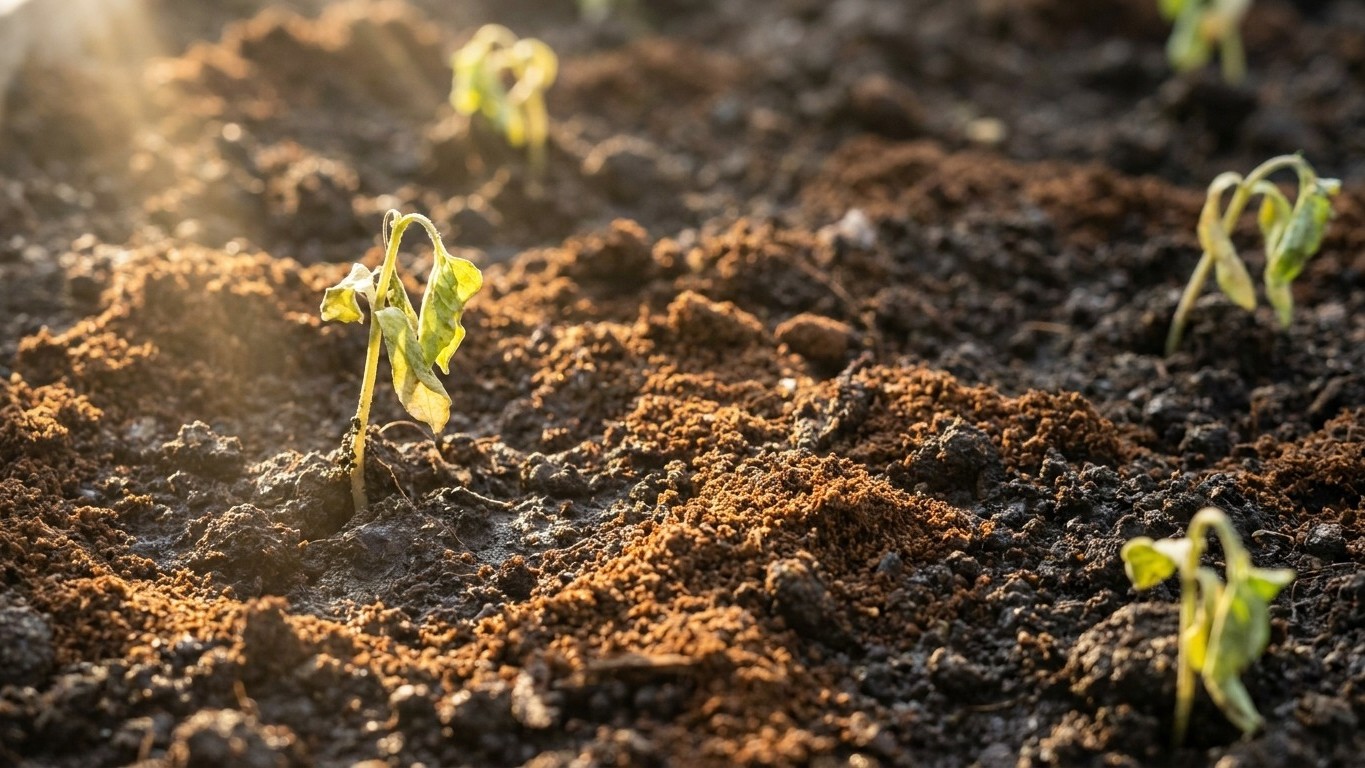
I buried banana peels at the foot of my roses to feed them: when I dug the soil back up a month later, I understood what I had really attracted

I buried banana peels at the foot of my roses to feed them: when I dug the soil back up a month later, I understood what I...

A gardener tests the viral trend of burying banana peels under roses and uncovers an ant colony instead of thriving blooms. What looked like free, easy fertilizer turned out to be a lesson in garden folklore—and how to properly feed roses with what actually works.

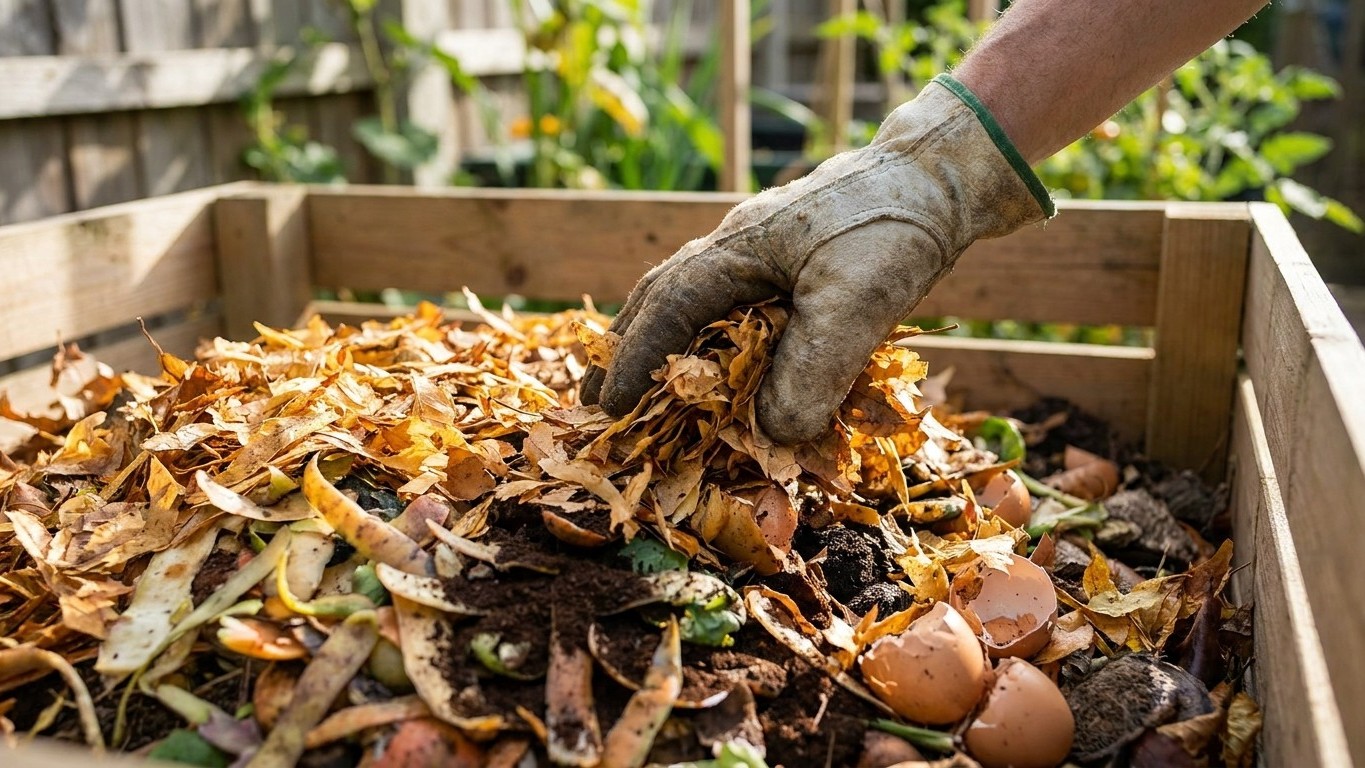
I tipped a bucket of shredded leaves over my compost scraps just to stop the smell: since then, not a single fly has landed on the garden table

I tipped a bucket of shredded leaves over my compost scraps just to stop the smell: since then, not a single fly has lande...

A single bucket of shredded leaves eliminated fruit flies from one gardener’s compost pile overnight. The fix isn’t magic—it’s basic compost chemistry that works by balancing nitrogen-rich food scraps with carbon-rich browns, creating conditions where flies can’t breed and odors can’t build.

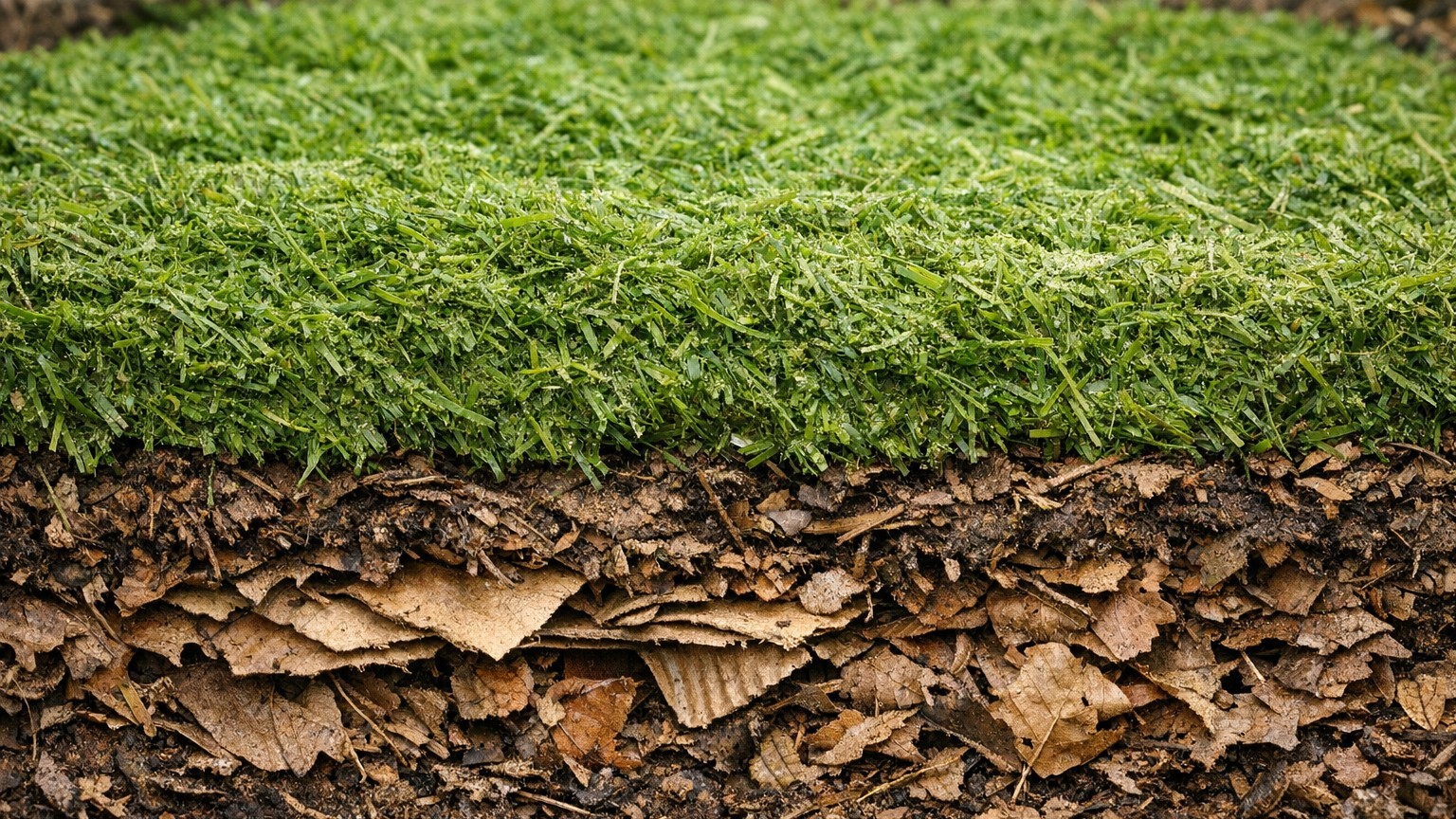
No more compost that stops rotting in August: this damp layer added on top brings the whole bin back to life in a few days

No more compost that stops rotting in August: this damp layer added on top brings the whole bin back to life in a few days

Your compost pile didn’t die in August heat—it just dried out. Discover why pouring water on a crusty pile fails, and learn the professional composters’ secret: a single damp, nitrogen-rich layer that brings your bin back to life in days, not weeks.

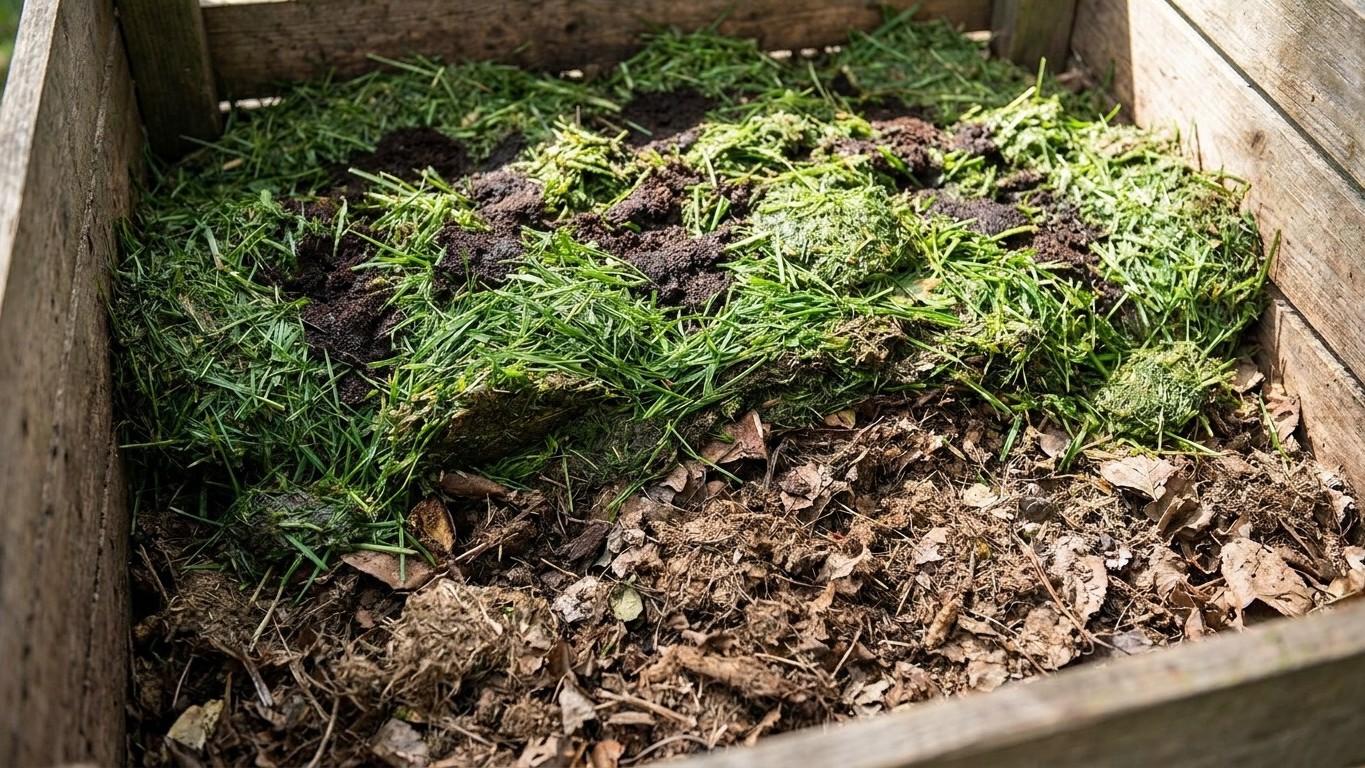
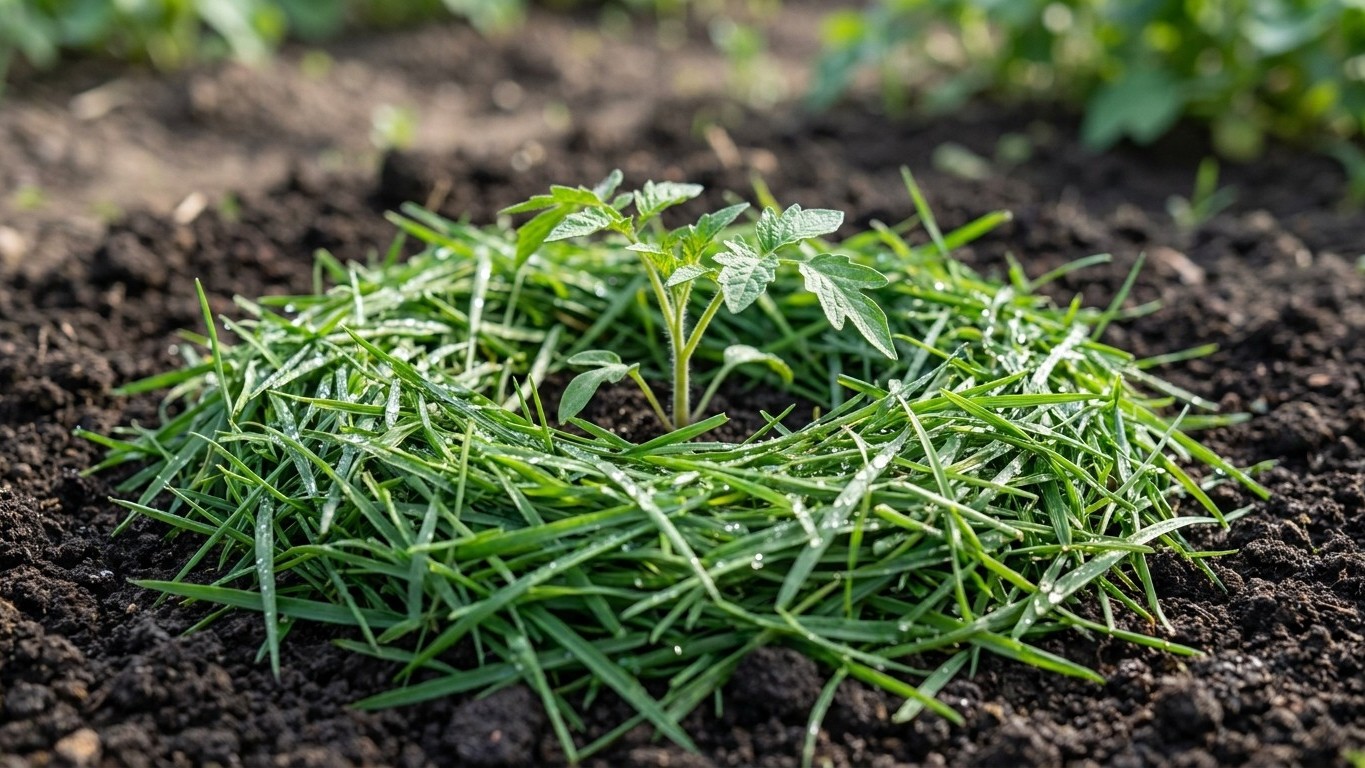
Why Your Compost Pile Reeks of Ammonia: The Grass Clipping Mistake Everyone Makes

Why Your Compost Pile Reeks of Ammonia: The Grass Clipping Mistake Everyone Makes

Fresh grass clippings seem like perfect compost gold—until they mat into an airless, oxygen-starved layer that breeds ammonia instead of nutrients. Learn the simple balance that transforms grass clippings from a problem into finished compost in just weeks.

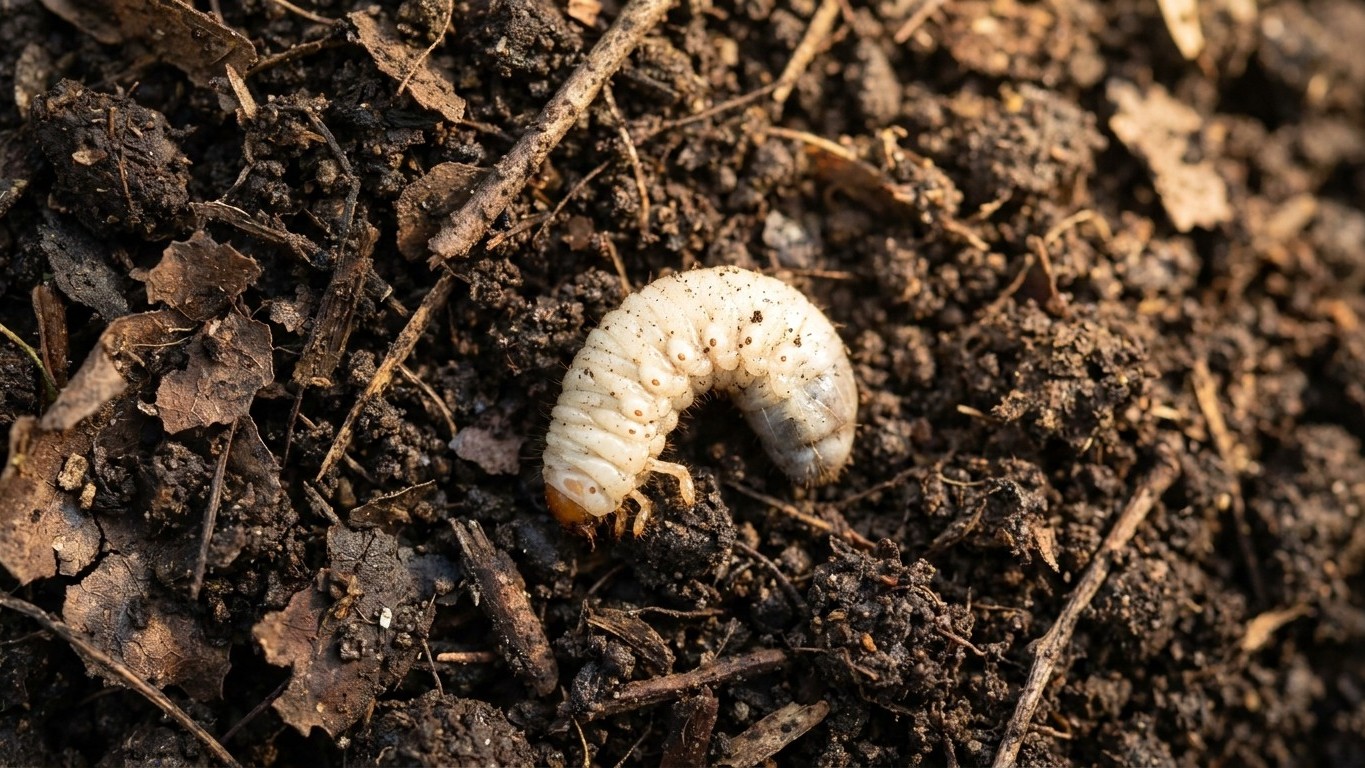
You’ve Been Killing Your Compost’s Best Workers: Here’s What You Missed

You've Been Killing Your Compost's Best Workers: Here's What You Missed

For years, composters have reflexively crushed white grubs without realizing most belong to the black soldier fly—nature’s most efficient waste processor. These larvae consume four times their weight daily, produce nutrient-rich fertilizer, and prevent harmful flies from invading your pile. Flipping one on its back reveals the truth: you’ve been executing your most loyal workers.

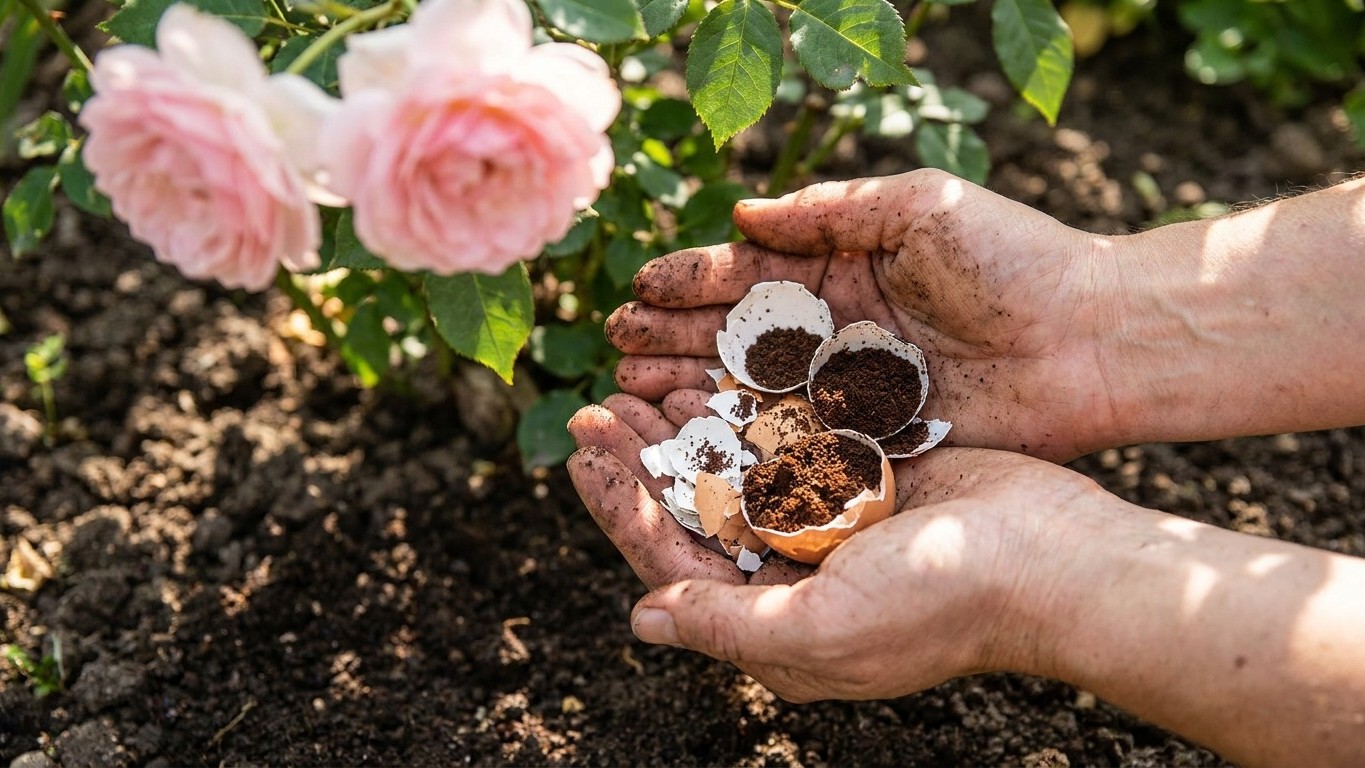
The Kitchen Scrap Secret Your Neighbor Uses to Grow Spectacular Roses Every May

The Kitchen Scrap Secret Your Neighbor Uses to Grow Spectacular Roses Every May

While most of us toss eggshells and coffee grounds in the trash, savvy gardeners are burying them at the base of their roses each May. This simple practice, called trench composting, doesn’t just feed plants—it rebuilds the entire soil ecosystem underneath, turning ordinary dirt into rich, living earth that produces blooms year after year.

Coffee Grounds Are Killing Your Garden: The Caffeine Toxicity Nobody Talks About

Coffee Grounds Are Killing Your Garden: The Caffeine Toxicity Nobody Talks About

That morning ritual of scattering coffee grounds might be sabotaging your garden. The caffeine in spent grounds acts as a natural herbicide that stunts seedling growth, clumps soil into waterproof barriers, and releases toxins alongside nutrients—a cruel package deal that’s ruined countless raised beds.

Stop Killing Your Compost: Why Rhubarb Leaves Are Silently Sabotaging Your Pile

Stop Killing Your Compost: Why Rhubarb Leaves Are Silently Sabotaging Your Pile

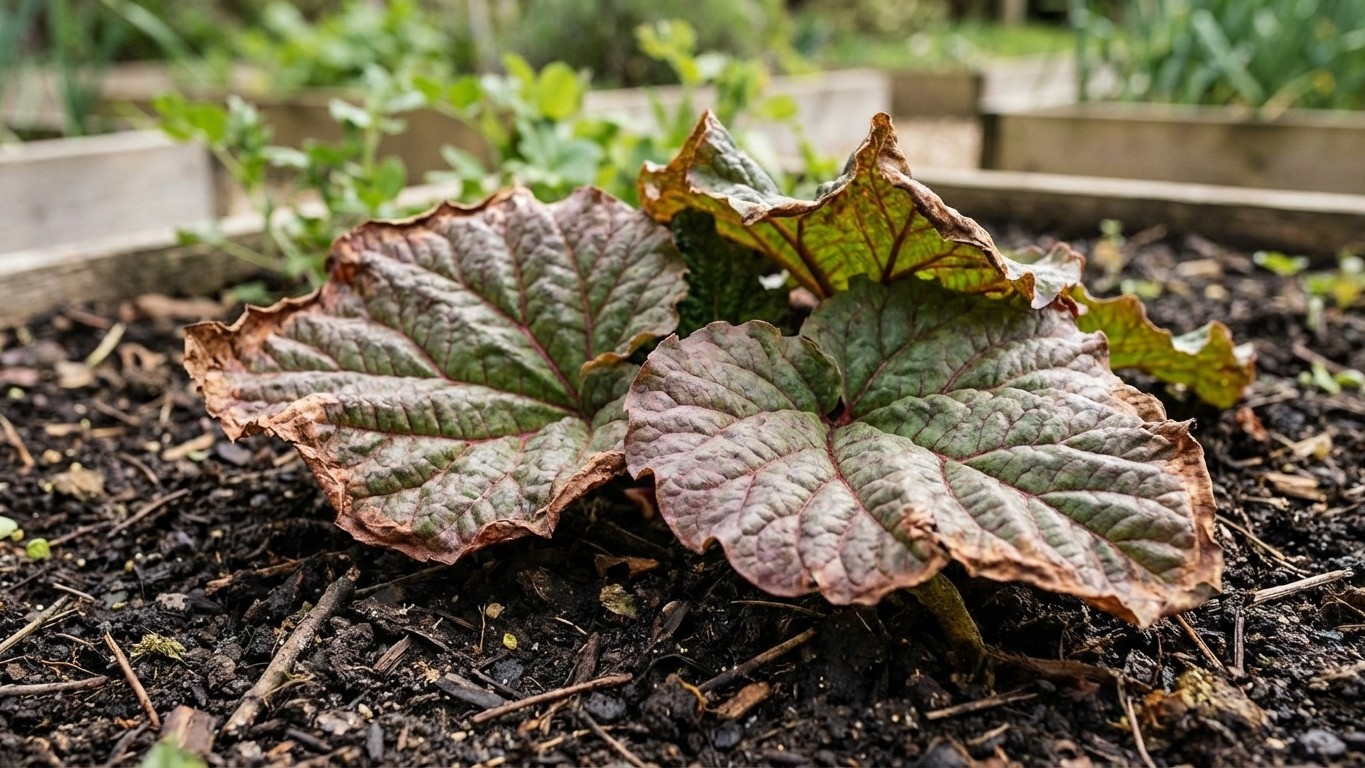
Gardeners unknowingly destroy their compost by tossing rhubarb leaves into their bins. The oxalic acid in these leaves suppresses the microbes that make composting work, creating sluggish piles and half-finished material. Learn the chemistry behind the problem and smarter alternatives.

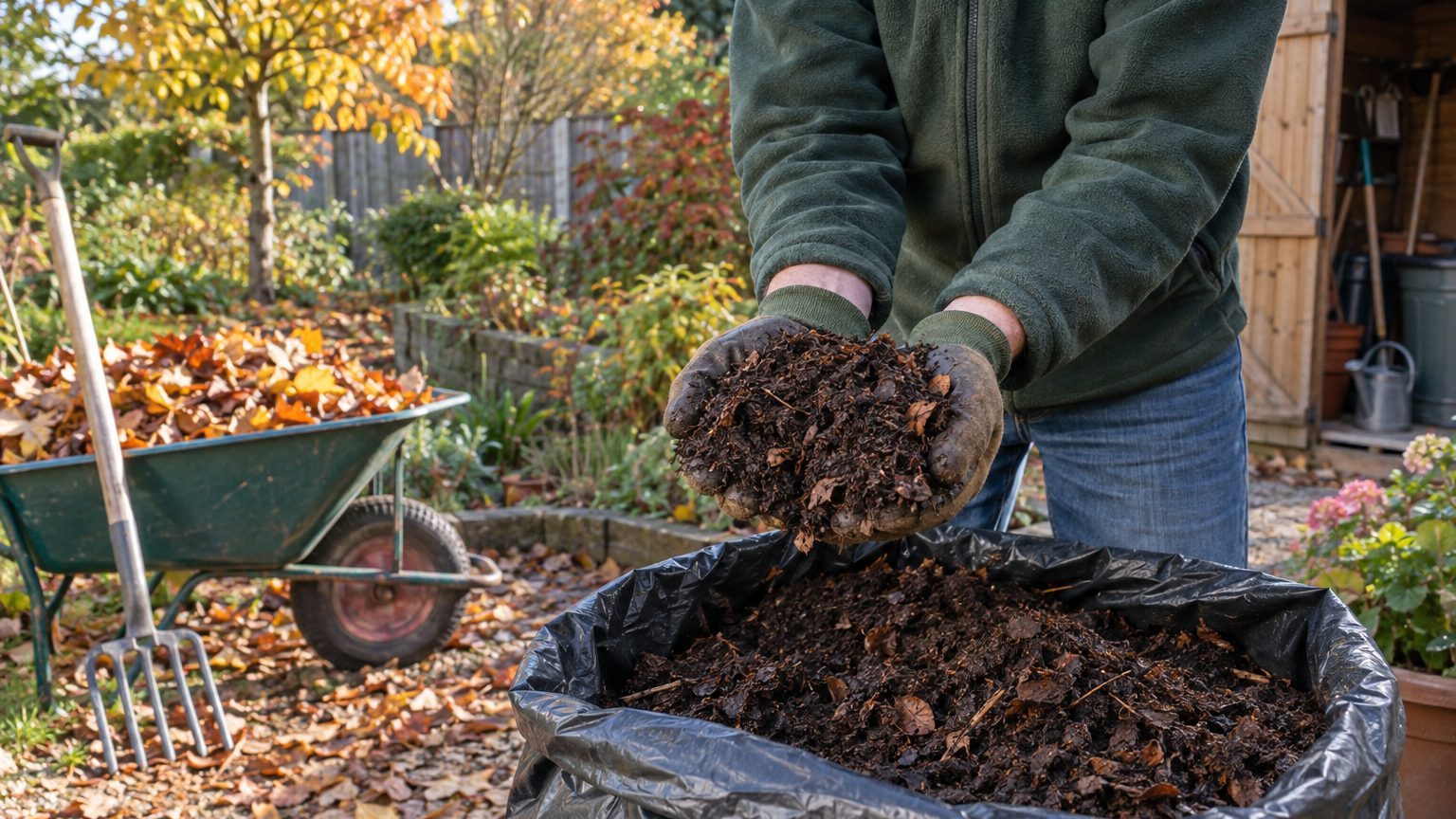
Why This Gardener Stopped Digging—and What She Found Changed Everything

Why This Gardener Stopped Digging—and What She Found Changed Everything

A Vermont gardener abandoned her spade and discovered something unexpected: undisturbed soil outperforms tilled beds. By simply layering compost on top and letting nature work, she unlocked healthier plants, thriving earthworm populations, and dramatic drought resilience—all while doing less work.