My neighbour always snaps the top off his tomato plants in mid-August and it’s not to keep the row tidy
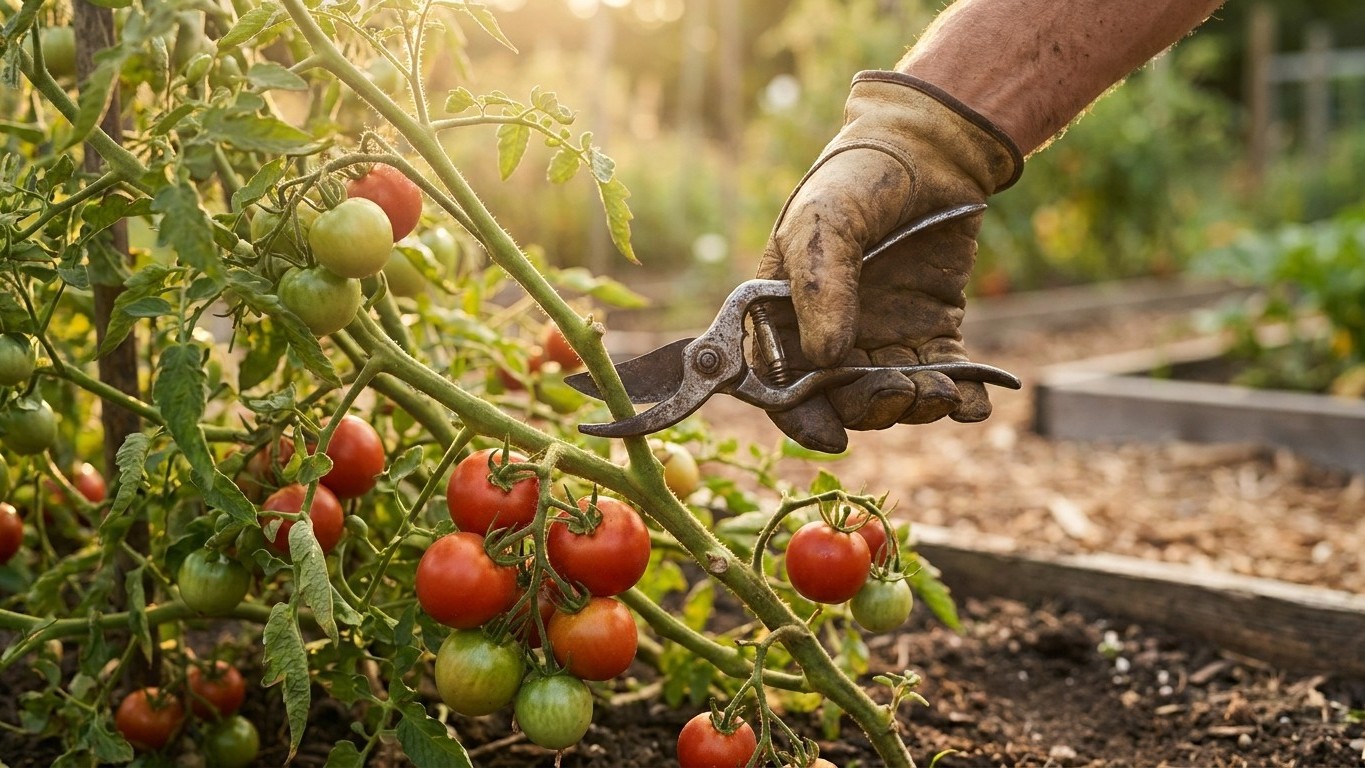
My neighbour always snaps the top off his tomato plants in mid-August and it's not to keep the row tidy

Every August, savvy gardeners perform what looks like plant violence but is actually strategic pruning. By removing the growing tip of indeterminate tomato plants, they force the vine to stop chasing new growth and start finishing the fruit already hanging there—a technique that can mean the difference between a harvest and a row of green tomatoes come October.
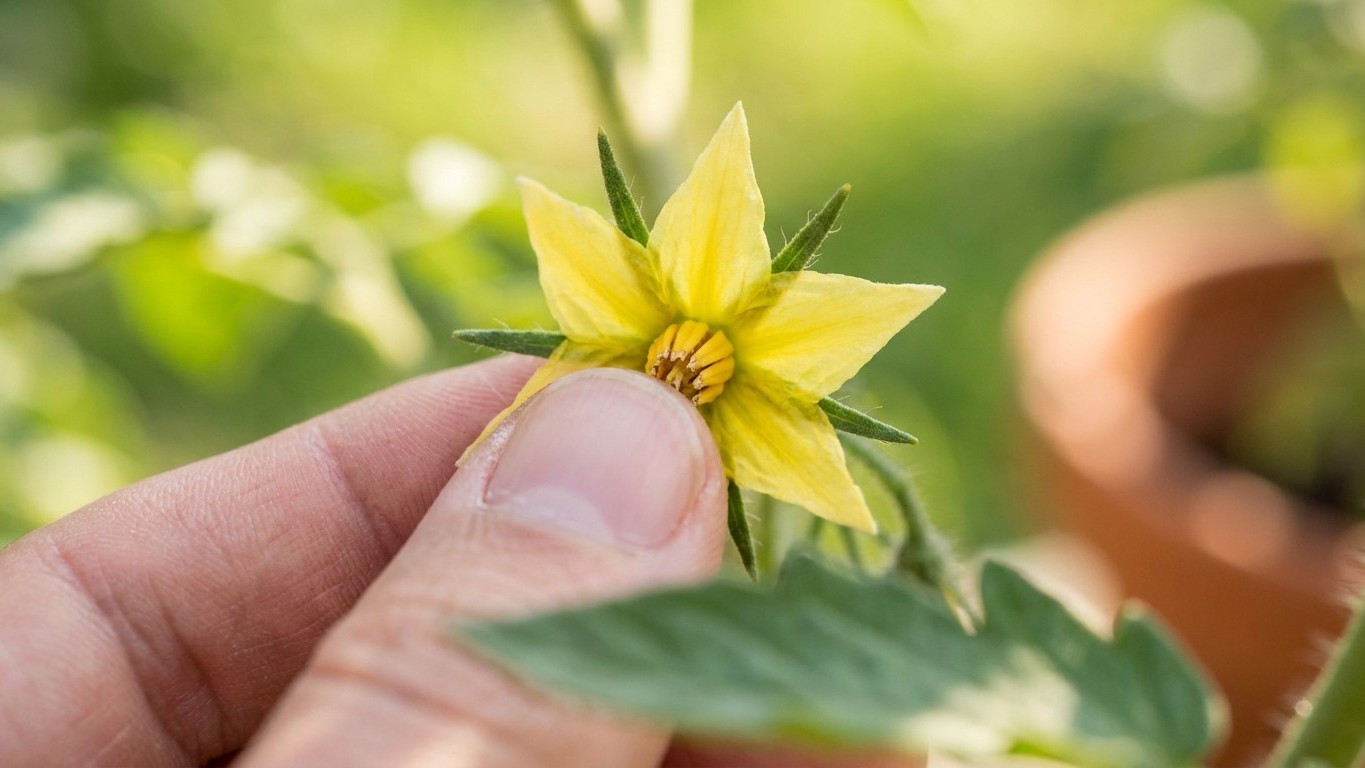
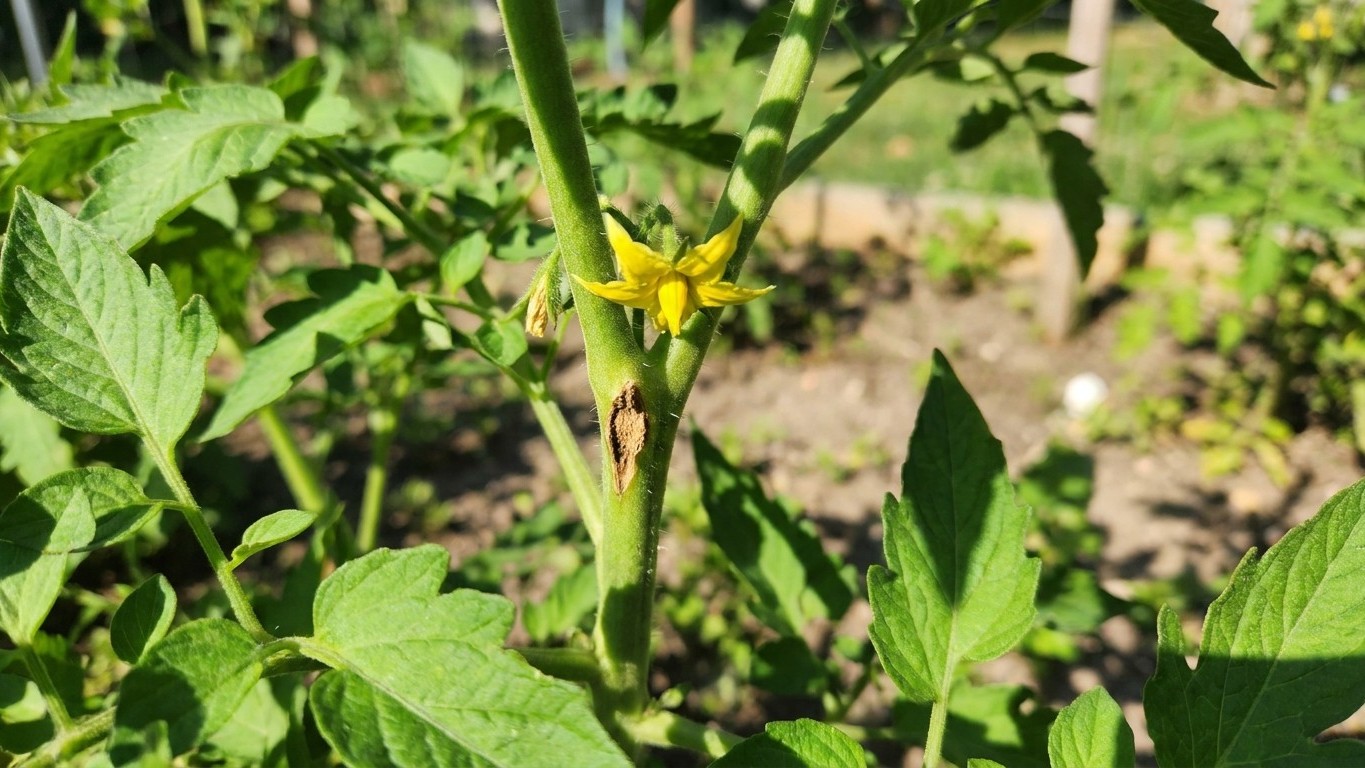
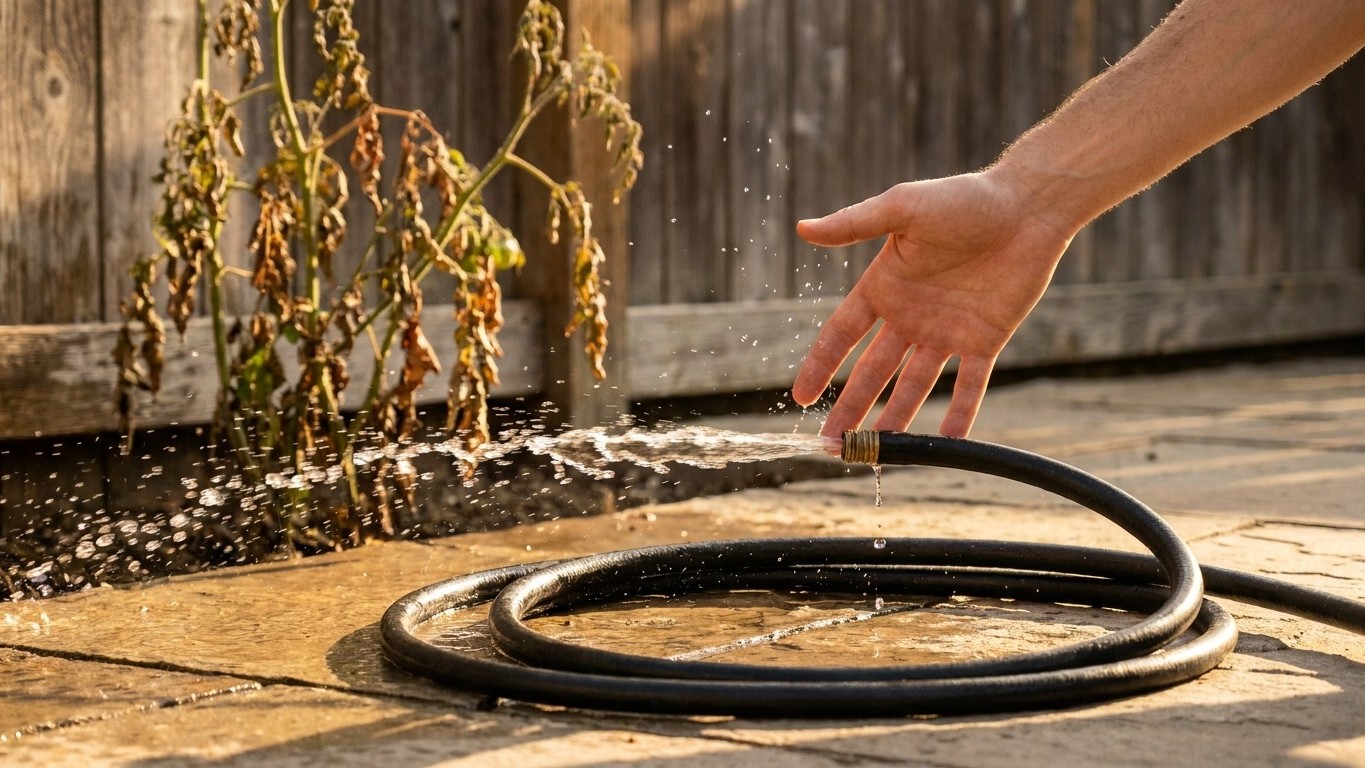
I was watering my tomatoes twice a day through the 38°C spell: the evening I looked closely at the open flowers, I understood what I’d been losing for weeks

I was watering my tomatoes twice a day through the 38°C spell: the evening I looked closely at the open flowers, I underst...

You can water twice daily during a heat spell and still watch your tomato flowers drop. The problem isn’t the soil—it’s happening inside the blossom itself, and understanding the mechanism changes everything about how you care for heat-stressed plants.

We all keep cutting our strawberry leaves right down to the base in August, when this one-second check decides whether the plant comes back at all

We all keep cutting our strawberry leaves right down to the base in August, when this one-second check decides whether the...

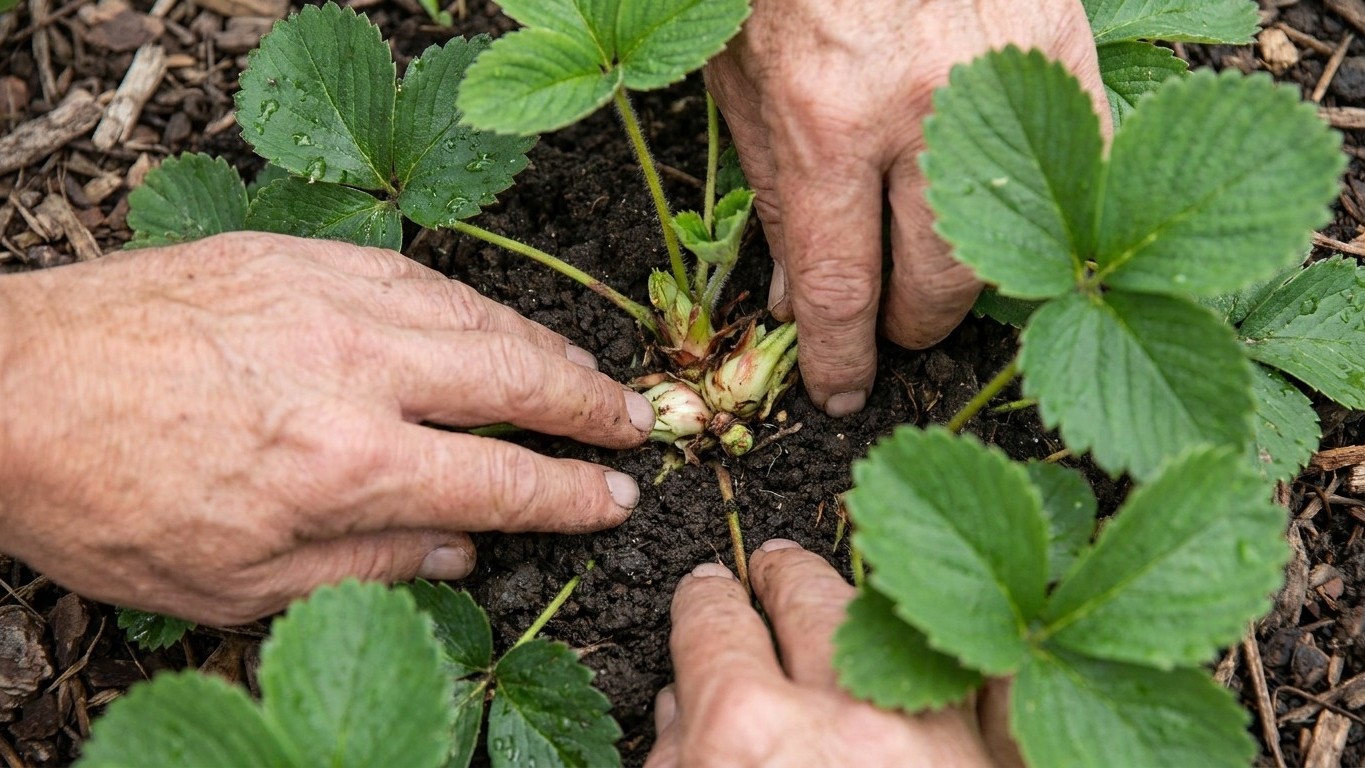
Most gardeners mow their strawberry beds to the ground in late summer, but a single overlooked detail determines whether plants bounce back strong next spring or die entirely. The secret lies in finding the crown—a thumb-sized compressed stem at soil level—and knowing exactly how high to cut.

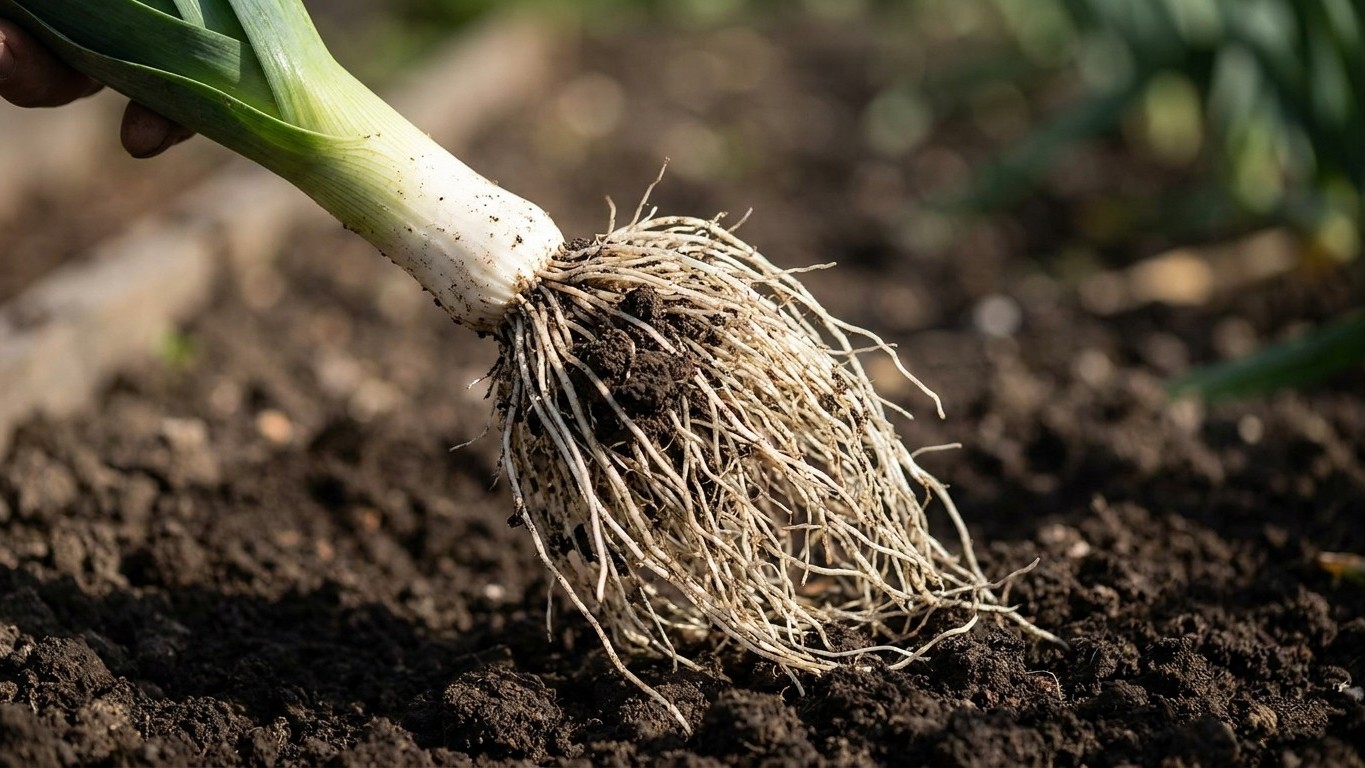
I transplanted my winter leeks whole in August to spare them: a month later, when I lifted one, I understood why they’d stopped thickening

I transplanted my winter leeks whole in August to spare them: a month later, when I lifted one, I understood why they'd st...

Moving mature leeks whole seemed safer, but a month later one gardener discovered their leek’s shank hadn’t thickened at all. The roots revealed the real problem: undisturbed root balls in August heat simply stop growing. The fix isn’t trimming—it’s depth, water, and timing.

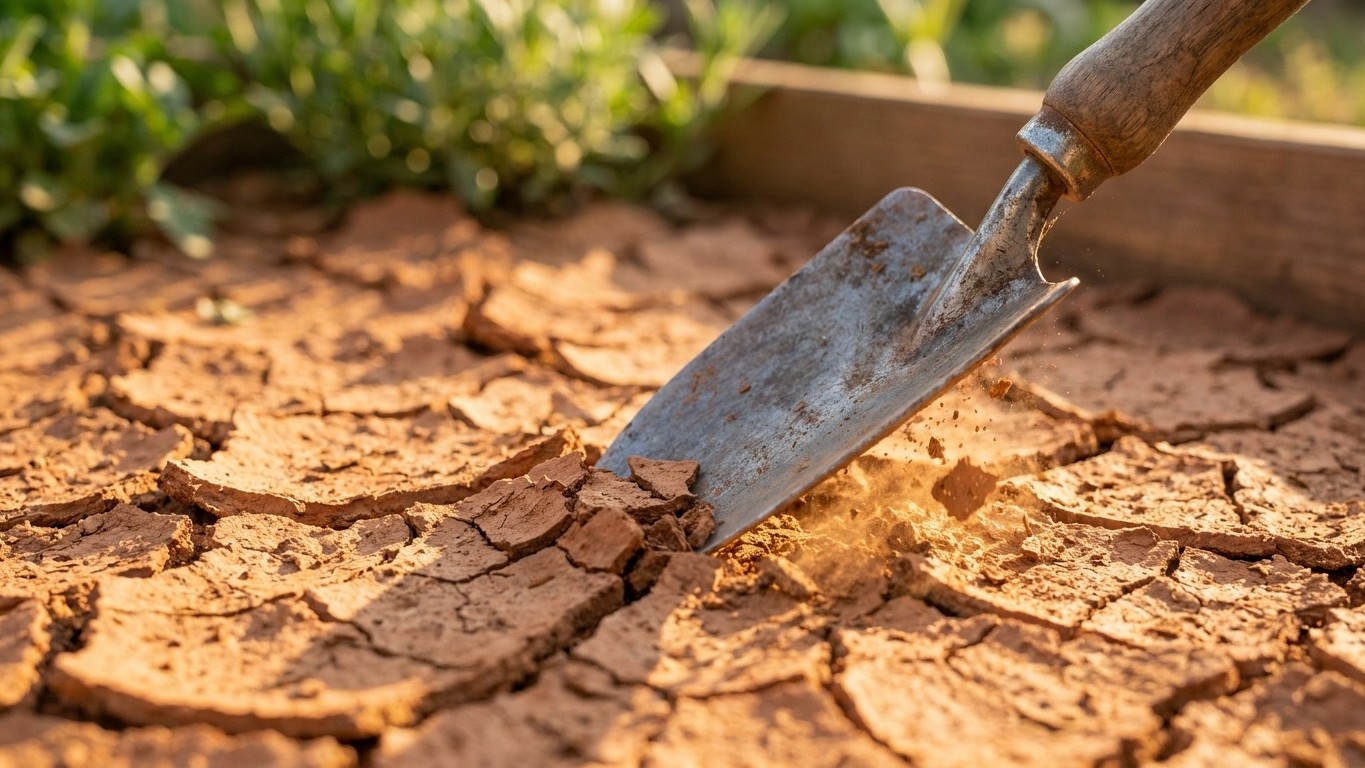
I sowed my carrot and parsley seeds in late July just to fill an empty bed: three weeks later, scraping the dry crust, I understood why nothing ever came up

I sowed my carrot and parsley seeds in late July just to fill an empty bed: three weeks later, scraping the dry crust, I u...

Sowing carrot and parsley seeds in late July to fill an empty bed seemed harmless—until three weeks of nothing revealed the real culprit: a hardened soil crust that seedlings couldn’t break through. This seemingly simple mistake exposes the science behind why two of the garden’s pickiest germinators demand precise conditions, especially in summer heat.

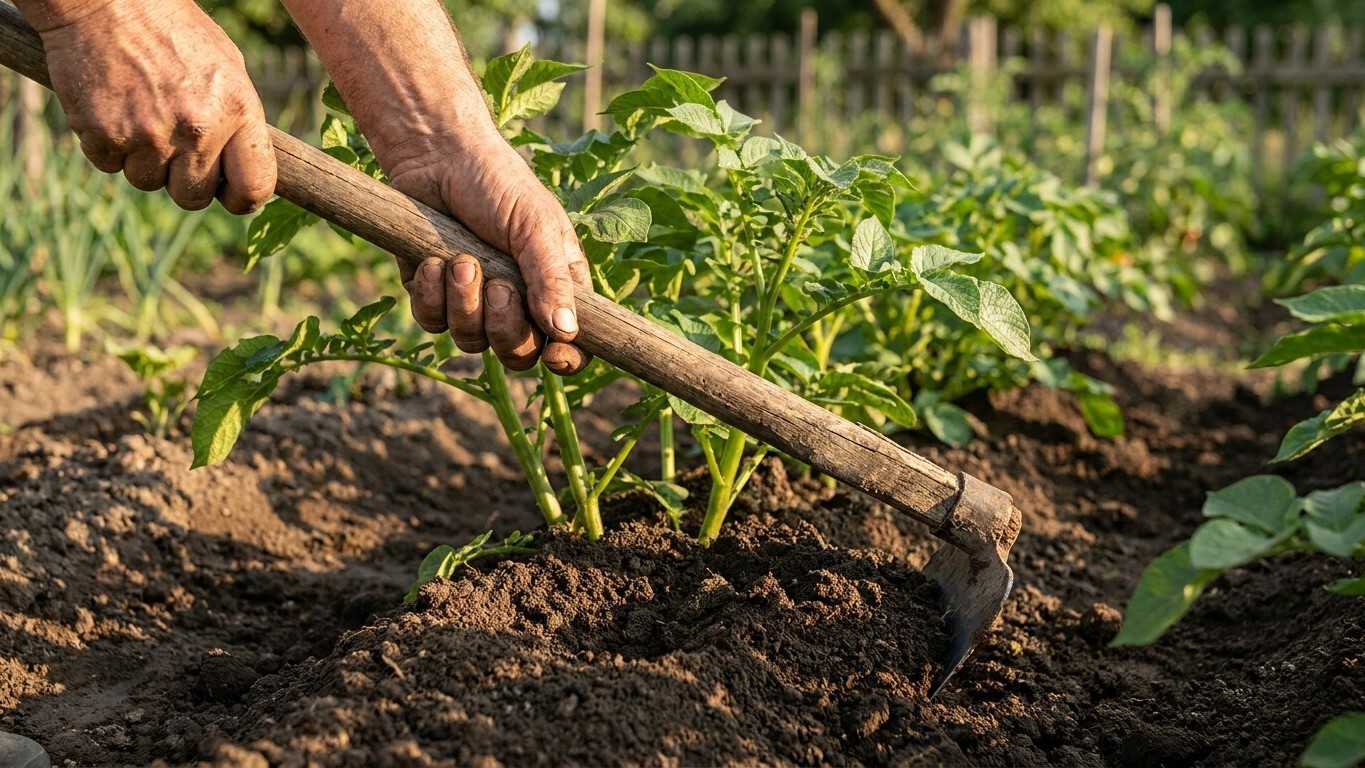
My father always hilled up his potatoes again in July: I laughed for years before understanding why he was right

My father always hilled up his potatoes again in July: I laughed for years before understanding why he was right

A son finally understands his father’s mysterious July ritual of mounding soil around potato plants. What looked like repetitive quirk was actually smart gardening science protecting both yield and flavor from an invisible threat beneath the surface.

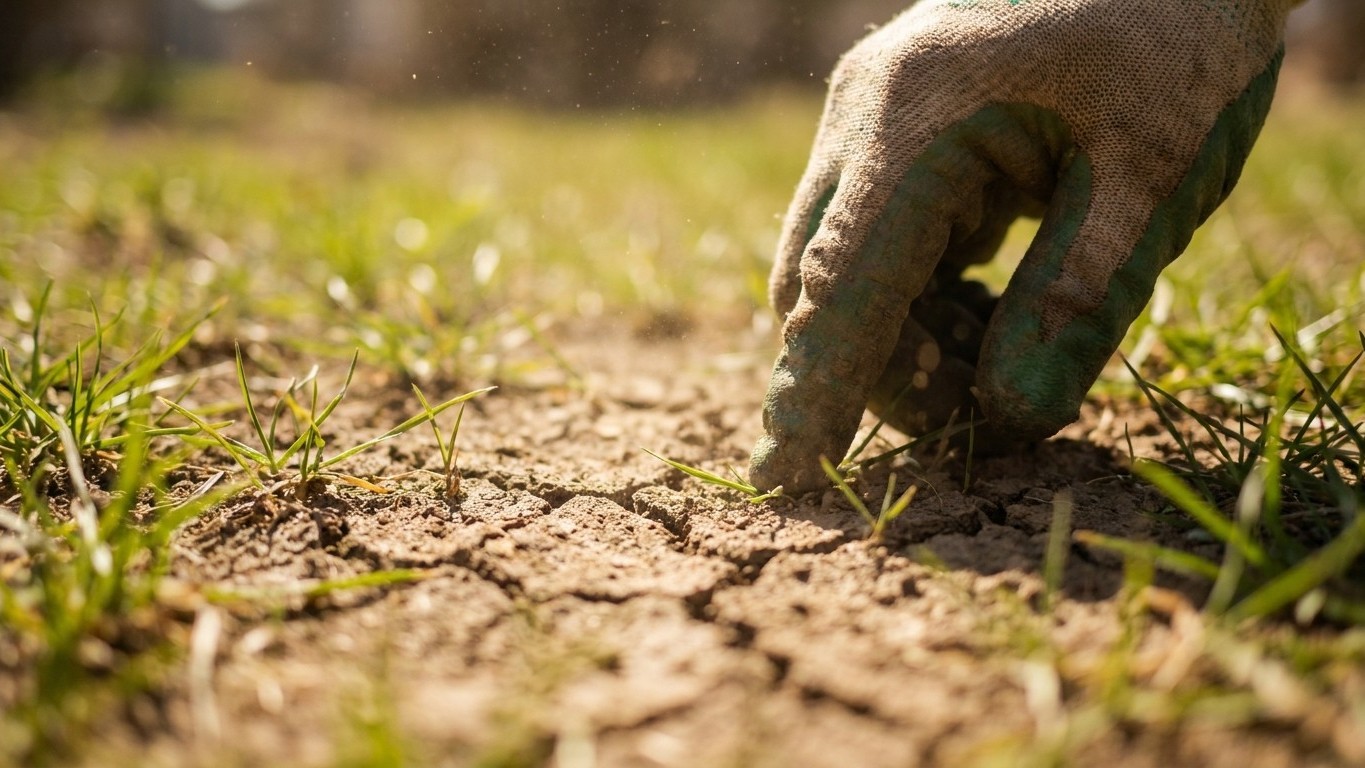
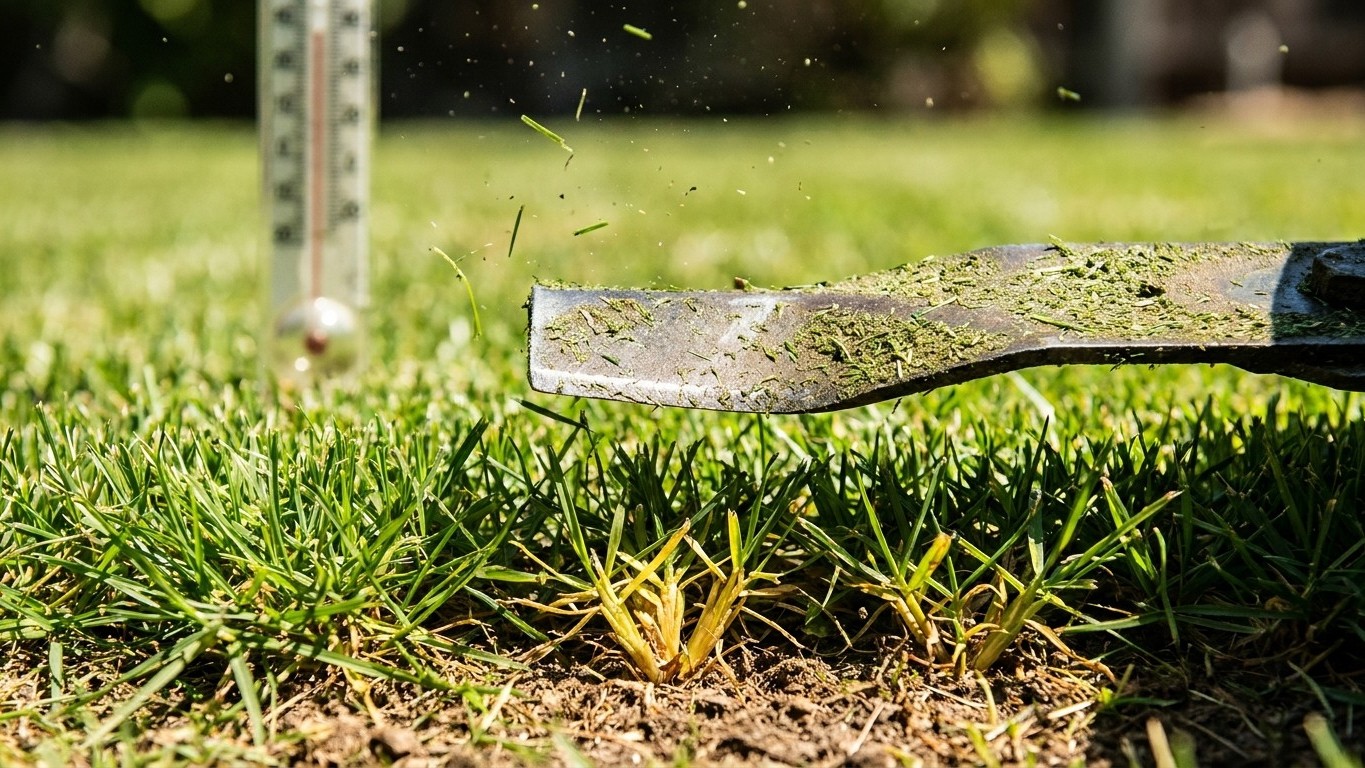
I mowed my lawn short before every heatwave thinking it would need less water: the day a gardener showed me what the sun was doing to the exposed stems, I raised the blade for good

I mowed my lawn short before every heatwave thinking it would need less water: the day a gardener showed me what the sun w...

For years, a gardener’s simple question exposed a counterintuitive lawn care mistake: mowing grass short before heatwaves actually accelerates water loss by exposing soil to direct sun. Raising the blade to 3–4 inches creates a protective canopy that conserves moisture, deepens roots, and reduces the watering burden—a discovery that transformed summer lawn care from a battle to survival strategy.

Why Your Tomato Flowers Drop in Heat: It’s Not Your Watering, It’s the Pollen

Why Your Tomato Flowers Drop in Heat: It's Not Your Watering, It's the Pollen

You’ve done everything right—drip irrigation, mulch, fertilizer—yet your tomato flowers still drop without setting fruit when temperatures soar. The culprit isn’t drought stress or poor care; it’s pollen death at 95°F. Here’s what actually works to keep tomatoes producing through the heat.

The Hidden Danger of Summer Lawn Scalping: Why Cutting Grass Too Short in Heat Can Kill Your Lawn

The Hidden Danger of Summer Lawn Scalping: Why Cutting Grass Too Short in Heat Can Kill Your Lawn

That perfectly manicured short lawn on a scorching summer day might look intentional, but it’s quietly destroying your grass from the ground up. When you cut too close during heat waves, you expose the crown—the plant’s vital growing point—to temperatures that can kill it within hours.