My father always swore by coarse salt against weeds in his gravel: it took one rainy spring for me to understand what it was really doing to his garden

My father always swore by coarse salt against weeds in his gravel: it took one rainy spring for me to understand what it w...

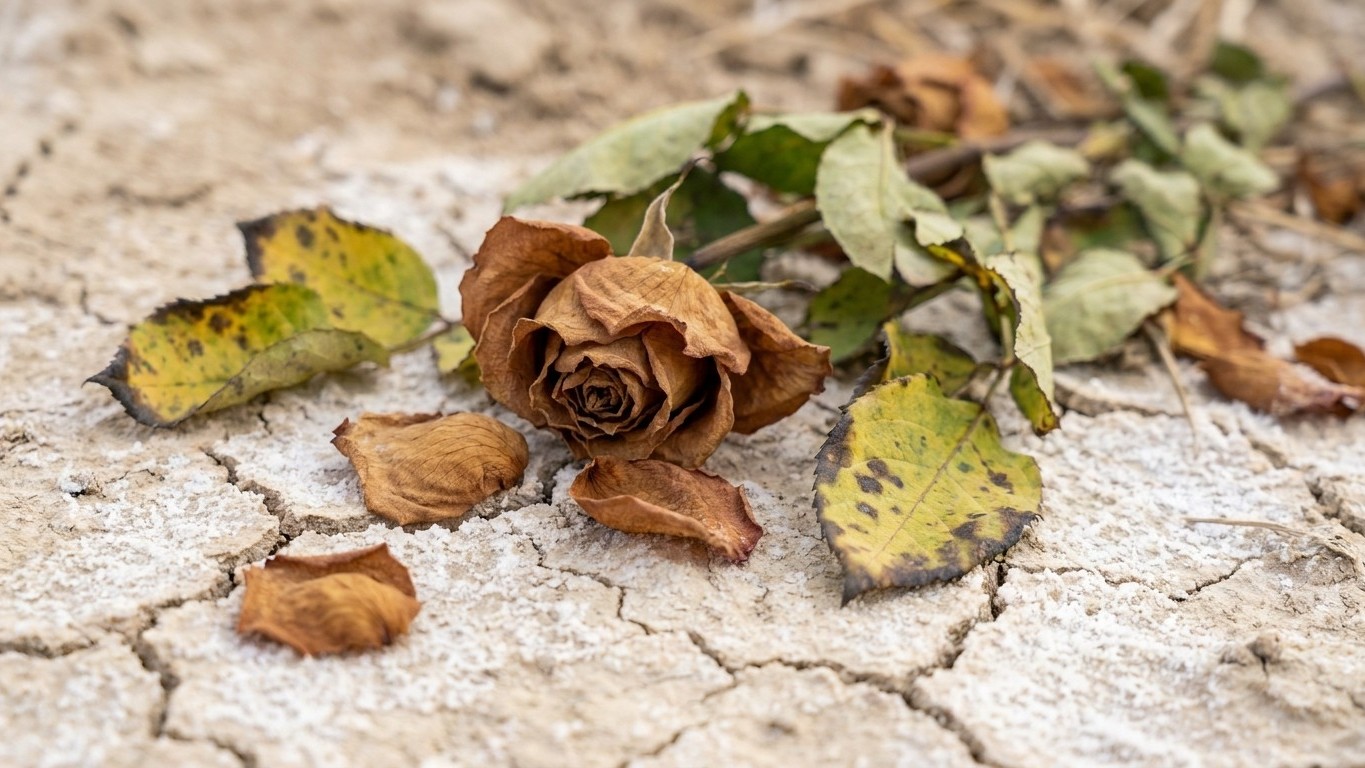
For generations, gardeners have scattered coarse salt to eliminate weeds—and it works. But one rainy spring revealed the hidden cost: salt doesn’t disappear, it accumulates in soil, poisoning flowerbeds and killing the beneficial organisms that make gardens thrive. Here’s what actually happened to my father’s roses.

I poured coarse salt on the weeds in my gravel path to kill them fast: when I saw what happened to my flower beds after the first rain, it was too late

I poured coarse salt on the weeds in my gravel path to kill them fast: when I saw what happened to my flower beds after th...

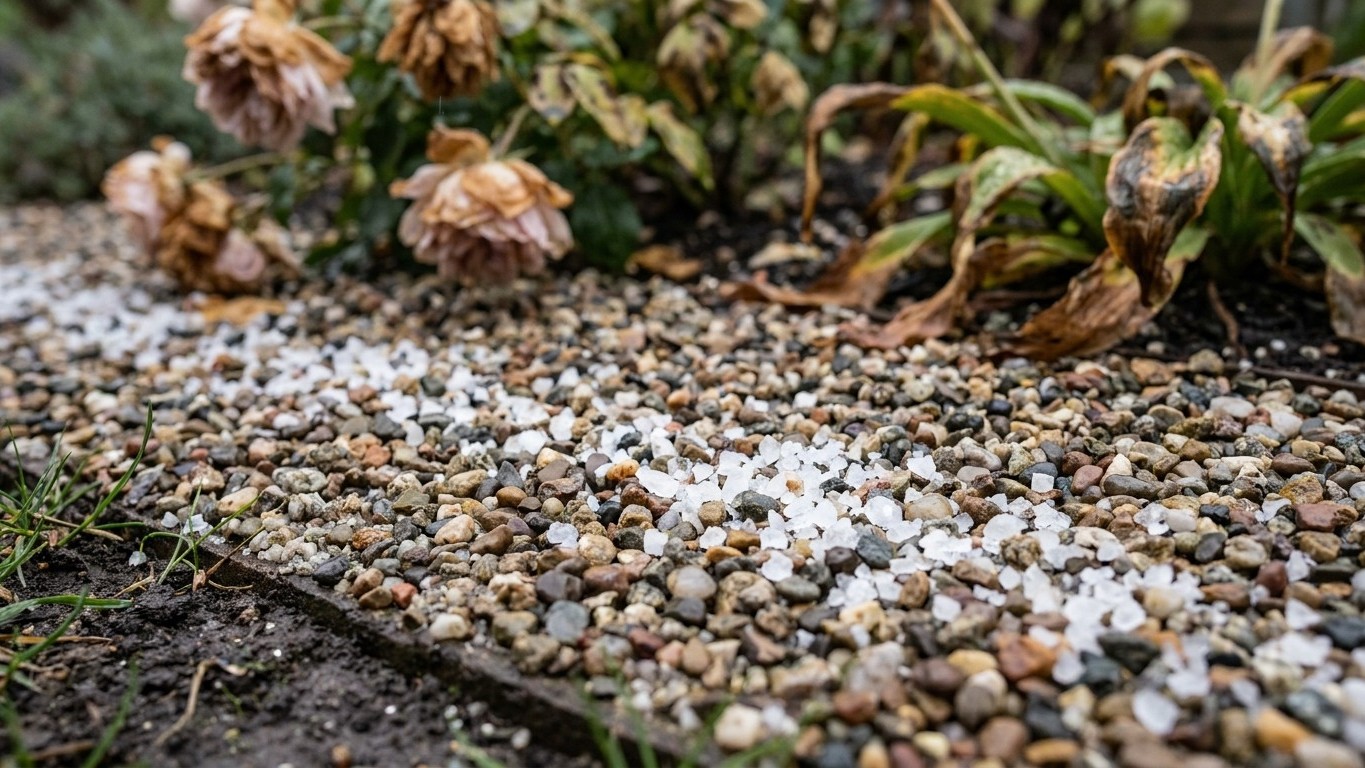
Rock salt kills weeds in your gravel path within 24-48 hours—exactly as promised. But the moment rain arrives, that same salt becomes a toxic poison that migrates into your flower beds, destroying plants and contaminating soil for years to come.

Why Your Tomatoes Are Behind: The Staking Mistake That Cost Me Three Weeks of Growth

Why Your Tomatoes Are Behind: The Staking Mistake That Cost Me Three Weeks of Growth

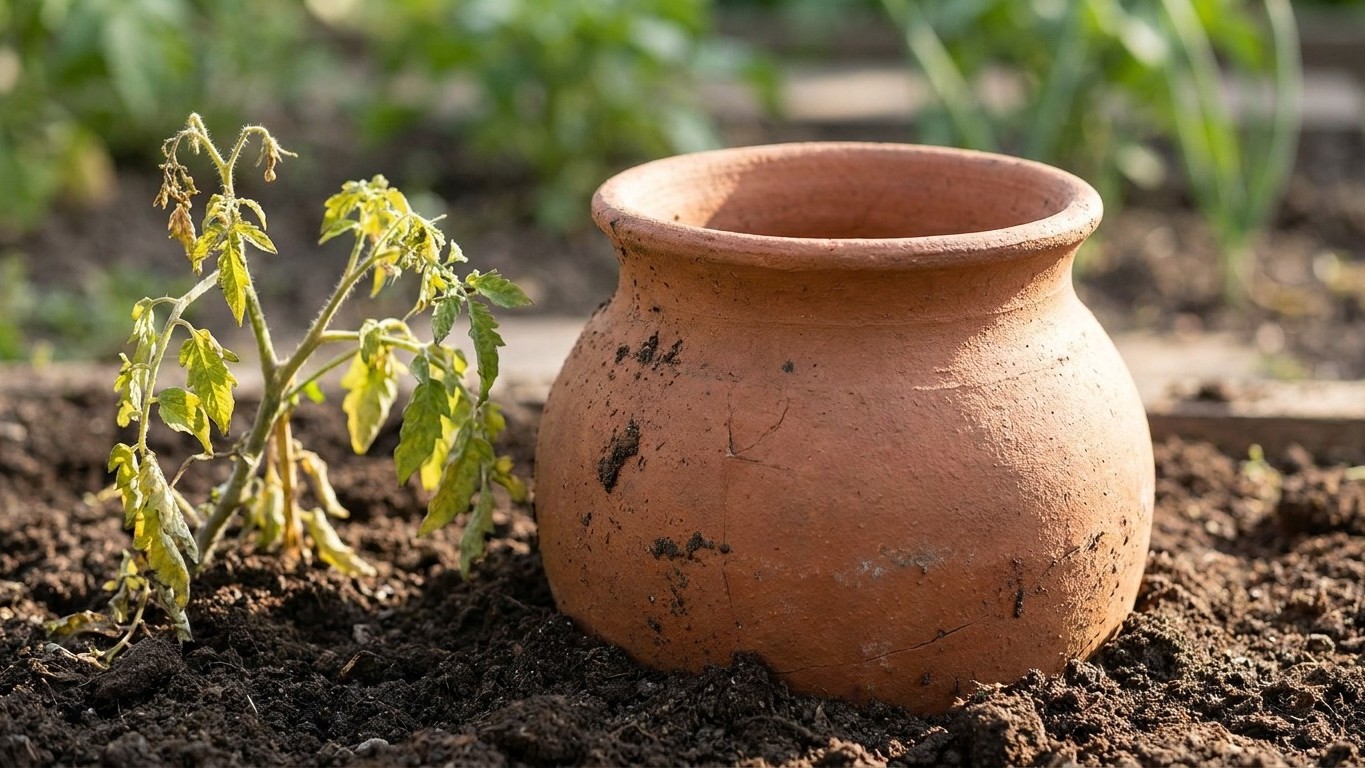
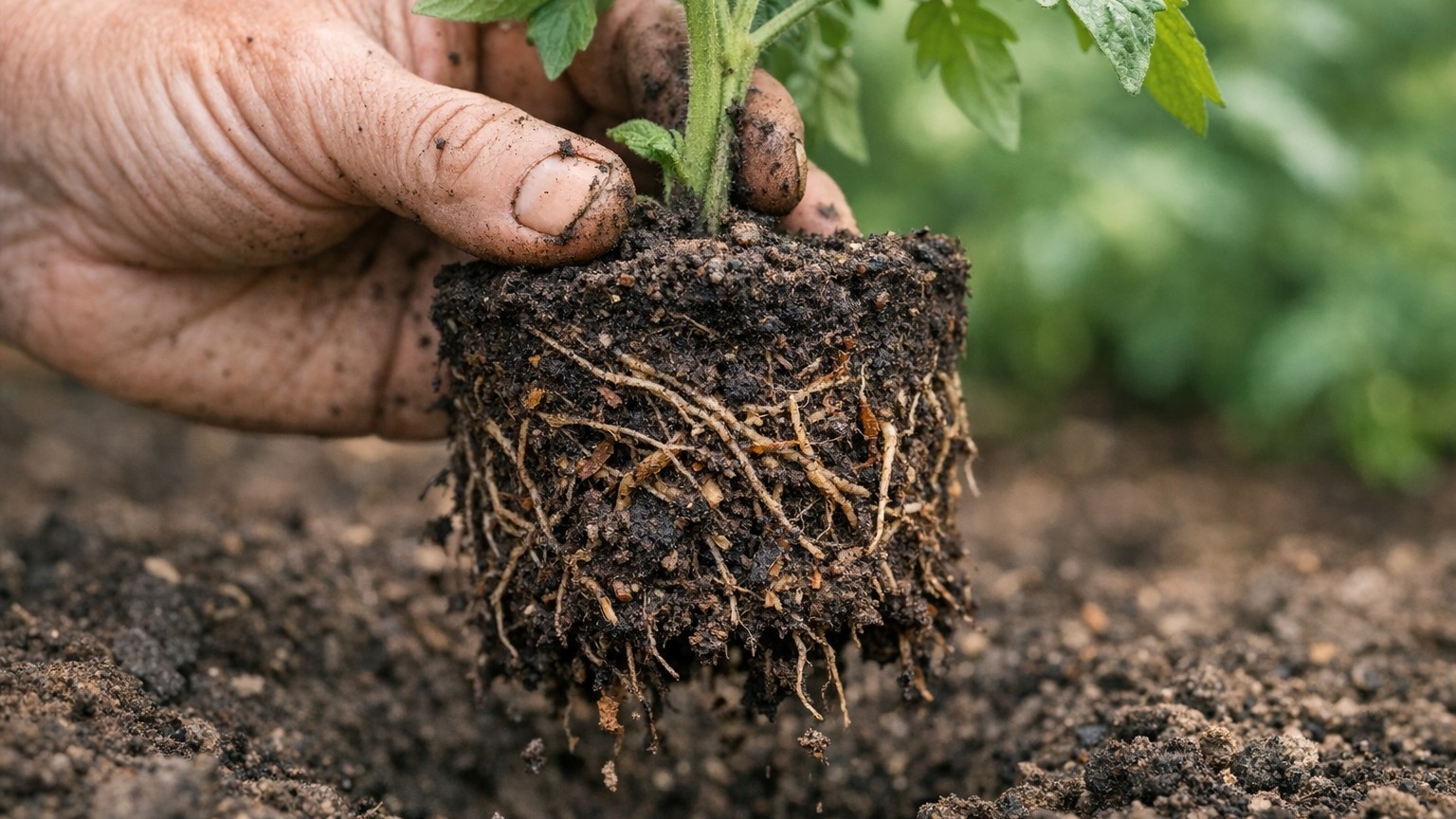
A pulled tomato plant revealed a hard truth: late staking severs developing roots and can delay fruit production by three weeks or more. By understanding how tomato root systems expand in the first weeks after transplanting, you can avoid a common mistake that most gardeners don’t even realize they’re making.

Why Cutting Rhubarb With a Knife Destroys Your Plant by August

Why Cutting Rhubarb With a Knife Destroys Your Plant by August

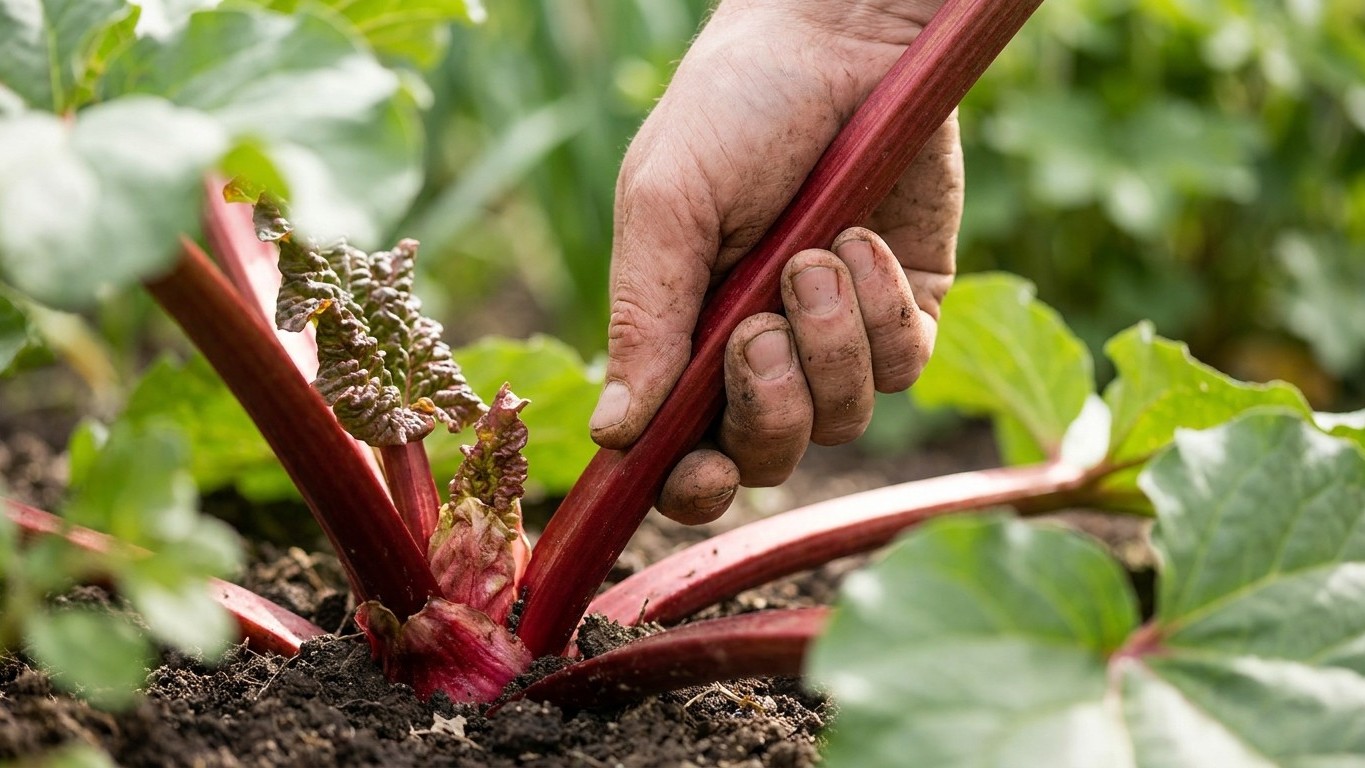
A Vermont gardener’s three-year mystery revealed: vigorous spring rhubarb turning to black mush by August wasn’t disease or drought, but a single harvesting mistake repeated in May. One wrong tool choice sets off a cascade of decay that plays out silently over months.