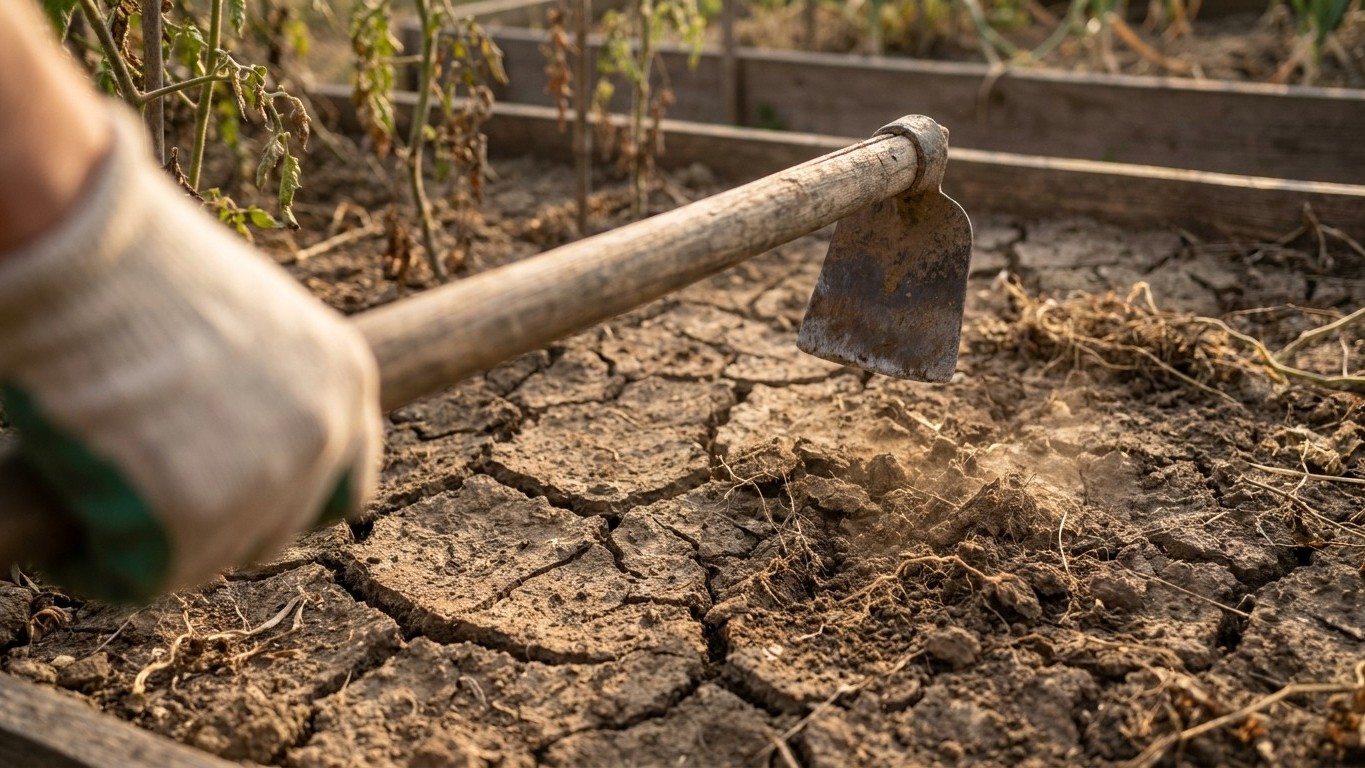
Haricots d’Espagne laissés trop longtemps sur pied : la production s’arrête
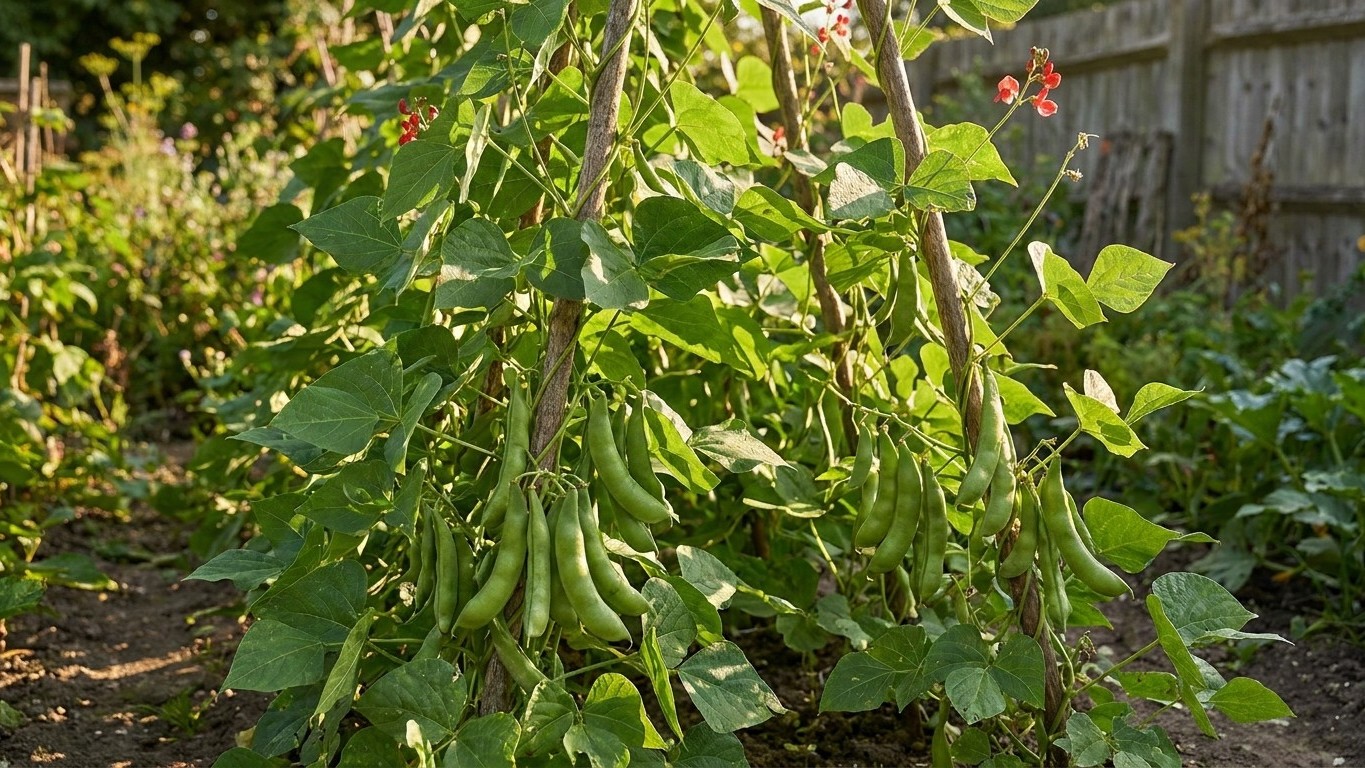
I left my runner beans on the vine an extra week just to get fatter pods: ten days later, what had stopped on the plants w...

A gardener’s experiment in letting runner bean pods fatten for an extra week backfired spectacularly when the plants simply stopped flowering. The culprit? A biological switch that tells the plant its reproductive work is done. Learn the exact harvest window that keeps beans producing all season.
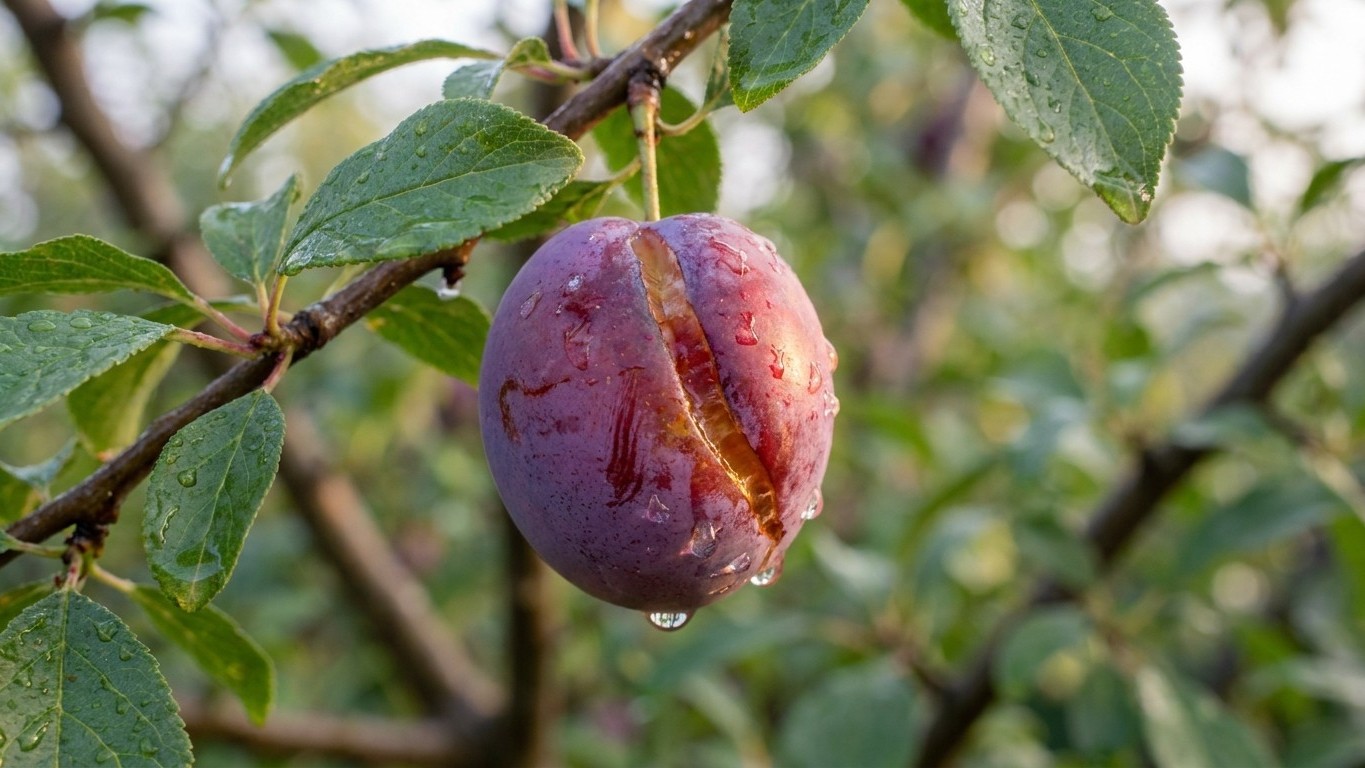
Prunes laissées sur l’arbre après la pluie : pourquoi elles pourrissent

I left my plums on the tree three extra days after the August downpour just to let them sweeten: what had opened on the sk...

A simple split in a plum is rarely the real problem—it’s what moves in afterward that ruins the fruit. Brown rot, wasps, and flies exploit the wound left by water absorption, turning a minor crack into total loss within days. Understanding the science behind splitting helps growers protect their sweetest fruit.

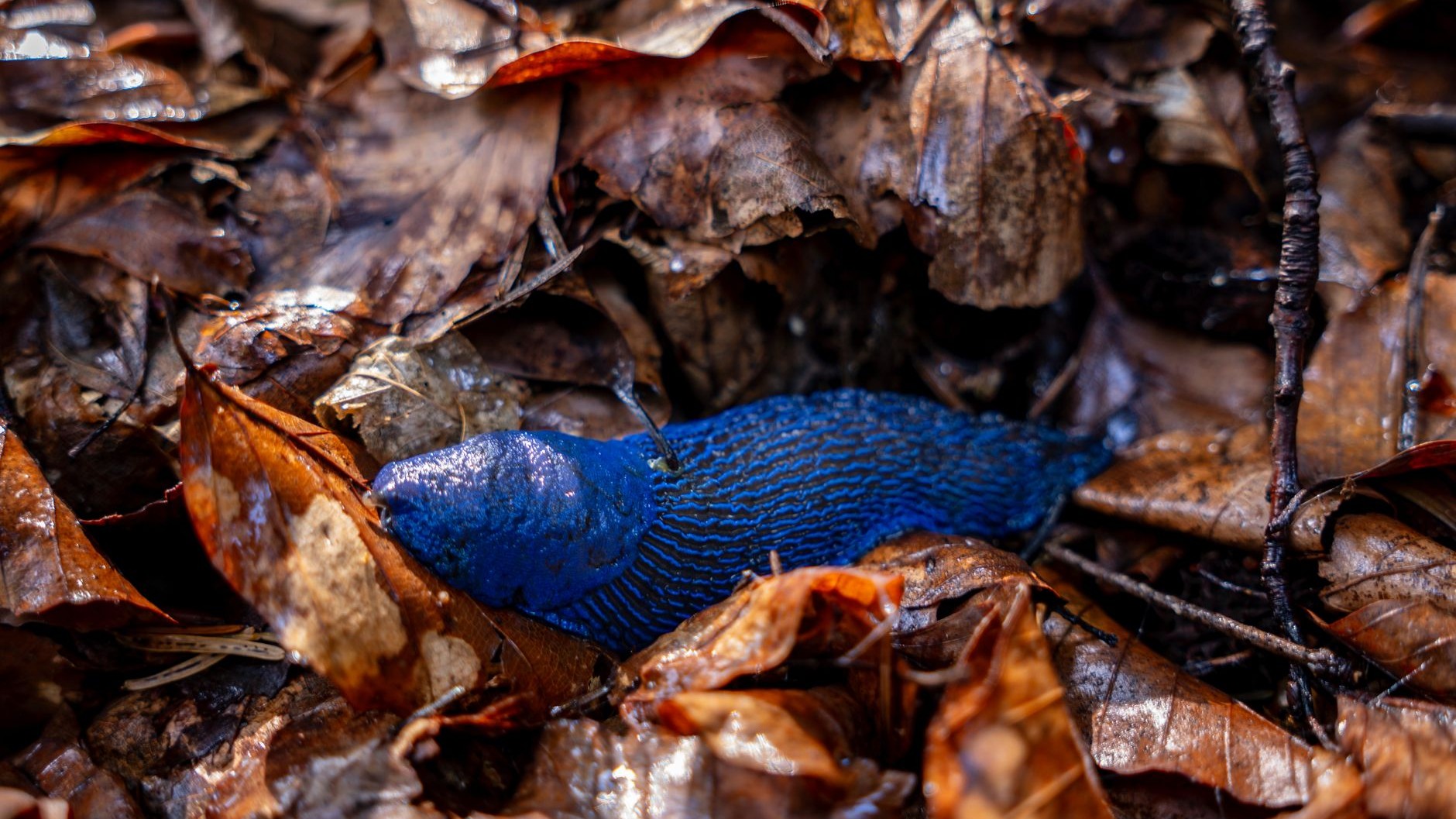
Anti-limaces bleus au métaldéhyde : pourquoi ils sont interdits

That's it for the blue slug pellets: the tub still sitting on the shed shelf is the one you're no longer allowed to scatter

That faded tub of blue slug pellets gathering dust on your shed shelf isn’t just old stock anymore—it’s illegal. Metaldehyde has been banned in the UK since 2022 due to serious risks to pets and wildlife, yet many gardeners still have banned supplies at home. Discover what changed, why it matters, and what to use instead.

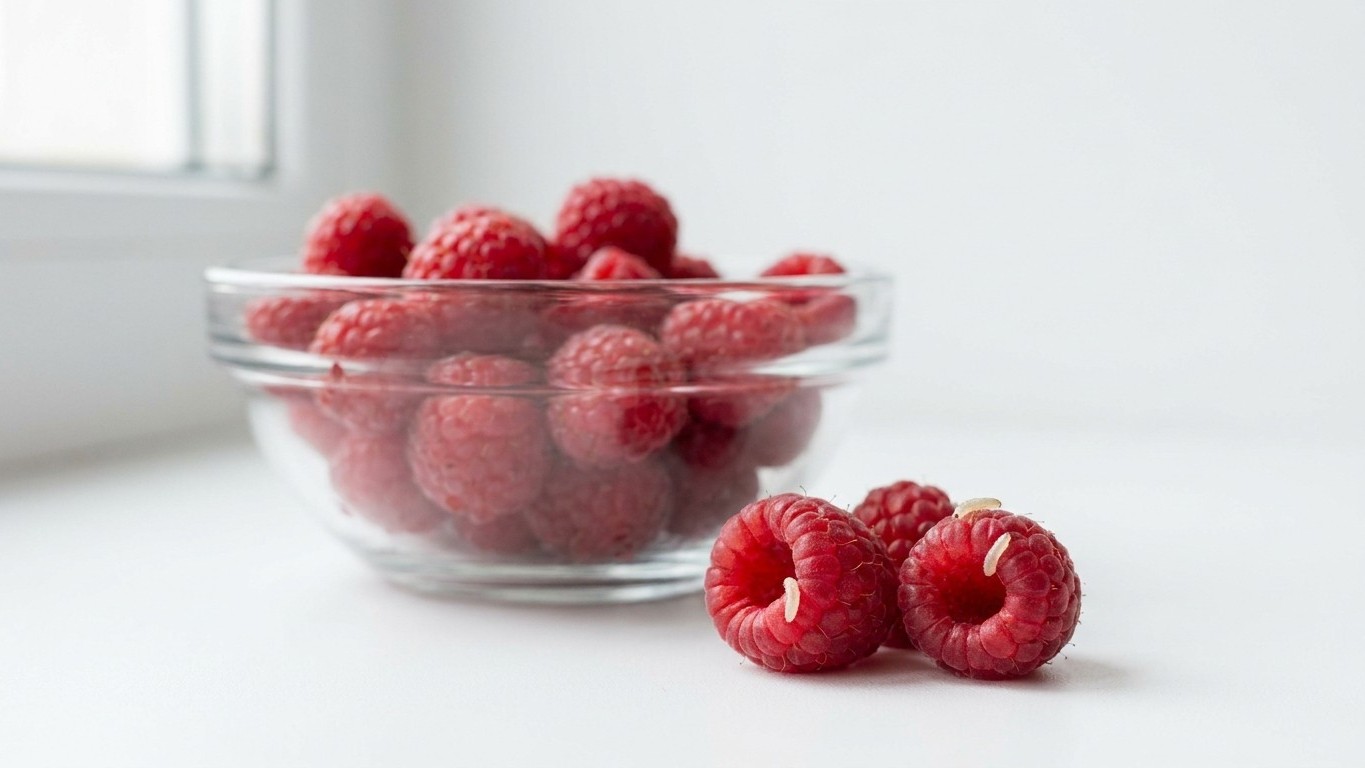
Framboises trop mûres : pourquoi des larves apparaissent dans les fruits

I left my autumn raspberries on the cane two extra days in August just to let them sweeten: when I tipped the punnet out, ...

You picked those raspberries at peak ripeness, but something was already moving inside them. Spotted wing drosophila eggs hatch invisibly within ripening fruit, turning a perfect harvest into a maggot-infested punnet in just two days. Learn why August is the danger zone and how to catch infestations before they reach your table.

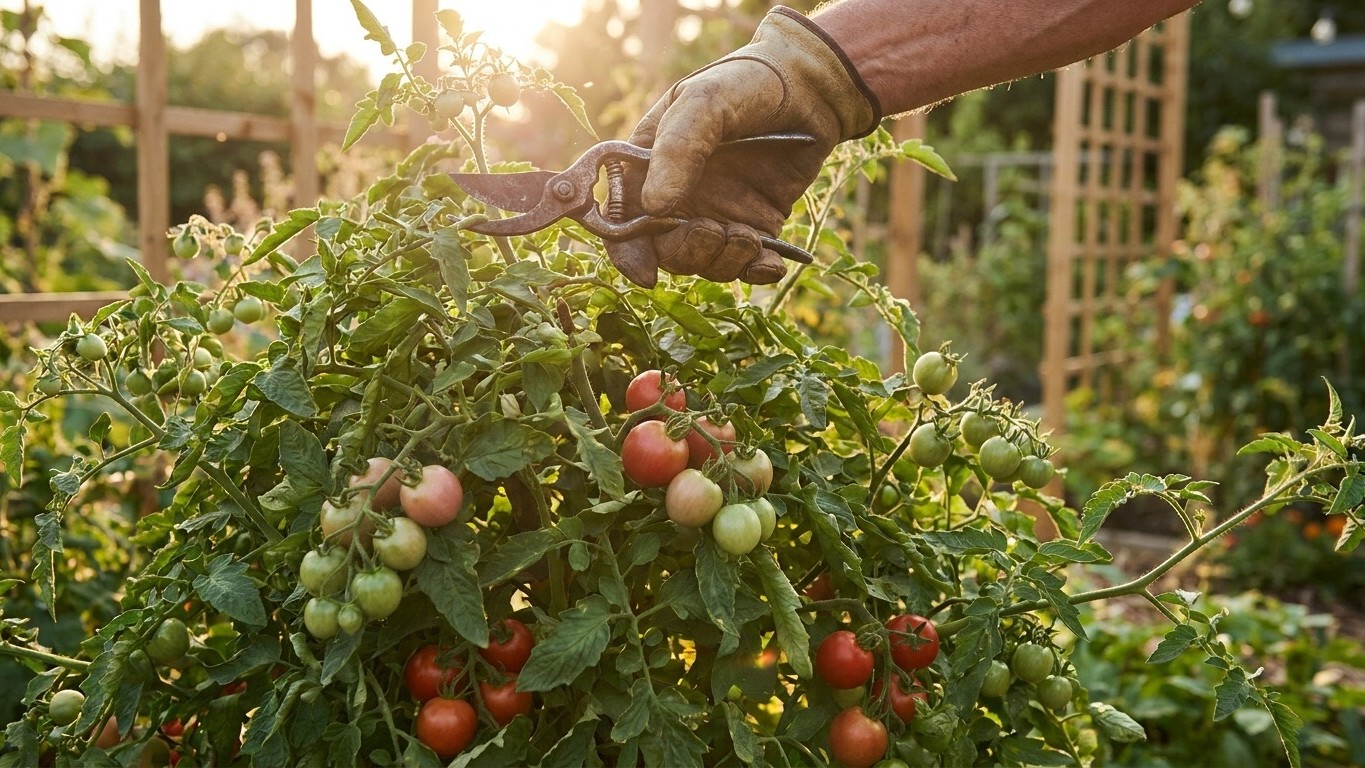
Tailler les tomates au-dessus du dernier bouquet fin août : pourquoi

The old-timers always cut the top off their tomato plants above the last set truss at the end of August: the forgotten rea...

Old-time gardeners knew a secret: cutting the growing tip of tomato plants in late August forces them to pour energy into ripening existing fruit instead of growing taller. With tomato prices climbing 40% in 2026, this forgotten technique is making a comeback—and the science behind it is surprisingly mechanical.

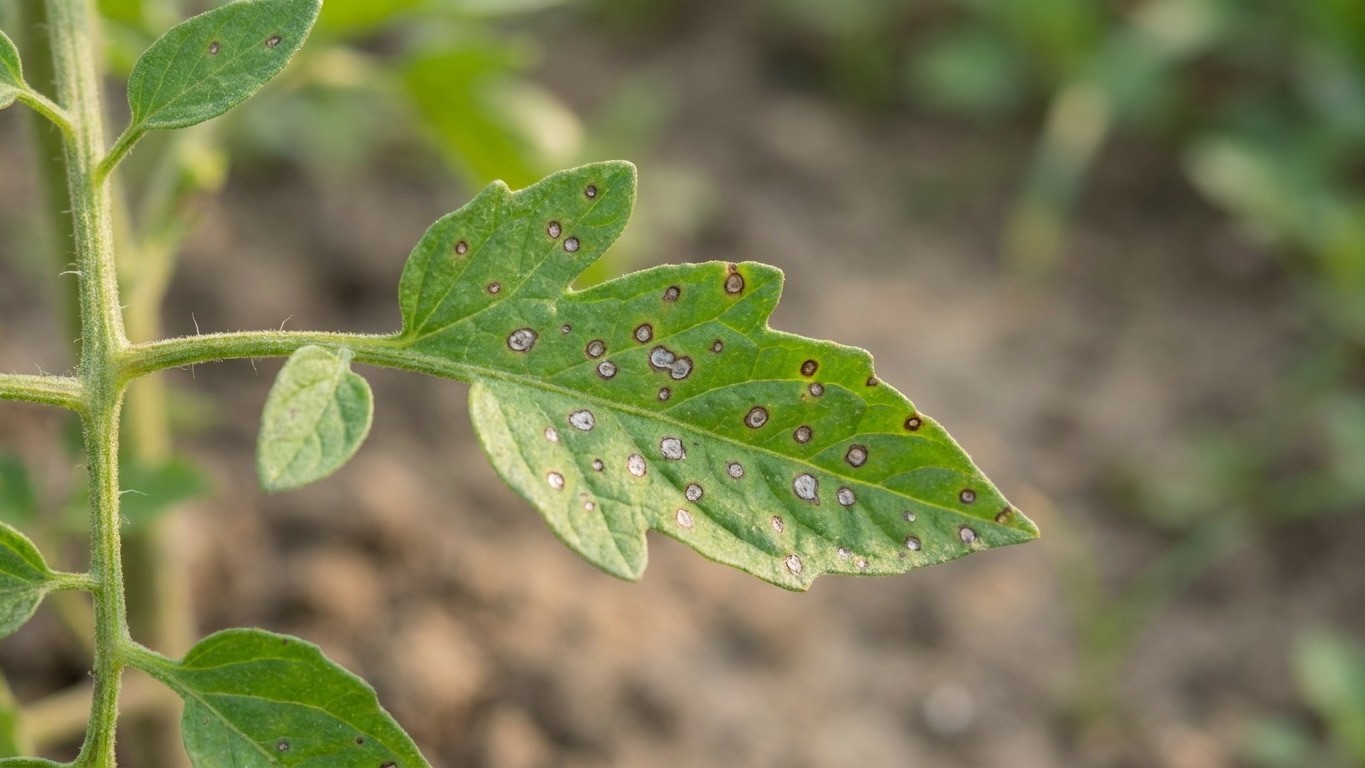
Arroser les tomates par le haut le soir : pourquoi les feuilles se tachent

I hosed my tomato plants from above every evening just to cool them down after the heat: three mornings later, what had sp...

Three nights of evening overhead watering created the perfect conditions for fungal leaf spot to flourish on tomato plants. What looked like sunburn damage was actually a textbook case of septoria or early blight—diseases that thrive on wet foliage and spread through water splash.

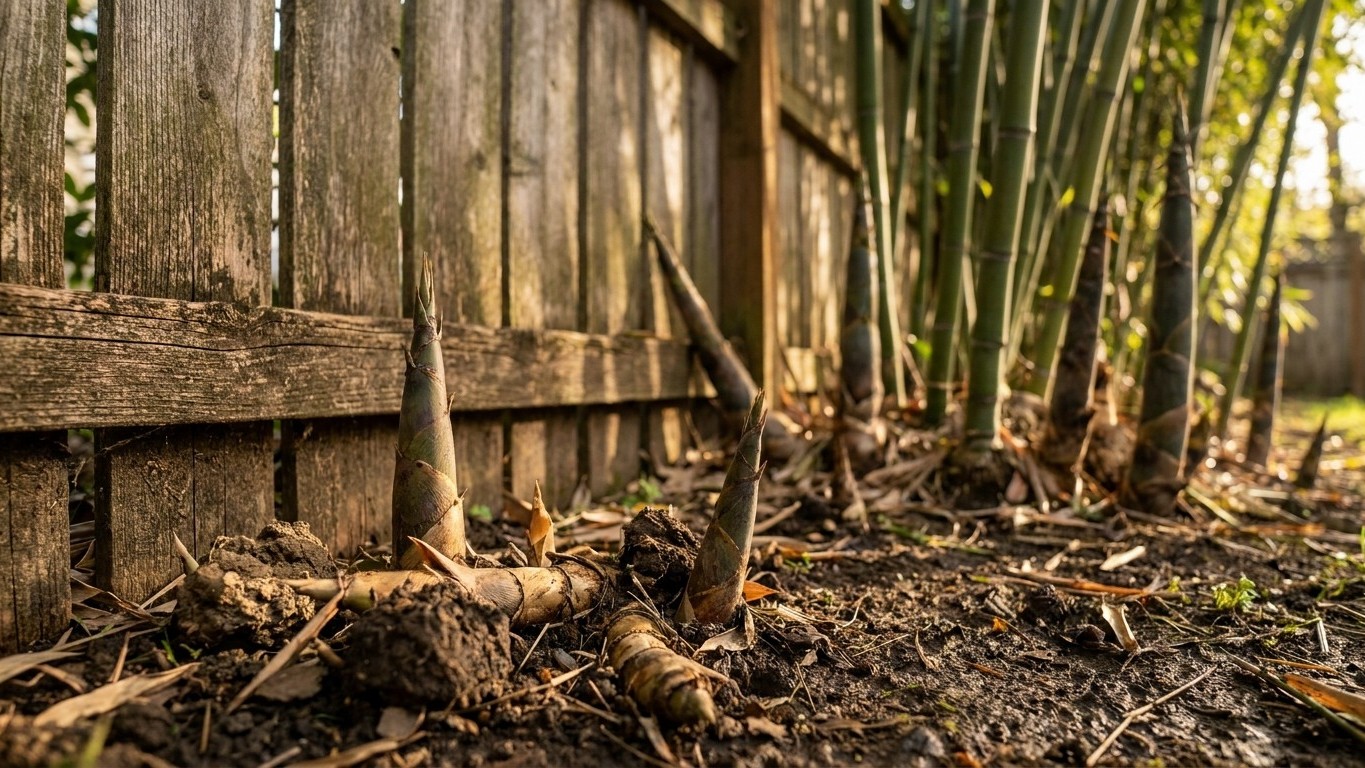
Bambou Phyllostachys : comment ses rhizomes passent chez le voisin

I planted a row of Phyllostachys bamboo along the fence just for privacy: three summers later, what came up on my neighbou...

You planted Phyllostachys bamboo for privacy three years ago. Now shoots are appearing on your neighbor’s property, and they’re threatening legal action. What you didn’t know about running bamboo’s aggressive rhizome network could cost you thousands in damages—or worse.

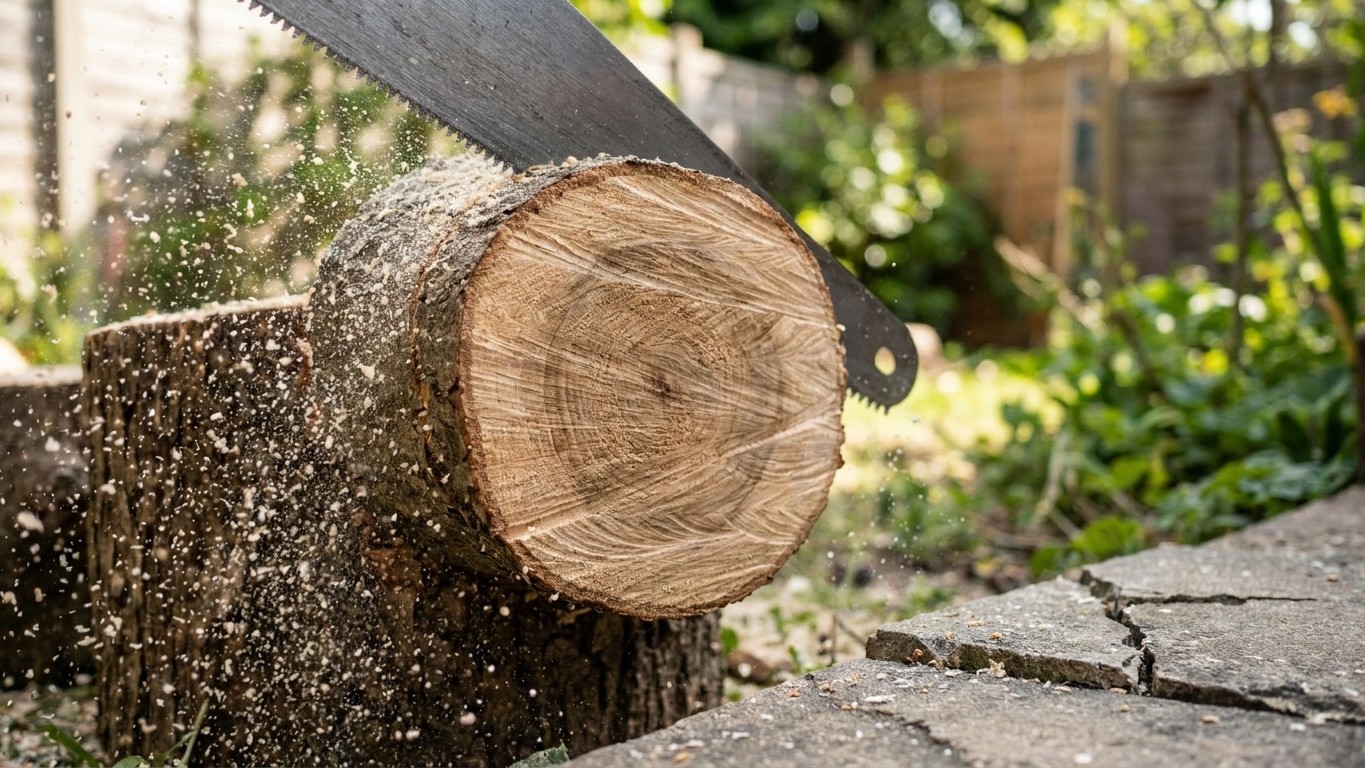
Ailanthus : pourquoi cet arbre à croissance rapide devient un problème

I paid 40 euros for my ailanthus just for the fast shade: the morning I took the saw to it, I understood what I had really...

A 40-euro purchase promised shade in two summers but delivered a decade of trouble. The tree of heaven spreads through aggressive roots, produces hundreds of thousands of seeds annually, and hosts an invasive insect that threatens crops across America. One homeowner’s reckoning with the true cost of convenience.

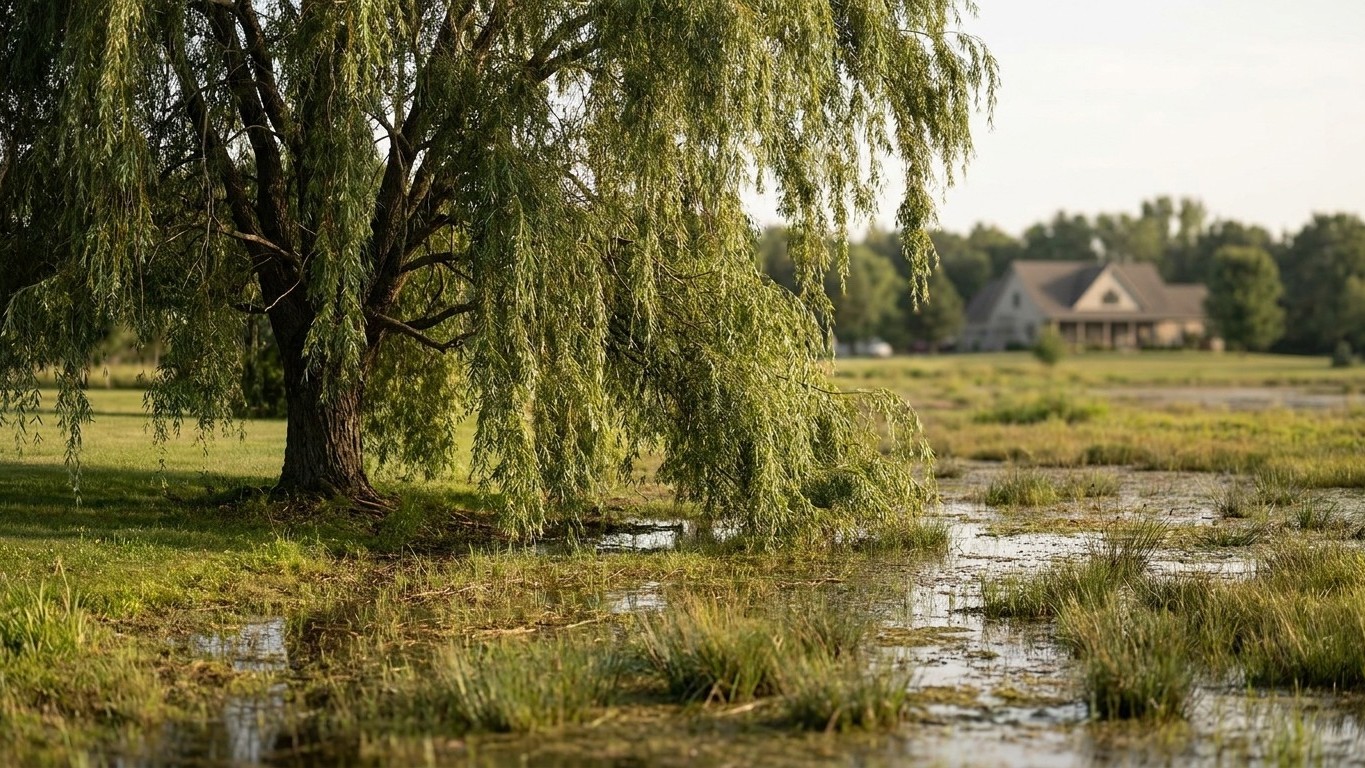
Saule pleureur : pourquoi il faut le planter loin des fondations

My neighbour always plants his weeping willow right at the bottom of the plot and it's not for the view

That weeping willow at your neighbor’s property line isn’t decorative—it’s strategic. These trees are hydraulic pumps designed to solve drainage nightmares, but their aggressive root systems can devastate foundations and septic systems within reach. Understanding their true purpose changes how you’ll view landscape planning.