Pelouse grillée tondue trop ras : pourquoi les adventices repoussent
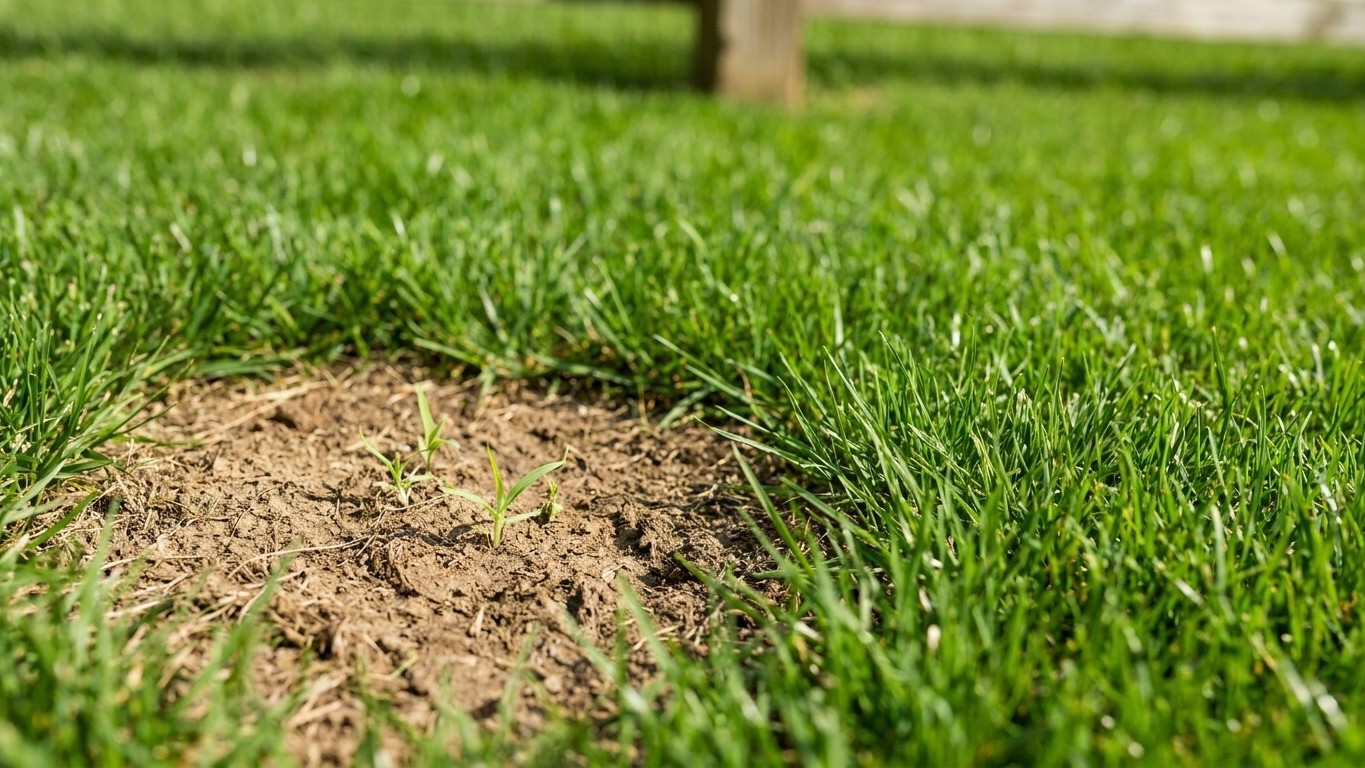
I scalped my drought-browned lawn as soon as the August rain came back just to make it green again: three weeks later, wha...

After scalping a drought-stressed lawn hoping for a fast green recovery, one homeowner discovered bare patches filling with crabgrass and broadleaf weeds instead of turf. Turfgrass scientists explain why this common mistake backfires and reveal the patience-based recovery strategy that works.
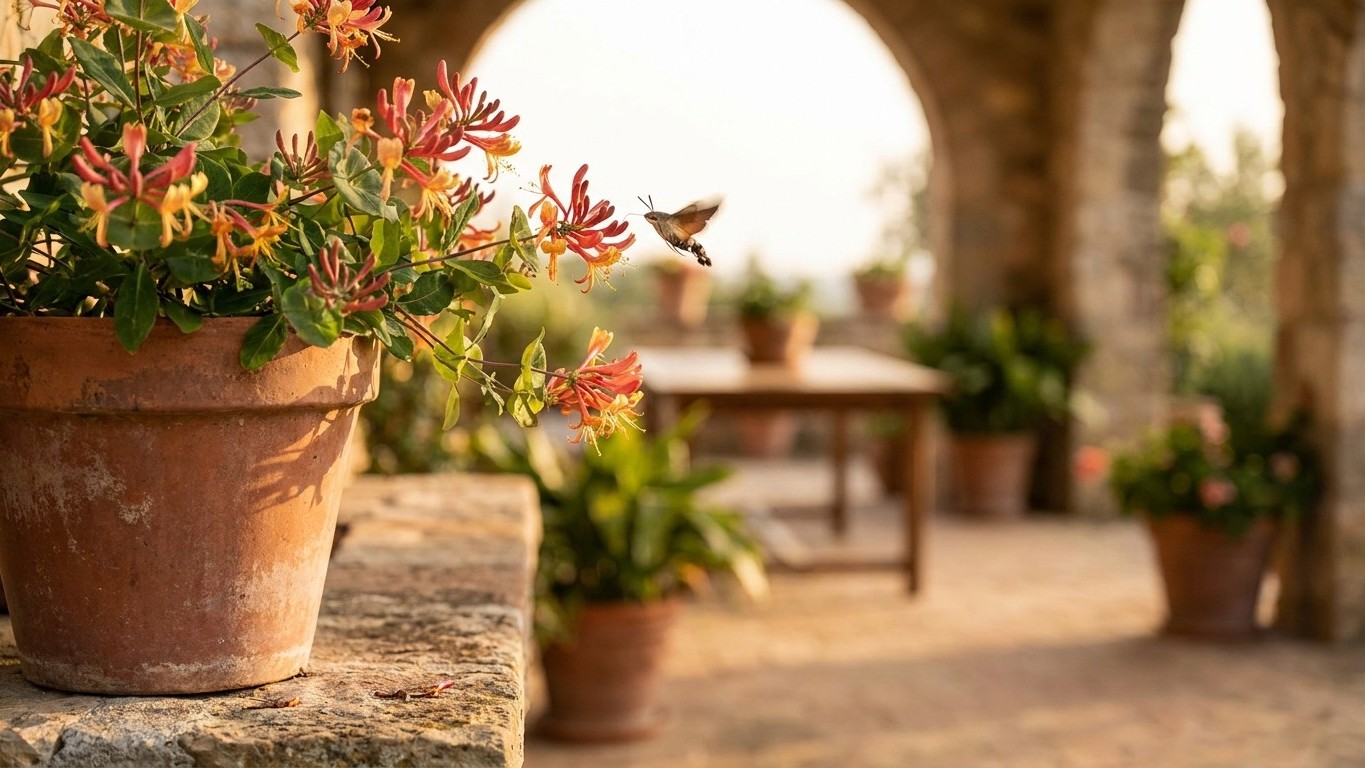
Chèvrefeuille contre les moustiques : la plante attire d’autres insectes

I lined up three potted honeysuckles around my terrace just to keep the mosquitoes off: the first warm evening, I saw what...

A gardener’s plan to use honeysuckle as a natural mosquito deterrent backfired spectacularly, transforming a terrace into an unexpected wildlife hub. The fragrant flowers that bloom at dusk were never designed to repel insects—they’re broadcasting an open invitation to night-flying moths, hummingbirds, and bees. But there’s a twist: honeysuckle can actually feed the very mosquitoes it was meant to discourage.

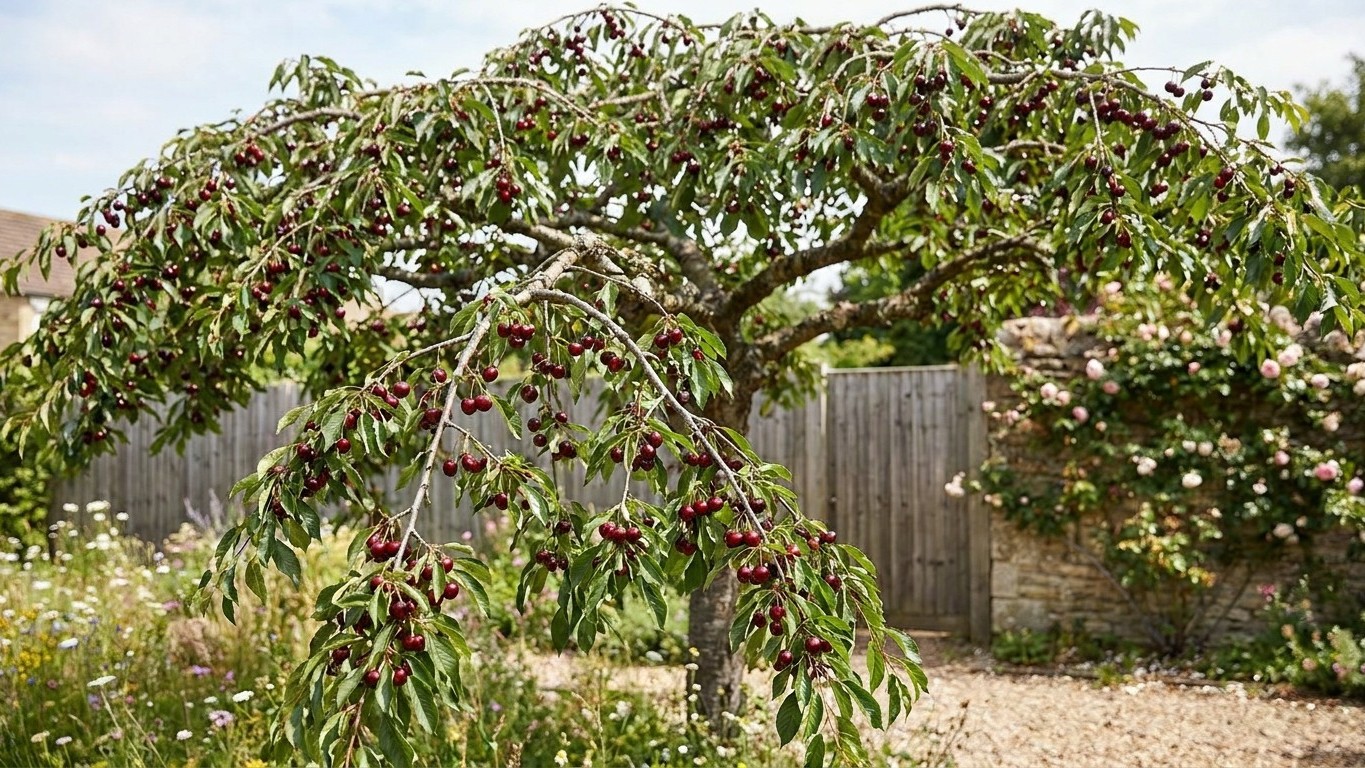
Faire pousser un cerisier avec un noyau : le résultat après sept ans

I sowed the stone of the best cherry of the summer just to get a free tree: seven years later, what I picked had nothing t...

A gardener saved a cherry pit from the season’s best fruit, planted it with confidence, and waited seven years for a harvest that tasted completely different. What seemed like bad luck was actually biology at work, and the explanation reveals why fruit farmers almost never grow from seeds.

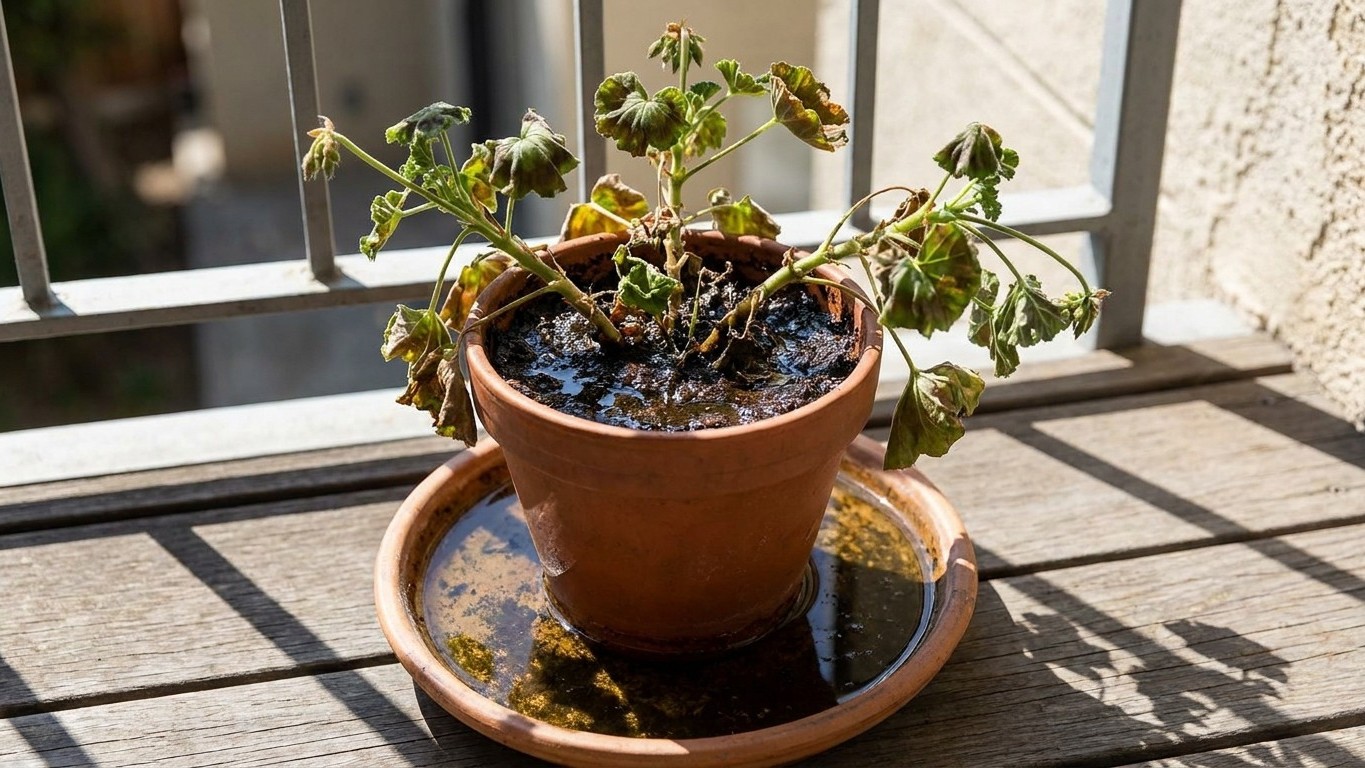
Soucoupes sous les pots en canicule : pourquoi les racines pourrissent

I left the saucers full under my balcony pots through the hot week just to keep the roots damp: seven days later, it was a...

A week of well-intentioned watering turned into a plant graveyard when standing water in saucers suffocated roots instead of protecting them. What feels like drought insurance during a heat wave is actually a root-rotting death trap—and the damage happens faster than you’d think.

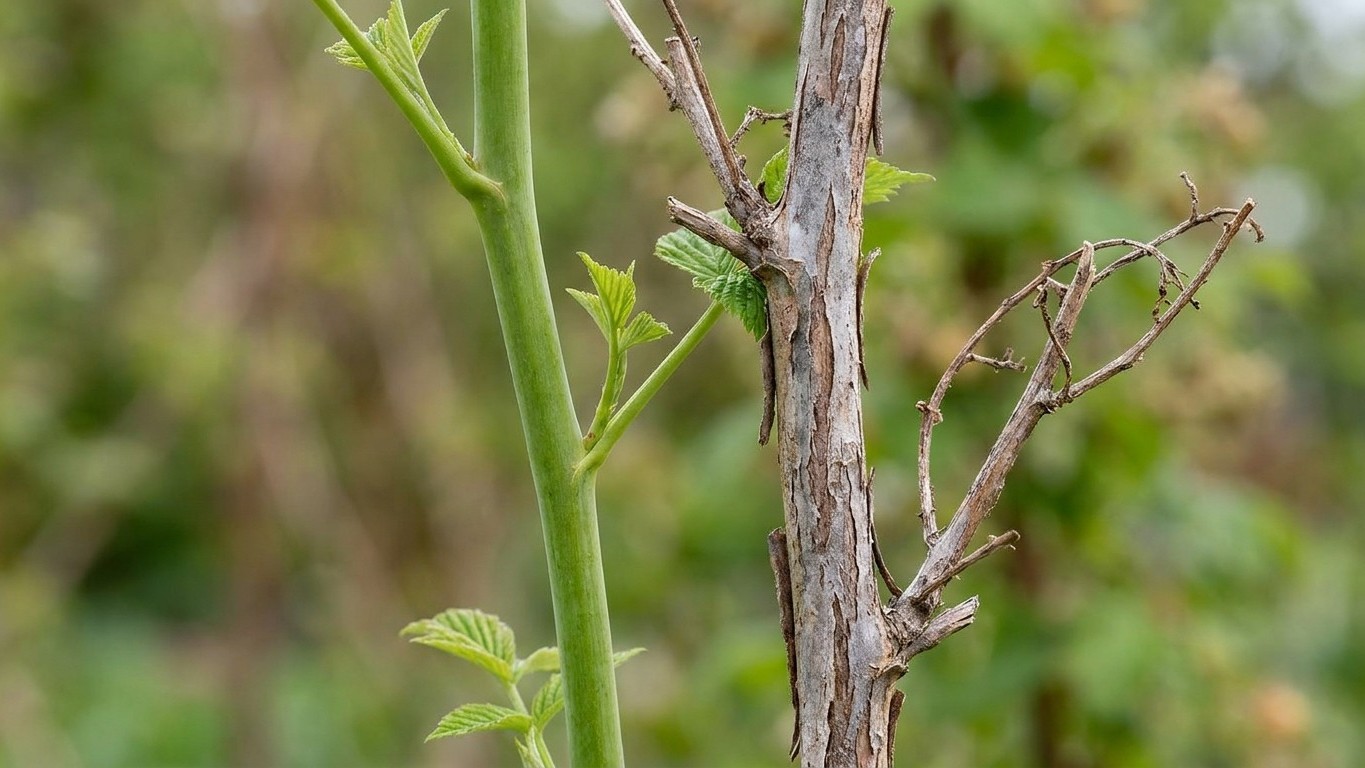
Framboisiers : pourquoi couper toutes les tiges fait perdre la récolte

I cut every raspberry cane down to the ground after the autumn picking just to start the season clean: the following June,...

One pruning mistake can wipe out an entire season of raspberries—and most gardeners don’t realize they’re making it. The secret lies in understanding that raspberries follow two completely different rulebooks depending on variety, and applying the wrong one means watching your neighbor’s row explode with berries while yours stands empty.

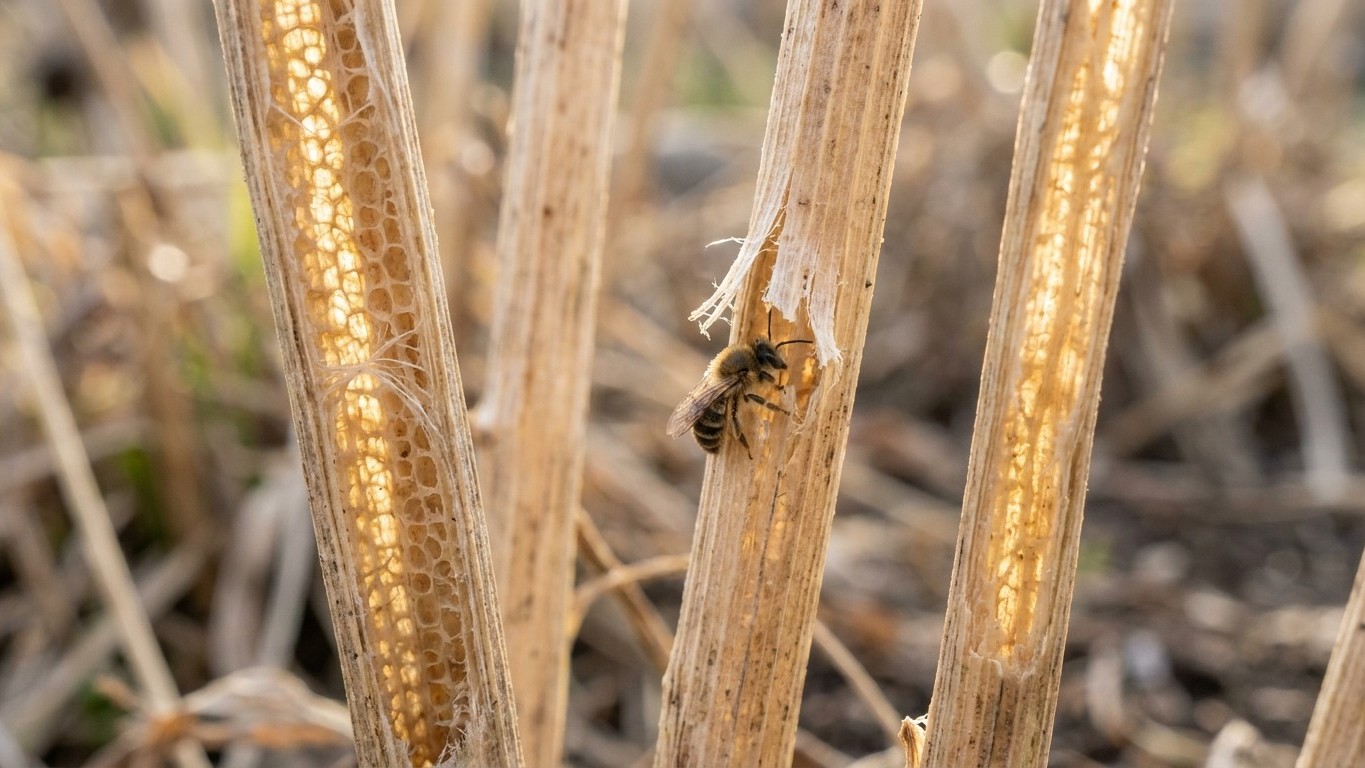
Pourquoi laisser les tiges des vivaces fanées en hiver aide les oiseaux

I cut all my faded perennials down to the ground in August just to tidy the borders: the following spring, I understood wh...

That August cleanup that leaves your borders looking tidy? It’s actually demolishing homes for solitary bees, erasing overwintering sites for butterflies and moths, and eliminating winter food for songbirds. What feels like basic garden hygiene comes with ecological consequences that don’t surface until spring silence arrives.

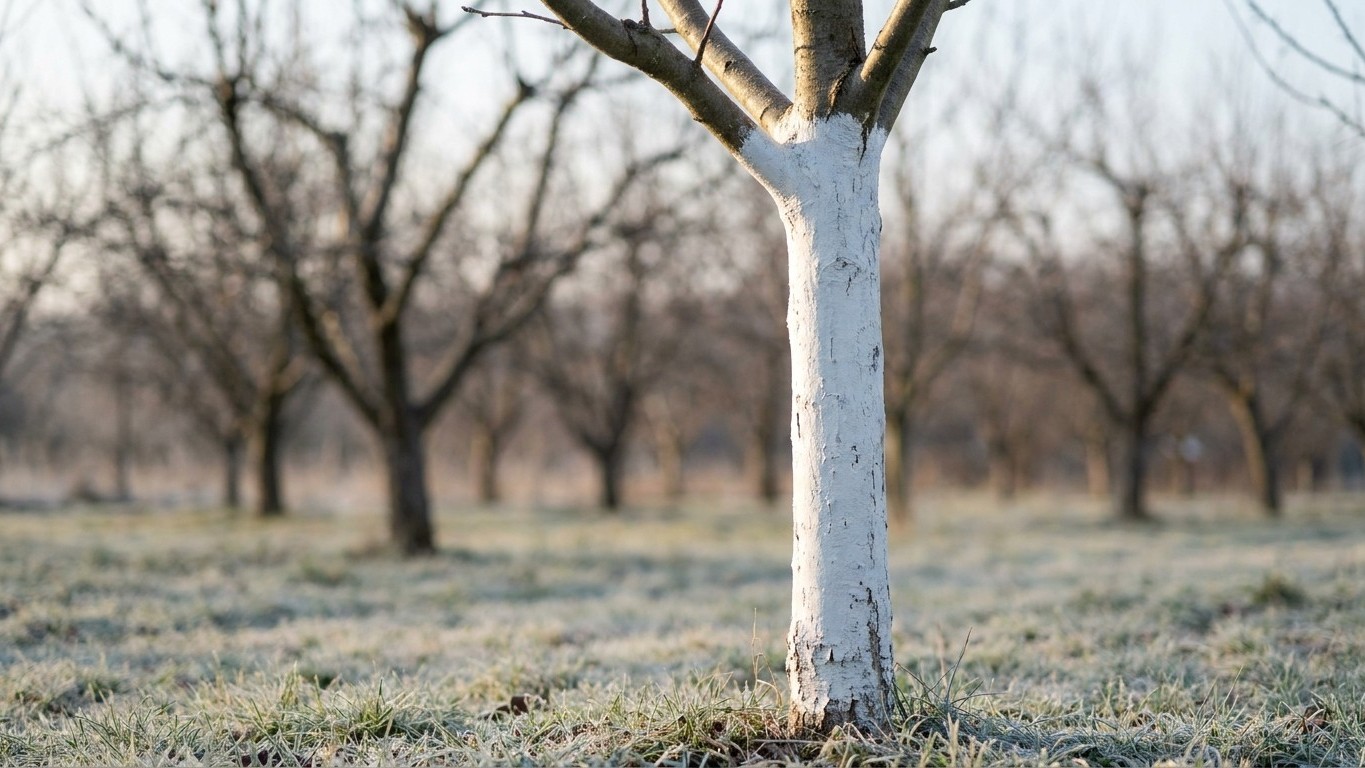
Pourquoi peindre le tronc des arbres fruitiers en blanc avant l’hiver

My neighbour always paints his fruit tree trunks white before the first frosts and it's not to keep insects away

Your neighbor’s annual ritual of painting fruit tree trunks white isn’t primarily about pest control—it’s an ancient trick to prevent sunscald and frost cracks caused by extreme temperature swings. This practice, dating back to ancient Egypt, reflects winter sunlight to keep bark temperature stable and has become standard in commercial orchards worldwide.