Marc de café et restes de cuisine : un engrais gratuit pour le potager
Double Your Garden Harvest With Kitchen Scraps: The Free Fertilizer Secret That Works

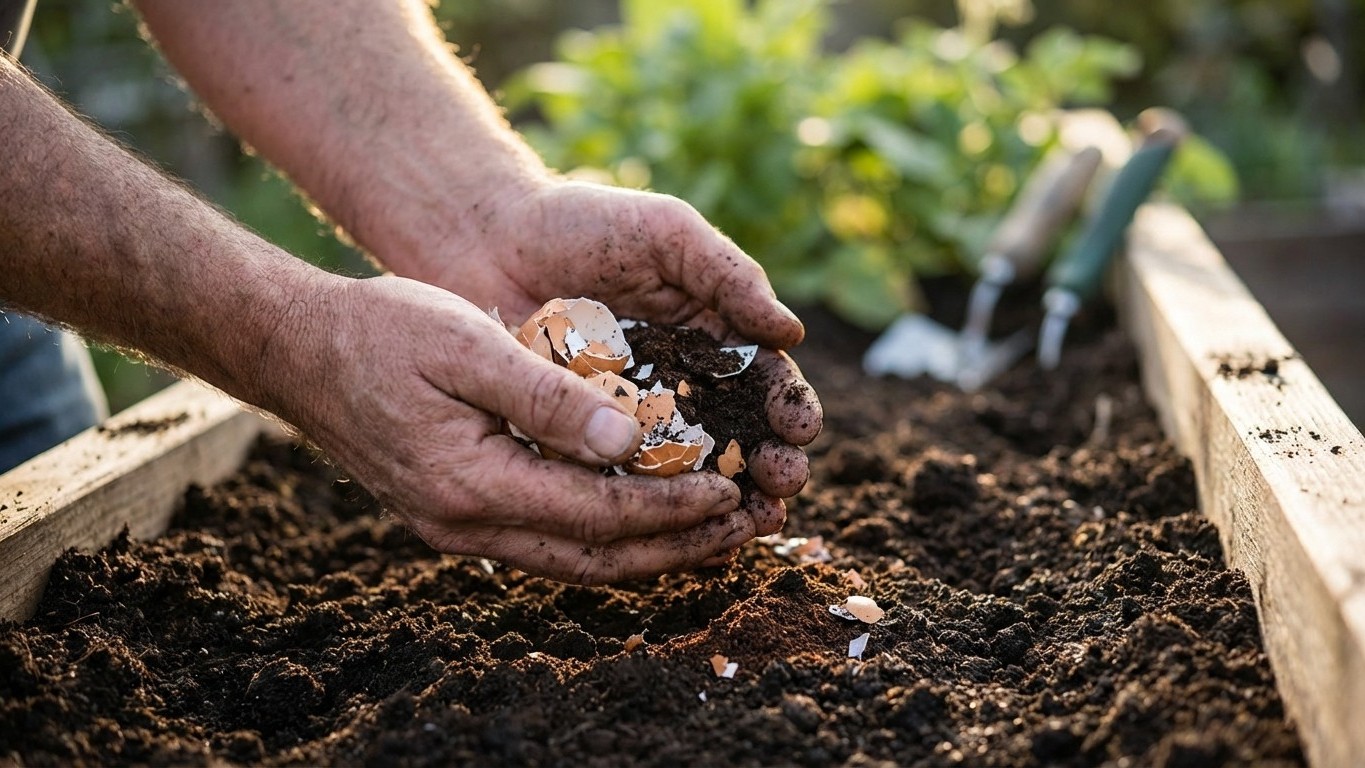
Your kitchen trash contains the nutrients that could transform your garden into a high-yield growing machine. Coffee grounds, banana peels, and eggshells aren’t gardening myths—they’re biological fertilizers that work faster and better than store-bought alternatives when used correctly.
Jardinage sans bêchage : pourquoi laisser le sol intact peut mieux produire

Why This Gardener Stopped Digging—and What She Found Changed Everything

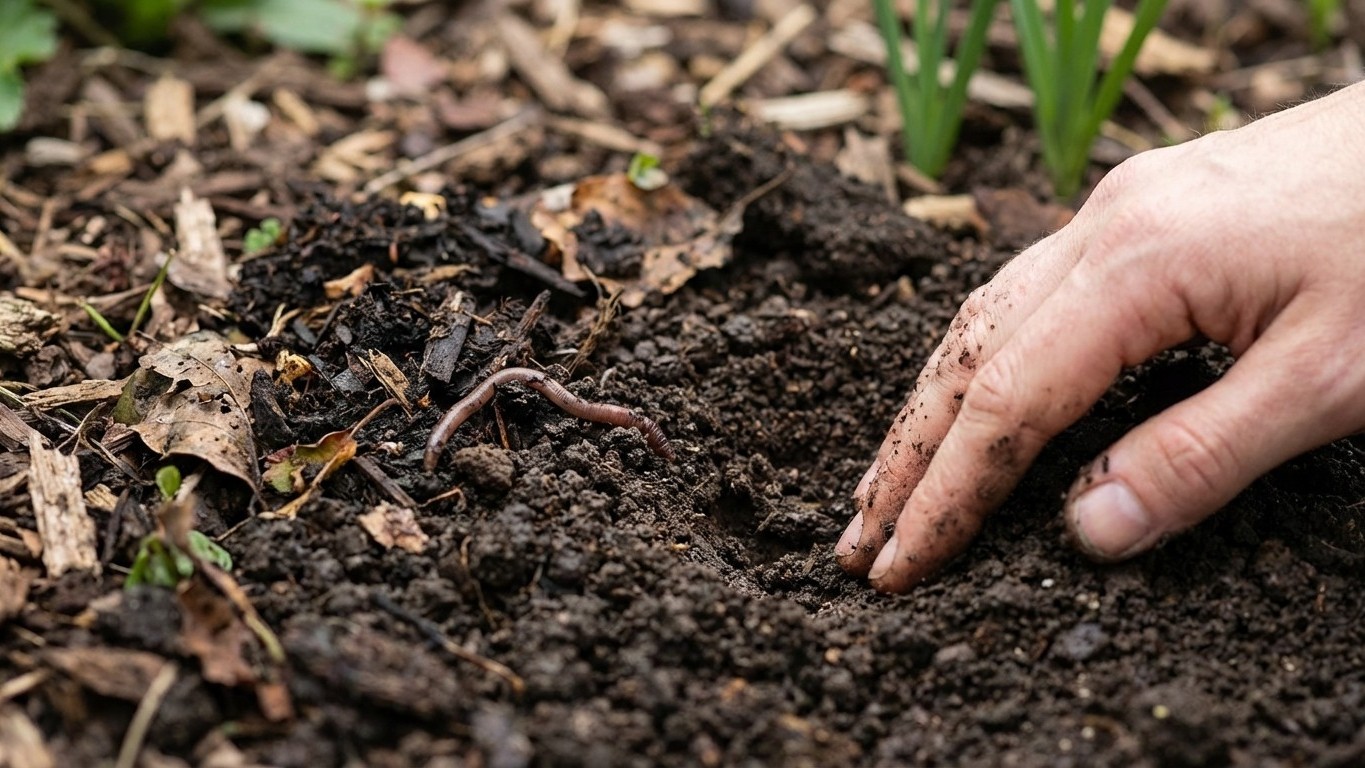
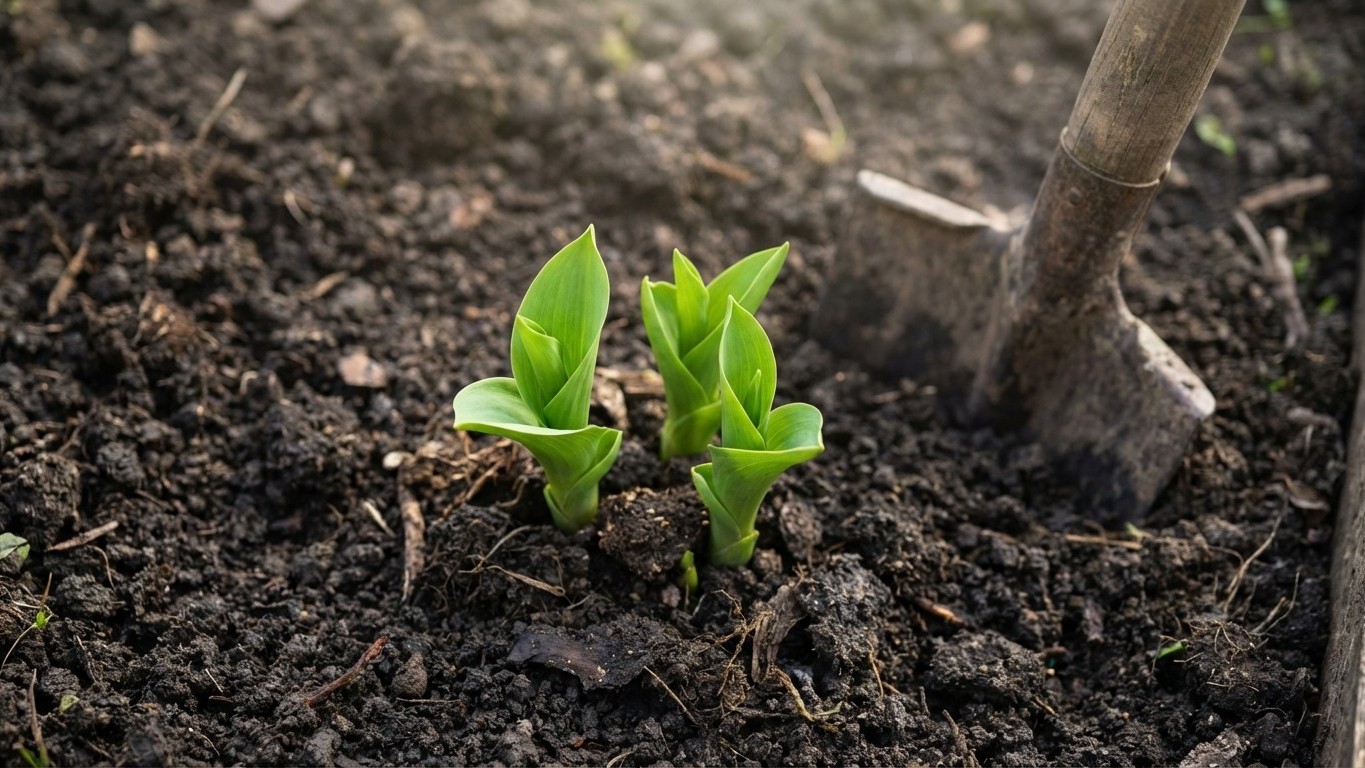
A Vermont gardener abandoned her spade and discovered something unexpected: undisturbed soil outperforms tilled beds. By simply layering compost on top and letting nature work, she unlocked healthier plants, thriving earthworm populations, and dramatic drought resilience—all while doing less work.

Diviser les vivaces au printemps : l’erreur de timing qui coûte des fleurs

Spring Perennial Division: The Timing Mistake That's Costing You Blooms

For years, dividing perennials every spring felt like responsible gardening—until the missing blooms told a different story. The mistake isn’t dividing in spring, it’s the exact moment you choose to dig. Timing within those crucial weeks separates thriving gardens from disappointing ones.

Asclépiade tubéreuse : une vivace sans arrosage qui fleurit six mois

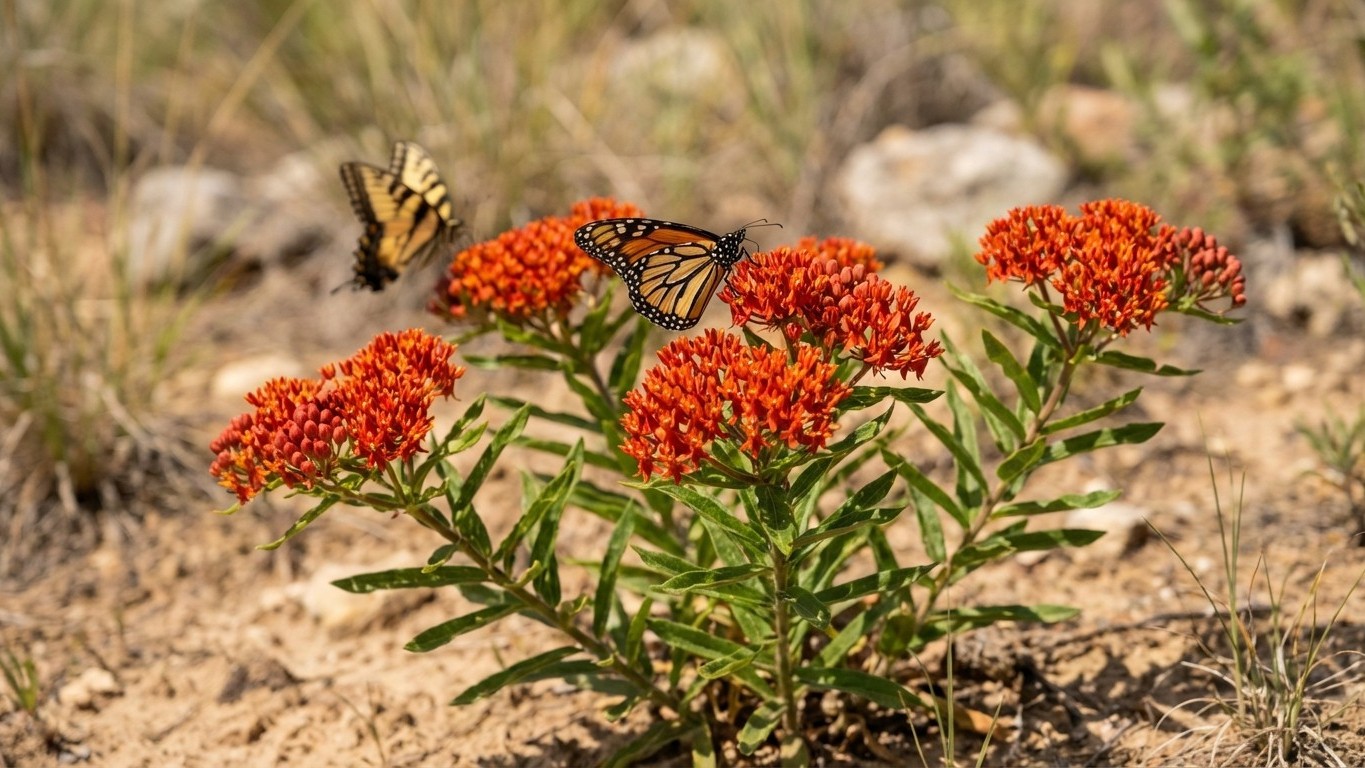
Butterfly Weed: The Drought-Proof Perennial That Blooms for 6 Months and Saves Monarchs

Butterfly weed (Asclepias tuberosa) is a native North American perennial that blooms for six months without supplemental watering while attracting dozens of butterfly species. Once established, this drought-proof plant asks for almost nothing—yet it’s the only host plant for endangered monarch caterpillars and supports over 450 pollinator species. Learn why this overlooked ‘weed’ deserves a place in every garden.

Le marcottage au sol pour multiplier les arbustes au printemps

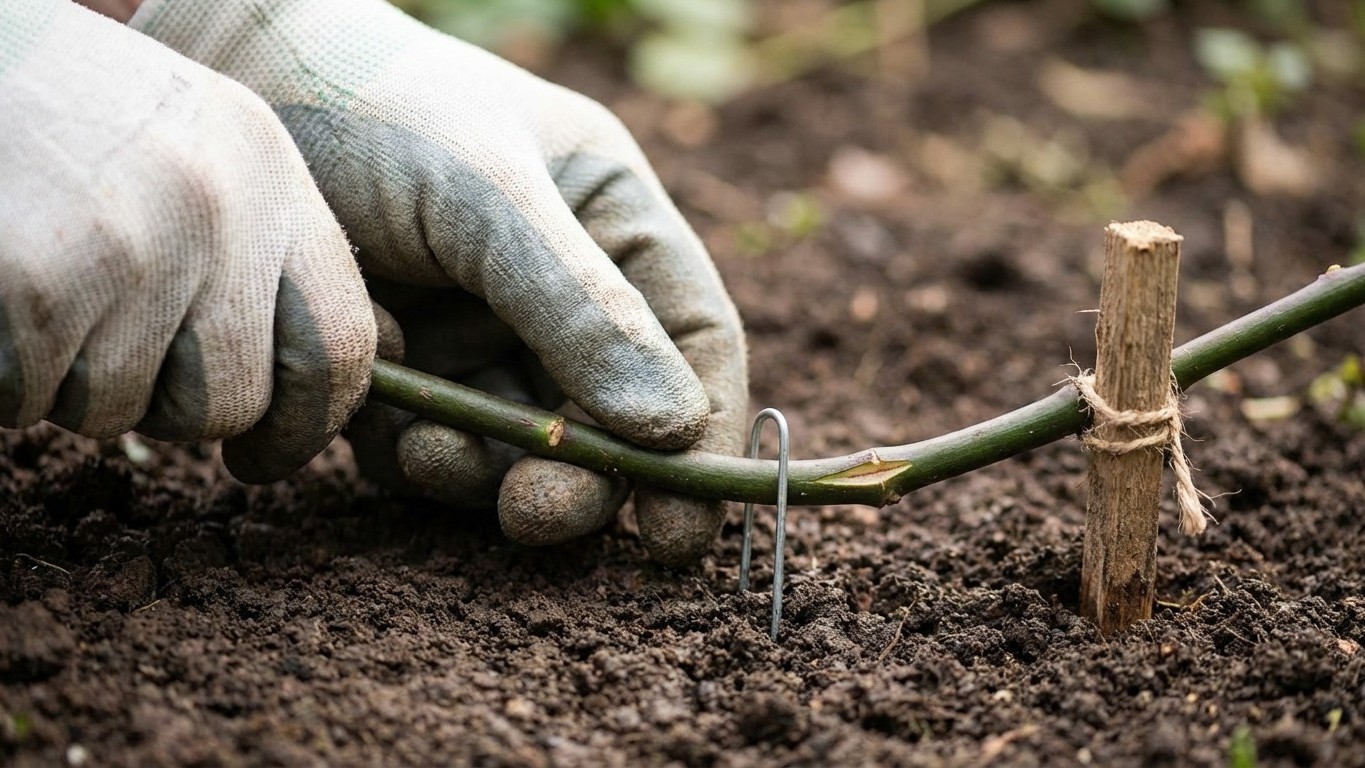
Stop Wasting Cuttings: The Ground Layering Method That Multiplies Your Shrubs in Spring

For years, gardeners have struggled with propagating shrubs through cuttings—with a dismal success rate. Ground layering changes everything by letting the parent plant do the work while the cutting develops roots naturally. This spring technique is so effective it can turn a single forsythia into a dozen new plants.

Comment un petit trou dans le jardin attire les pollinisateurs

How a Tiny Hole in My Yard Became a Pollinator Paradise

With just one shovel and twenty minutes of digging, a homeowner created an unexpected wildlife hotspot. A shallow, unlined hole filled with sand became the neighborhood’s most popular destination for bees, butterflies, and native pollinators—revealing a critical habitat need most gardeners overlook.

Quelle plante grimpante invasive envahit les jardins et comment la stopper ?

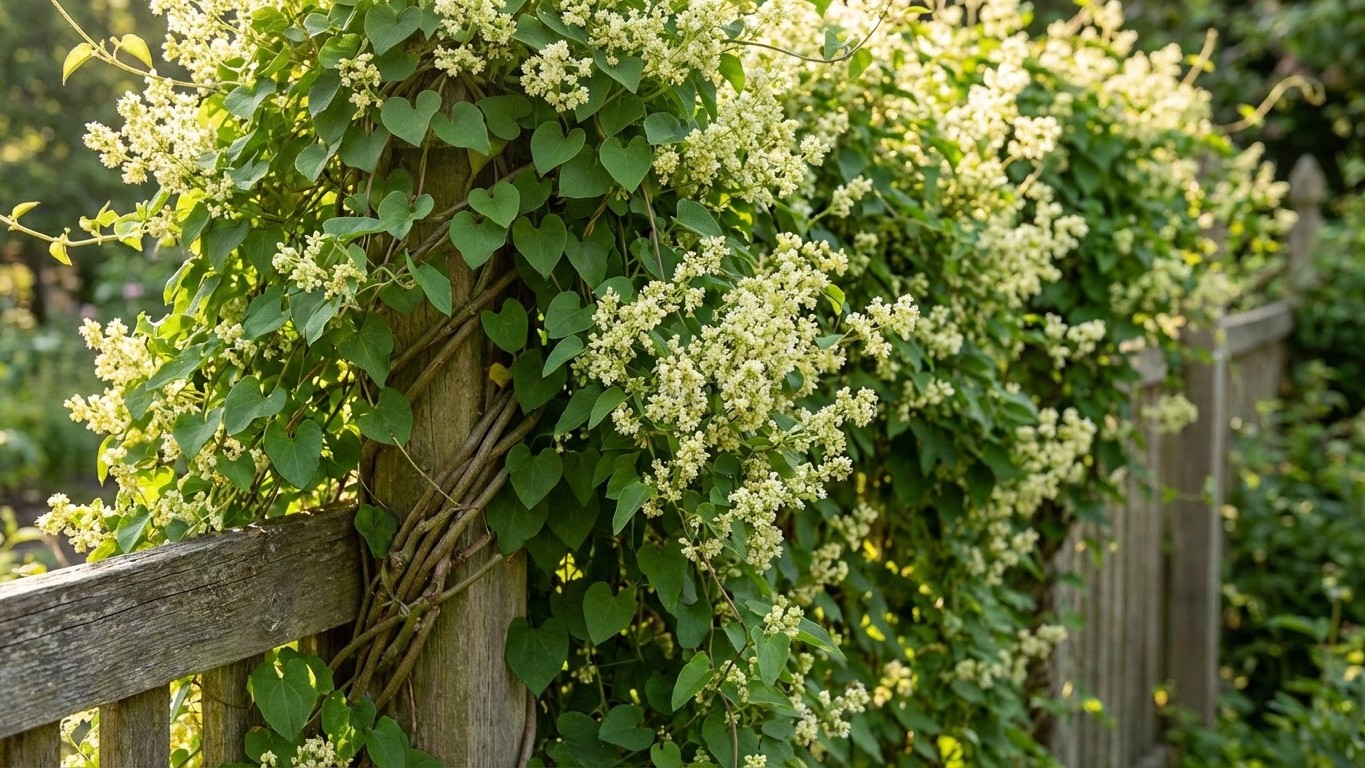
The Invasive Climbing Plant Choking European Gardens Is Now Spreading in America — Here's How to Stop It

A deceptively charming vine that grows a foot per day is spreading through gardens across Europe and America, strangling trees and smothering everything in its path. Once established, these invasive climbers become a multi-year removal nightmare. Here’s what you need to know to identify and eliminate them before they colonize your entire yard.

L’erreur de mars qui peut ruiner toute la récolte de l’été

The March Mistake That Will Ruin Your Entire Summer Harvest

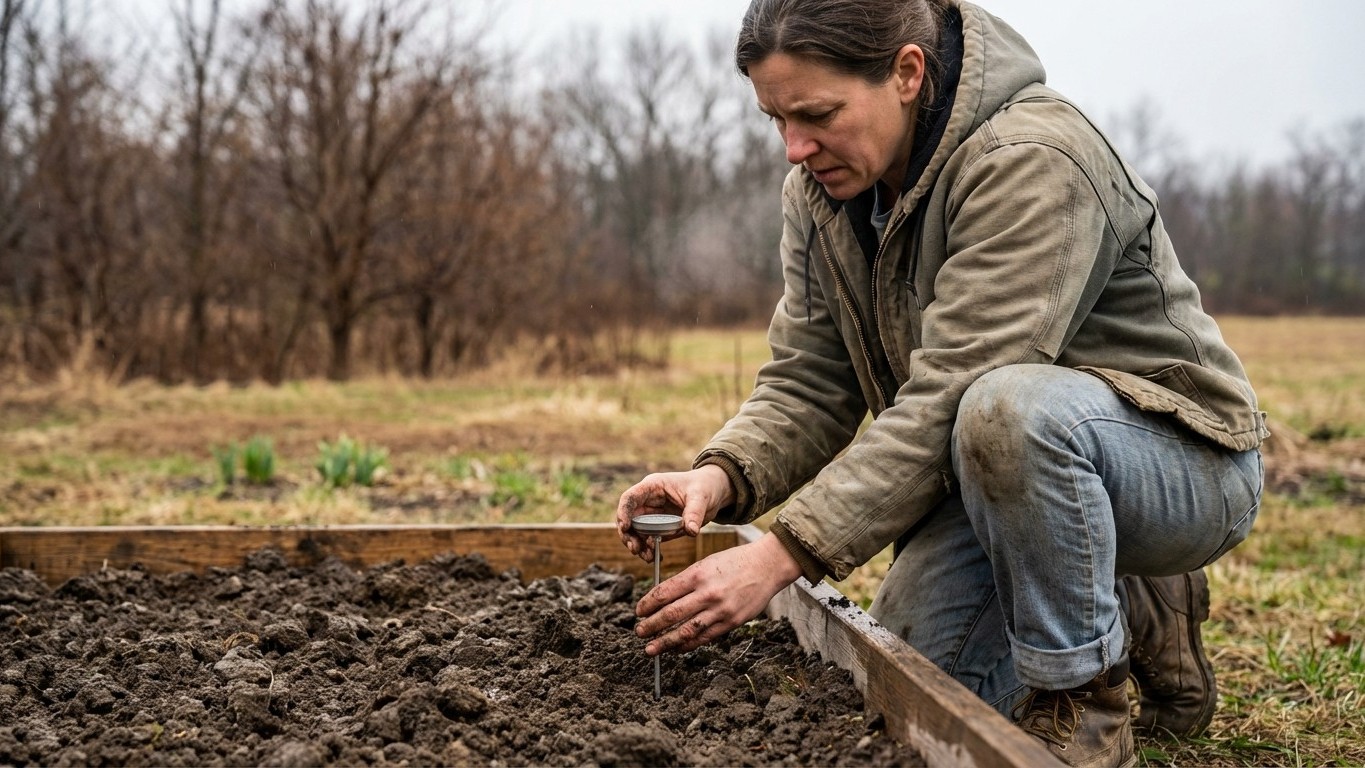
Planting warm-season crops too early in March is the hidden reason many home gardens underperform all summer. Cold soil temperatures stall root development and nutrient absorption, leaving plants stunted weeks behind. The key to a bountiful harvest lies in understanding soil temperature, not air temperature, and knowing which crops thrive in spring’s cool soil.