Why Your Plant Saucers Are a Tiger Mosquito Breeding Ground—And What to Do About It

Why Your Plant Saucers Are a Tiger Mosquito Breeding Ground—And What to Do About It

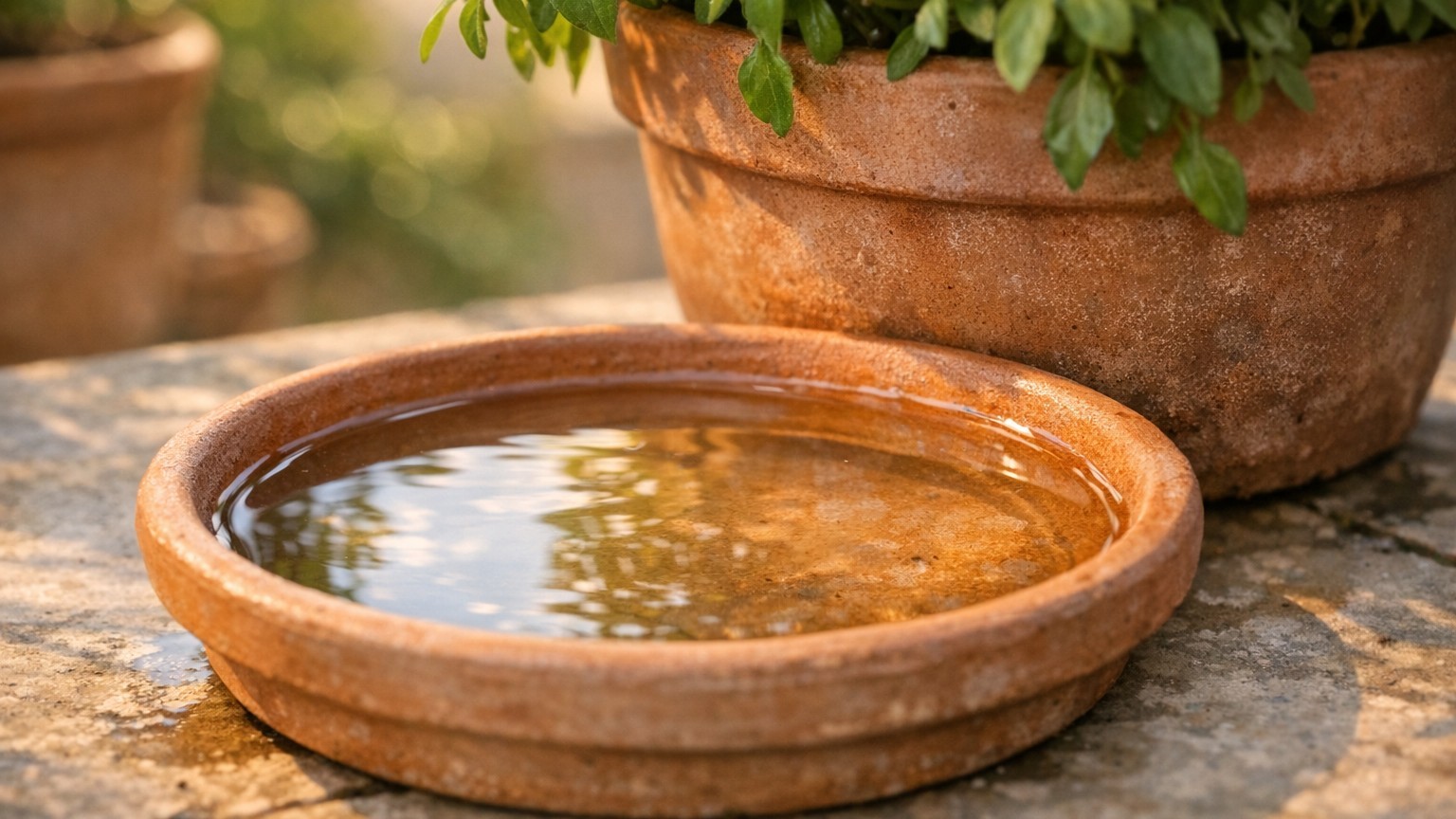
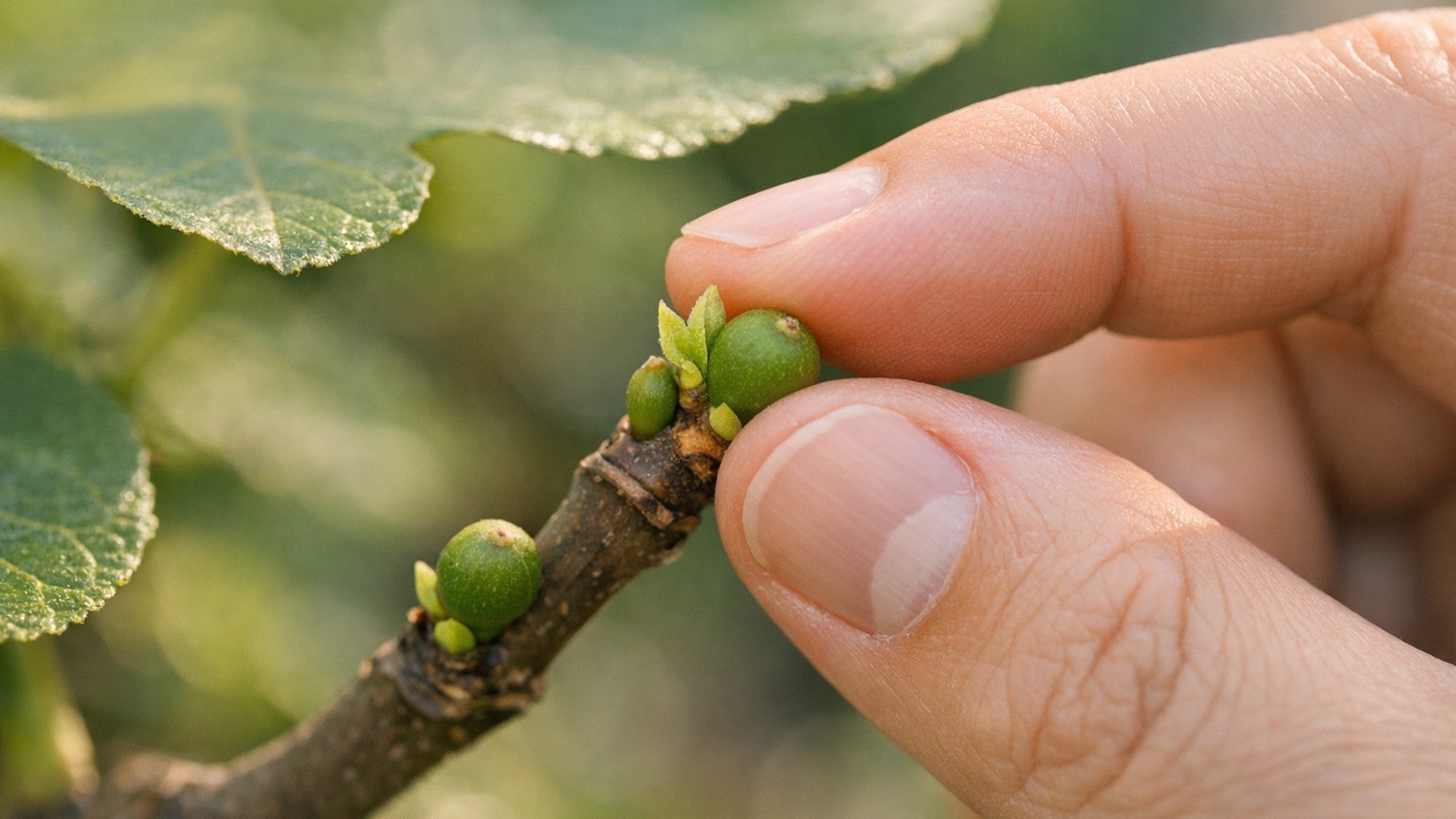
A single tablespoon of water in a plant saucer is all it takes for tiger mosquitoes to multiply exponentially. After discovering this connection following a wet June, one gardener uncovered why these overlooked containers are the real culprit behind summer mosquito invasions—and what genuinely stops them.

Why Your Compost Pile Reeks of Ammonia: The Grass Clipping Mistake Everyone Makes

Why Your Compost Pile Reeks of Ammonia: The Grass Clipping Mistake Everyone Makes

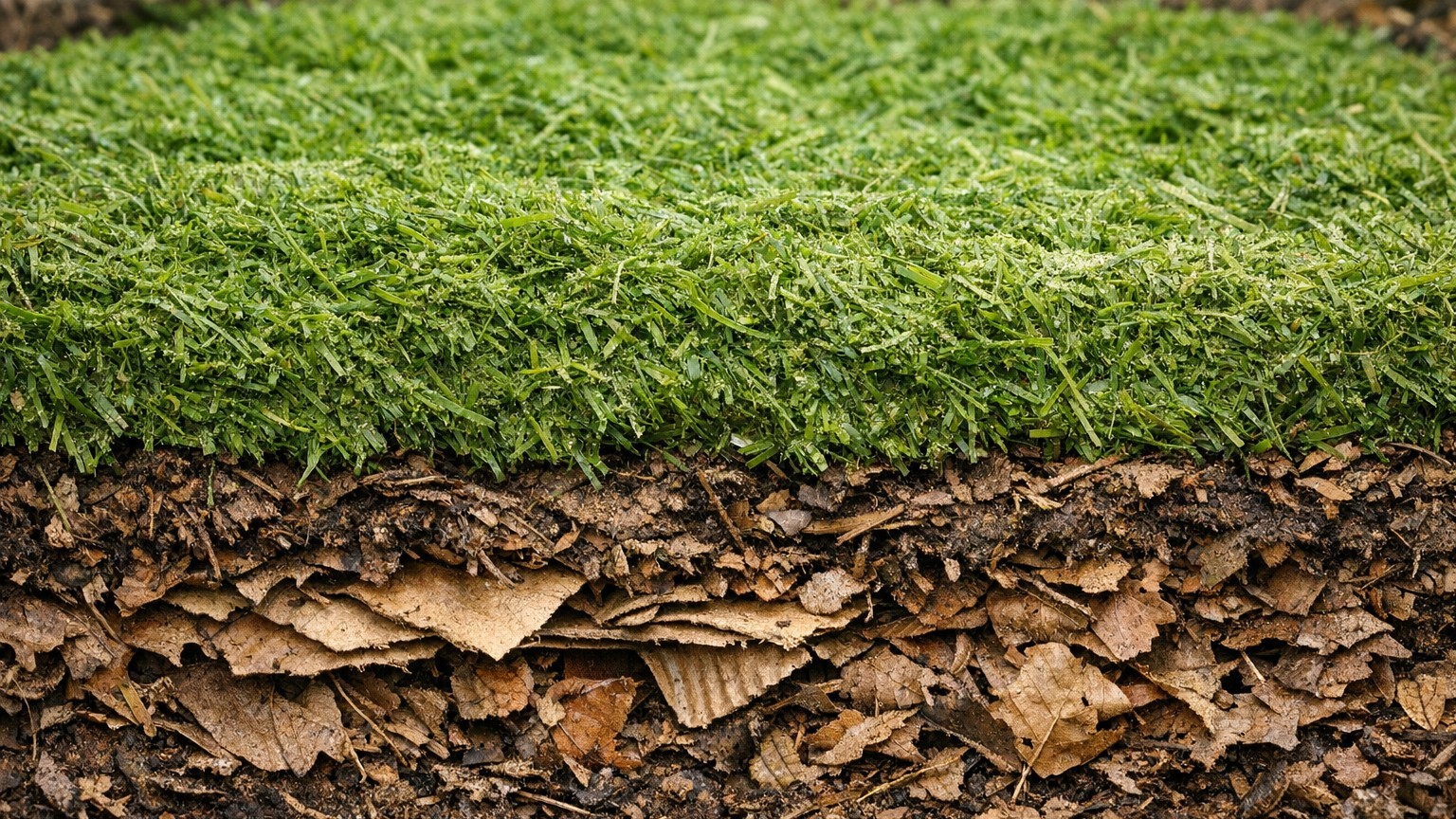
Fresh grass clippings seem like perfect compost gold—until they mat into an airless, oxygen-starved layer that breeds ammonia instead of nutrients. Learn the simple balance that transforms grass clippings from a problem into finished compost in just weeks.

Why Your Grandfather Was Right: The Simple Stone Trick That Stops Tomato Problems Before They Start

Why Your Grandfather Was Right: The Simple Stone Trick That Stops Tomato Problems Before They Start

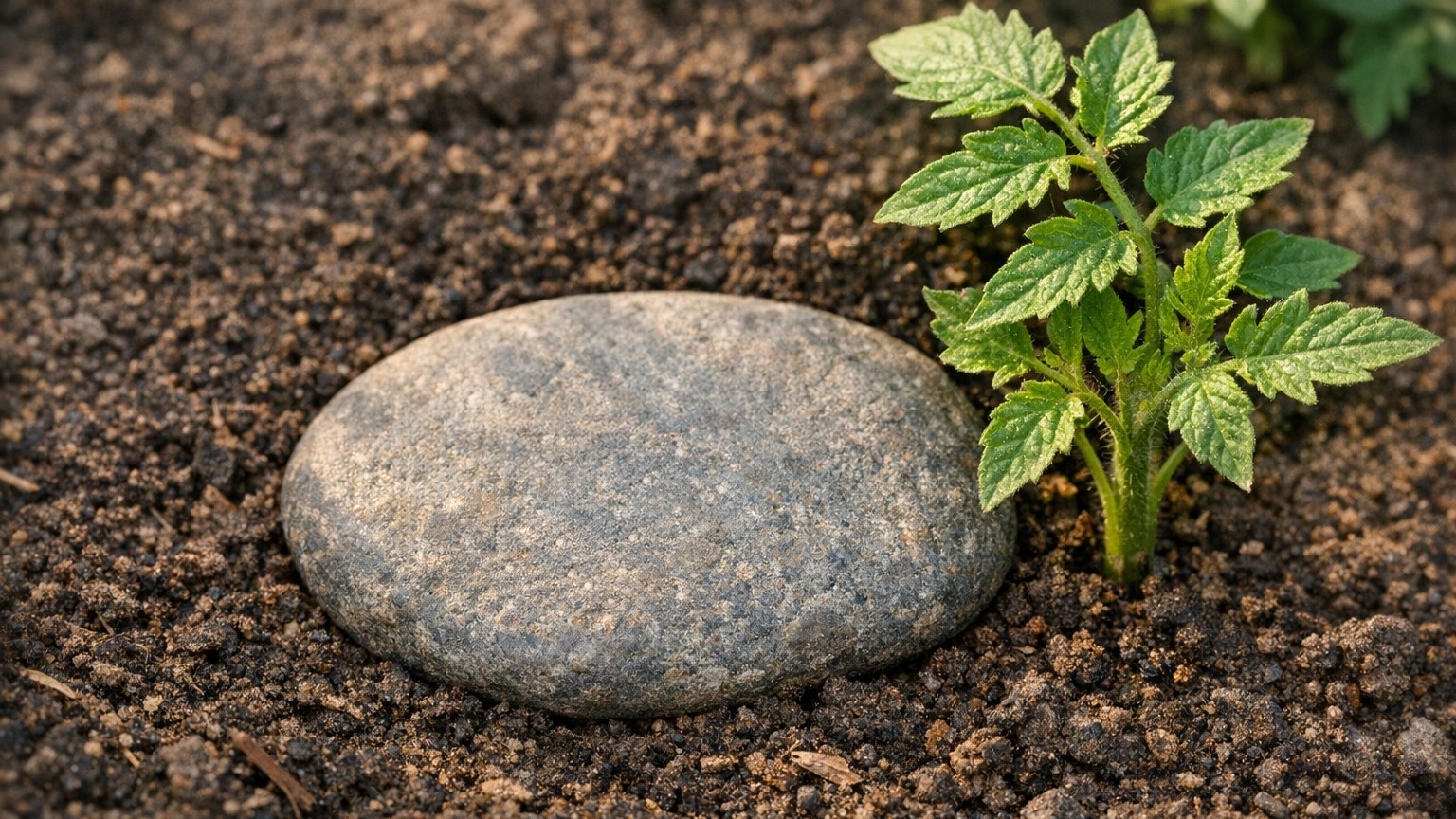
For decades, gardeners have quietly placed flat stones next to tomato plants—a trick rooted in thermal mass physics and moisture management that prevents blossom end rot and fruit cracking. What seems like a harmless ritual is actually backed by agricultural science and centuries of winemaking tradition.

I Scattered Slug Pellets for Years Until My Neighbor Showed Me What Was Dying in My Garden

I Scattered Slug Pellets for Years Until My Neighbor Showed Me What Was Dying in My Garden

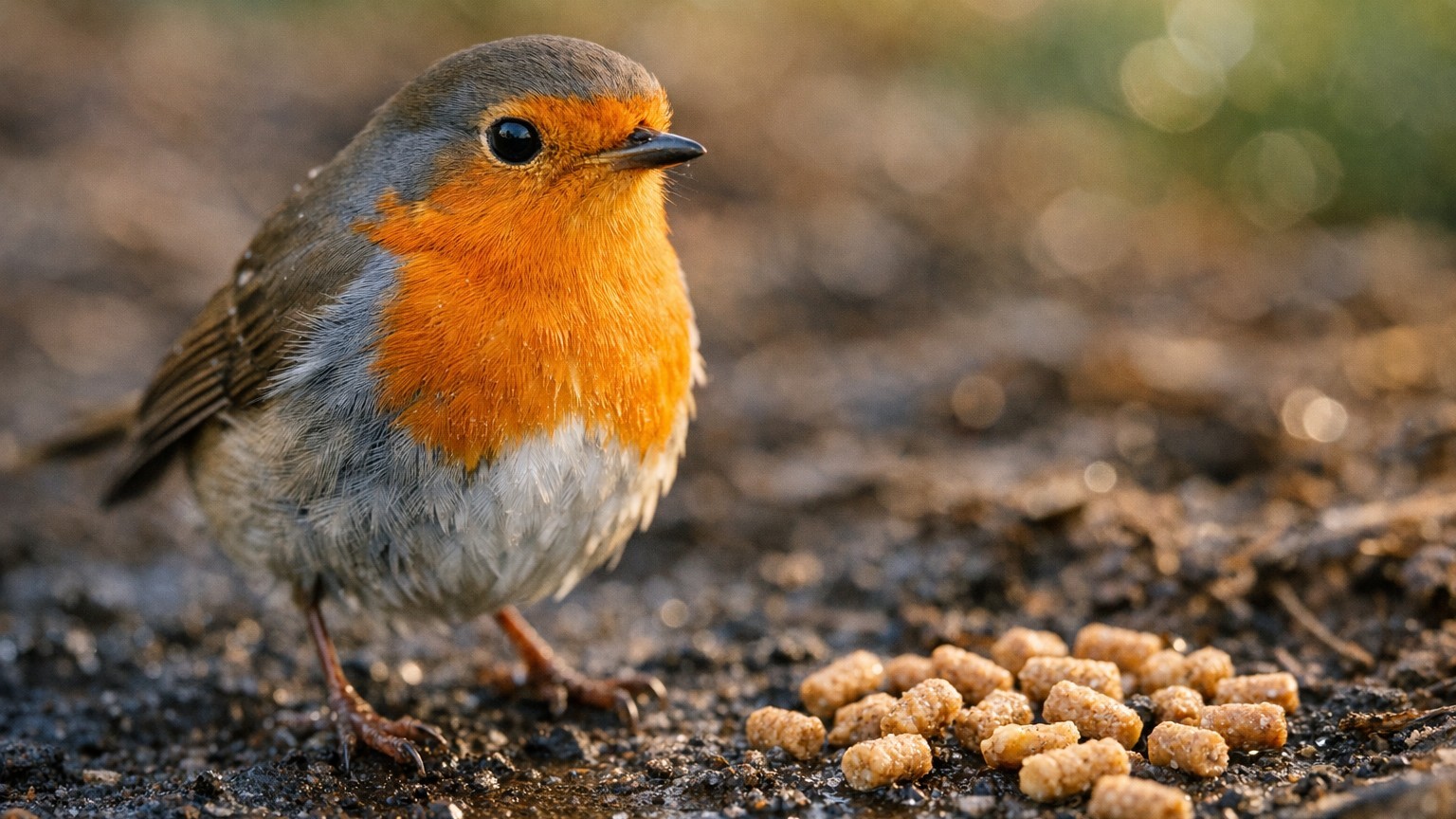
A gardener’s routine slug control habit takes a dark turn when her neighbor reveals the cost: poisoned wildlife and a garden losing its natural balance. What started as pest management became an ecological wake-up call.

The White Film on Your Cucumber Leaves Reveals a Growing Mistake—Here’s How to Fix It

The White Film on Your Cucumber Leaves Reveals a Growing Mistake—Here's How to Fix It

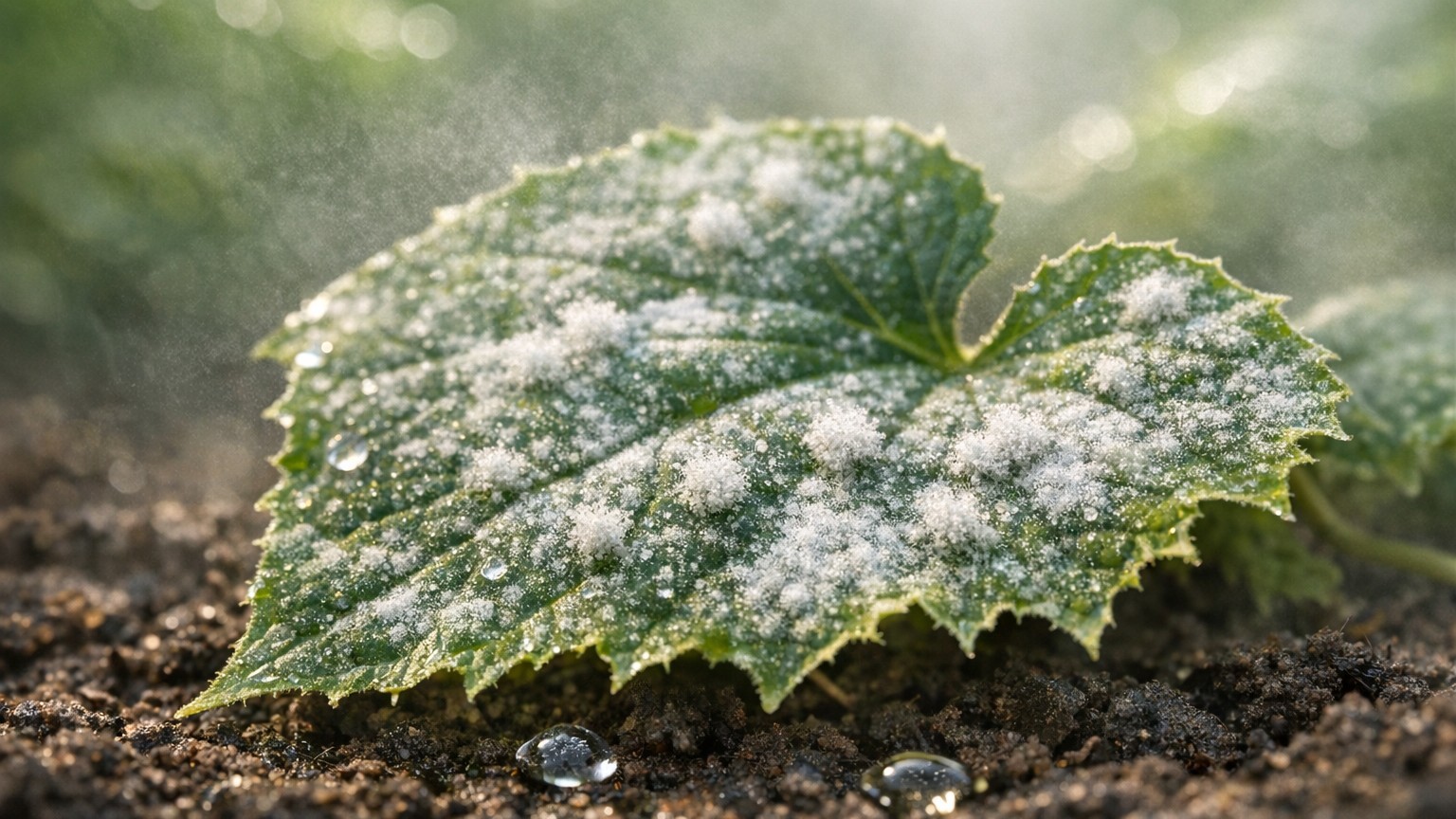
That white powdery coating creeping across your cucumber leaves by mid-July isn’t inevitable—it’s a structural problem caused by vines sprawling flat on damp soil. After three summers of stunted, bitter fruit, one gardener discovered the culprit: leaf wetness duration, not rainfall itself. Vertical training, proper spacing, and resistant varieties can eliminate this disease before it destroys your crop.