Pourquoi préparer le sol trois semaines avant les semis limite les herbes
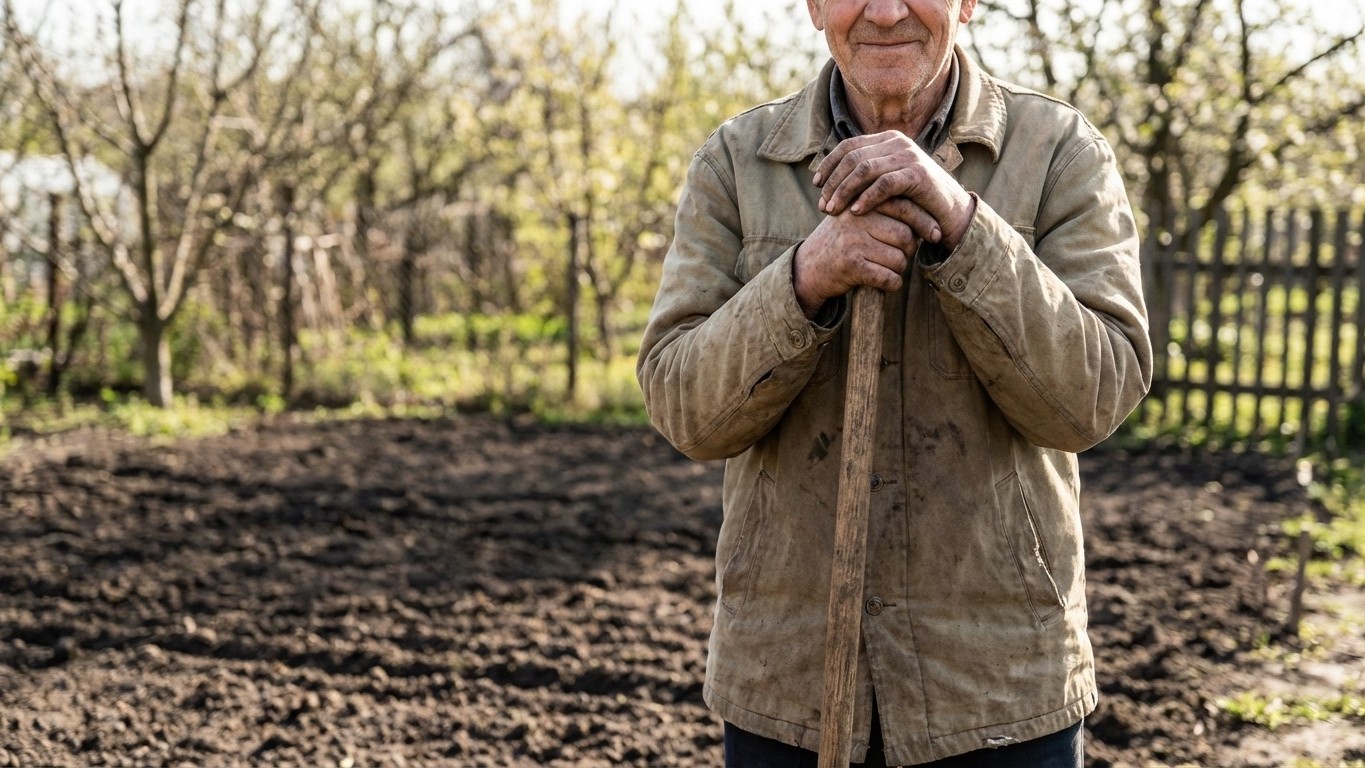
The Secret Three-Week Head Start: How Expert Gardeners Outsmart Weeds Before Planting

Expert gardeners aren’t fighting weeds in June—they’re eliminating them before planting a single seed. By deliberately triggering weed germination three weeks early, then destroying the young seedlings, they deplete the soil’s weed seed bank. The result: nearly weed-free beds while neighbors battle the hoe.
Le marc de café est-il bon ou mauvais pour le sol du jardin ?

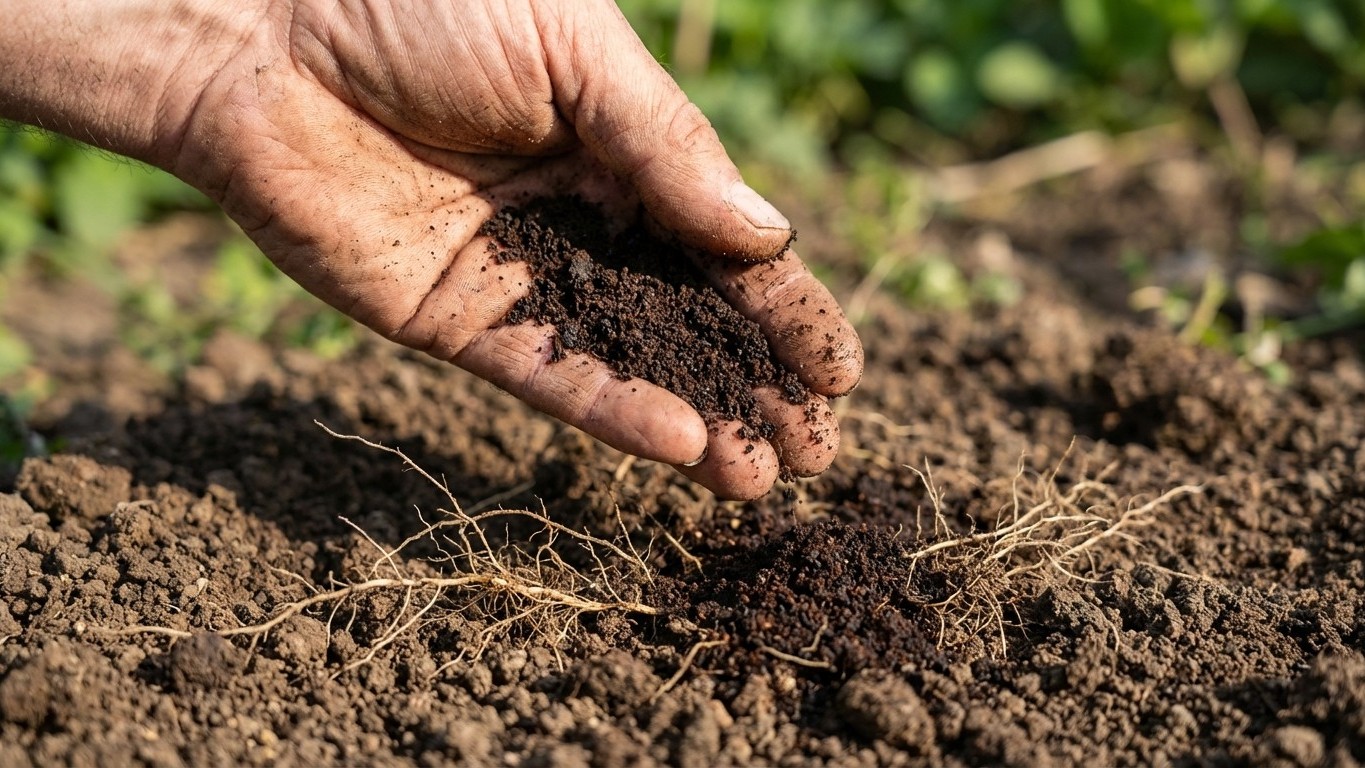
I've Been Killing My Garden With Coffee Grounds—And So Have You

For years, gardeners have scattered coffee grounds as free fertilizer, but soil science reveals a more troubling reality. What looks like a helpful amendment may actually be compacting soil, locking up nutrients, and releasing allelopathic compounds that stunt root growth.

Pourquoi arroser les tomates le soir après repiquage peut les tuer

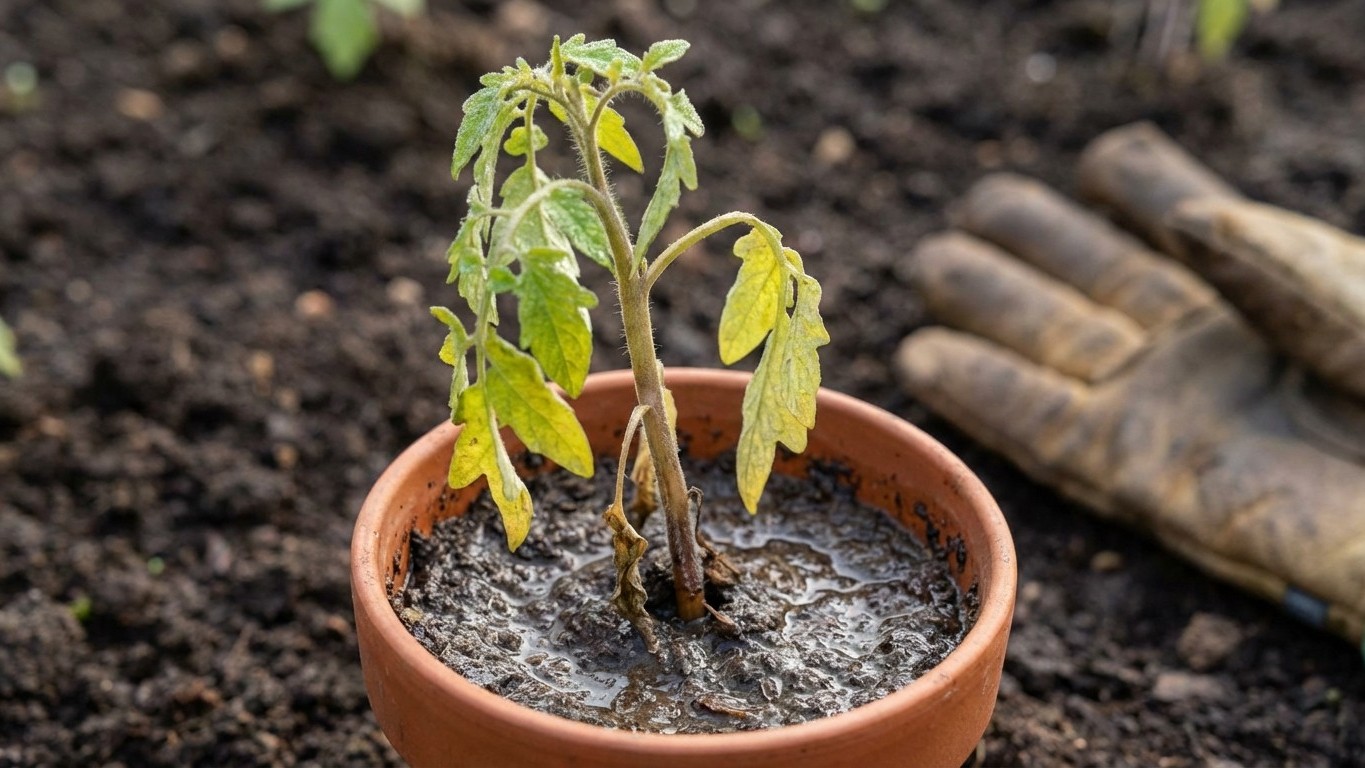
Why Evening Watering Kills Transplanted Tomatoes: The April Gardening Mistake That Looks Like Care

Fourteen seedlings. Two weeks. All gone. The culprit isn’t neglect—it’s overwatering at night, a mistake that mimics care but suffocates roots. Discover why drooping leaves don’t always mean thirst, and how a simple timing shift can transform your tomato harvest.

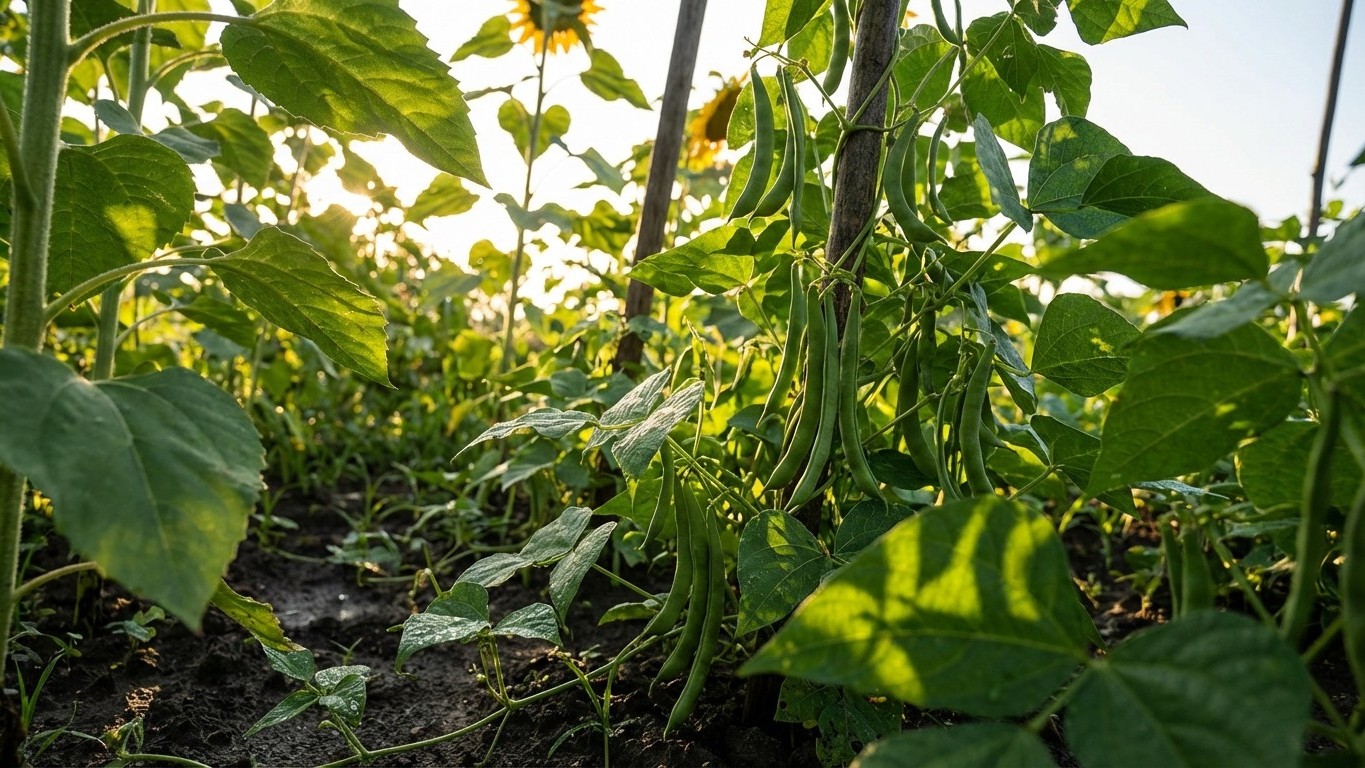
Pourquoi les anciens plantaient des tournesols à côté des haricots

The Forgotten Garden Secret: Why Old Farmers Planted Sunflowers Next to Beans

Before shade cloth existed, gardeners planted sunflowers strategically beside bean rows to solve a botanical problem modern gardeners ignore. This wasn’t folklore—it was applied plant science that worked with precision, delivering shade, nitrogen cycling, and pollinator attraction simultaneously.

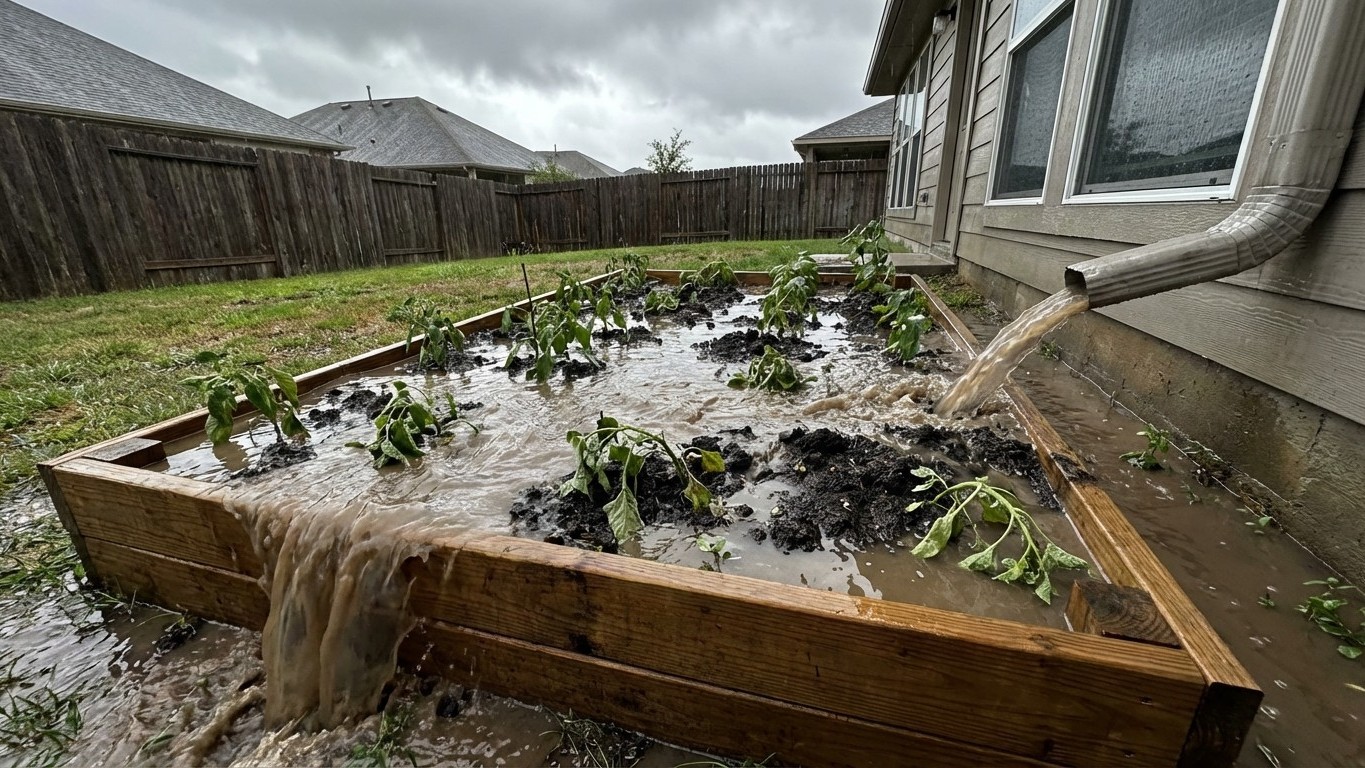
Pourquoi une mauvaise pente transforme un potager surélevé en zone inondée

How a Single Slope Mistake Turned My Raised Garden Bed Into a Flood Zone

One gardener’s experiment in water conservation became a disaster when a connected downspout overwhelmed his raised bed during heavy rain. The culprit wasn’t the idea itself, but a critical slope calculation and lack of flow regulation that sent hundreds of gallons straight into his soil.

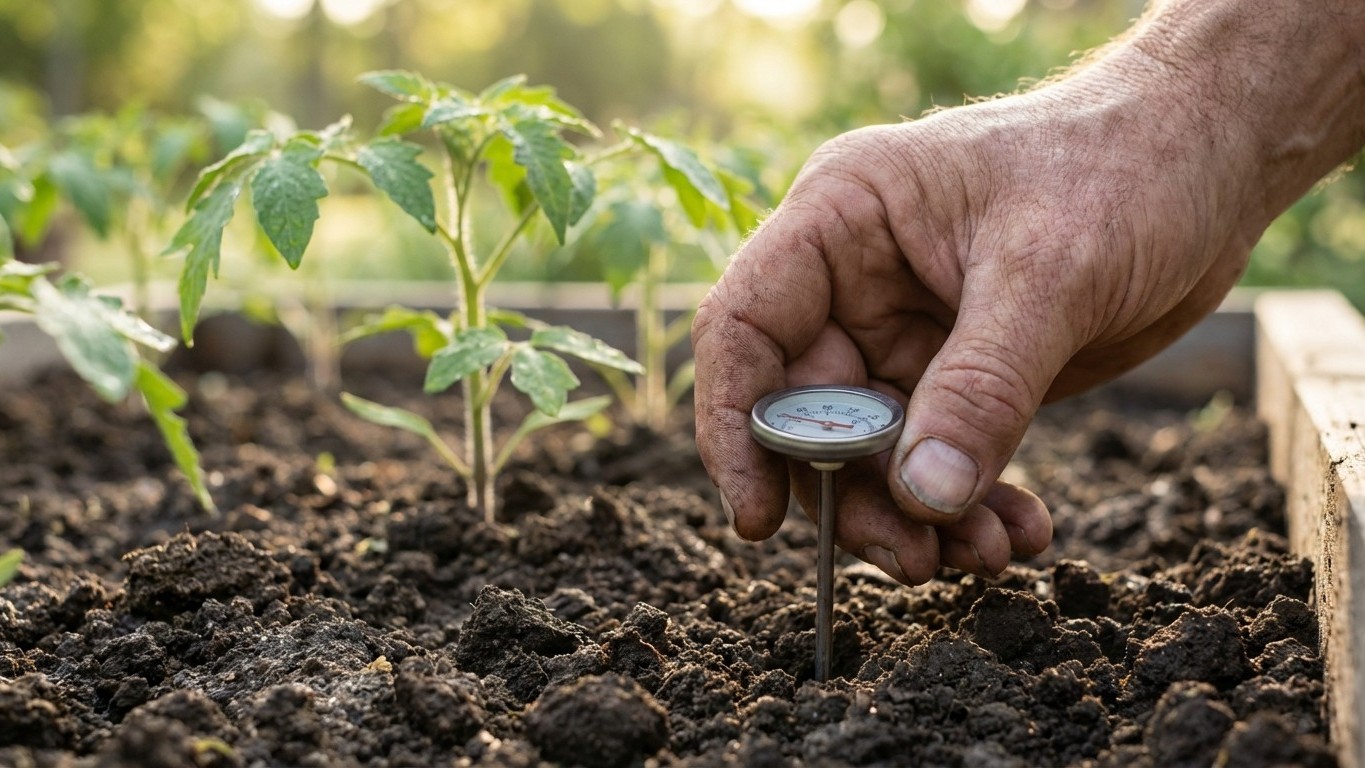
Pourquoi vérifier la température du sol avant de planter évite les maladies

The Hidden Ritual Old-Time Gardeners Never Skipped: Why Soil Temperature Stops Root Disease Before It Starts

Before planting tomatoes in late March, old-timers performed one crucial ritual that modern gardeners ignore: they checked soil temperature. This single act stops deadly root diseases before they start, preventing the underground damage that shows up too late to save your crop.

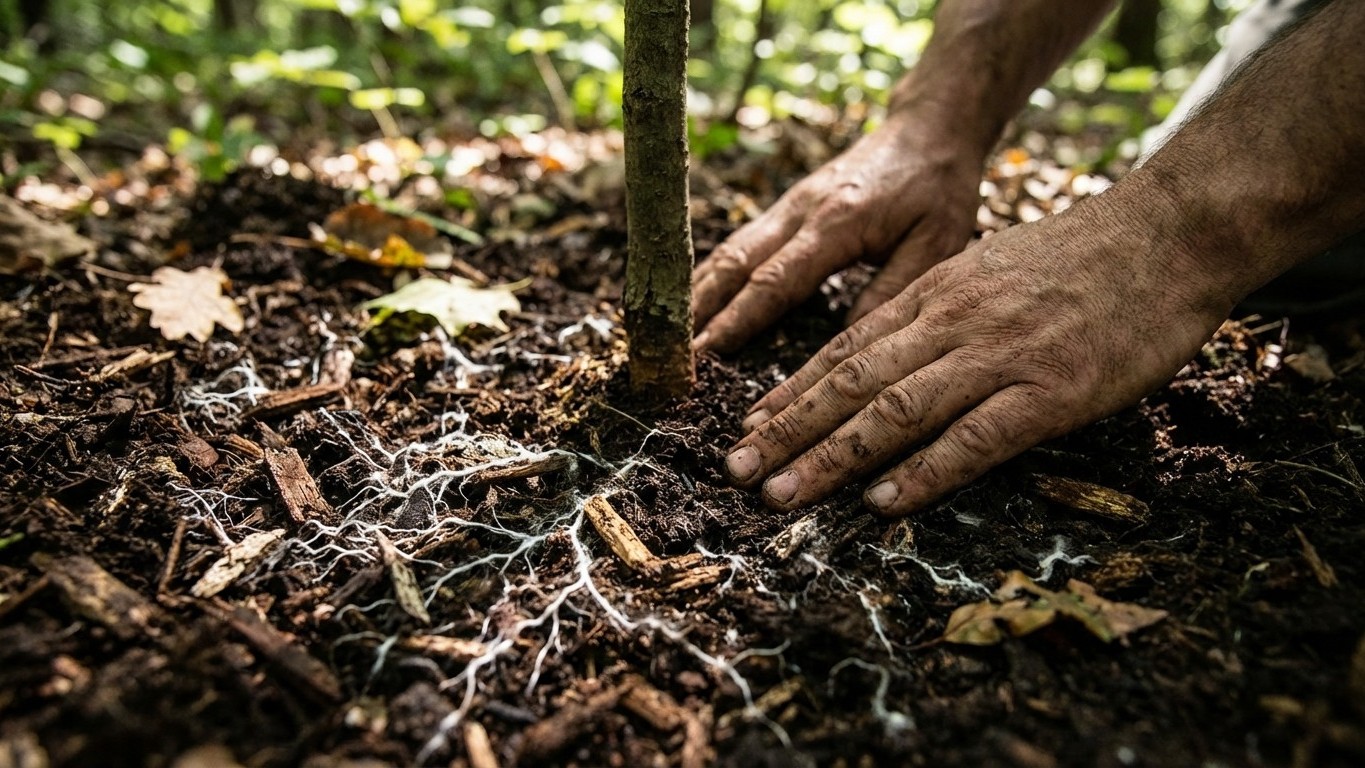
Comment créer un sol vivant sans engrais avec des branches broyées

The Crushed Branch Secret: How Old-Time Gardeners Built Living Soil Without Fertilizer

Old-time gardeners understood a secret the forest has been perfecting for centuries: crushed young branches decompose into soil-building gold. This forgotten technique, now called BRF, increases organic matter by 200% in three years—without a single bag of fertilizer.

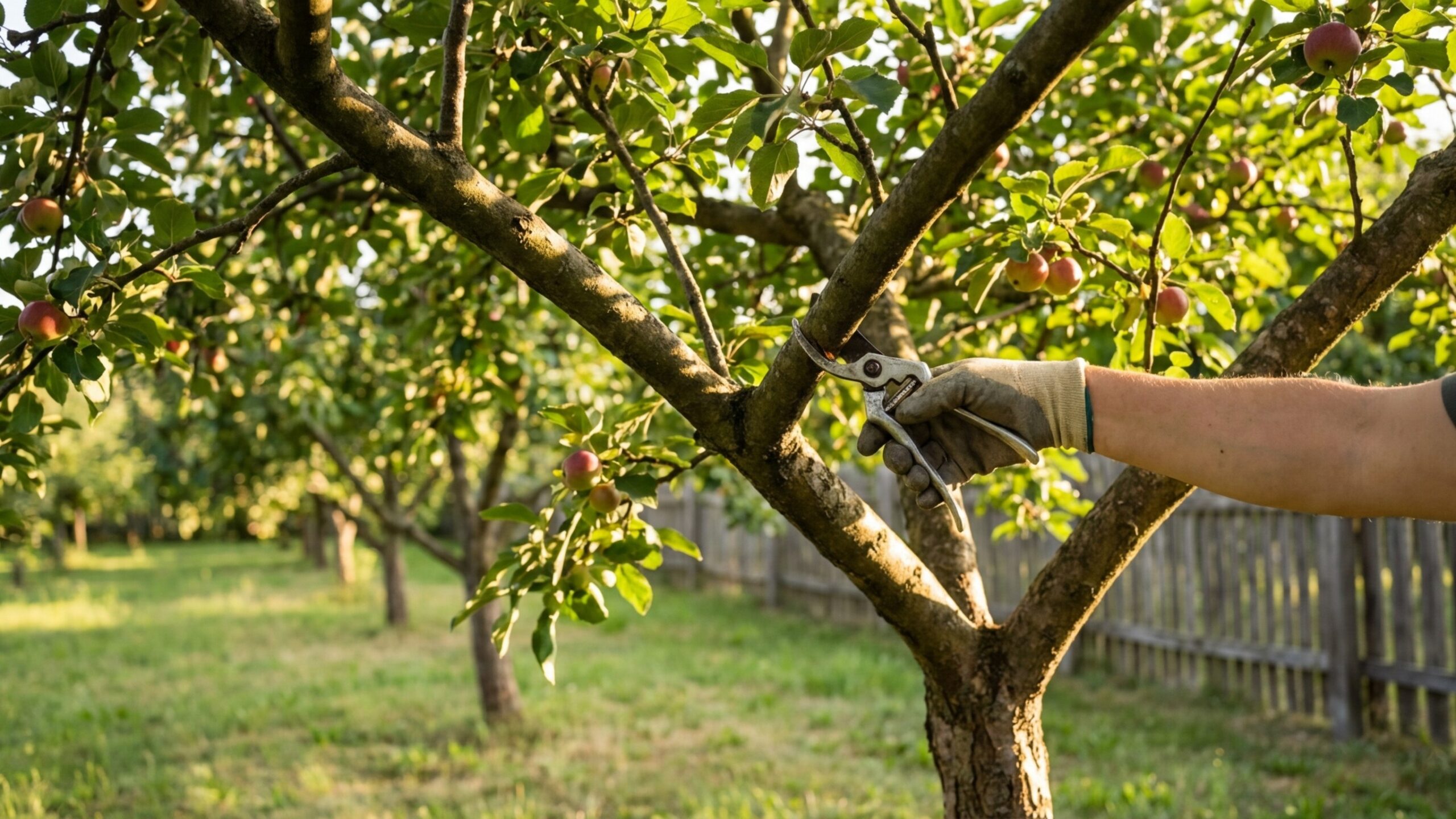
Comment tailler un arbre fruitier en été pour améliorer la récolte

The Counterintuitive Pruning Move That Triples Your Fruit Harvest This Summer

Professional orchardists have long known a counterintuitive secret: summer pruning actually triples fruit harvests. By strategically removing growth and opening the canopy, you redirect your tree’s energy toward producing larger, sweeter fruit instead of endless leafy growth.

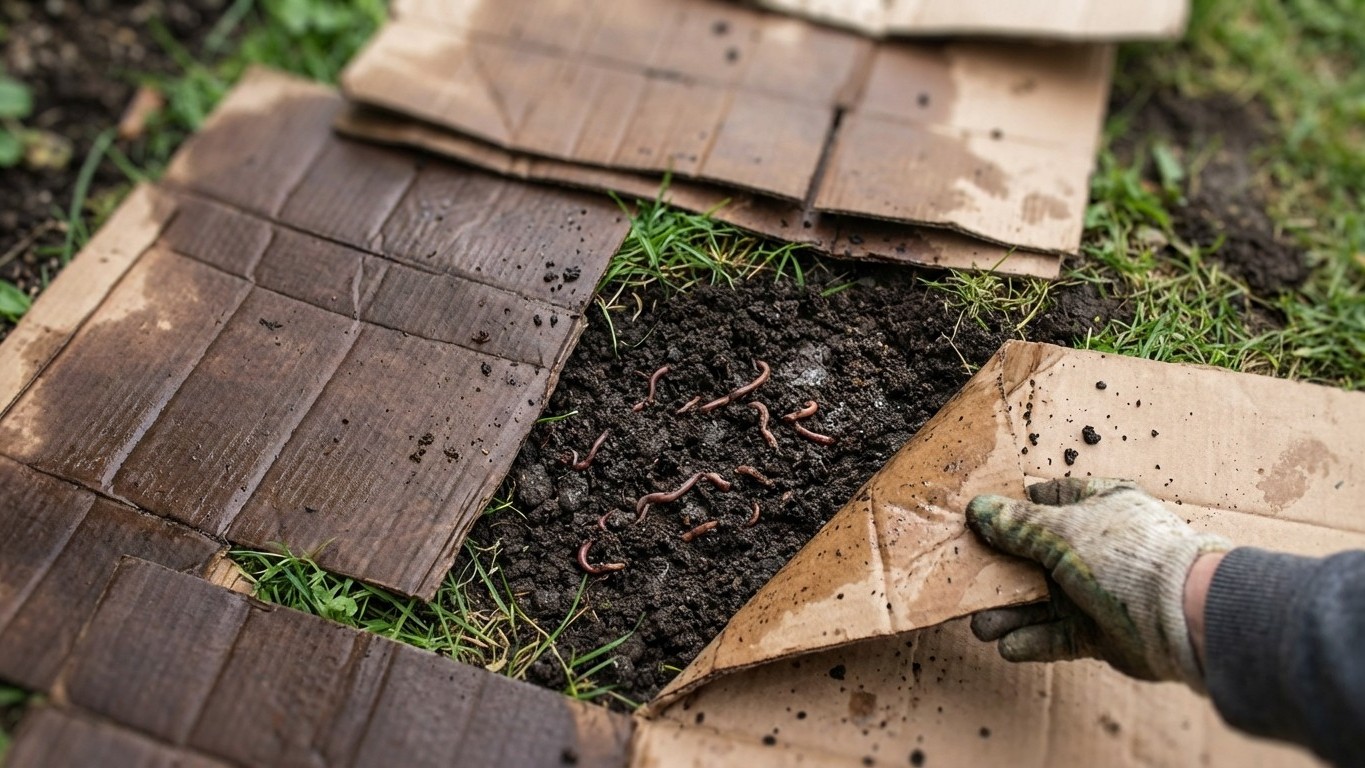
Comment éliminer les mauvaises herbes avant qu’elles ne germent en mars

The Old Gardener's March Secret: How to Eliminate Weeds Before They Ever Sprout

Old-time gardeners didn’t battle weeds—they prevented them entirely using a simple March technique called the stale seedbed method. By preparing soil early, allowing weed seeds to germinate, and destroying them before sowing crops, they achieved nearly weed-free gardens without any chemicals. This forgotten rhythm of soil preparation is surprisingly easy to replicate today.