The Forgotten Garden Secret: Why Old Farmers Planted Sunflowers Next to Beans

The Forgotten Garden Secret: Why Old Farmers Planted Sunflowers Next to Beans
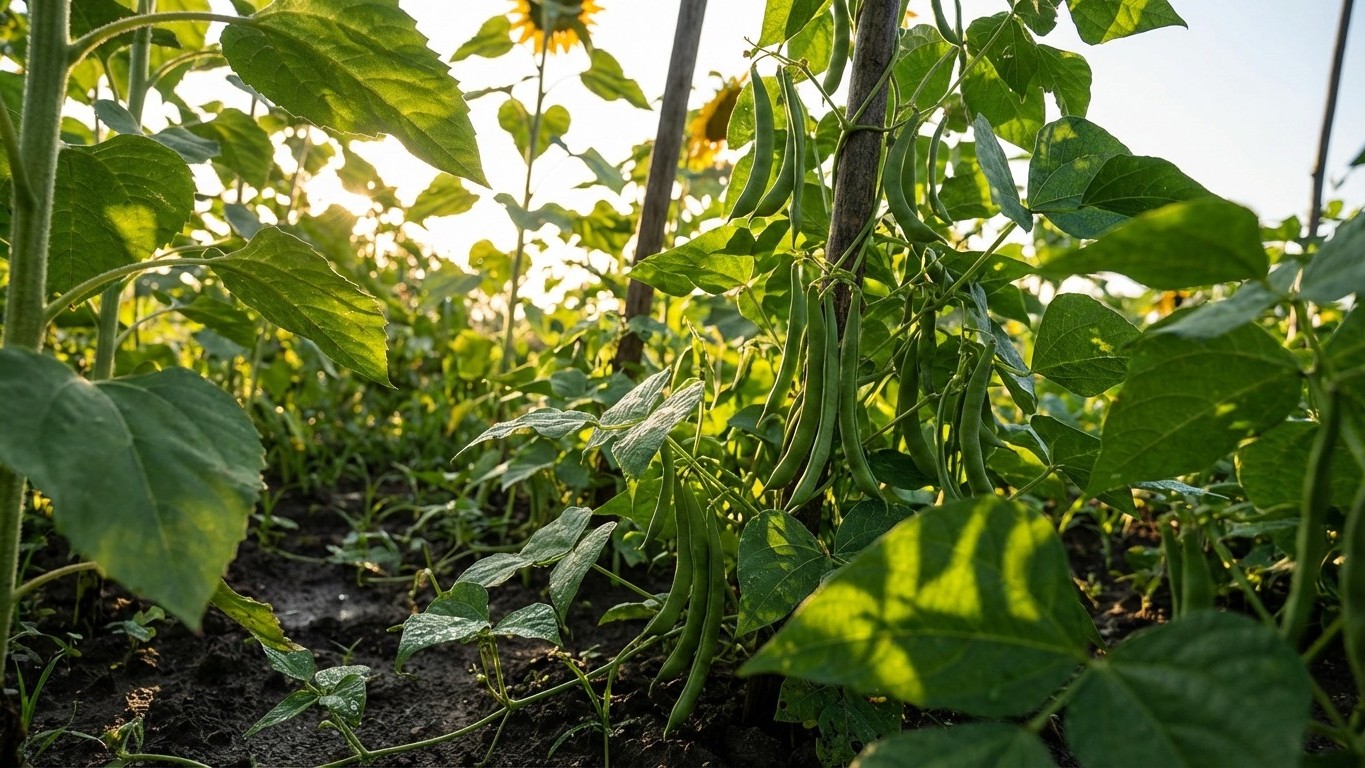
Before shade cloth existed, gardeners planted sunflowers strategically beside bean rows to solve a botanical problem modern gardeners ignore. This wasn’t folklore—it was applied plant science that worked with precision, delivering shade, nitrogen cycling, and pollinator attraction simultaneously.
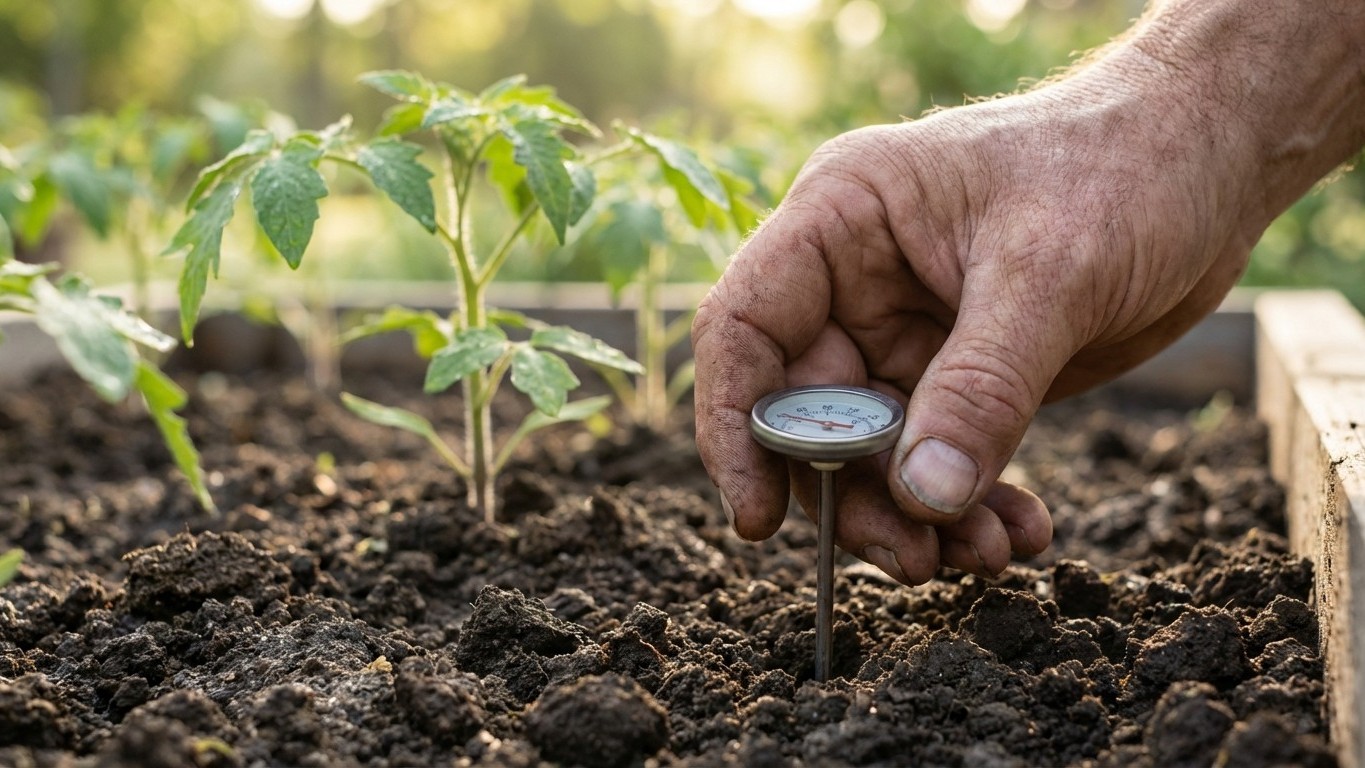
The Hidden Ritual Old-Time Gardeners Never Skipped: Why Soil Temperature Stops Root Disease Before It Starts

The Hidden Ritual Old-Time Gardeners Never Skipped: Why Soil Temperature Stops Root Disease Before It Starts

Before planting tomatoes in late March, old-timers performed one crucial ritual that modern gardeners ignore: they checked soil temperature. This single act stops deadly root diseases before they start, preventing the underground damage that shows up too late to save your crop.

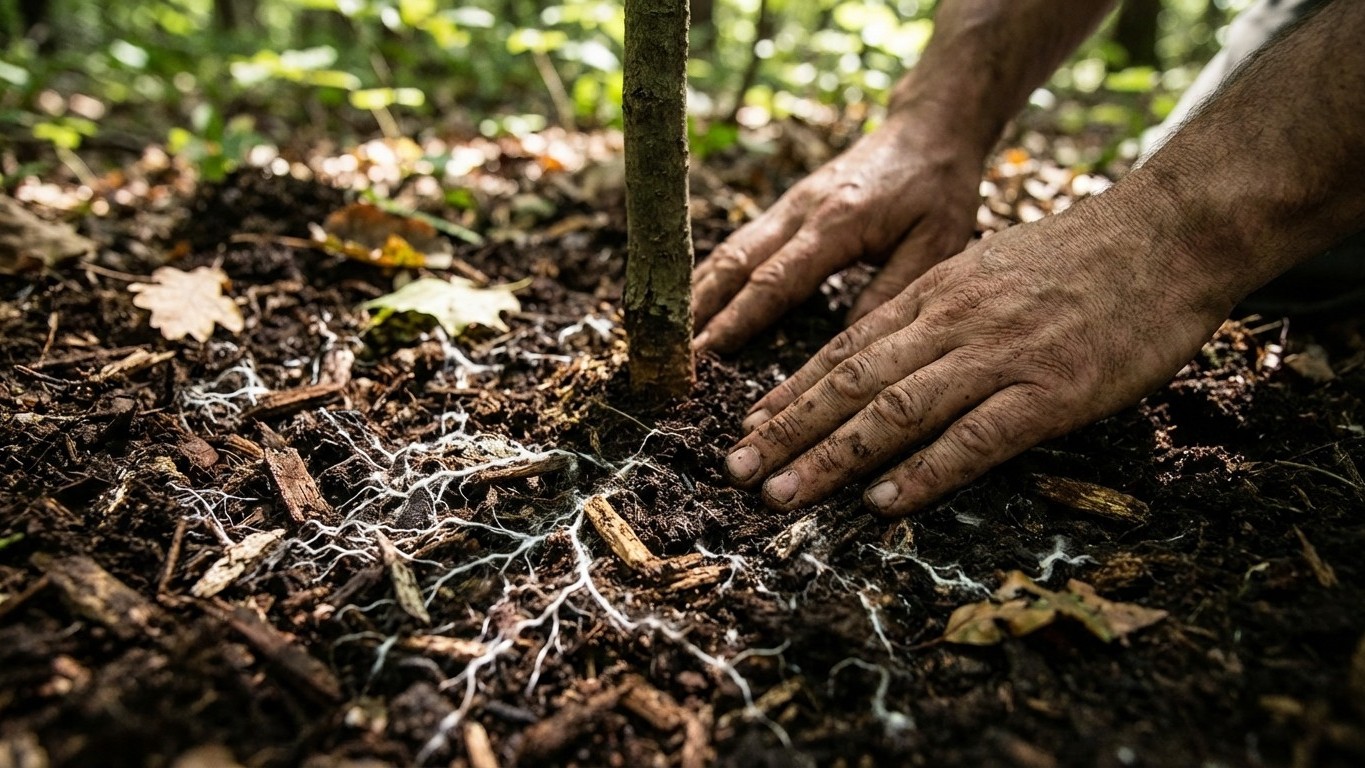
The Crushed Branch Secret: How Old-Time Gardeners Built Living Soil Without Fertilizer

The Crushed Branch Secret: How Old-Time Gardeners Built Living Soil Without Fertilizer

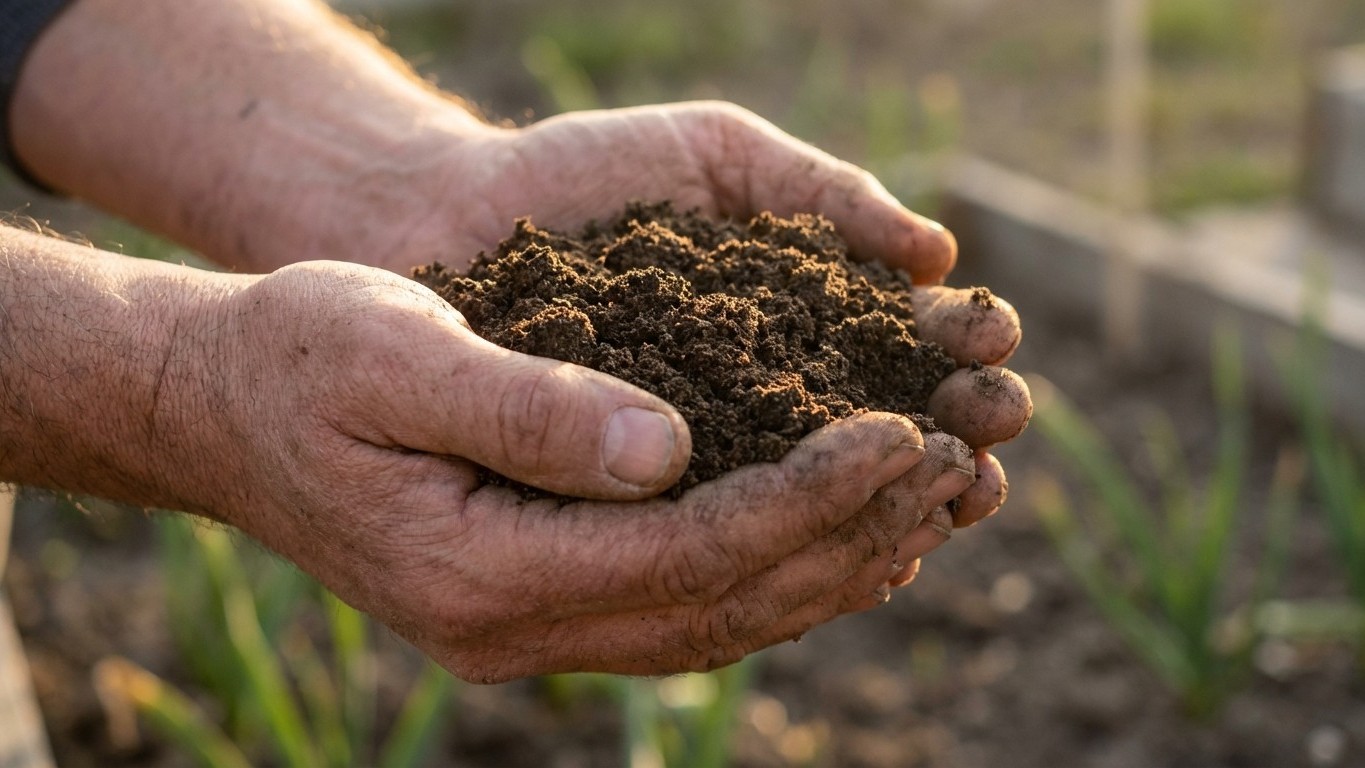
Old-time gardeners understood a secret the forest has been perfecting for centuries: crushed young branches decompose into soil-building gold. This forgotten technique, now called BRF, increases organic matter by 200% in three years—without a single bag of fertilizer.

The Old Gardener’s March Secret: How to Eliminate Weeds Before They Ever Sprout

The Old Gardener's March Secret: How to Eliminate Weeds Before They Ever Sprout

Old-time gardeners didn’t battle weeds—they prevented them entirely using a simple March technique called the stale seedbed method. By preparing soil early, allowing weed seeds to germinate, and destroying them before sowing crops, they achieved nearly weed-free gardens without any chemicals. This forgotten rhythm of soil preparation is surprisingly easy to replicate today.

The Secret Herb Gardeners Plant Next to Roses to Never Spray for Aphids Again

The Secret Herb Gardeners Plant Next to Roses to Never Spray for Aphids Again

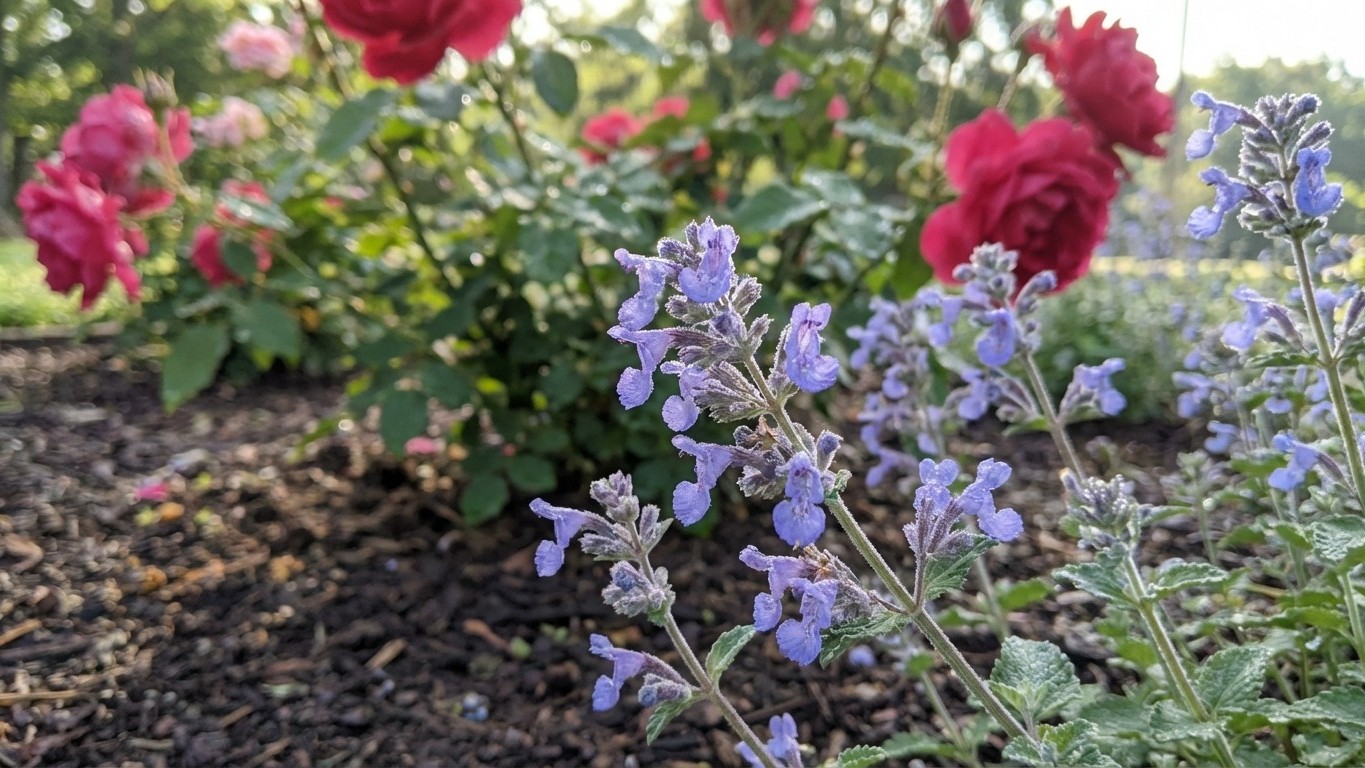
Experienced gardeners have discovered a simple companion planting secret: catnip (Nepeta) naturally repels aphids while attracting the beneficial insects that keep pest populations in check. By understanding the chemistry and placement strategy behind this approach, you can eliminate the need for chemical sprays and create a self-regulating garden ecosystem.

6 Plants Your Grandparents Grew Between Every Row Instead of Using Pesticides

6 Plants Your Grandparents Grew Between Every Row Instead of Using Pesticides

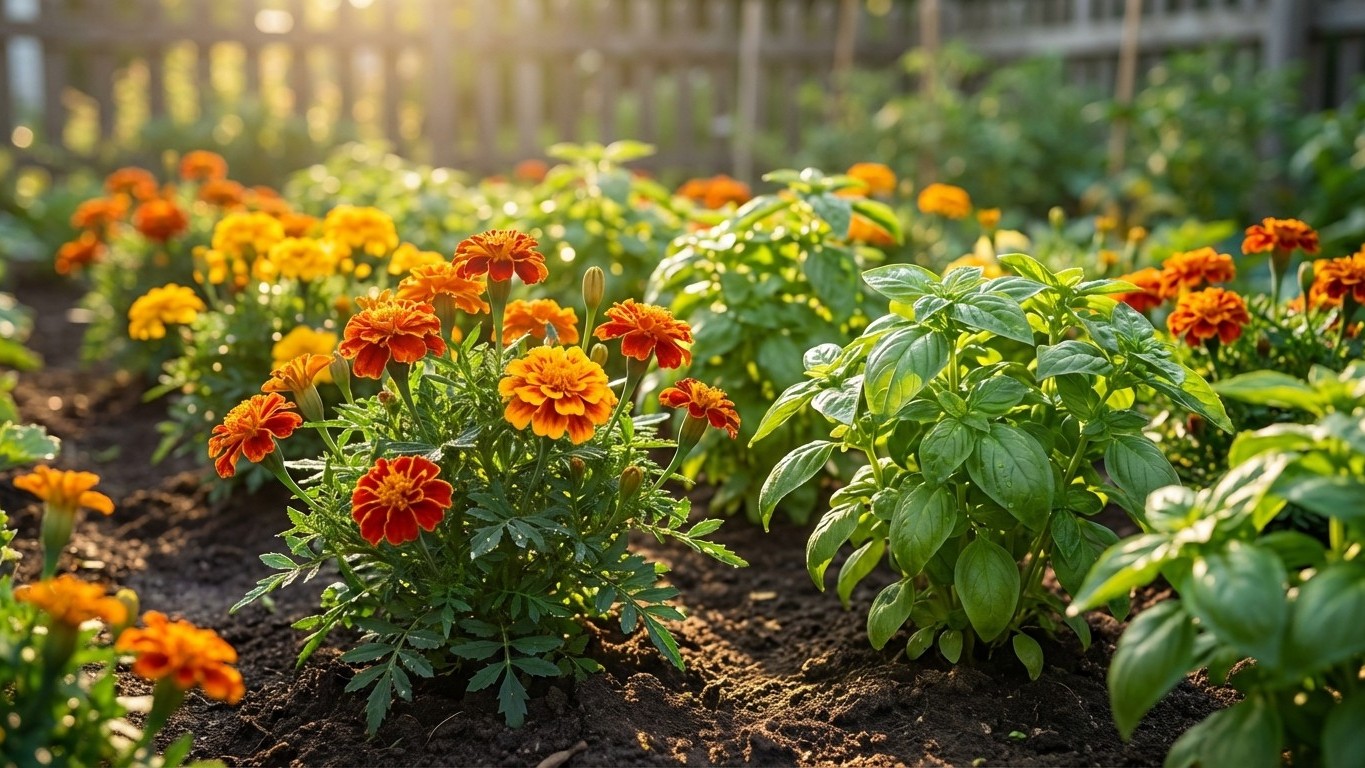
Before pesticide sprays lined garden center shelves, generations grew specific plants side-by-side to naturally repel pests and boost yields. Now science is confirming what grandmothers already knew: six humble plants—marigolds, lavender, chives, nasturtium, dill, and basil—create a balanced ecosystem that keeps gardens thriving without synthetic chemicals.

The Moon Phase Planting Secret That Doubles Spring Harvests: Why Grandma Was Right

The Moon Phase Planting Secret That Doubles Spring Harvests: Why Grandma Was Right

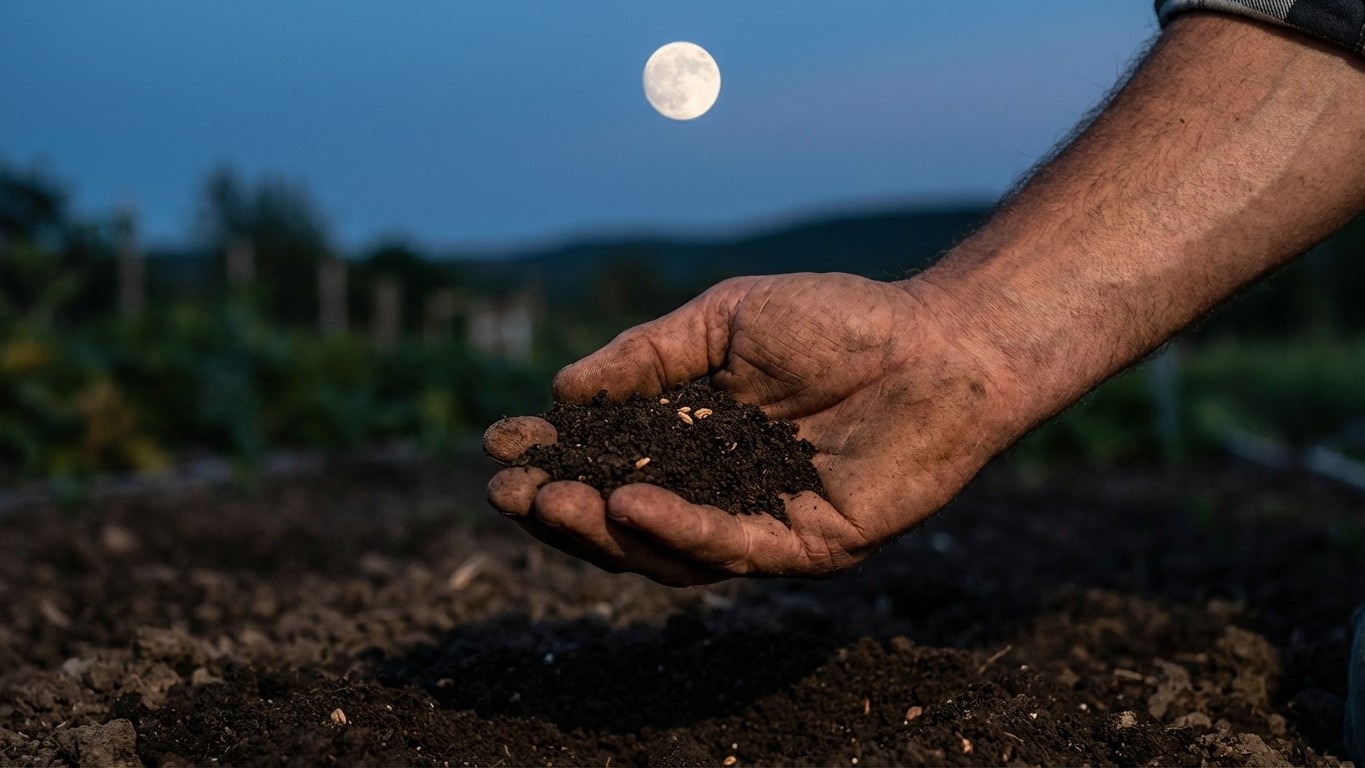
Before checking weather forecasts, generations of farmers consulted the moon. This ancient practice, backed by gravitational science and 90+ years of research, can significantly boost seed germination and harvest yields. Learn the simple waxing and waning rules that transform spring gardens.

Double Your Garden Harvest With Kitchen Scraps: The Free Fertilizer Secret That Works

Double Your Garden Harvest With Kitchen Scraps: The Free Fertilizer Secret That Works

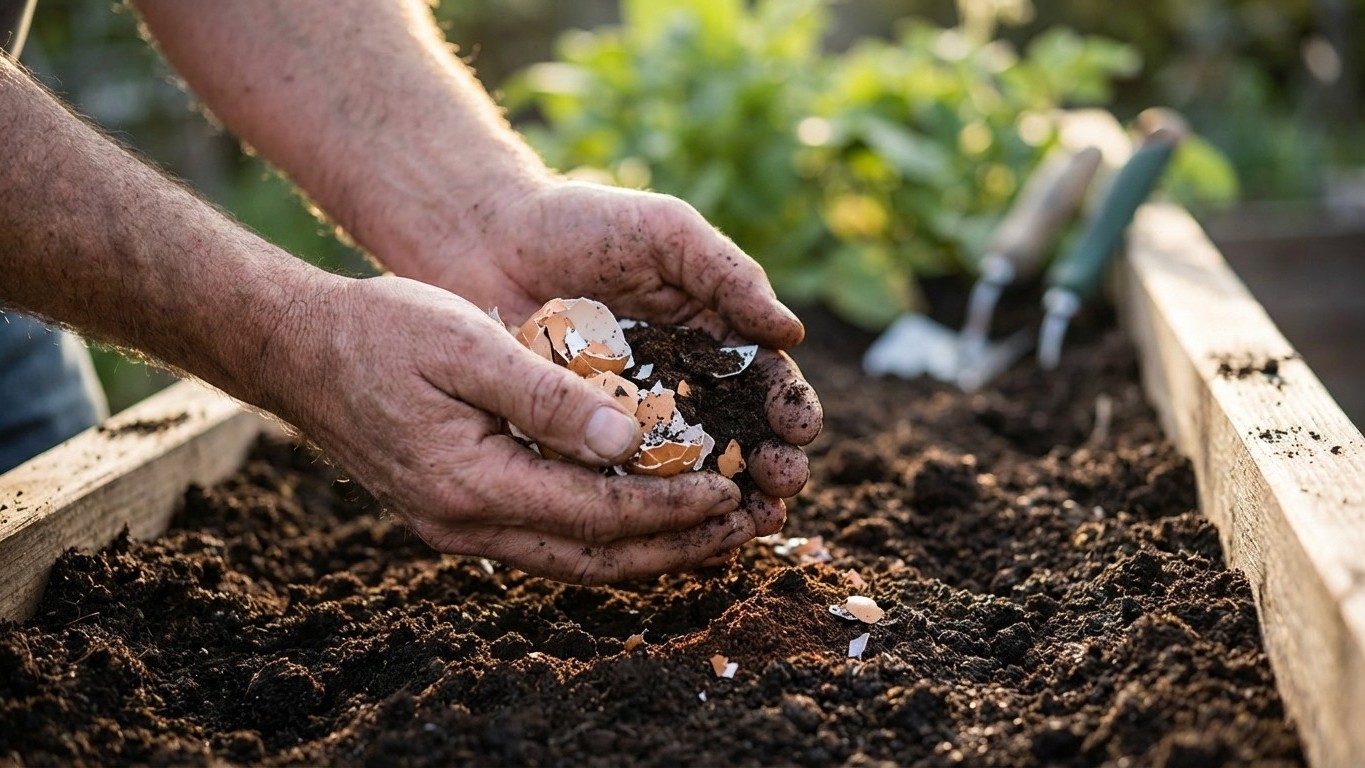
Your kitchen trash contains the nutrients that could transform your garden into a high-yield growing machine. Coffee grounds, banana peels, and eggshells aren’t gardening myths—they’re biological fertilizers that work faster and better than store-bought alternatives when used correctly.

Why This Gardener Stopped Digging—and What She Found Changed Everything

Why This Gardener Stopped Digging—and What She Found Changed Everything

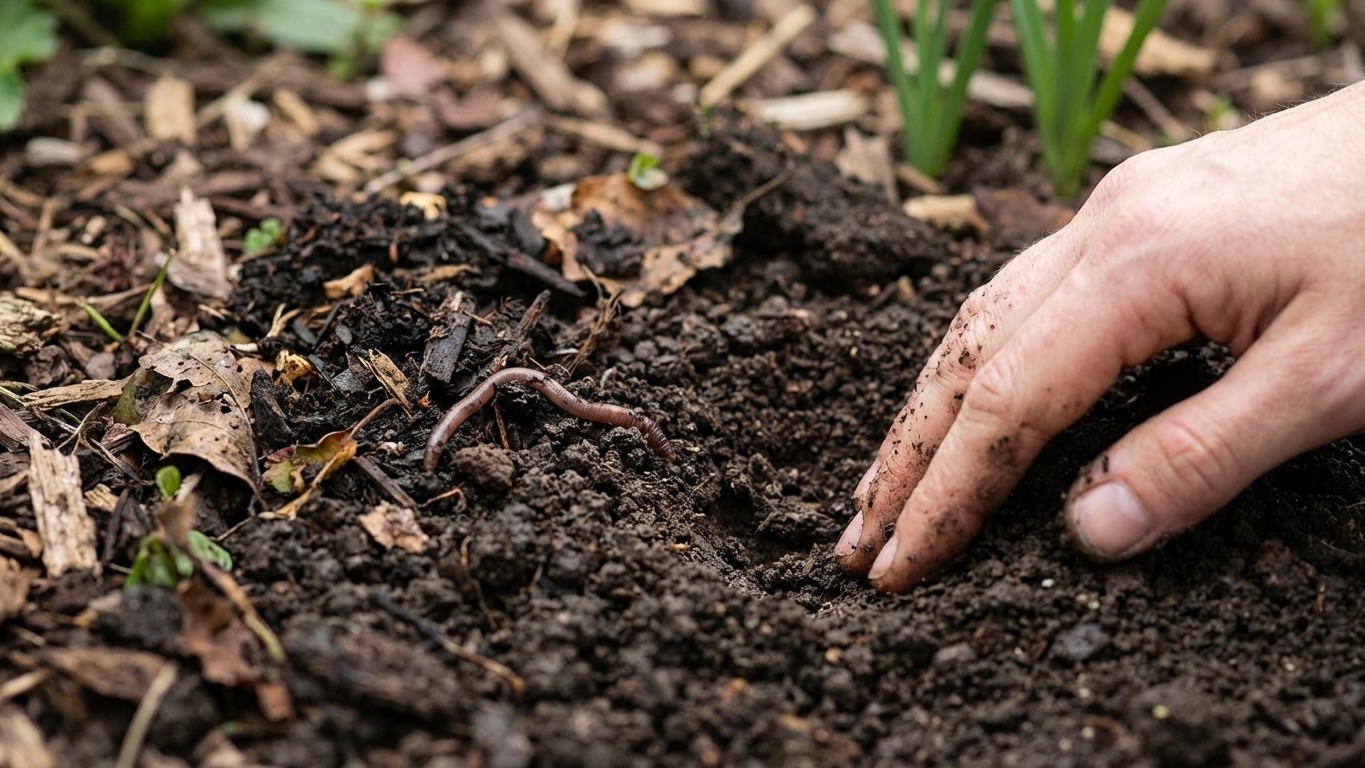
A Vermont gardener abandoned her spade and discovered something unexpected: undisturbed soil outperforms tilled beds. By simply layering compost on top and letting nature work, she unlocked healthier plants, thriving earthworm populations, and dramatic drought resilience—all while doing less work.

Stop Killing Moss With Chemicals: The Old-School Trick That Actually Fixes Your Lawn

Stop Killing Moss With Chemicals: The Old-School Trick That Actually Fixes Your Lawn

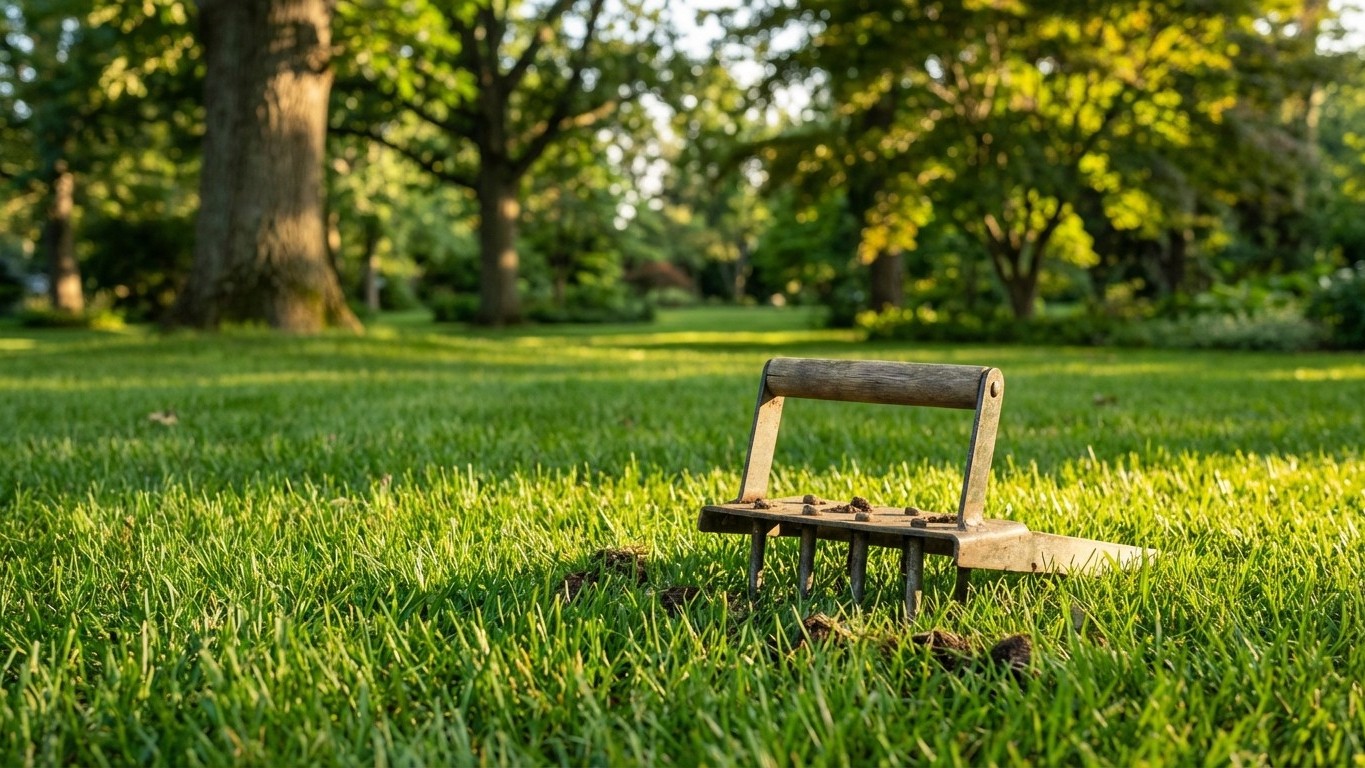
Moss isn’t your enemy—compacted soil and acidic conditions are. Discover the old-school two-part method that professional groundskeepers have relied on for decades to permanently transform mossy lawns without a single chemical application.