Basilic et tomates : pourquoi les planter ensemble au potager ?
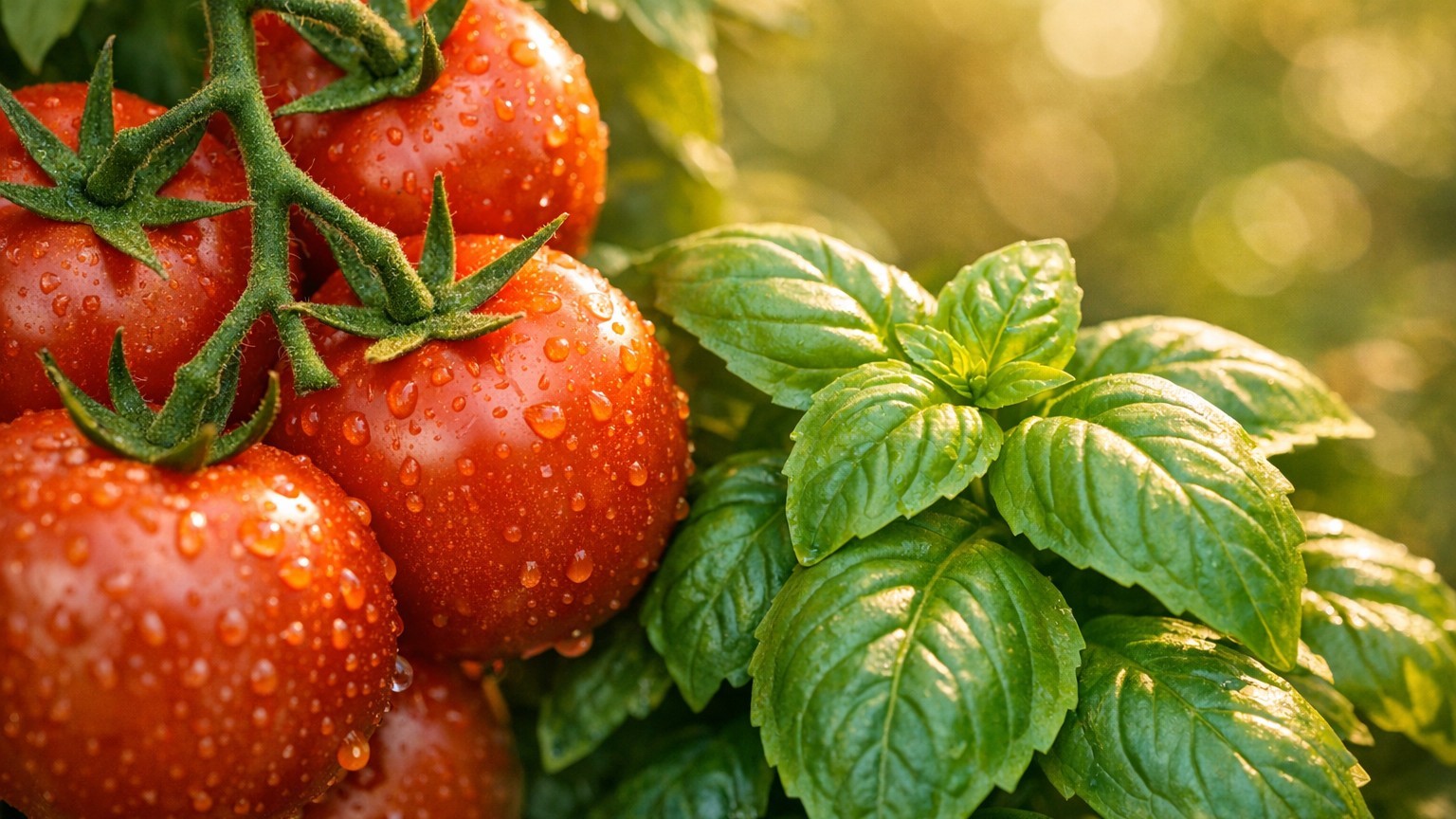
Why Your Grandparents Were Right: The Science Behind Planting Basil Next to Tomatoes

Your grandparents knew something gardeners are only now proving with science: basil planted alongside tomatoes triggers a hidden chemical conversation that repels pests, boosts plant immunity, and increases yields. A 2024 study reveals how basil’s volatile compounds train tomato plants to fight back harder against damage and disease.
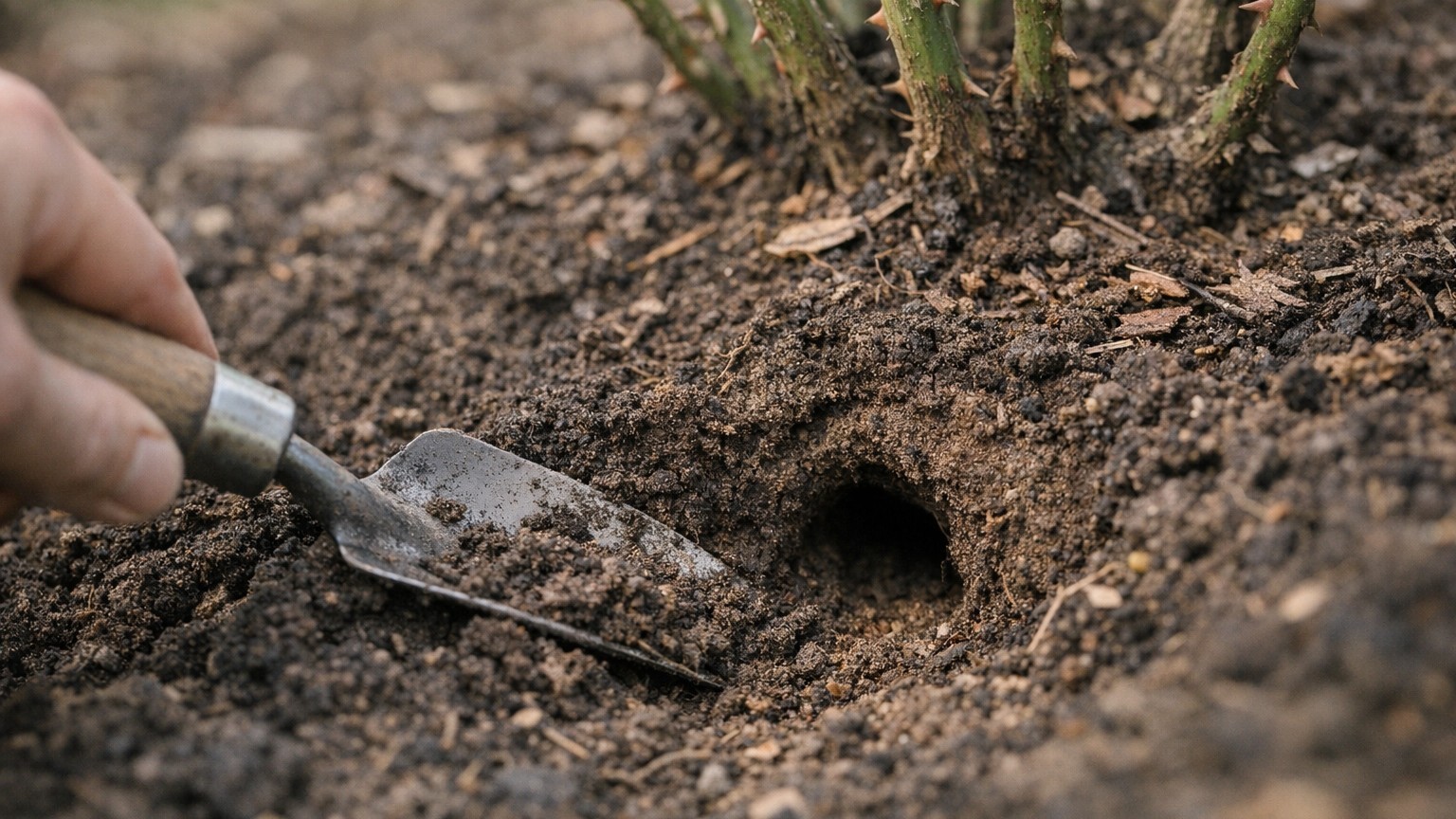
Why Burying Whole Banana Peels Under Roses Invites Rodents—And What Works Instead

Why Burying Whole Banana Peels Under Roses Invites Rodents—And What Works Instead

Burying whole banana peels under roses sounds clever, but it’s basically ringing a dinner bell for voles and squirrels. A few weeks later, you’ll find tunnels instead of thriving roots. Learn why the delivery method matters as much as the nutrient itself, and the simple techniques that actually work.

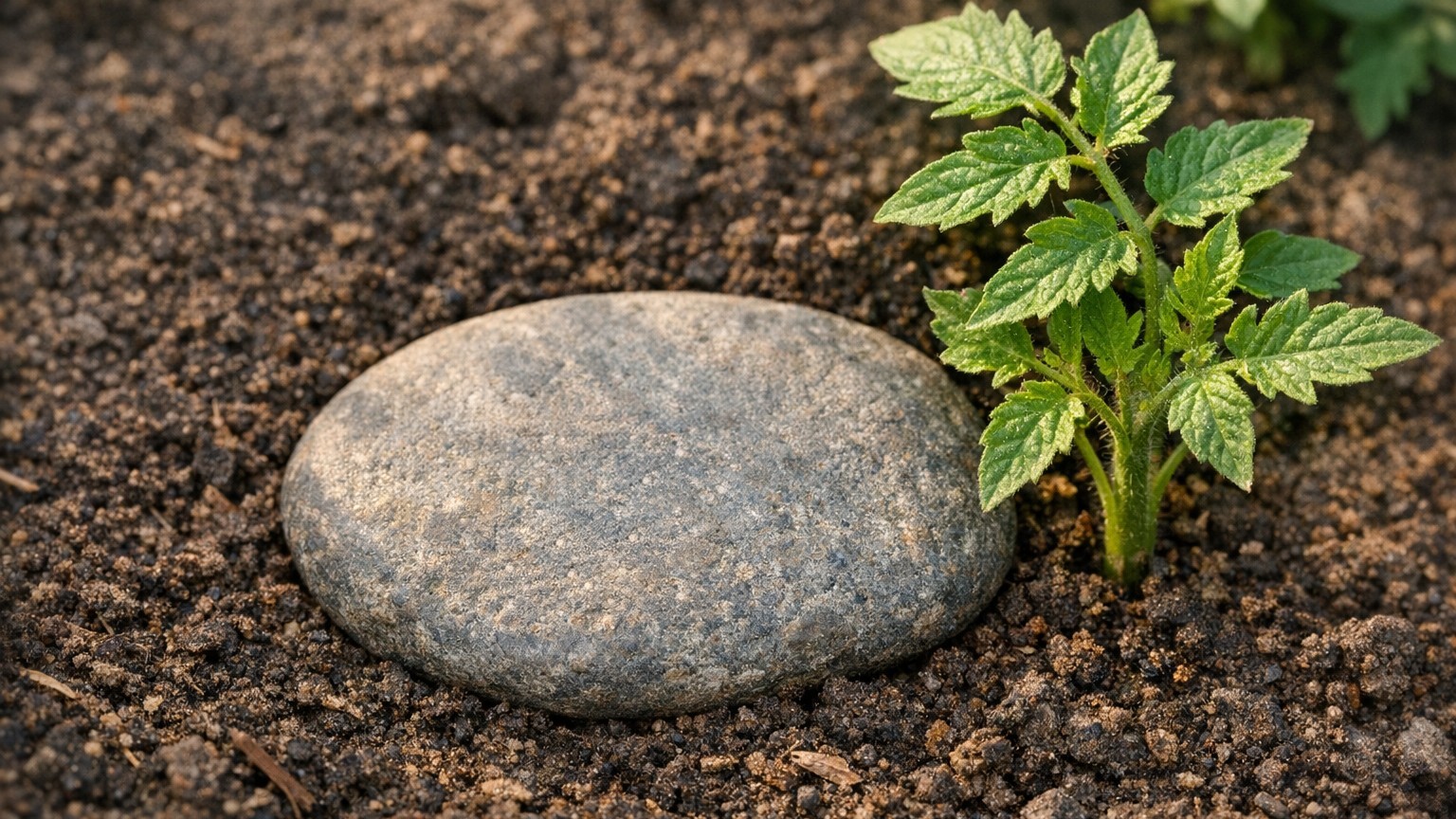
Tomates : quel est l’intérêt de poser une pierre au pied ?

Why Your Grandfather Was Right: The Simple Stone Trick That Stops Tomato Problems Before They Start

For decades, gardeners have quietly placed flat stones next to tomato plants—a trick rooted in thermal mass physics and moisture management that prevents blossom end rot and fruit cracking. What seems like a harmless ritual is actually backed by agricultural science and centuries of winemaking tradition.

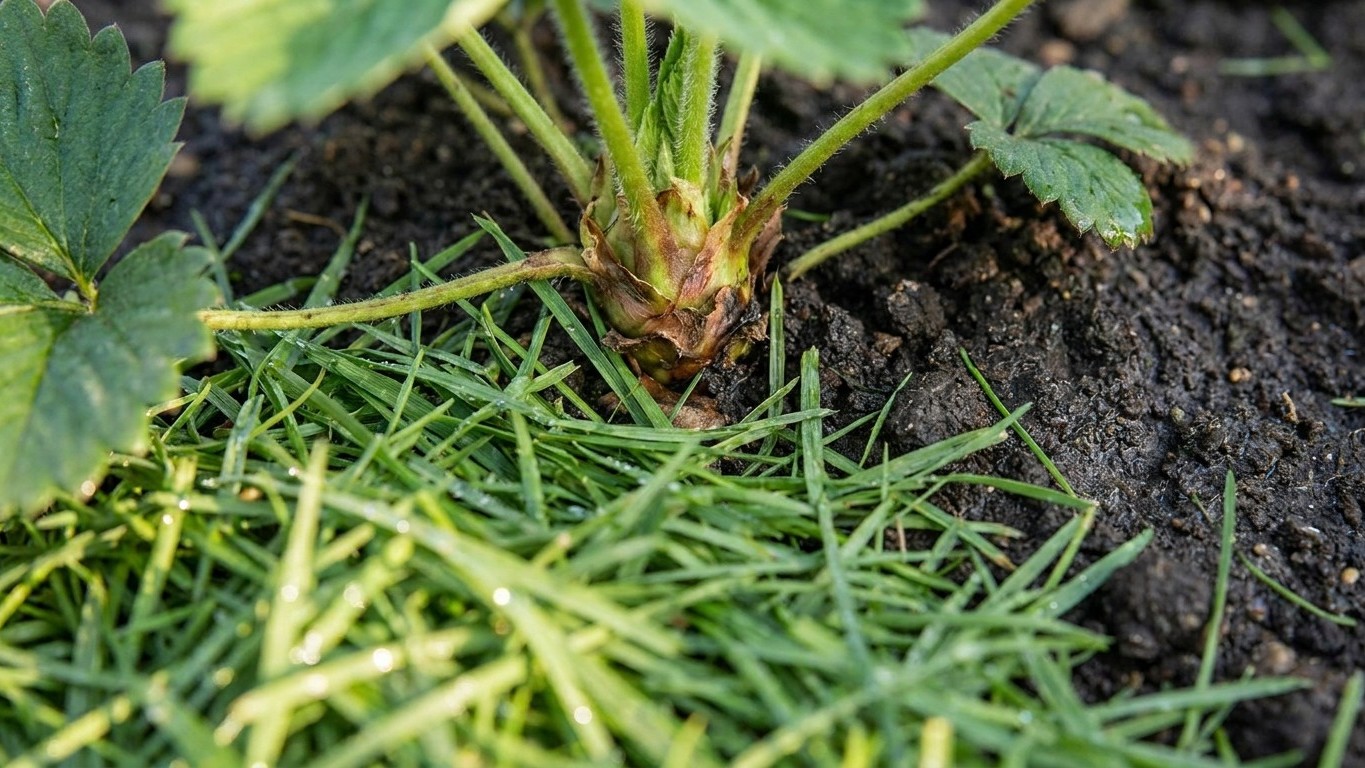
Pourquoi l’herbe fraîche coupée fait pourrir les fraises

Why Fresh Grass Clippings Are Rotting Your Strawberries: The Garden Mistake Experts Keep Making

Piling fresh grass clippings around strawberries seems like a free, smart mulch solution. Within three days of warm weather, those clippings create a suffocating, moisture-trapped mat that triggers fungal crown rot. Learn exactly what happens beneath the surface and the simple drying step that makes clippings safe.

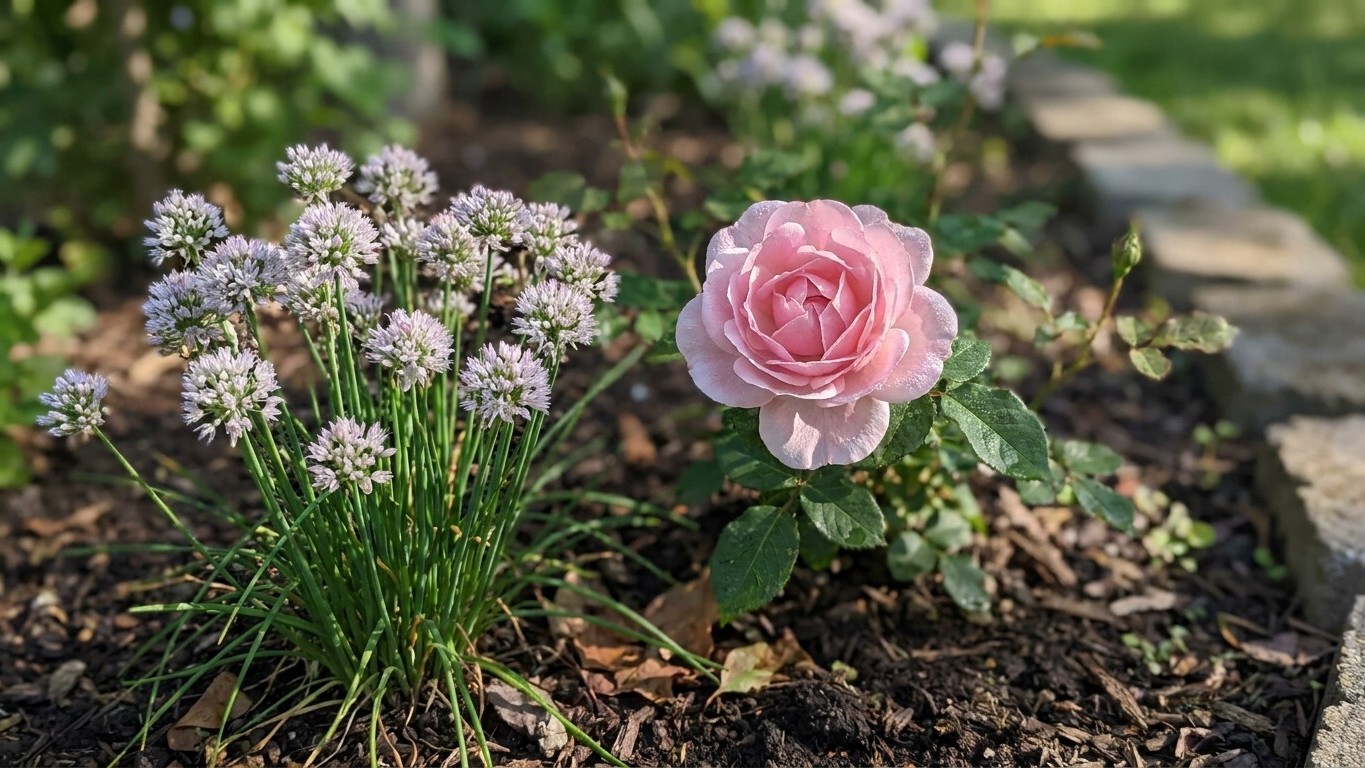
Rosiers sans traitement : planter de la ciboulette ou de l’ail à côté

The Secret That Old Gardeners Knew: Why Roses Never Need Spraying When Grown This Way

Old-time gardeners understood something modern rose lovers have forgotten: a simple row of chives or garlic can replace the spray bottle entirely. Science now confirms what the potager tradition knew instinctively—companion planting with alliums reduces aphids by 80% and prevents black spot fungus through pure chemistry.

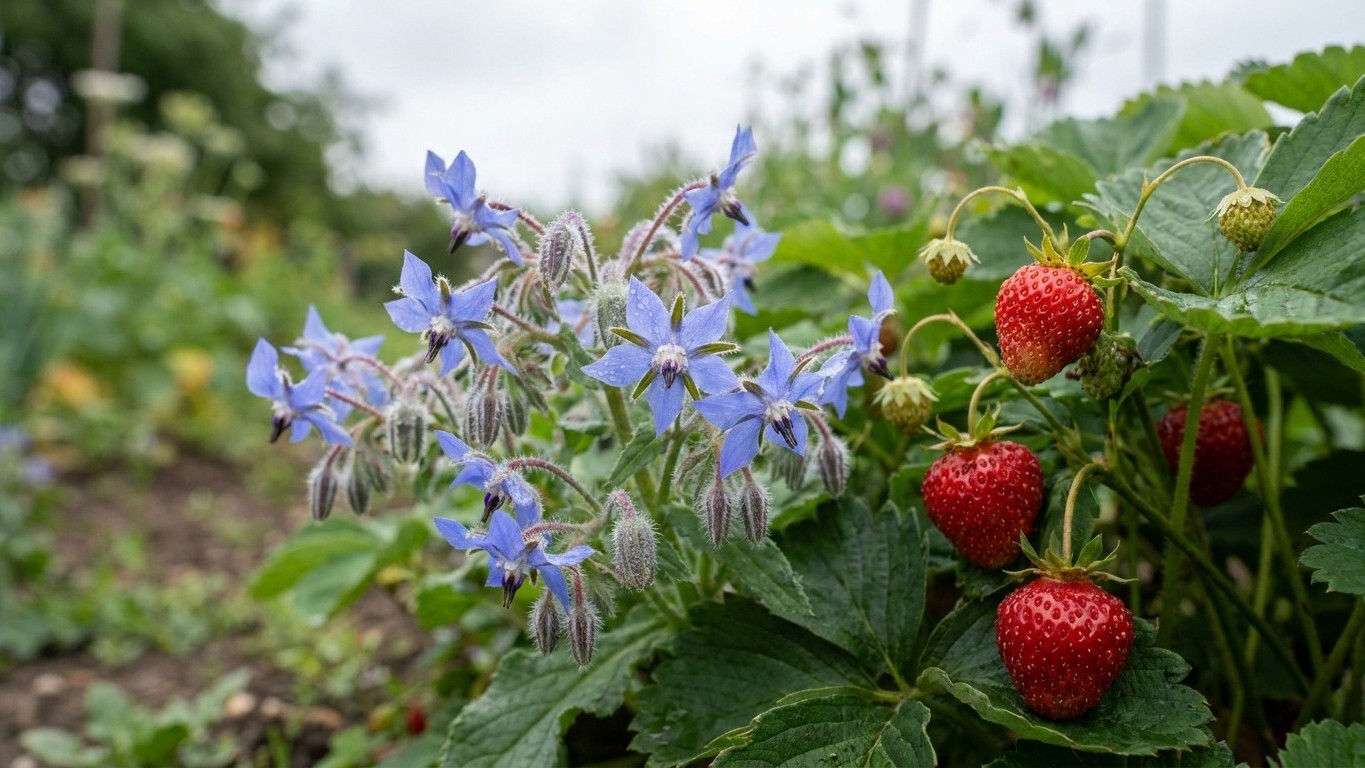
La bourrache près des fraisiers pour des fruits plus sucrés

The Secret Garden Flower That Makes Strawberries Sweeter Than Any Fertilizer Ever Could

A humble, bristly blue flower called borage holds the secret to sweeter, fuller strawberries—not through chemistry, but through soil mineral cycling and pollinator attraction. Planted in April alongside strawberries, this 17th-century companion planting trick is now backed by modern horticultural science.

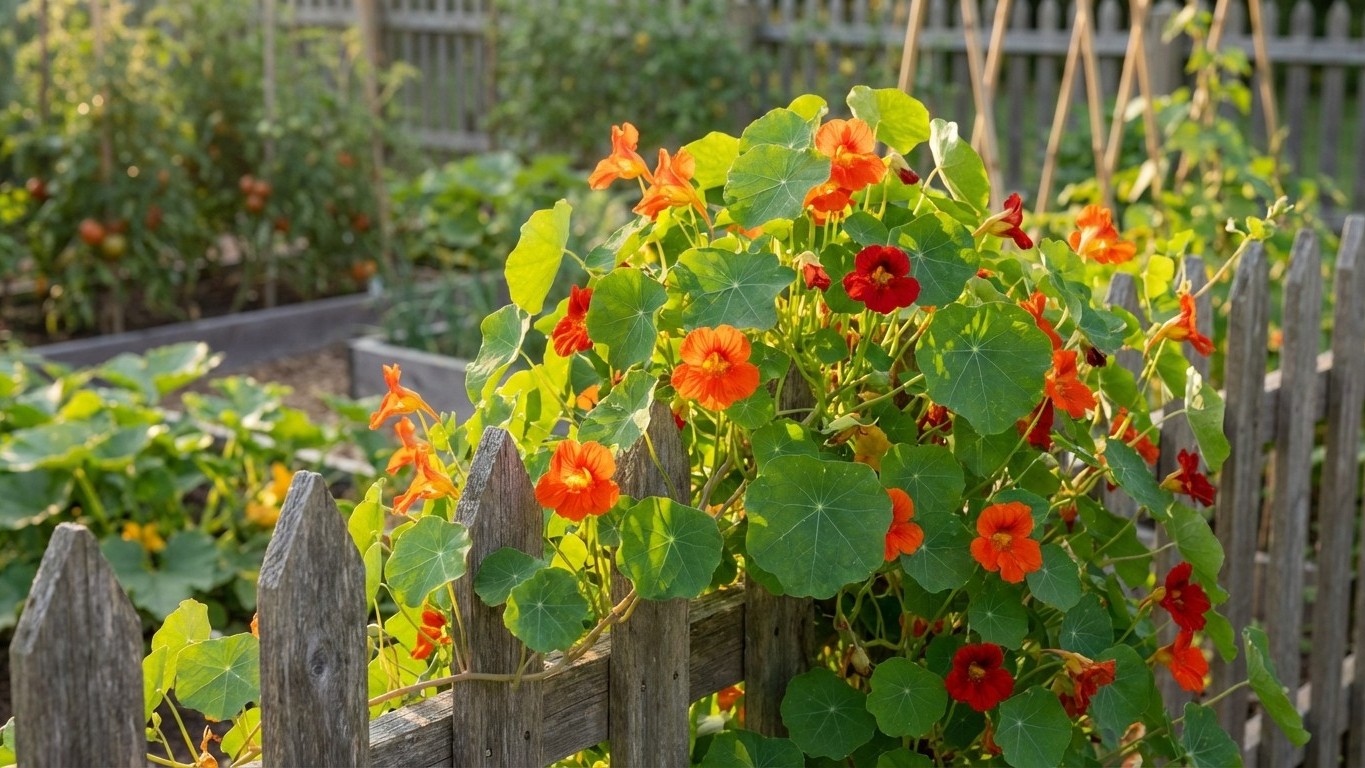
La capucine au potager : pourquoi elle éloigne les ravageurs

The Secret Vine Old Gardeners Swore By: How Nasturtium Transforms Your Garden Into a Pest-Free Zone

Old-time gardeners knew a secret that modern gardeners often overlook: nasturtium vines are nature’s pest management system. By acting as both a repellent and trap crop, these colorful annuals keep aphids, beetles, and other destructive insects away from your prized vegetables—all while requiring almost no care.

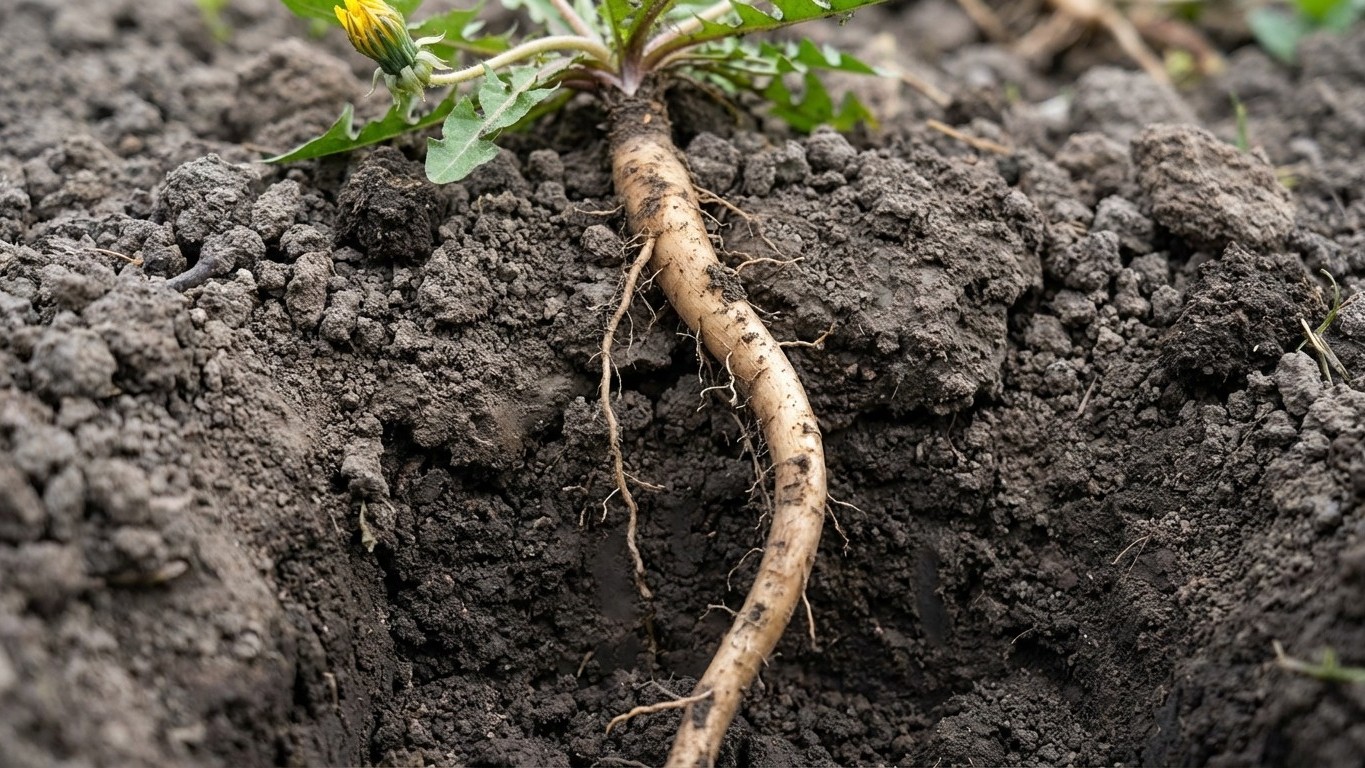
Pourquoi le pissenlit est utile au potager et qu’il ne faut pas arracher

Stop Pulling Out Dandelions: The Weed Your Vegetable Garden Actually Needs

For decades, gardeners have treated dandelions as invasive pests to be eliminated every spring. But what if the plant you’ve been ripping out is actually the most valuable tool for building rich, productive vegetable soil? Dandelions are dynamic accumulators that break compacted earth, recycle deep minerals, and protect crops from disease.

Pourquoi préparer le sol trois semaines avant les semis limite les herbes

The Secret Three-Week Head Start: How Expert Gardeners Outsmart Weeds Before Planting

Expert gardeners aren’t fighting weeds in June—they’re eliminating them before planting a single seed. By deliberately triggering weed germination three weeks early, then destroying the young seedlings, they deplete the soil’s weed seed bank. The result: nearly weed-free beds while neighbors battle the hoe.

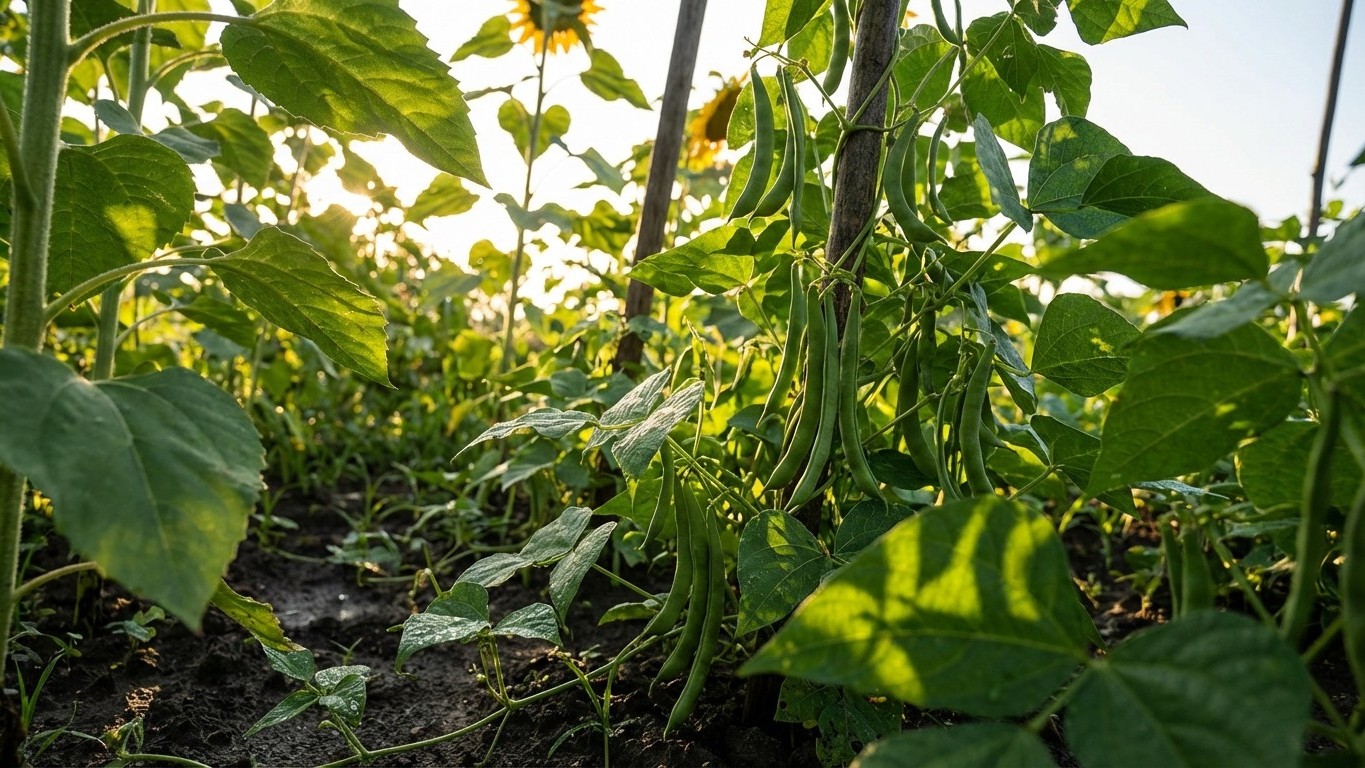
Pourquoi les anciens plantaient des tournesols à côté des haricots

The Forgotten Garden Secret: Why Old Farmers Planted Sunflowers Next to Beans

Before shade cloth existed, gardeners planted sunflowers strategically beside bean rows to solve a botanical problem modern gardeners ignore. This wasn’t folklore—it was applied plant science that worked with precision, delivering shade, nitrogen cycling, and pollinator attraction simultaneously.