Pourquoi vérifier la température du sol avant de planter évite les maladies
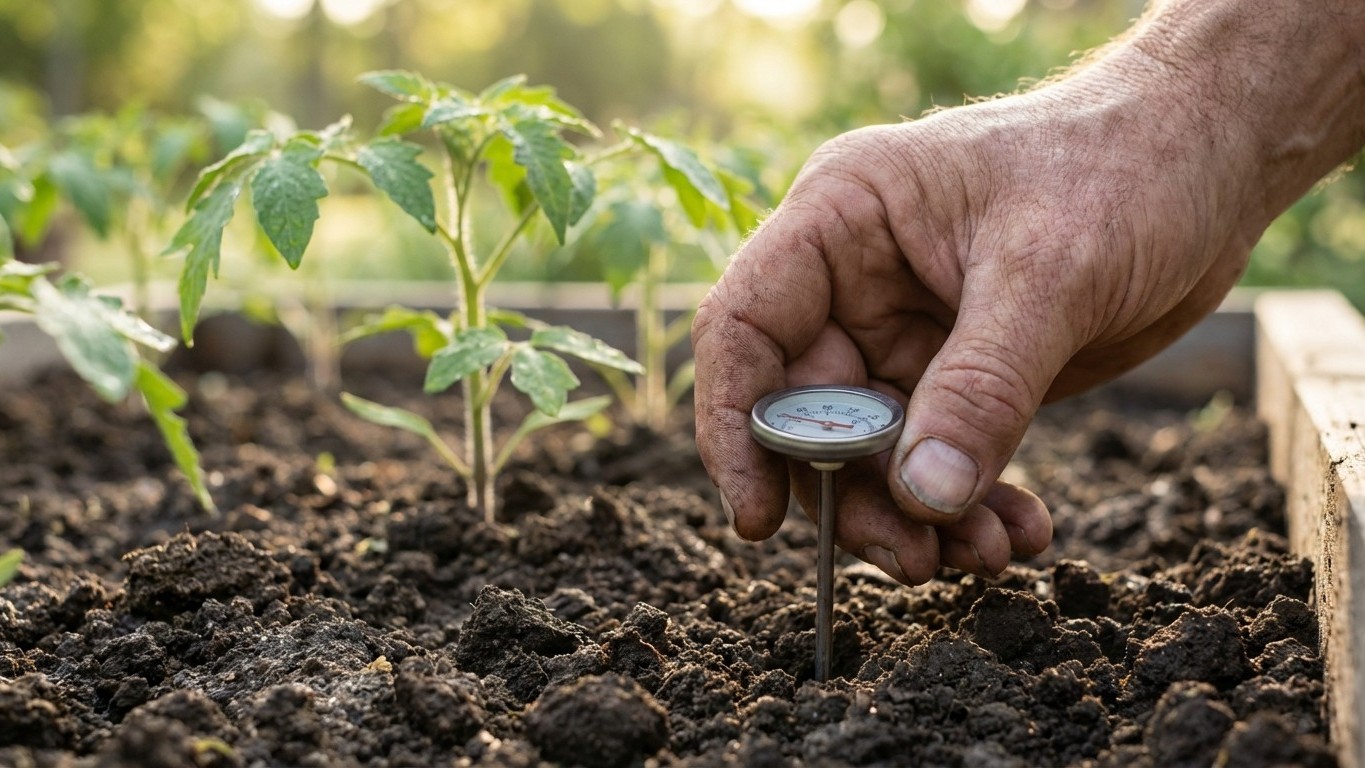
The Hidden Ritual Old-Time Gardeners Never Skipped: Why Soil Temperature Stops Root Disease Before It Starts

Before planting tomatoes in late March, old-timers performed one crucial ritual that modern gardeners ignore: they checked soil temperature. This single act stops deadly root diseases before they start, preventing the underground damage that shows up too late to save your crop.
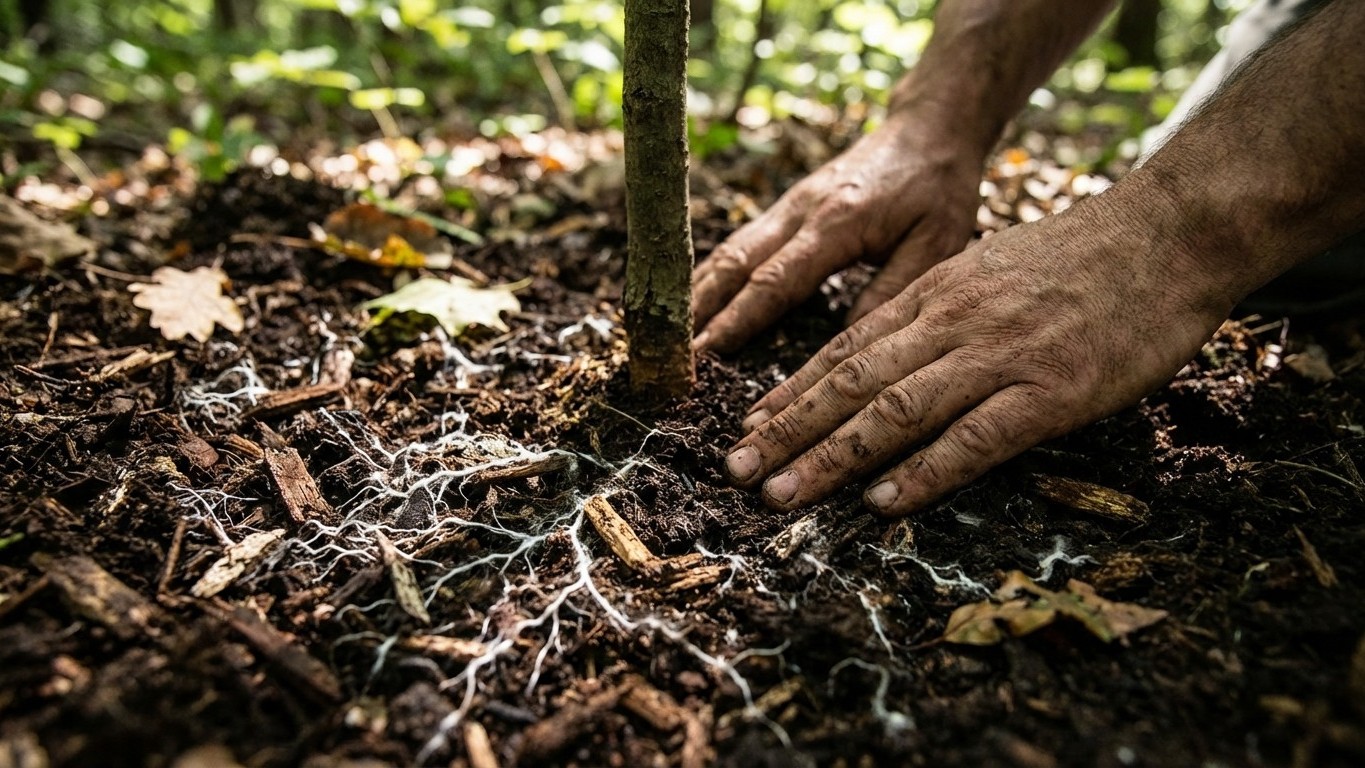
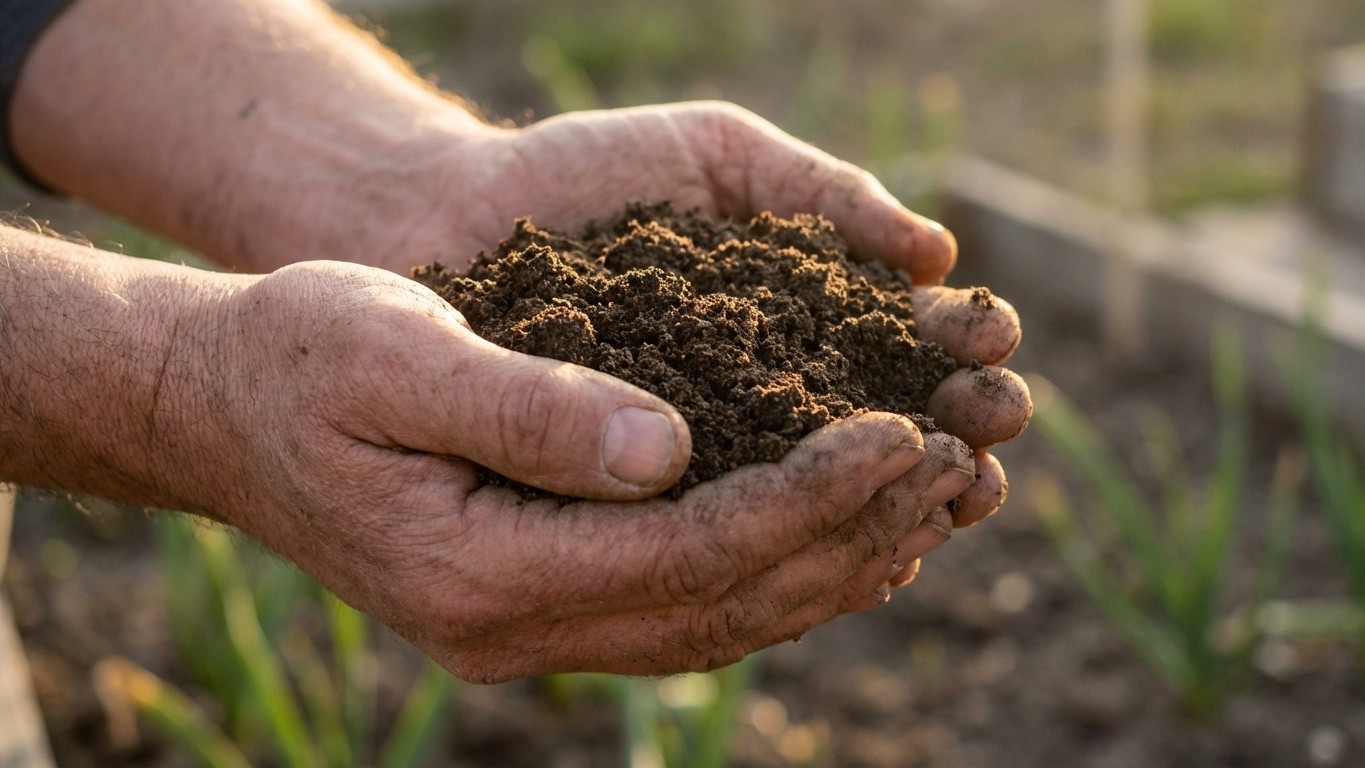
Comment créer un sol vivant sans engrais avec des branches broyées

The Crushed Branch Secret: How Old-Time Gardeners Built Living Soil Without Fertilizer

Old-time gardeners understood a secret the forest has been perfecting for centuries: crushed young branches decompose into soil-building gold. This forgotten technique, now called BRF, increases organic matter by 200% in three years—without a single bag of fertilizer.

Comment éliminer les mauvaises herbes avant qu’elles ne germent en mars

The Old Gardener's March Secret: How to Eliminate Weeds Before They Ever Sprout

Old-time gardeners didn’t battle weeds—they prevented them entirely using a simple March technique called the stale seedbed method. By preparing soil early, allowing weed seeds to germinate, and destroying them before sowing crops, they achieved nearly weed-free gardens without any chemicals. This forgotten rhythm of soil preparation is surprisingly easy to replicate today.

Quelle plante aromatique planter près des rosiers contre les pucerons ?

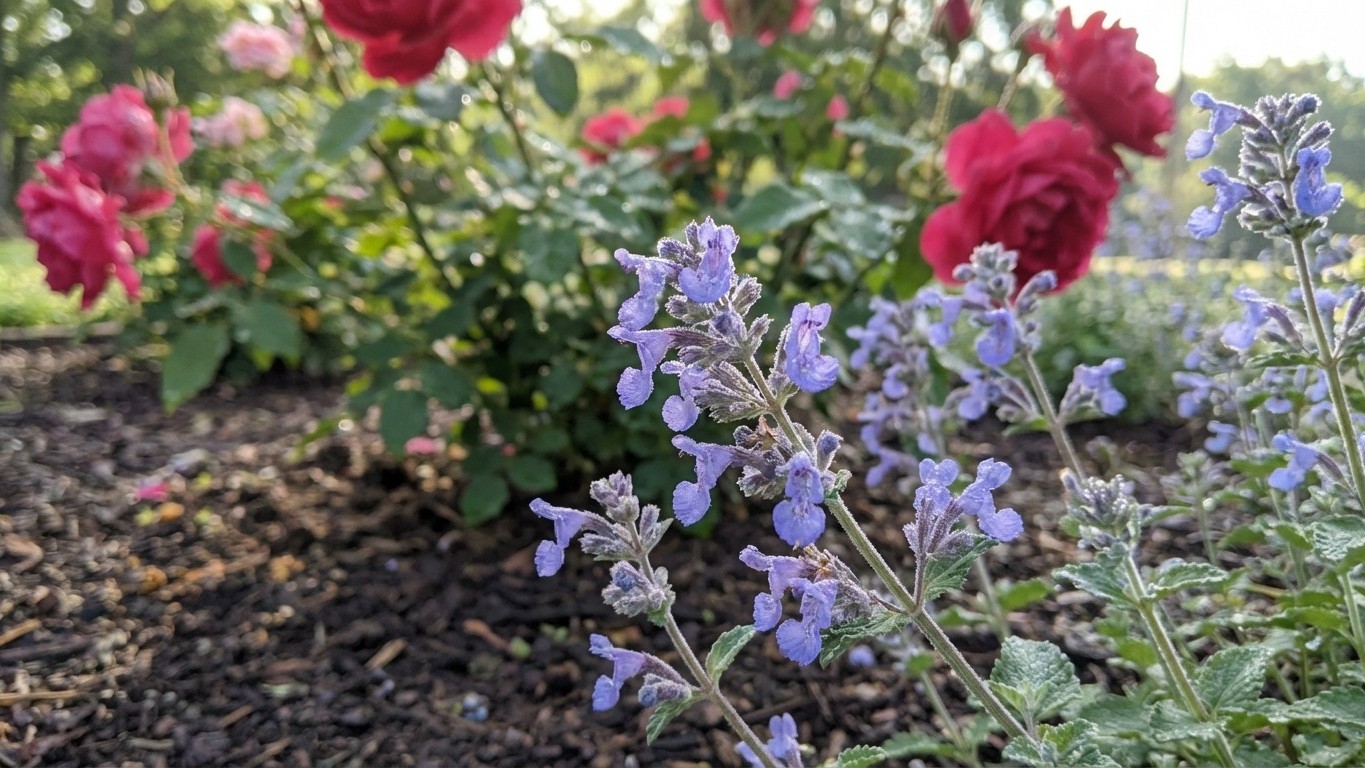
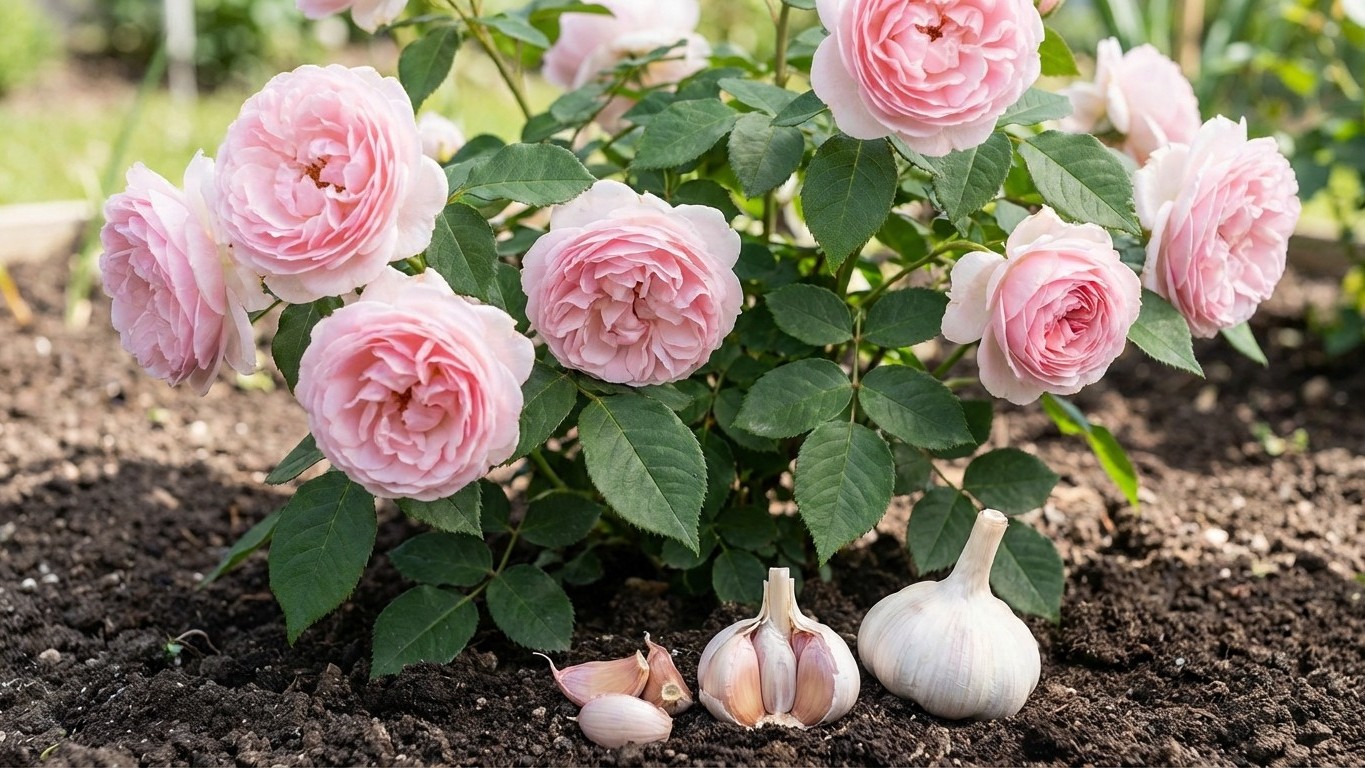
The Secret Herb Gardeners Plant Next to Roses to Never Spray for Aphids Again

Experienced gardeners have discovered a simple companion planting secret: catnip (Nepeta) naturally repels aphids while attracting the beneficial insects that keep pest populations in check. By understanding the chemistry and placement strategy behind this approach, you can eliminate the need for chemical sprays and create a self-regulating garden ecosystem.

Six plantes à cultiver entre les rangs pour limiter les pesticides

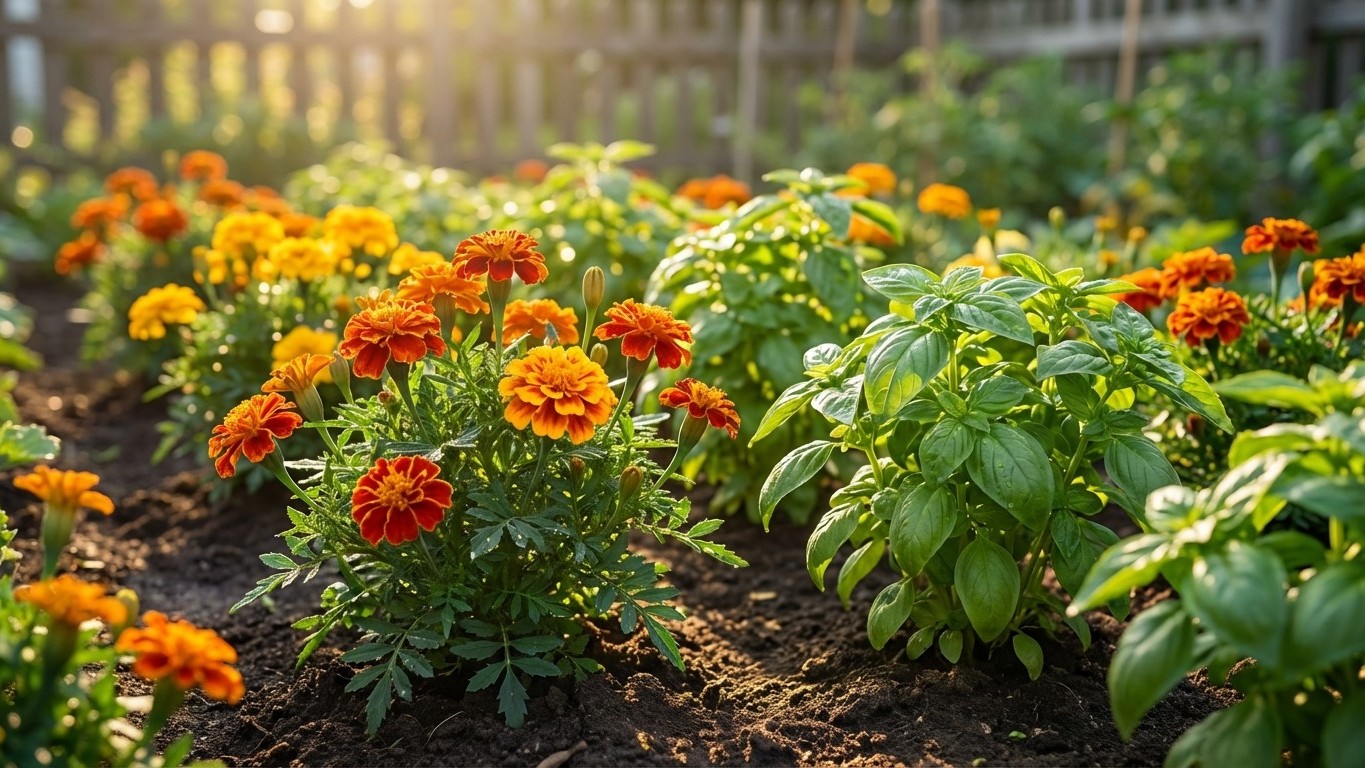
6 Plants Your Grandparents Grew Between Every Row Instead of Using Pesticides

Before pesticide sprays lined garden center shelves, generations grew specific plants side-by-side to naturally repel pests and boost yields. Now science is confirming what grandmothers already knew: six humble plants—marigolds, lavender, chives, nasturtium, dill, and basil—create a balanced ecosystem that keeps gardens thriving without synthetic chemicals.

Semer selon les phases de la lune : ce que dit la tradition au potager

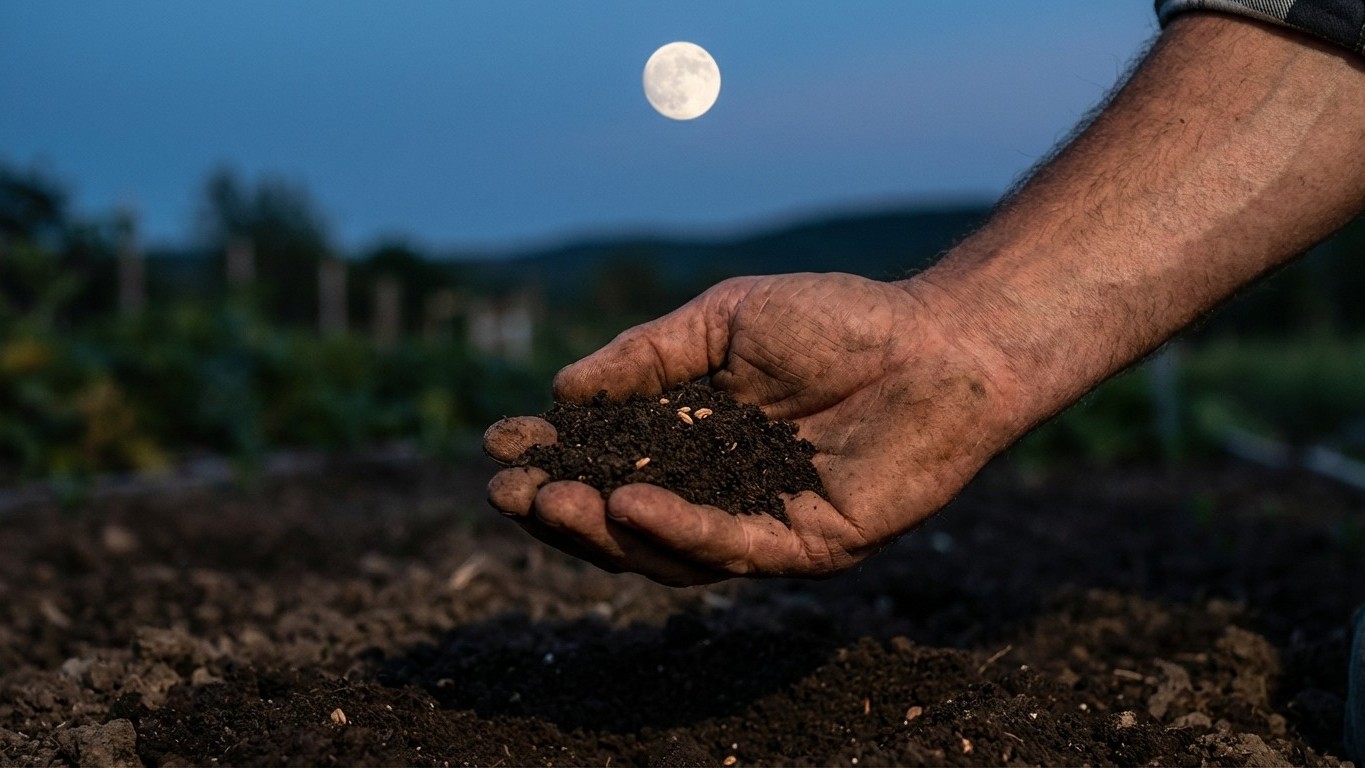
The Moon Phase Planting Secret That Doubles Spring Harvests: Why Grandma Was Right

Before checking weather forecasts, generations of farmers consulted the moon. This ancient practice, backed by gravitational science and 90+ years of research, can significantly boost seed germination and harvest yields. Learn the simple waxing and waning rules that transform spring gardens.

Marc de café et restes de cuisine : un engrais gratuit pour le potager

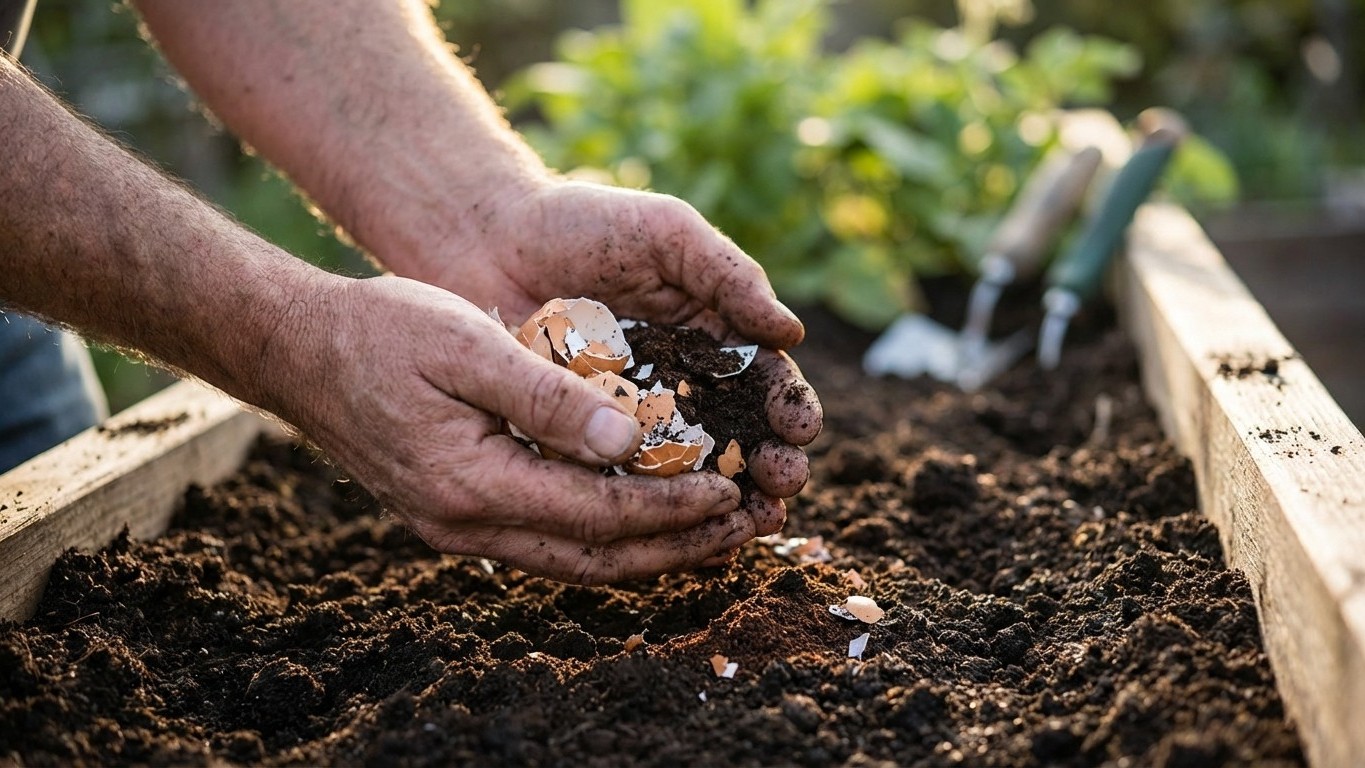
Double Your Garden Harvest With Kitchen Scraps: The Free Fertilizer Secret That Works

Your kitchen trash contains the nutrients that could transform your garden into a high-yield growing machine. Coffee grounds, banana peels, and eggshells aren’t gardening myths—they’re biological fertilizers that work faster and better than store-bought alternatives when used correctly.

Jardinage sans bêchage : pourquoi laisser le sol intact peut mieux produire

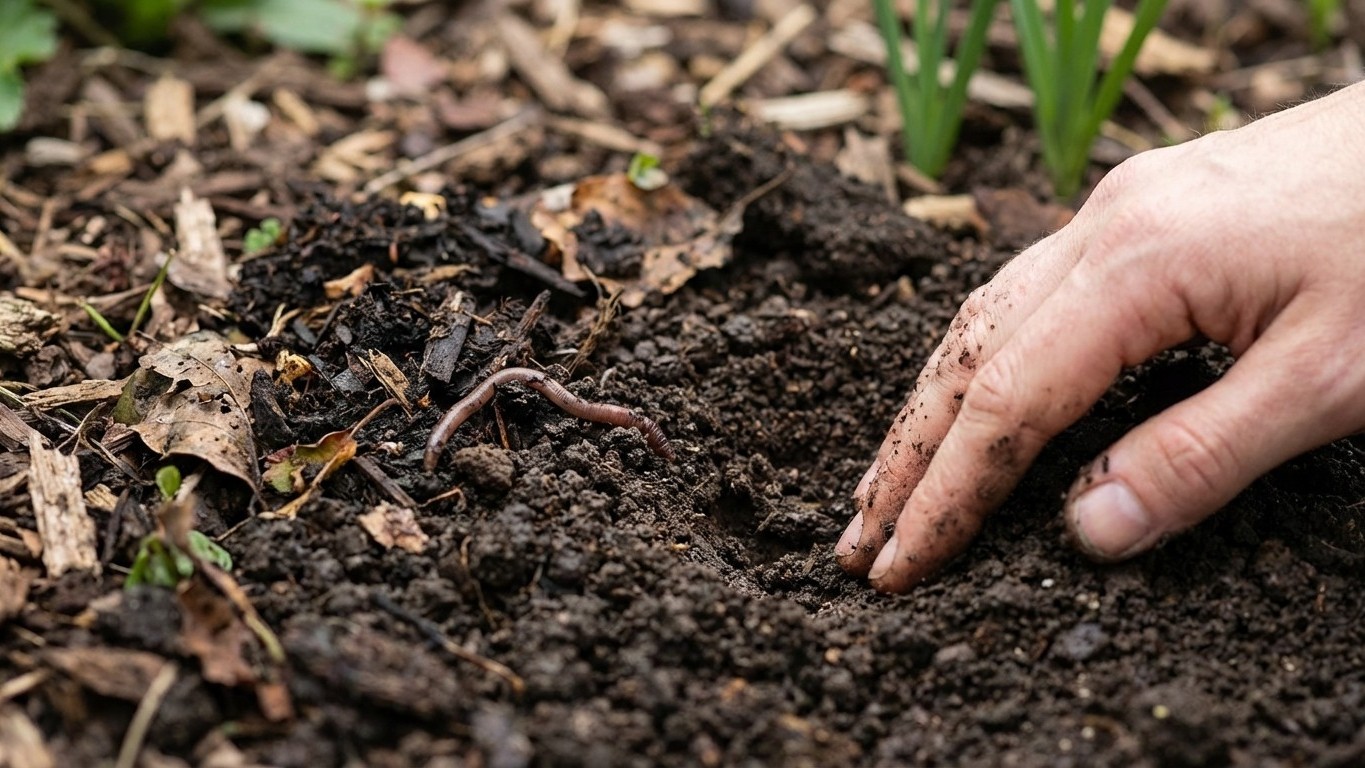
Why This Gardener Stopped Digging—and What She Found Changed Everything

A Vermont gardener abandoned her spade and discovered something unexpected: undisturbed soil outperforms tilled beds. By simply layering compost on top and letting nature work, she unlocked healthier plants, thriving earthworm populations, and dramatic drought resilience—all while doing less work.