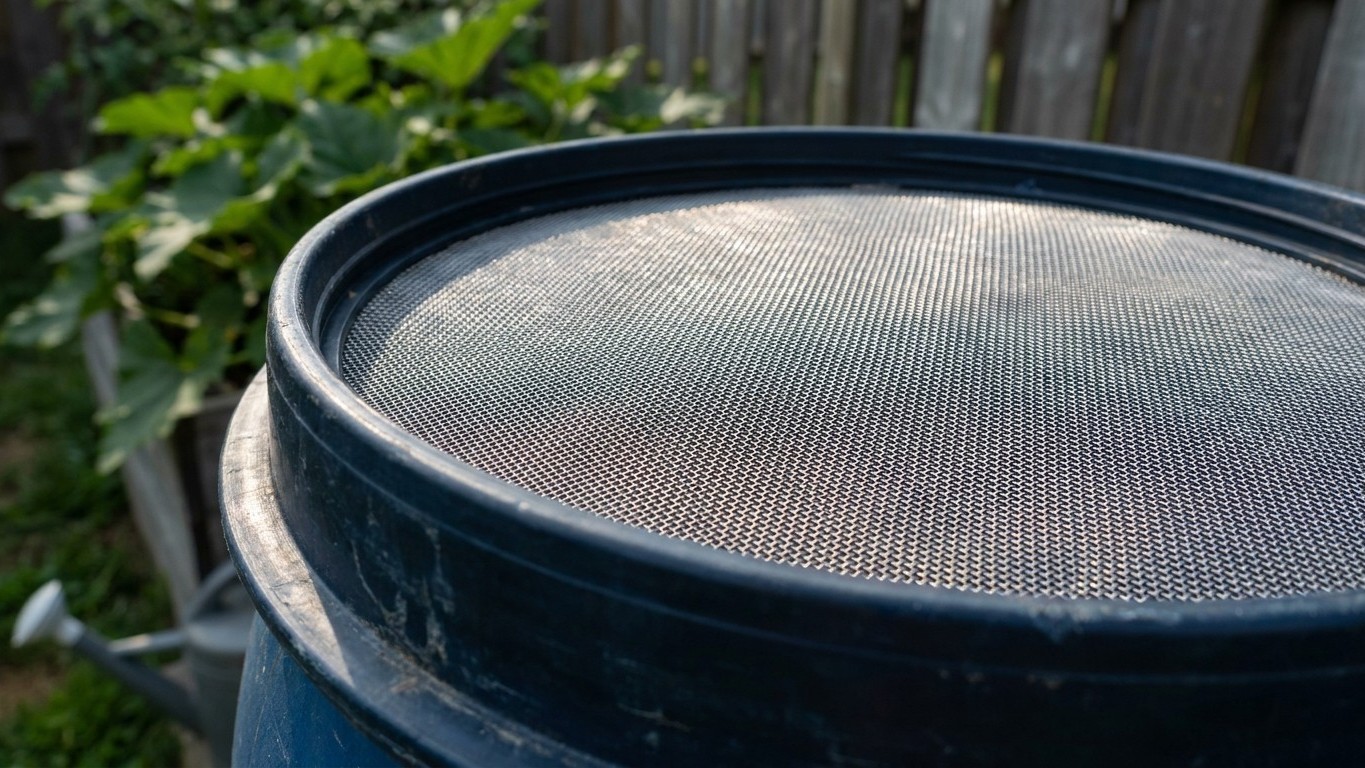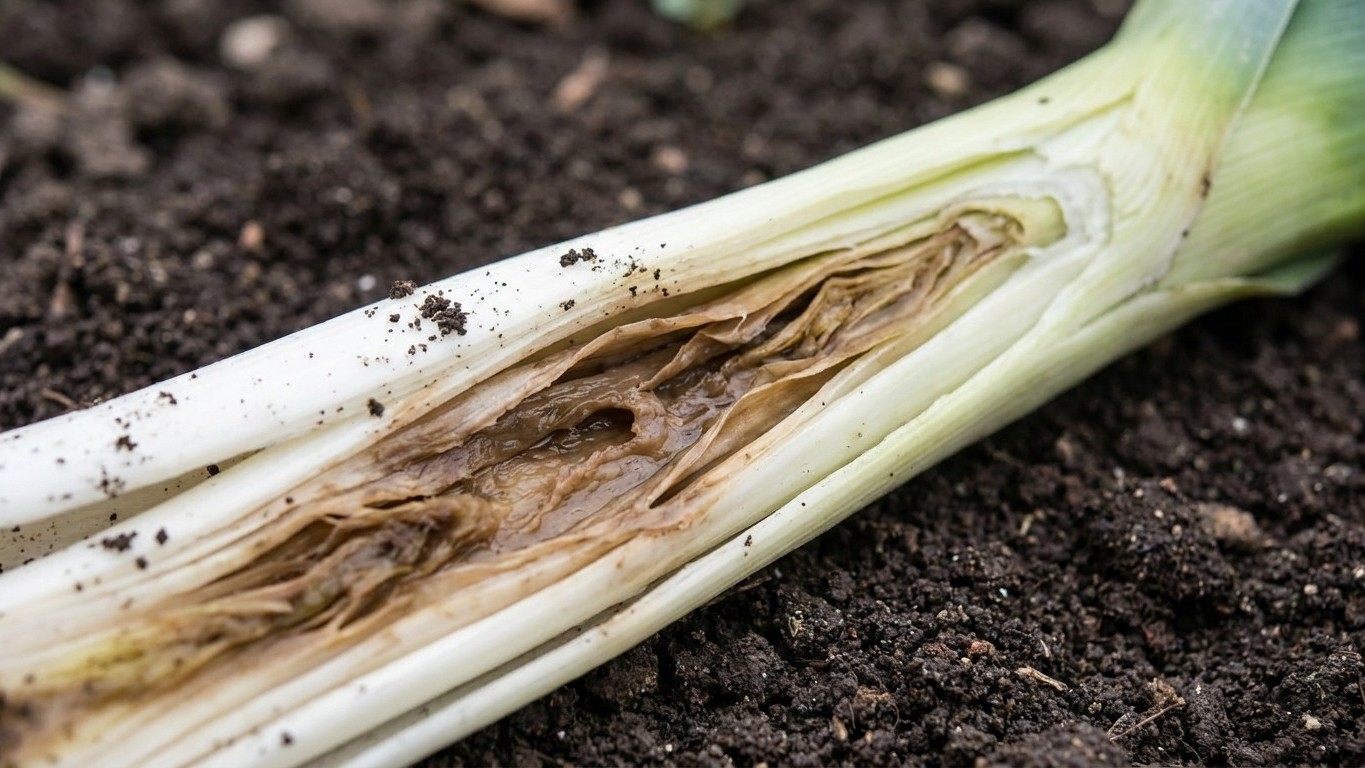
I screwed my insect hotel onto the shaded north wall just to keep it out of the way: when I opened the tubes the next spring, I saw what had formed inside

I screwed my insect hotel onto the shaded north wall just to keep it out of the way: when I opened the tubes the next spri...

You installed an insect hotel on a shaded north wall only to find mold, damp tubes, and dead larvae instead of thriving mason bees. The problem isn’t bad luck—it’s physics. Learn why wall orientation makes or breaks a bee hotel and how to fix it in five minutes.

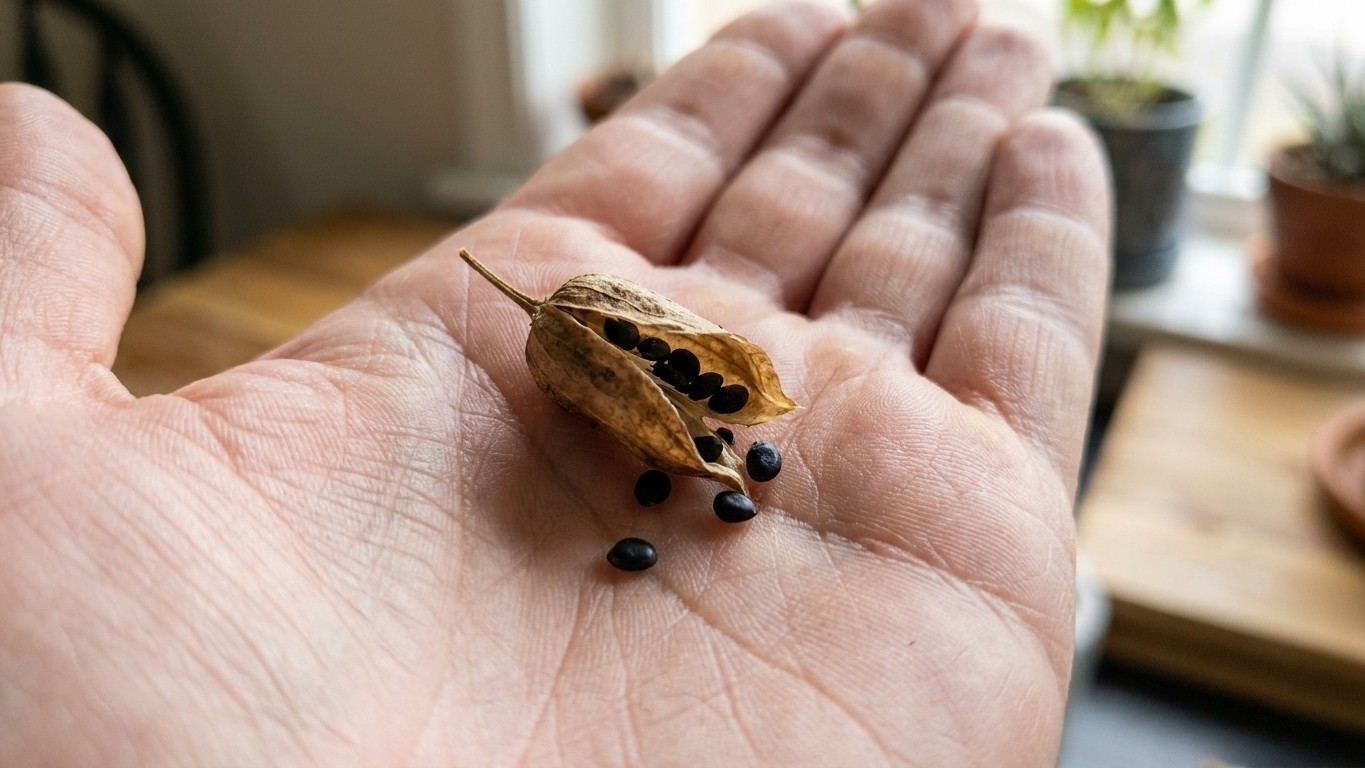
I slipped my spinach seeds along a row of beans just to save space: since then, not a single gap in the row and the leaves hold much longer

I slipped my spinach seeds along a row of beans just to save space: since then, not a single gap in the row and the leaves...

Slip spinach seeds along a bean row and the magic begins: no bare patches, no bolting, no premature flowering. Beans fix nitrogen from the air while their foliage creates the exact shade spinach needs to stay tender through warm weeks. This isn’t luck—it’s plant biology working in your favor, and it costs nothing but smart spacing.

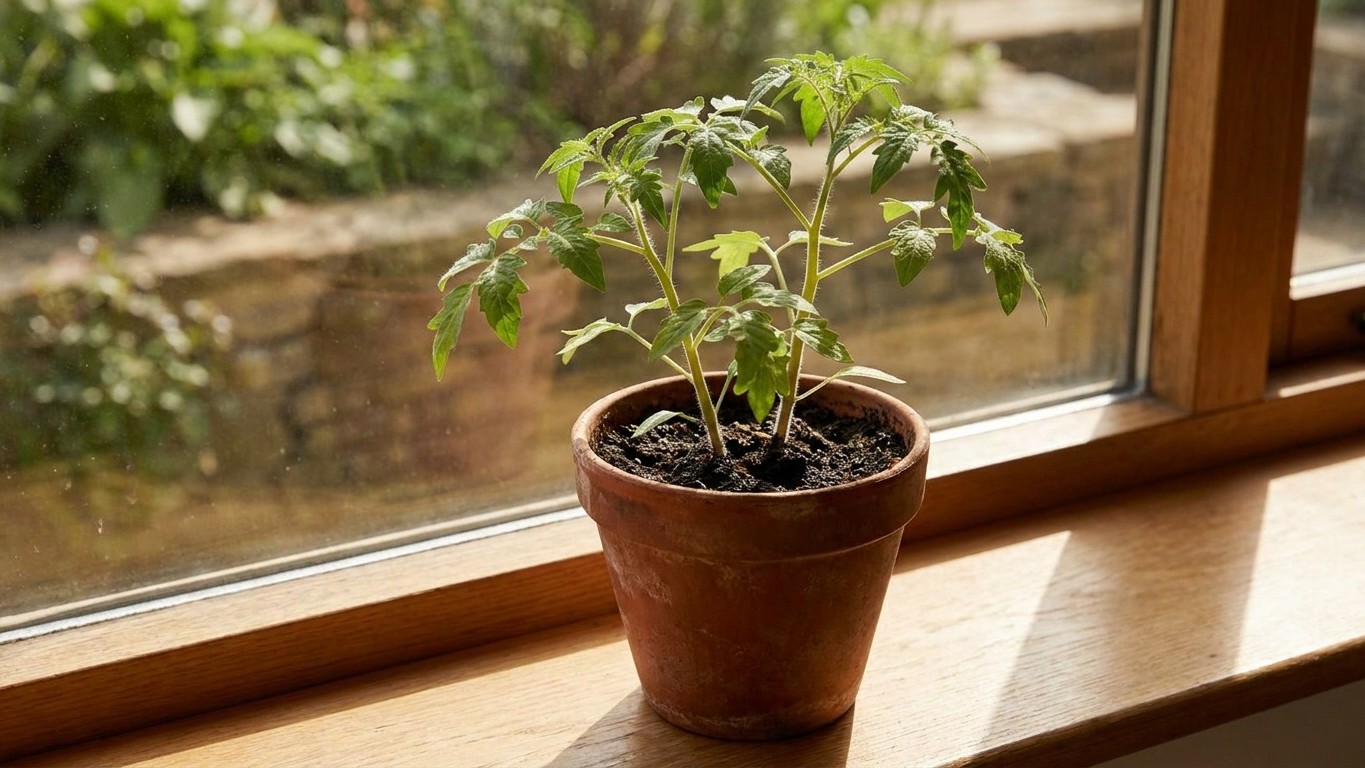
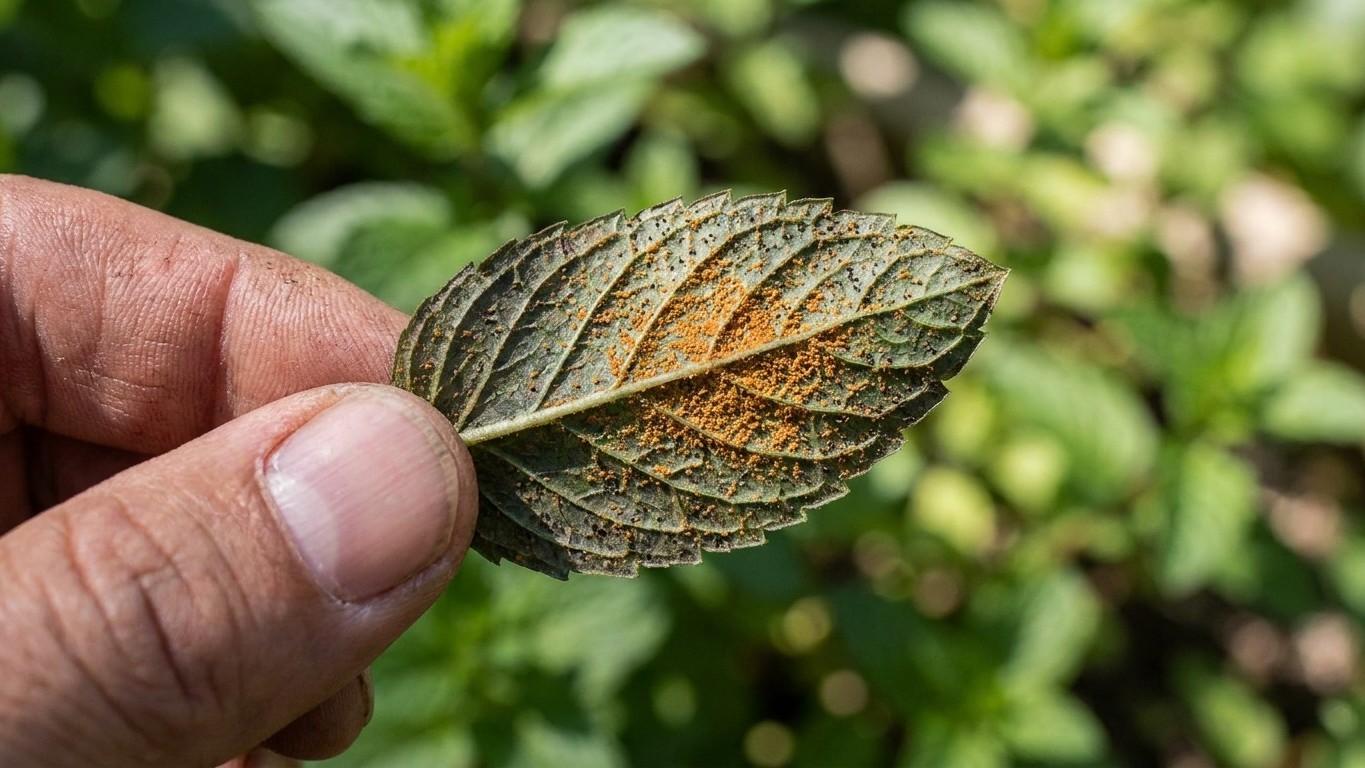
I put last year’s tomato stakes back in the ground to save a few euros: three weeks after the first watering, I saw what had come back up onto the lowest leaves

I put last year's tomato stakes back in the ground to save a few euros: three weeks after the first watering, I saw what h...

Reusing tomato stakes seems like smart gardening economy—until fungal spores dormant in the porous wood wake up with spring watering. Within three weeks, early blight and other diseases can devastate your crop. Learn the simple disinfection method that costs almost nothing.

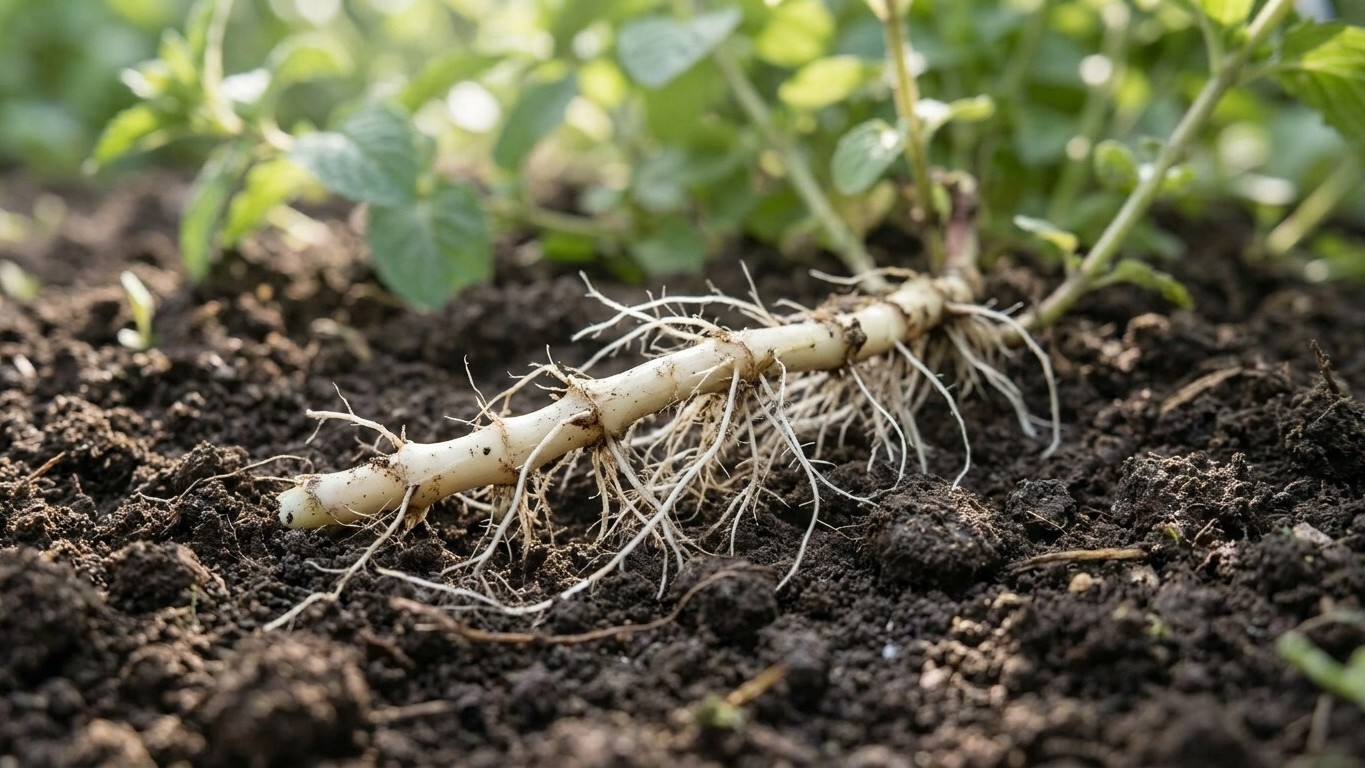
I dug my vegetable patch over every spring to loosen the soil: the summer everything wilted despite daily watering, I finally saw what the spade had cut through

I dug my vegetable patch over every spring to loosen the soil: the summer everything wilted despite daily watering, I fina...

Every spring, a gardener faithfully turned over the vegetable bed to loosen soil—until one summer, despite daily watering, everything wilted. The culprit wasn’t drought or disease. It was buried six inches down, severed by the spade each year. Mycorrhizal fungi and earthworm networks, invisible but essential, had been destroyed before the plants needed them most.

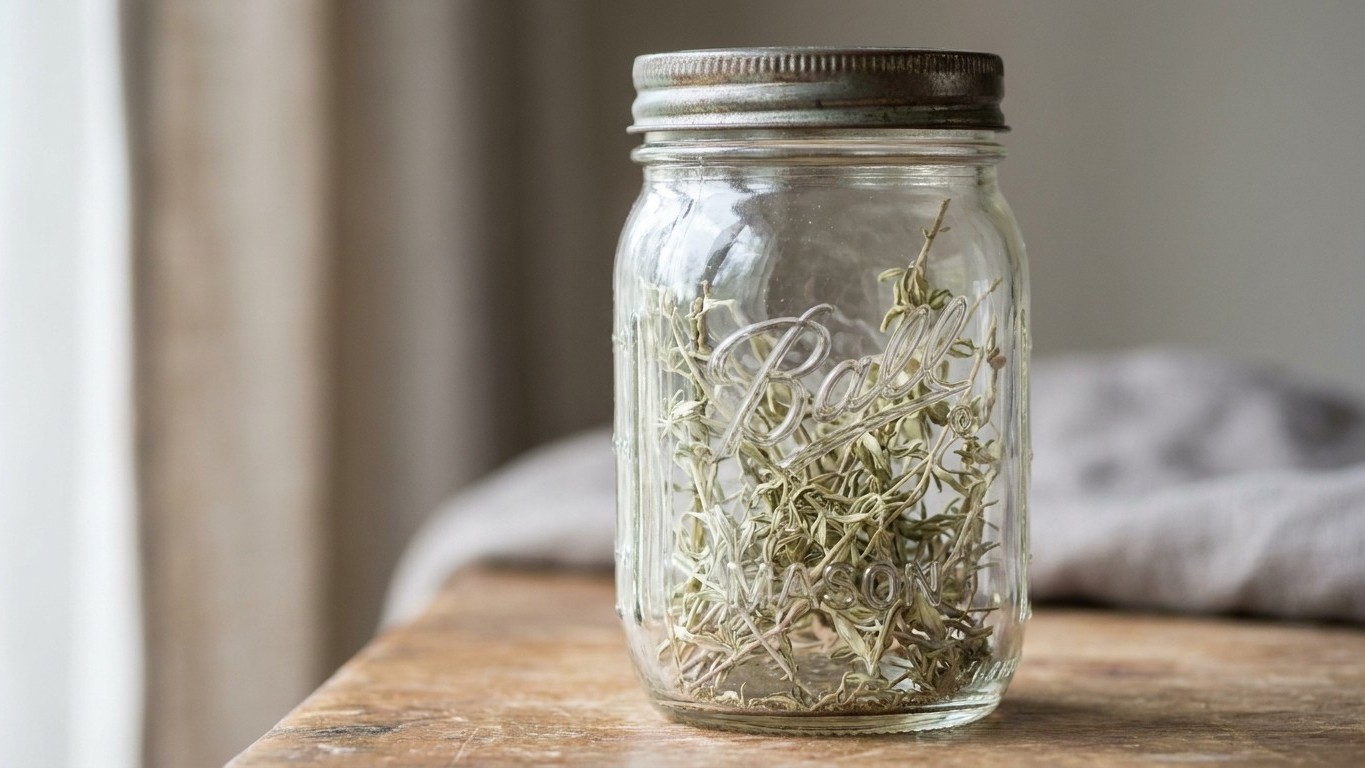
I planted my creeping thyme along the shaded side of the path to save time: when I looked at the strip at the end of the summer, it was too late

I planted my creeping thyme along the shaded side of the path to save time: when I looked at the strip at the end of the s...

By late summer, that shaded creeping thyme strip looked like straw instead of a lush carpet—and there’s no quick fix. The problem isn’t poor care; it’s biology. Mediterranean herbs like thyme need 6-8 hours of direct sun daily, and shade triggers etiolation, sparse growth, and disease susceptibility that compound all season long.

I poured my salted pasta water on my perennials to save on watering: when I scraped the soil six months later, I understood why they were dying of thirst

I poured my salted pasta water on my perennials to save on watering: when I scraped the soil six months later, I understoo...

An eco-friendly watering hack turned into a gardening disaster when salt accumulated in the soil, creating a chemical drought that left perennials dying of thirst despite regular watering. What looked like a conservation win revealed a hidden crust of sodium that reversed the plant’s ability to absorb water.

« I thought it was just the heat »: why lavender turning yellow at the end of July is a warning you should never ignore

« I thought it was just the heat »: why lavender turning yellow at the end of July is a warning you should never ignore

That sickly yellow lavender bed in late July isn’t suffering from heat—it’s drowning. Root rot develops silently underground in just 2–3 weeks of overwatering, and by the time yellow leaves appear, the damage is already underway. A five-minute root check can save your entire garden.

I varnished my clay jar before burying it to make it last longer: when I dug it back up a month later, I understood why my tomatoes were dying of thirst

I varnished my clay jar before burying it to make it last longer: when I dug it back up a month later, I understood why my...

An olla’s entire purpose depends on unsealed clay pores that draw water into dry soil—but one protective coating ruins everything. A gardener’s varnish experiment turned into a cautionary lesson about why sometimes the “improvement” is actually the sabotage.

We all keep dusting our hens with wood ash, when the mites spend the whole day somewhere else entirely in the coop

We all keep dusting our hens with wood ash, when the mites spend the whole day somewhere else entirely in the coop

Backyard chicken keepers dust their hens with wood ash daily, but poultry red mites spend daylight hours hidden in cracks, roosts, and nest boxes—nowhere near the birds. Discover why treating the chicken misses the real problem and what actually stops these nocturnal parasites.

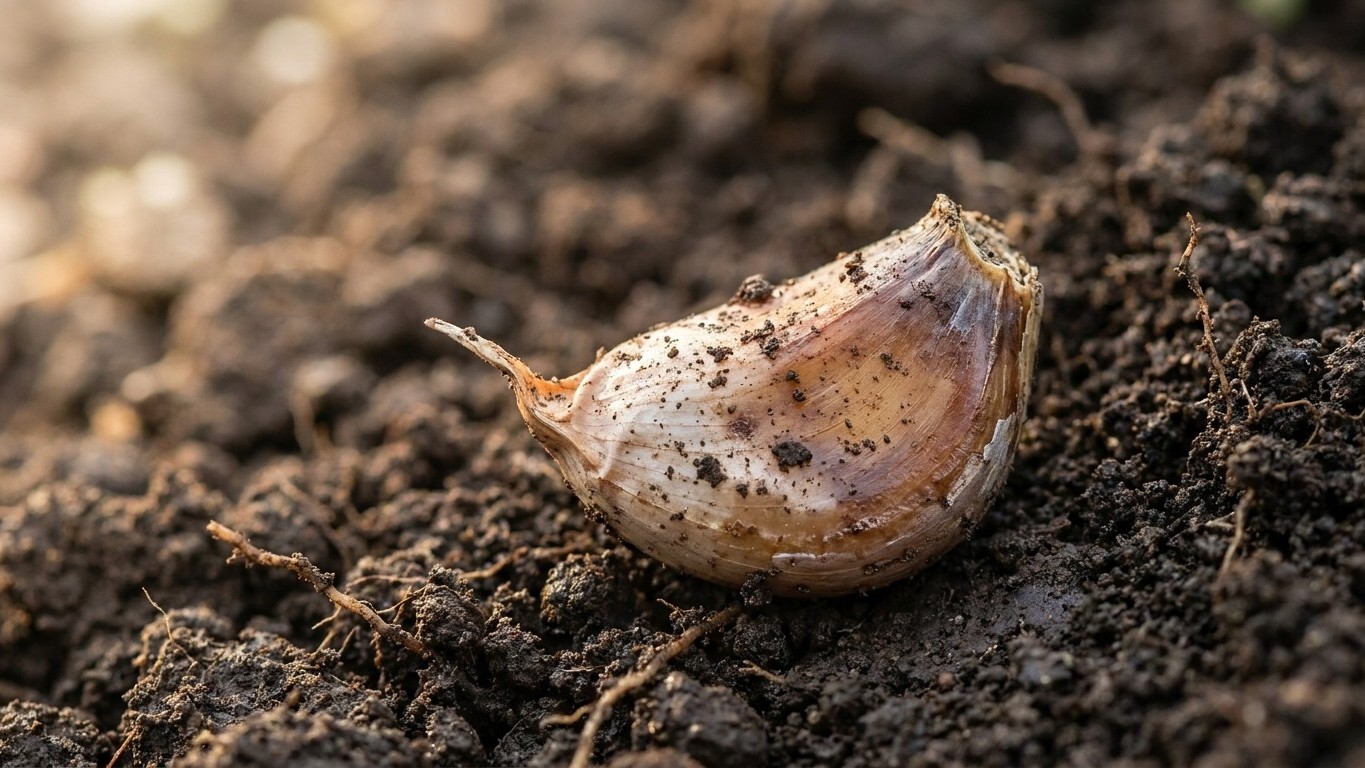
I sowed my carrot and parsley seeds in late July just to fill an empty bed: three weeks later, scraping the dry crust, I understood why nothing ever came up

I sowed my carrot and parsley seeds in late July just to fill an empty bed: three weeks later, scraping the dry crust, I u...

Sowing carrot and parsley seeds in late July to fill an empty bed seemed harmless—until three weeks of nothing revealed the real culprit: a hardened soil crust that seedlings couldn’t break through. This seemingly simple mistake exposes the science behind why two of the garden’s pickiest germinators demand precise conditions, especially in summer heat.