Why Your Zucchini Flowers Drop Without Fruiting—And the Precise Morning Hour to Fix It

Why Your Zucchini Flowers Drop Without Fruiting—And the Precise Morning Hour to Fix It

Your zucchini vines look healthy and flower prolifically, yet the fruits never develop. The problem isn’t disease or poor soil—it’s a narrow morning window between 6 and 10 a.m. when pollination must happen. Most gardeners miss it entirely, and there’s a simple fix.

Why That Ring of Grass Clippings Around Your Seedlings Is Cooking Them Alive

Why That Ring of Grass Clippings Around Your Seedlings Is Cooking Them Alive

Fresh grass clippings piled around seedlings generate extreme heat—up to 140°F—that damages roots and stems within 24 to 72 hours. What looks like tidy mulch is actually a composting pile that’s cooking your plants from the ground up. Here’s the science and how to fix it.

Spring Garden Plants That Secretly Attract Snakes: What Garden Centers Won’t Tell You

Spring Garden Plants That Secretly Attract Snakes: What Garden Centers Won't Tell You

Your favorite spring garden plants might be rolling out the welcome mat for snakes. From hostas to English ivy, certain bestsellers create the perfect habitat for these reptiles by attracting their prey. Learn which plants are the biggest culprits and how to outsmart the ecosystem.

The Hidden Killer in Your Garden: Why Black Walnut Trees Destroy Everything Around Them

The Hidden Killer in Your Garden: Why Black Walnut Trees Destroy Everything Around Them

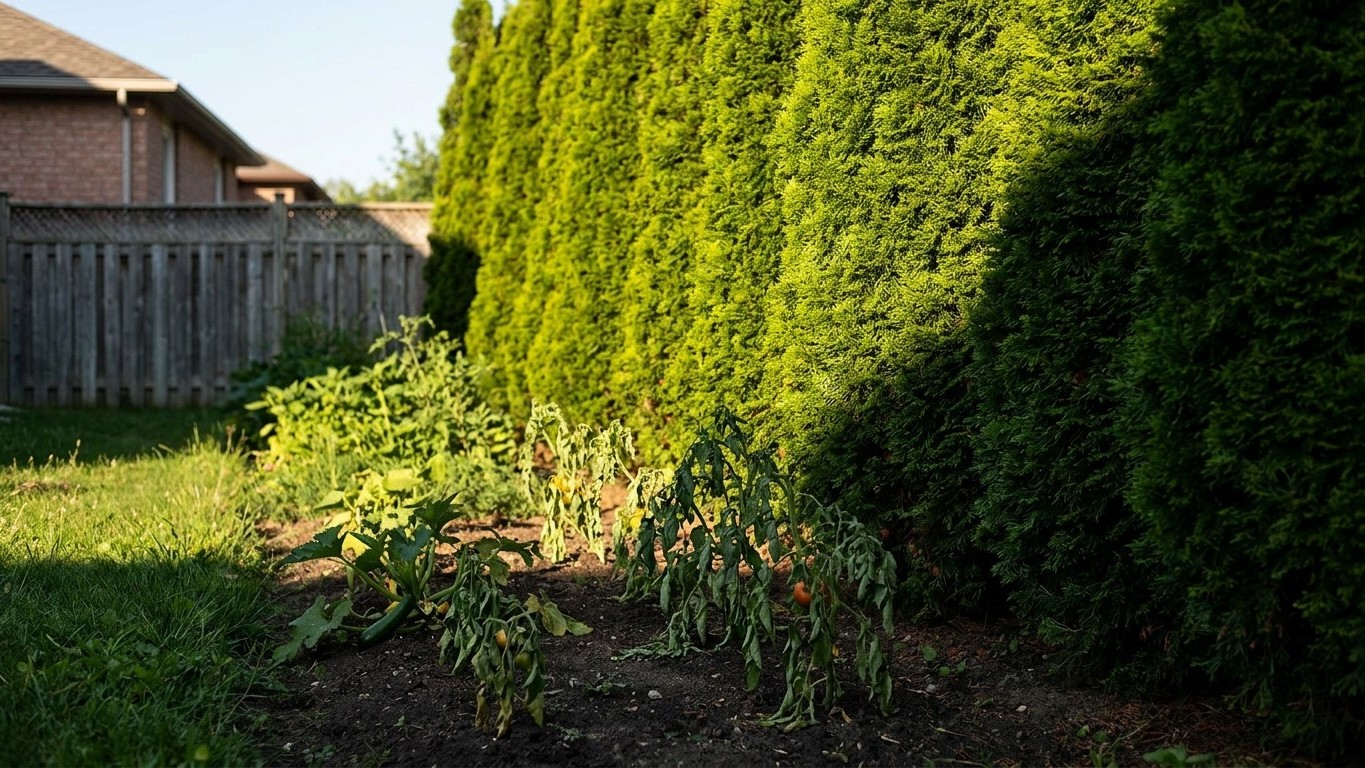
A seemingly healthy tree in your yard could be silently poisoning your garden through a toxic compound called juglone. An experienced gardener reveals why black walnuts are the most destructive botanical neighbors and shares practical solutions that actually work.

I Mulched My Hostas Wrong for Years—Here’s What a Soil Scientist Revealed

I Mulched My Hostas Wrong for Years—Here's What a Soil Scientist Revealed

For years, piling mulch around hostas every April seemed like responsible gardening—until a soil scientist dug into the bed and revealed what was really happening beneath the surface. The dense, matted layer wasn’t retaining moisture; it was suffocating the roots and creating ideal conditions for disease. Discover the simple fixes that will transform your hosta beds.

Why Mint Underground is Your Garden’s Worst Enemy: What Happens 3 Feet Below

Why Mint Underground is Your Garden's Worst Enemy: What Happens 3 Feet Below

Mint seems like the perfect garden herb until you discover what’s happening beneath the soil. Underground rhizomes can spread 18-24 inches in a single season, invading neighboring plants and lawns. Learn exactly what’s happening 3 feet below and how to control this aggressive spreader before it’s too late.

Why Your Peonies Won’t Bloom: The April Fertilizer Mistake That Starves Every Bud

Why Your Peonies Won't Bloom: The April Fertilizer Mistake That Starves Every Bud

Two springs without blooms isn’t bad luck—it’s a message from your soil. High-nitrogen fertilizer applied in April is the silent bloom-killer most gardeners overlook, pushing plants to grow lush foliage while starving the flowers. Learn what peonies actually need and how to reverse years of dormancy.

Coffee Grounds Are Killing Your Garden: The Caffeine Toxicity Nobody Talks About

Coffee Grounds Are Killing Your Garden: The Caffeine Toxicity Nobody Talks About

That morning ritual of scattering coffee grounds might be sabotaging your garden. The caffeine in spent grounds acts as a natural herbicide that stunts seedling growth, clumps soil into waterproof barriers, and releases toxins alongside nutrients—a cruel package deal that’s ruined countless raised beds.

Stop Killing Your Compost: Why Rhubarb Leaves Are Silently Sabotaging Your Pile

Stop Killing Your Compost: Why Rhubarb Leaves Are Silently Sabotaging Your Pile

Gardeners unknowingly destroy their compost by tossing rhubarb leaves into their bins. The oxalic acid in these leaves suppresses the microbes that make composting work, creating sluggish piles and half-finished material. Learn the chemistry behind the problem and smarter alternatives.

The Secret Bucket Trick That Doubled This Gardener’s Cucumber Harvest

The Secret Bucket Trick That Doubled This Gardener's Cucumber Harvest

A single bucket with a hole drilled in it transformed one gardener’s cucumber yield, outproducing their neighbour’s harvest by 100%. The secret lies in understanding that cucumbers are 95% water and demand consistent, stress-free hydration—something a gravity-fed drip system delivers perfectly, eliminating the bitter fruit caused by erratic watering cycles.