Btk sur buis en plein soleil : pourquoi les chenilles continuent
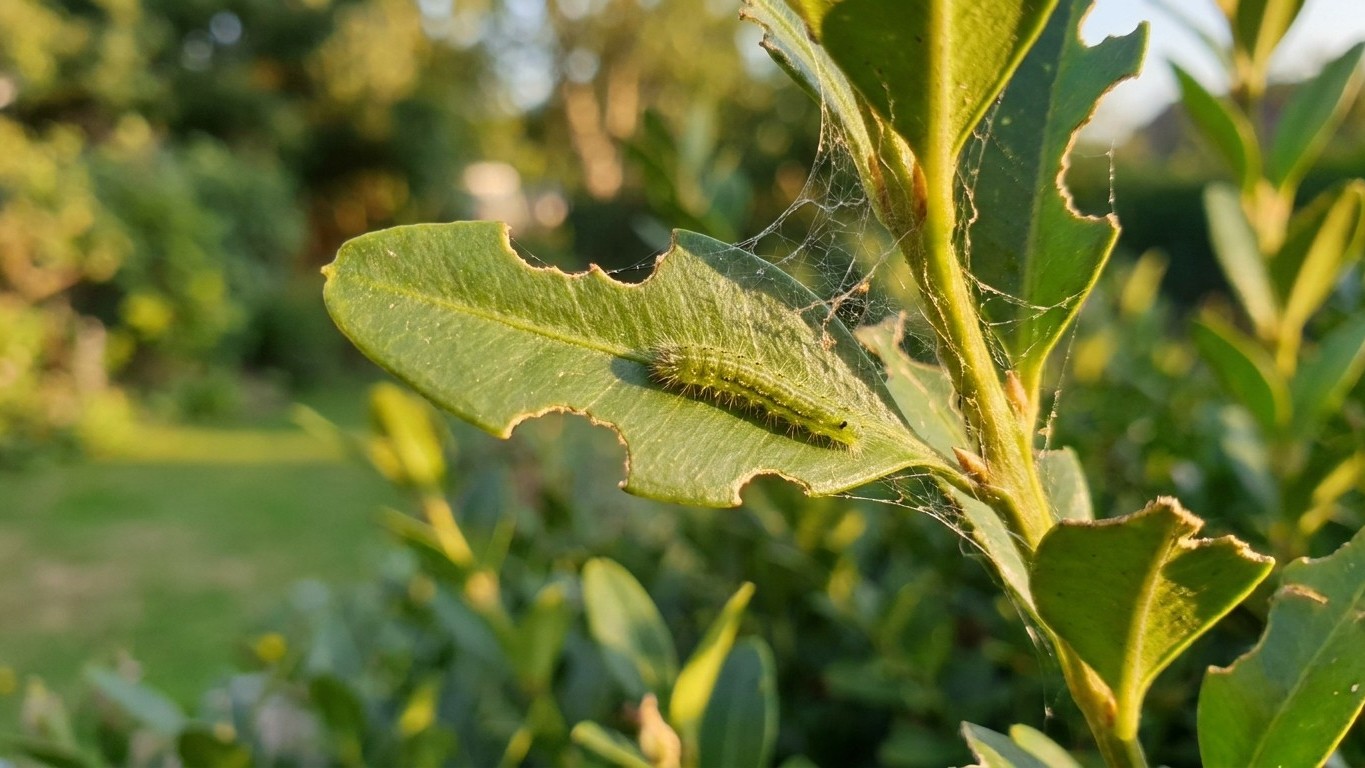
I sprayed my box hedge with Btk in full midday sun just to hit the caterpillars early: three days later, what was still ch...

You sprayed Btk at noon and three days later, caterpillars were still chewing your boxwood hedge. It wasn’t a new infestation—it was predictable failure caused by UV degradation, wrong timing, and caterpillars hiding in silk nests. Here’s exactly what went wrong and how to fix it.
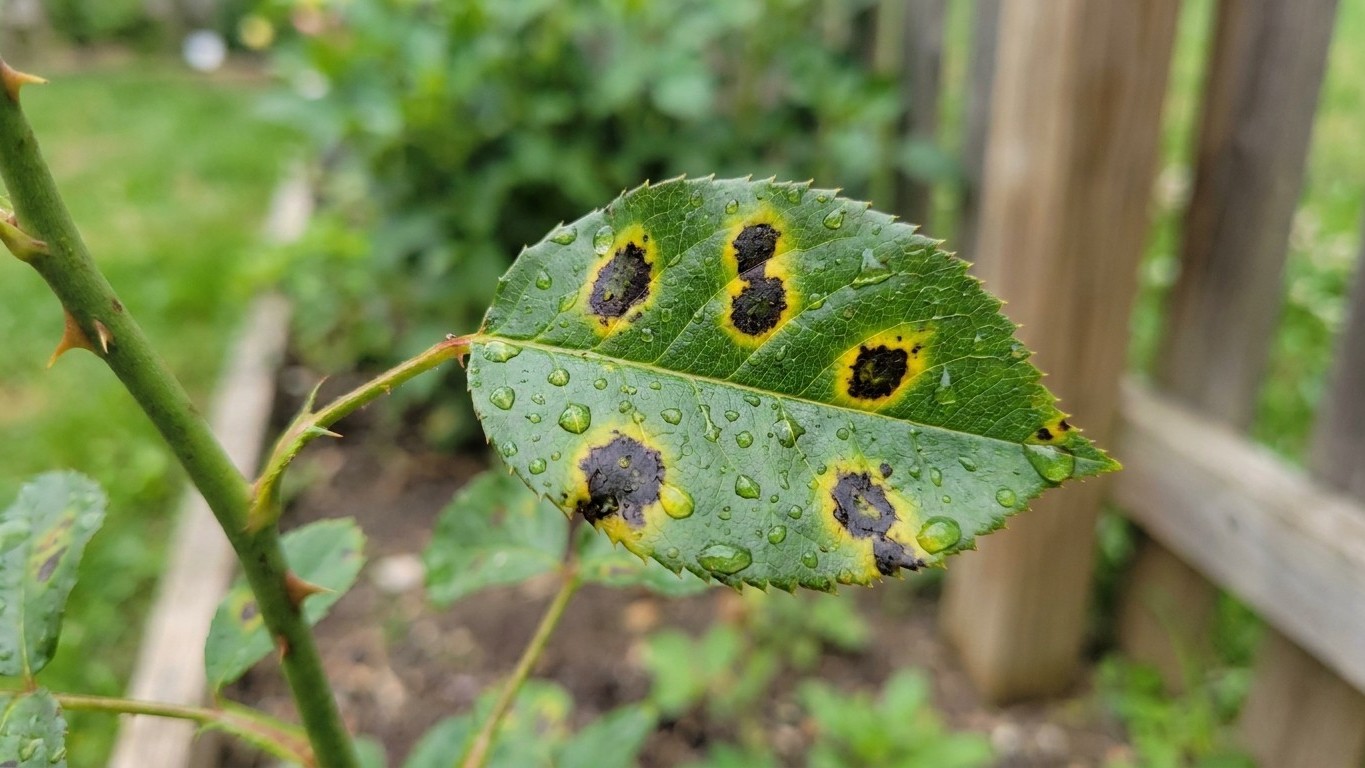
Taches noires du rosier : pourquoi le compost ne les élimine pas

I raked up my spotted rose leaves and tipped the lot on the compost heap just to save the green bin: the following June, w...

Tossing infected rose leaves onto the compost heap feels like an eco-friendly shortcut—but it’s actually a guaranteed delivery system for black spot fungus. Learn why home compost won’t kill the spores and what gardeners should do instead to break the infection cycle.

Paillage contre les pommiers : pourquoi l’écorce disparaît en hiver

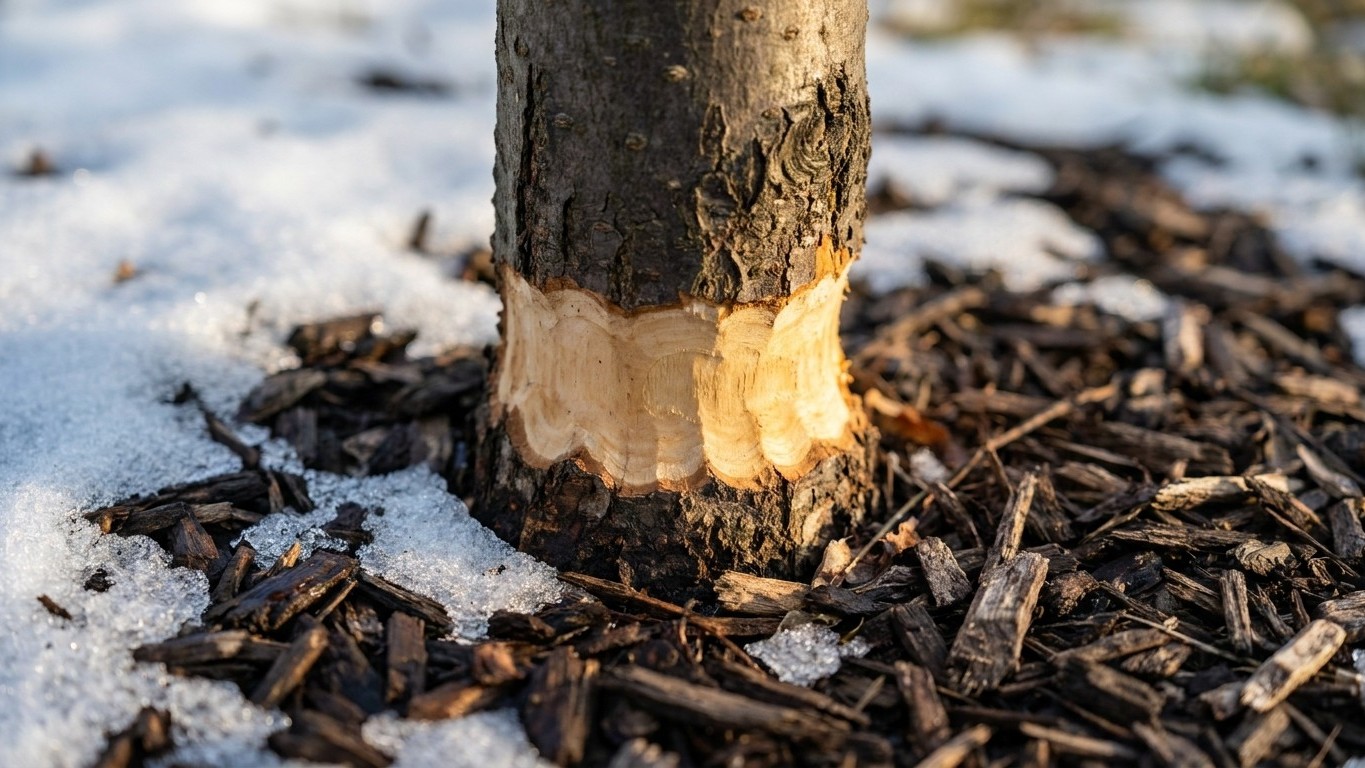
I heaped bark mulch right up against my young apple trunks just to keep the weeds down: when the snow pulled back in March...

Gardeners who carefully mulch their young apple trees for winter protection often unwittingly create a five-star shelter for voles. By March, the bark at the base of the trunk may be completely stripped away—but the mulch itself isn’t the villain. The real culprit is where and how it’s piled.

Épinards semés dans un sol trop chaud : pourquoi ils ne lèvent pas

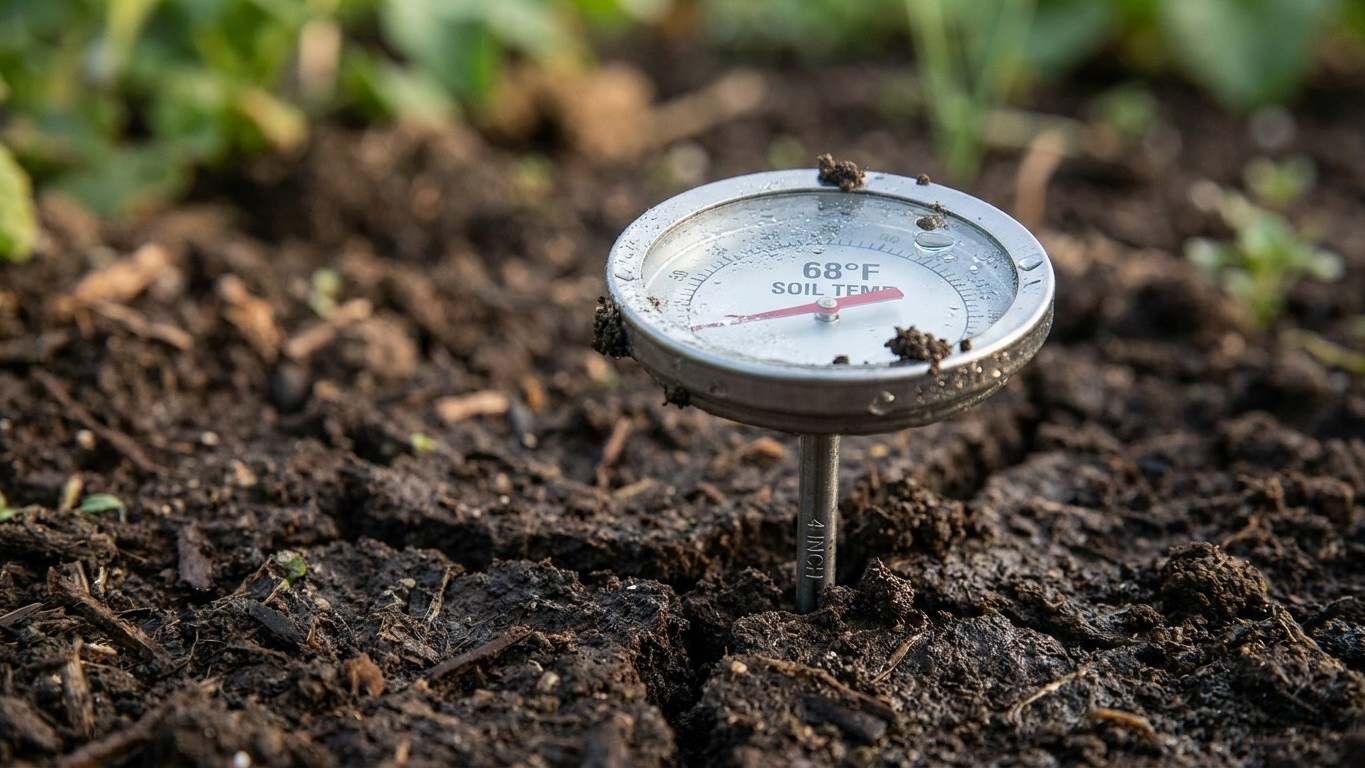
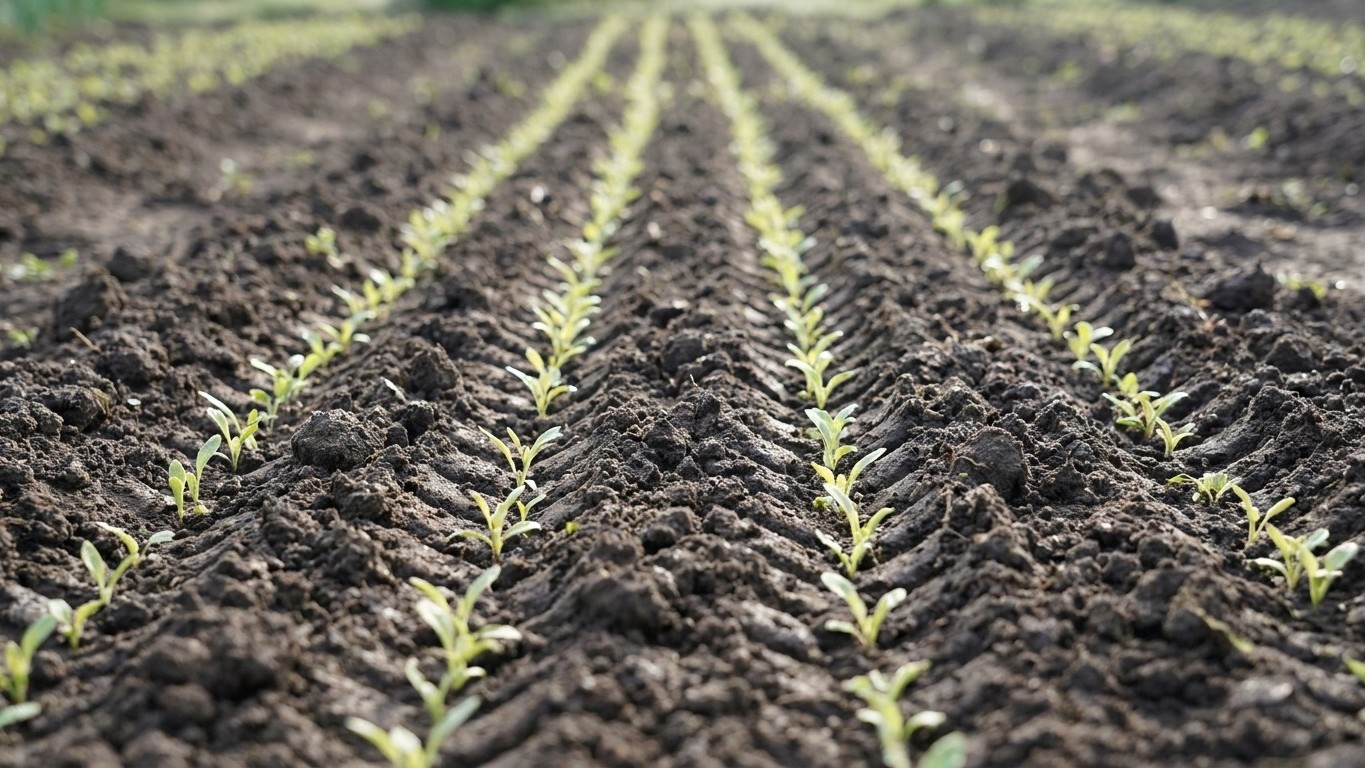
I sowed my spinach straight into the warm September soil just to get ahead: three weeks later, what was missing from the r...

You watered faithfully for three weeks, but your spinach row stayed bare. The culprit isn’t your watering can—it’s soil temperature. Spinach seeds have a built-in thermal dormancy switch that shuts down germination when soil gets too warm, a survival mechanism thousands of years in the making.

Taches blanches sur les feuilles de courgette : le lait ne suffit pas

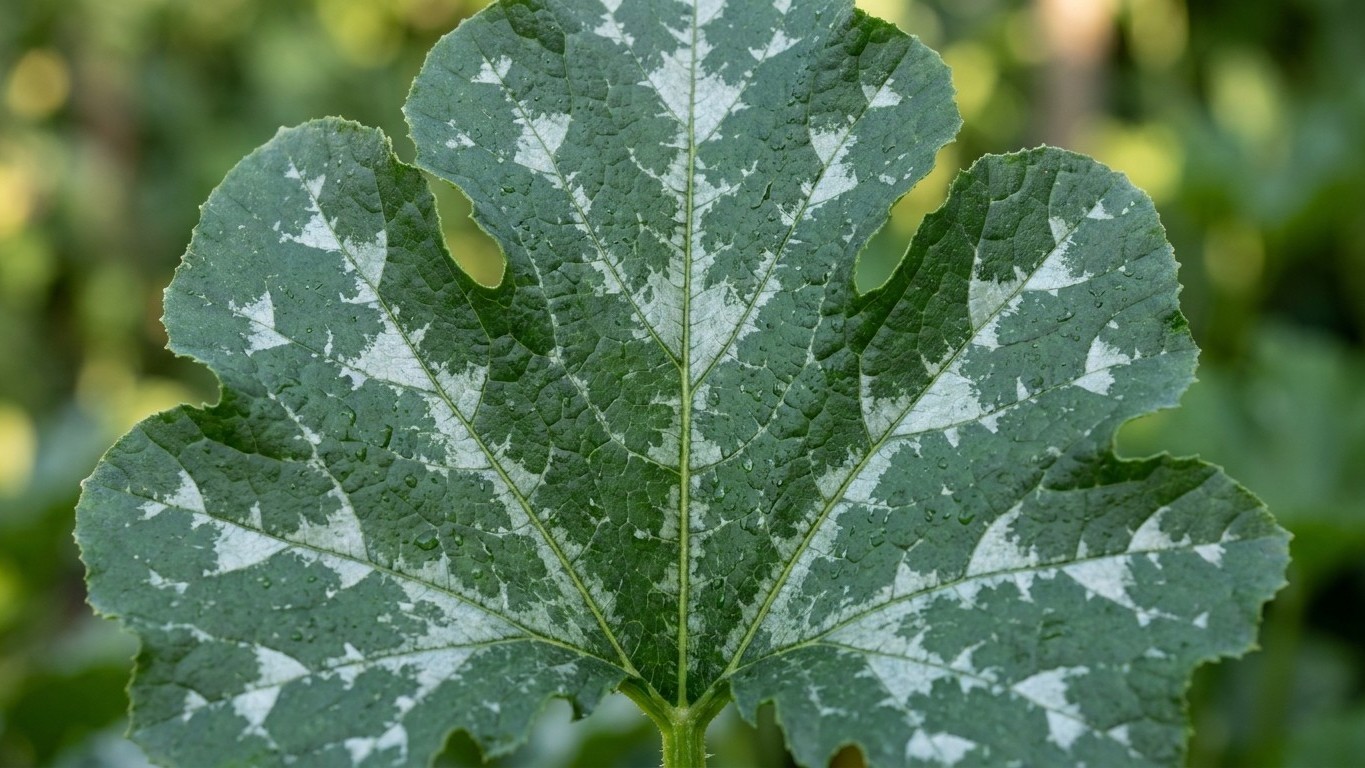
I sprayed my courgettes with milk and water every morning just to stop the white patches: three days later, what was showi...

Three days of faithful milk-and-water misting didn’t stop the white patches on courgette leaves—because there was nothing to stop. What looked like powdery mildew was actually harmless natural variegation, a discovery that came too late but teaches a crucial gardening lesson about diagnosis before treatment.

Couper la tige des courges au ras du fruit : pourquoi elles pourrissent

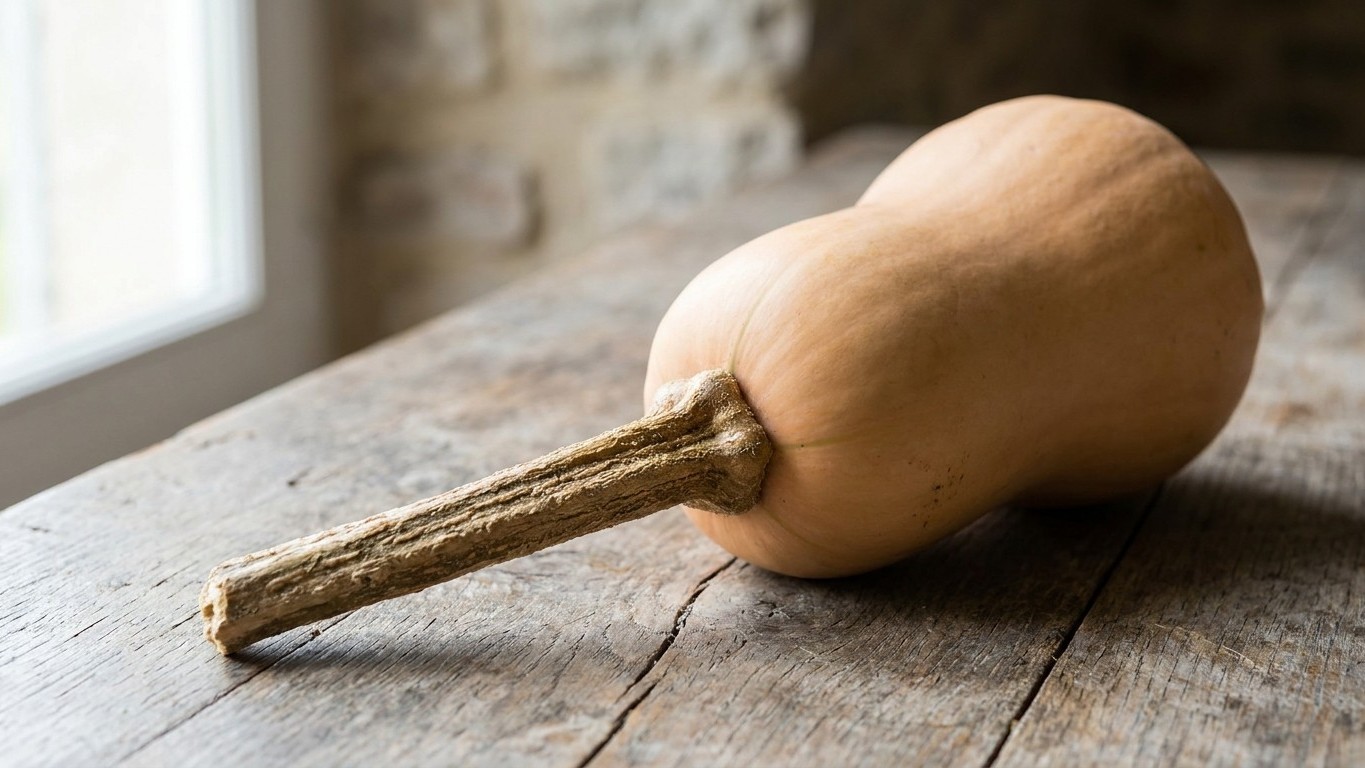
I cut my winter squash flush with the fruit just to make the pile look tidy: by December, what was spreading under the sta...

That neat, flush-cut squash stem you admired in September becomes an open wound by December. Gardeners who trim stems too short sacrifice months of storage life, inviting rot, mold, and bacterial decay that spreads across entire shelves. The fix is simple—but only if you know the rules before you harvest.

Melons arrosés tous les soirs : pourquoi les fruits éclatent après l’orage

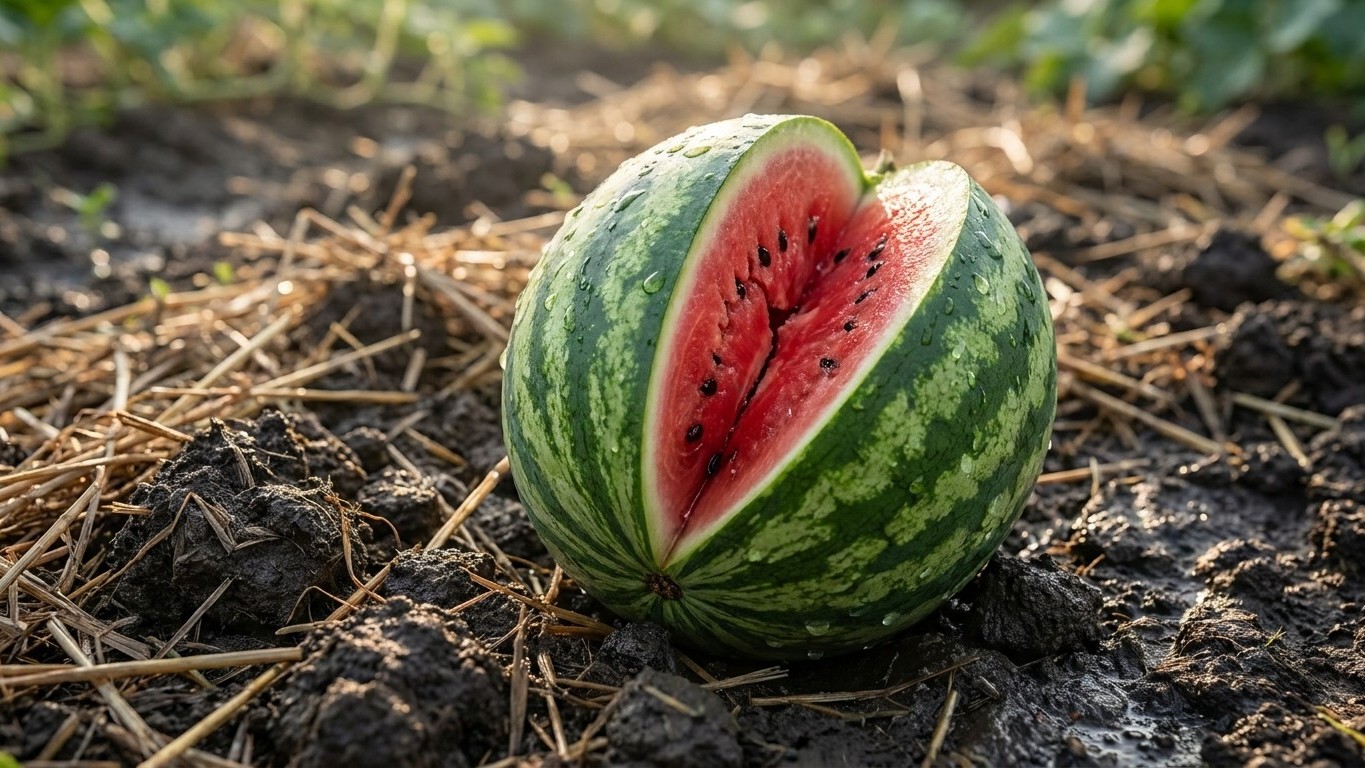
I watered my melons every evening right up to picking just to swell them: the morning after the July storm, what had split...

That evening watering ritual feels like care, but it’s setting up your melons to burst. After a July storm, one fruit split open—then several more. The real culprit isn’t the weather; it’s weeks of irregular water supply that weakened the rind and concentrated pressure inside the fruit.

Bêcher son potager en automne : pourquoi les adventices prolifèrent

I forked my vegetable beds over every autumn just to break up the soil: by spring, what was coming up between the rows had...

Every autumn fork strike awakens thousands of dormant weed seeds buried in your soil, and they germinate in perfectly organized rows come spring. This isn’t bad luck—it’s biology. Learn why disturbing soil triggers mass germination and the proven technique that breaks the cycle.

Trous dans les feuilles de chou : reconnaître les dégâts d’altises

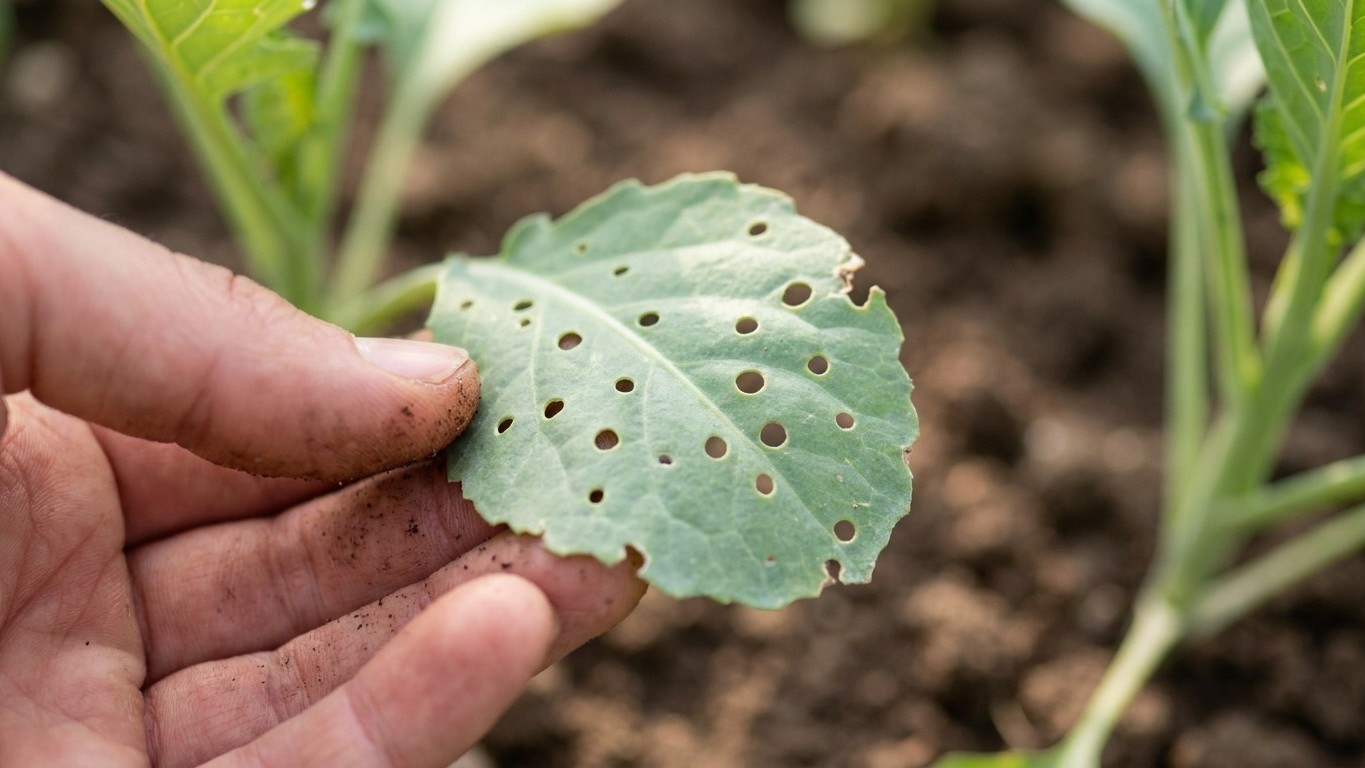
I sowed my autumn cabbages during the warm dry spell just to get ahead: four days later, the little holes riddling the lea...

Those perfect little round holes punching through your autumn cabbage seedlings aren’t slug damage—they’re the telltale signature of flea beetles. This tiny jumping pest thrives in exactly the warm, dry conditions gardeners love for getting ahead, and it hits hardest during a seedling’s most vulnerable week. Here’s how to identify the culprit and defend your crop.