I poured coarse salt on the weeds in my gravel path to kill them fast: when I saw what happened to my flower beds after the first rain, it was too late
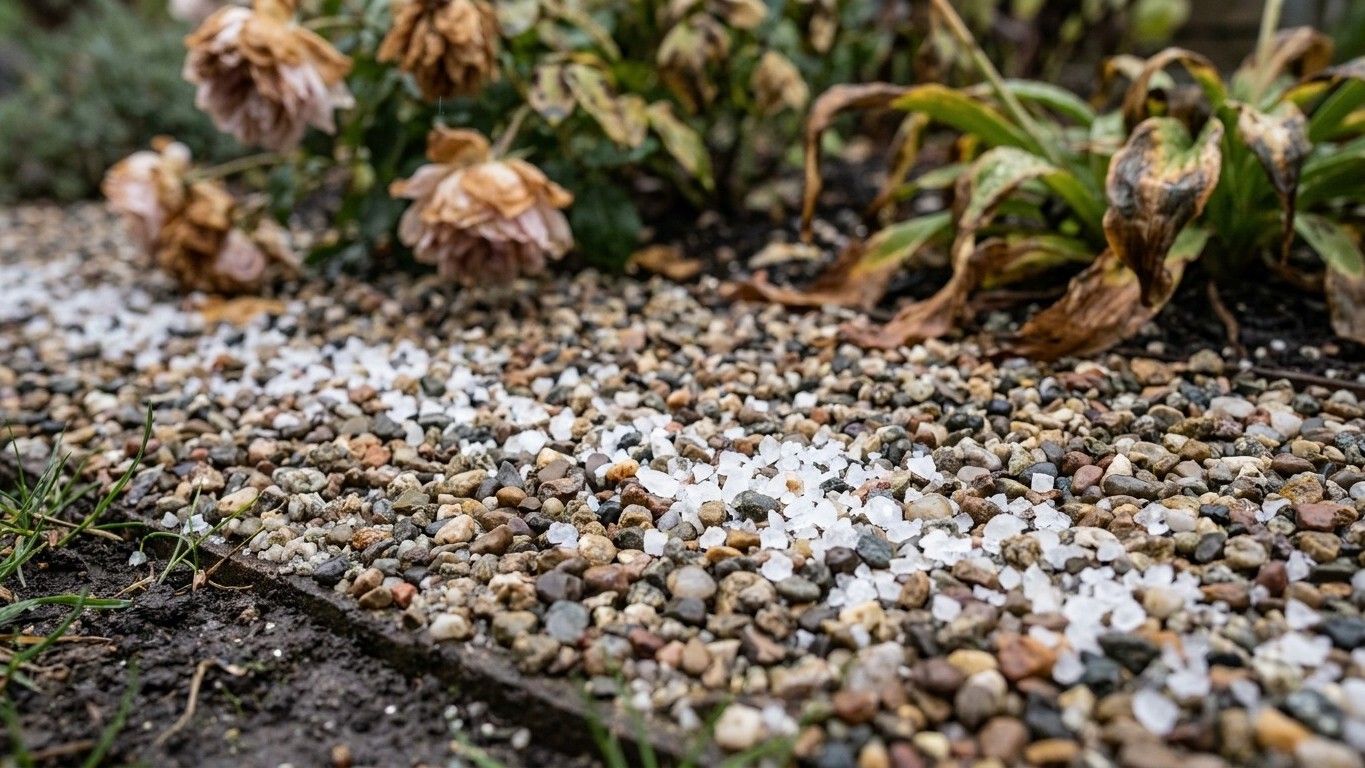
I poured coarse salt on the weeds in my gravel path to kill them fast: when I saw what happened to my flower beds after th...

Rock salt kills weeds in your gravel path within 24-48 hours—exactly as promised. But the moment rain arrives, that same salt becomes a toxic poison that migrates into your flower beds, destroying plants and contaminating soil for years to come.
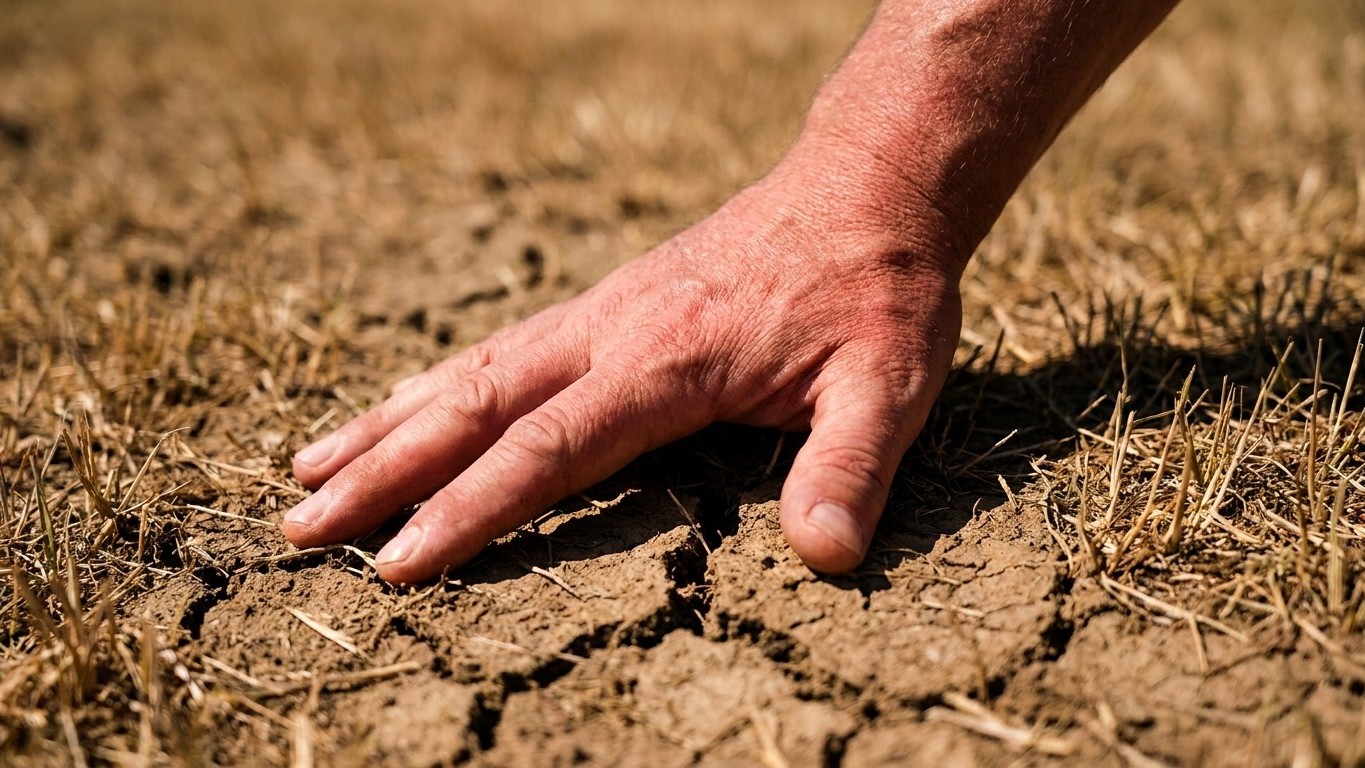
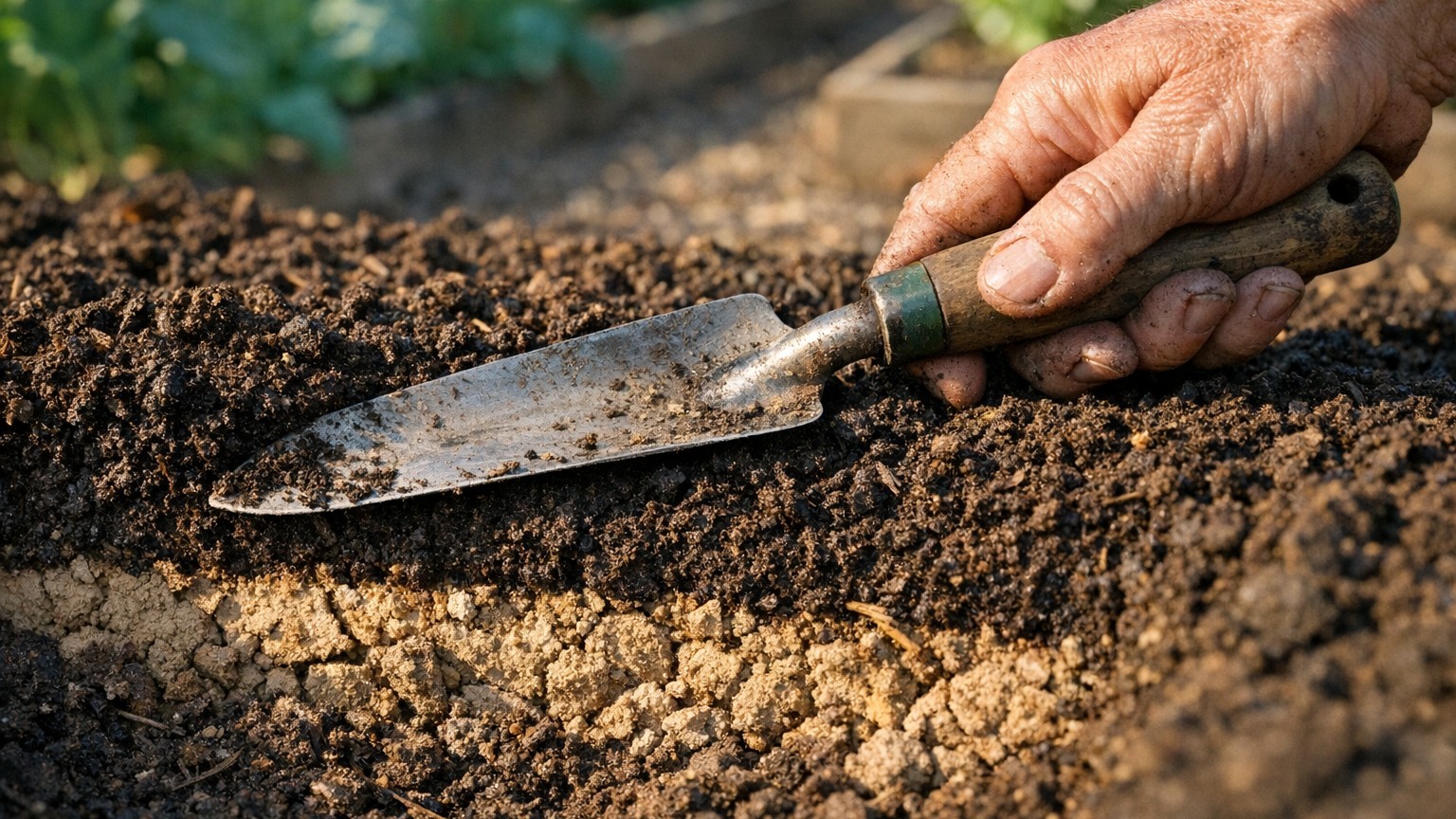
Why Cutting Your Lawn Short Before a Heat Wave Backfires: What Soil Temperature Reveals

Why Cutting Your Lawn Short Before a Heat Wave Backfires: What Soil Temperature Reveals

Cutting grass short before a heat wave seems logical until your soil turns brown and stops growing entirely. The science reveals a counterintuitive truth: shorter grass actually creates more problems during peak heat, not fewer. Here’s what happens underground and how to prepare correctly.

Why Your Garden Is Dying Despite Daily Watering: The Soil Secret That Changes Everything

Why Your Garden Is Dying Despite Daily Watering: The Soil Secret That Changes Everything

You water faithfully every evening, yet your plants wilt and yellow by mid-summer. The shocking truth: surface moisture never reaches the roots. Discover why shallow daily watering creates weak plants and the one simple technique that transforms your garden.

Why Daily Tomato Watering Creates Shallow Roots—and How Deep Watering Fixes It

Why Daily Tomato Watering Creates Shallow Roots—and How Deep Watering Fixes It

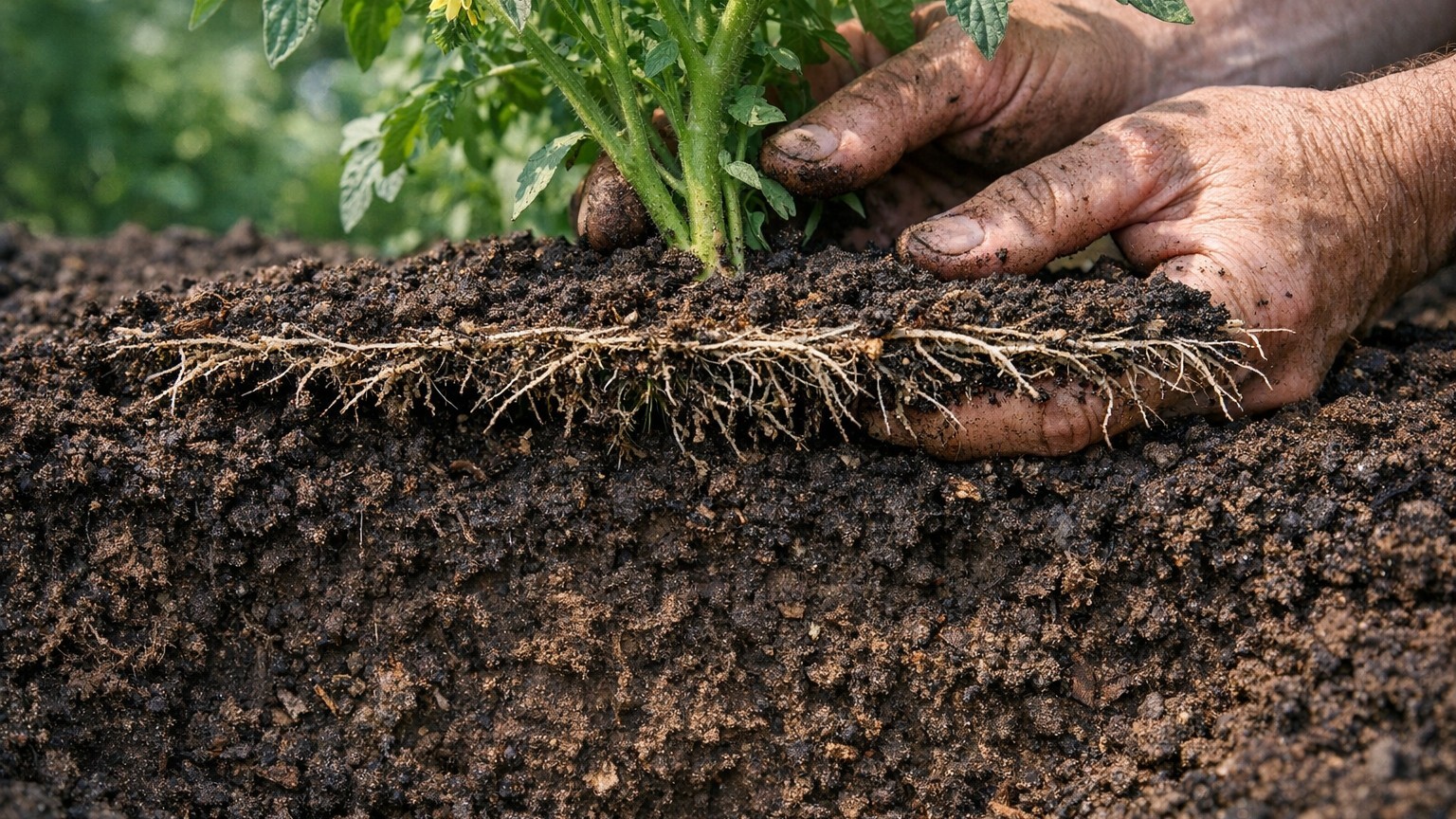
Watering tomatoes a little every day trains roots to stay at the surface, making plants fragile and drought-vulnerable. By switching to deep, infrequent watering combined with proper soil amendment and mulch, you can develop roots that reach 18-24 inches down, accessing cooler, more nutrient-rich soil layers.

You’ve Been Killing Your Compost’s Best Workers: Here’s What You Missed

You've Been Killing Your Compost's Best Workers: Here's What You Missed

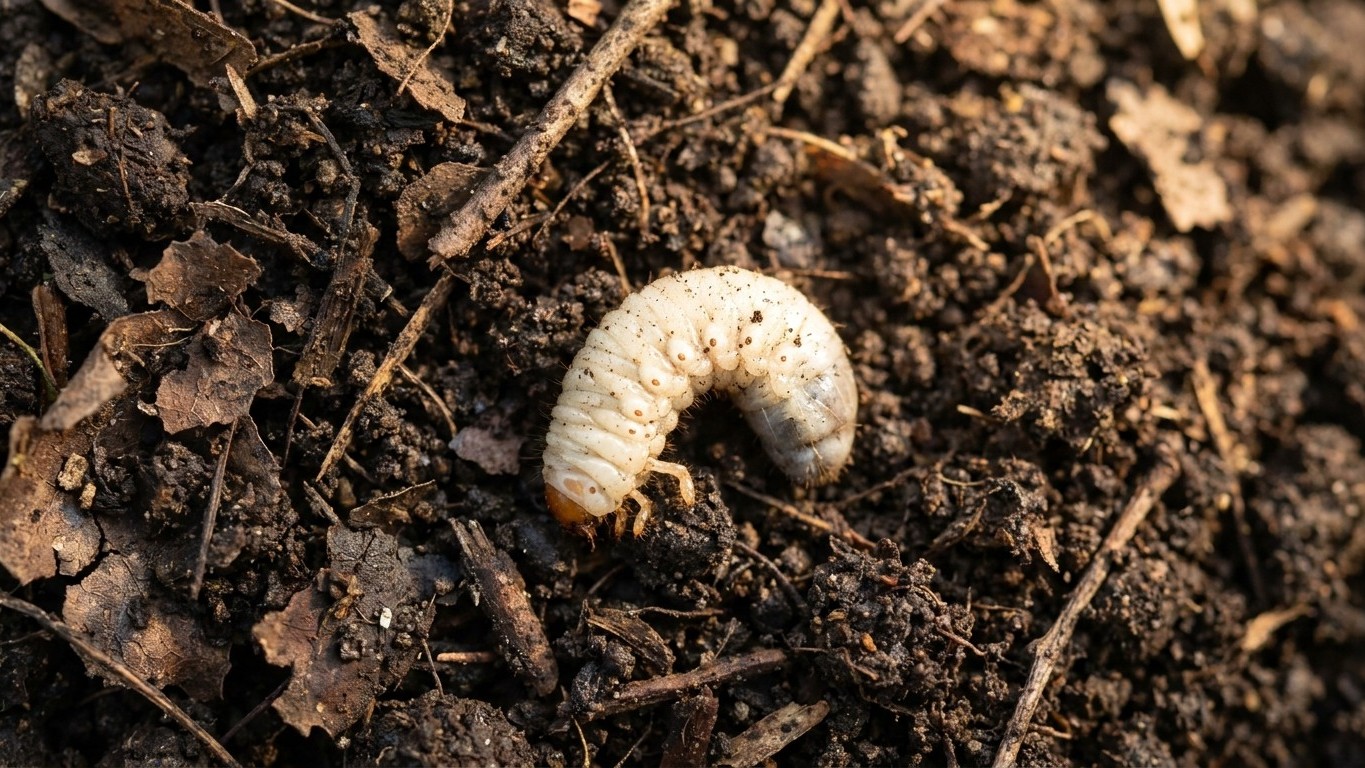
For years, composters have reflexively crushed white grubs without realizing most belong to the black soldier fly—nature’s most efficient waste processor. These larvae consume four times their weight daily, produce nutrient-rich fertilizer, and prevent harmful flies from invading your pile. Flipping one on its back reveals the truth: you’ve been executing your most loyal workers.

The Kitchen Scrap Secret Your Neighbor Uses to Grow Spectacular Roses Every May

The Kitchen Scrap Secret Your Neighbor Uses to Grow Spectacular Roses Every May

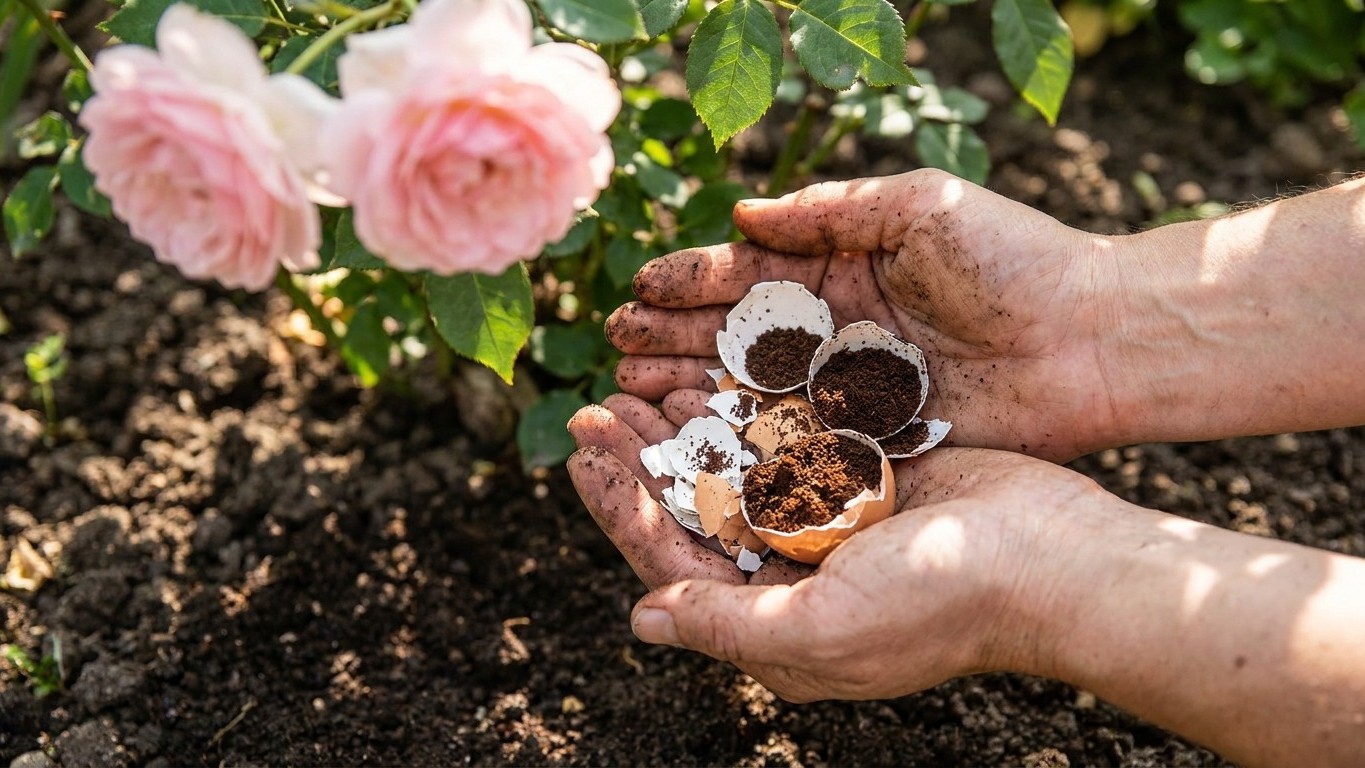
While most of us toss eggshells and coffee grounds in the trash, savvy gardeners are burying them at the base of their roses each May. This simple practice, called trench composting, doesn’t just feed plants—it rebuilds the entire soil ecosystem underneath, turning ordinary dirt into rich, living earth that produces blooms year after year.

Plant Tomatoes on Their Side: The Secret Gardening Trick That Transforms Your Harvest

Plant Tomatoes on Their Side: The Secret Gardening Trick That Transforms Your Harvest

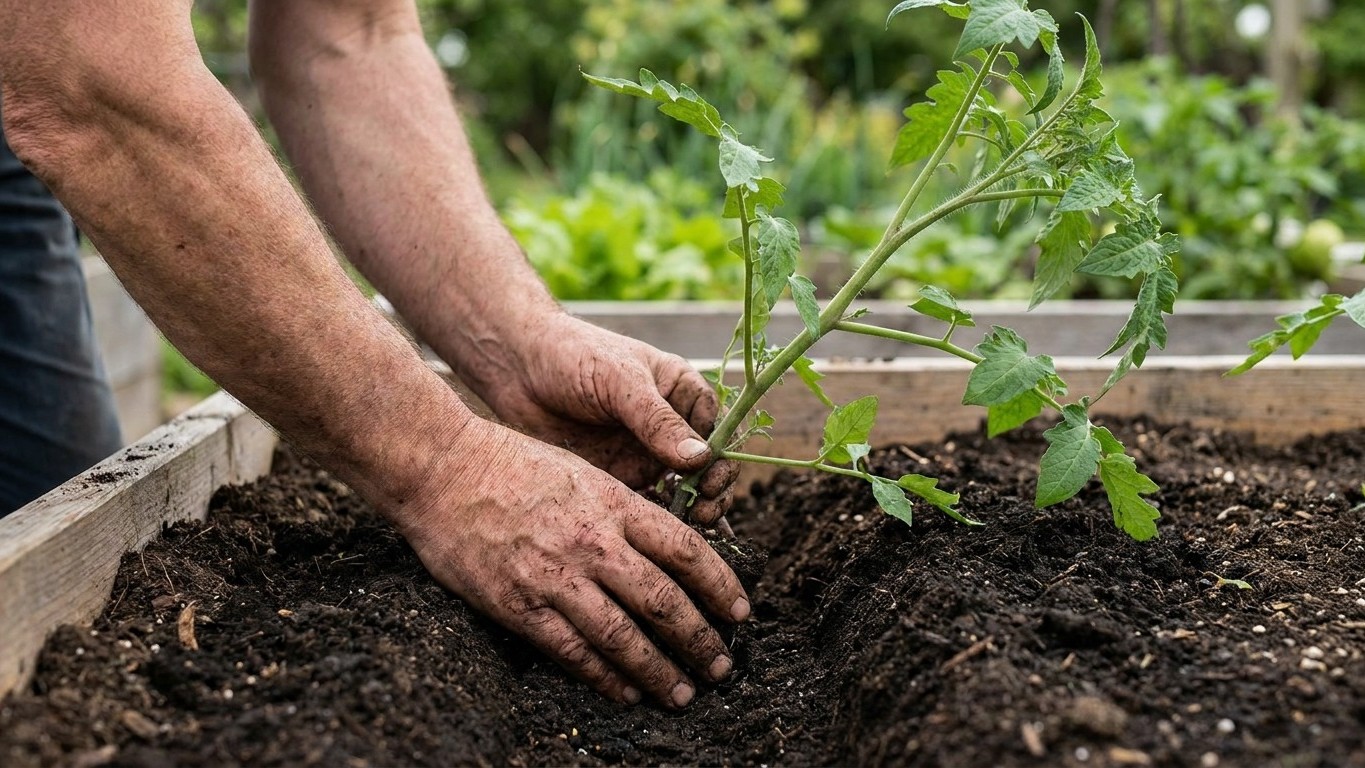
An old market gardener’s simple tip reveals a game-changing technique: burying tomato plants sideways creates a dramatically more robust root system. This ancient method, grounded in tomato biology, can transform spindly seedlings into vigorous, drought-resistant plants that outperform traditional vertical planting.

Coffee Grounds Are Killing Your Garden: The Caffeine Toxicity Nobody Talks About

Coffee Grounds Are Killing Your Garden: The Caffeine Toxicity Nobody Talks About

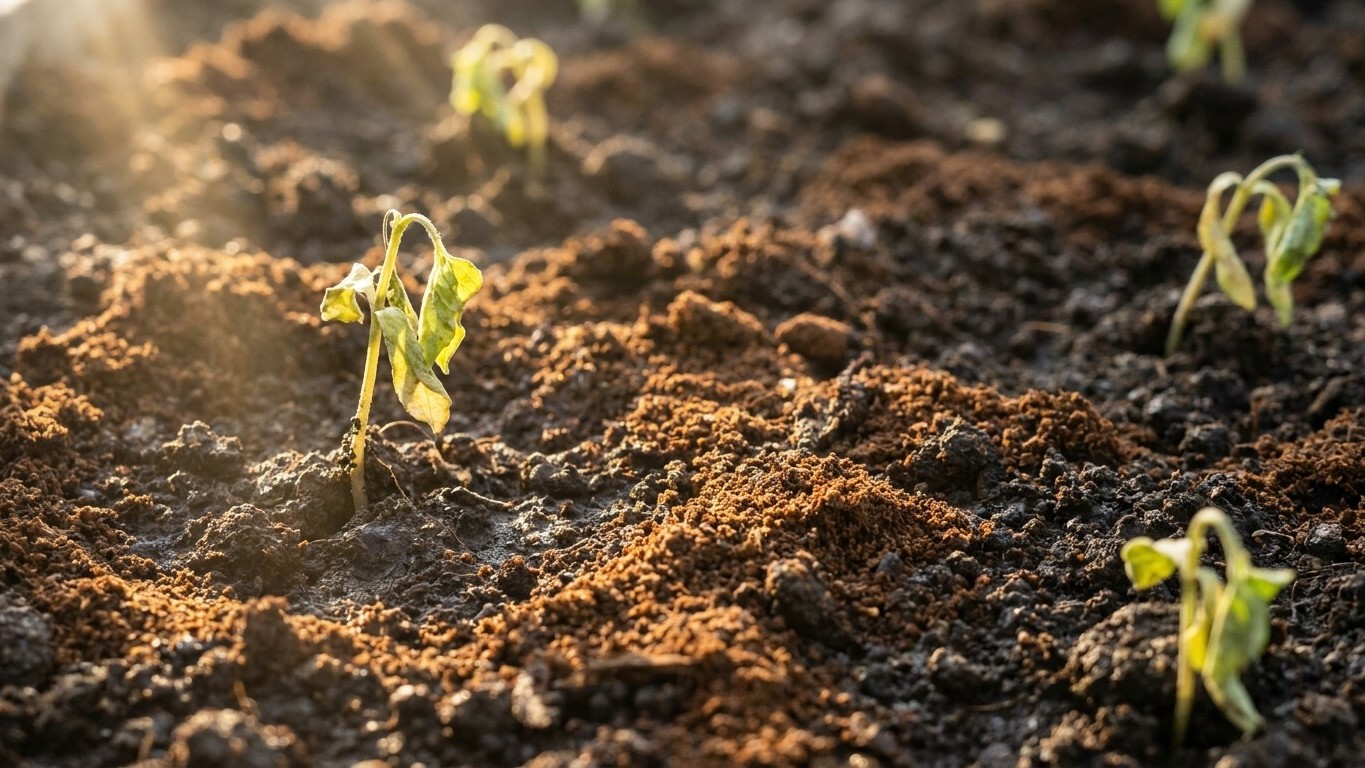
That morning ritual of scattering coffee grounds might be sabotaging your garden. The caffeine in spent grounds acts as a natural herbicide that stunts seedling growth, clumps soil into waterproof barriers, and releases toxins alongside nutrients—a cruel package deal that’s ruined countless raised beds.