Quelles plantes de jardin attirent les serpents au printemps

Spring Garden Plants That Secretly Attract Snakes: What Garden Centers Won't Tell You

Your favorite spring garden plants might be rolling out the welcome mat for snakes. From hostas to English ivy, certain bestsellers create the perfect habitat for these reptiles by attracting their prey. Learn which plants are the biggest culprits and how to outsmart the ecosystem.

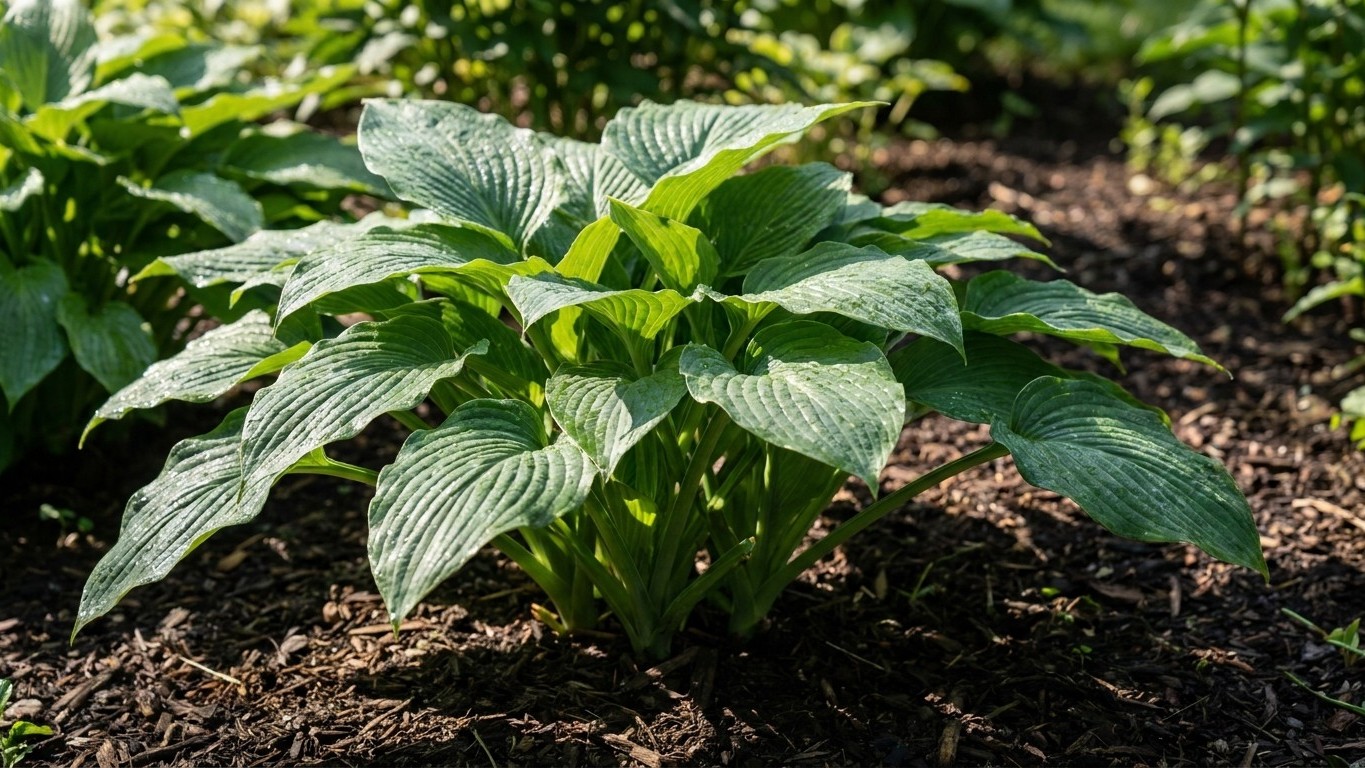
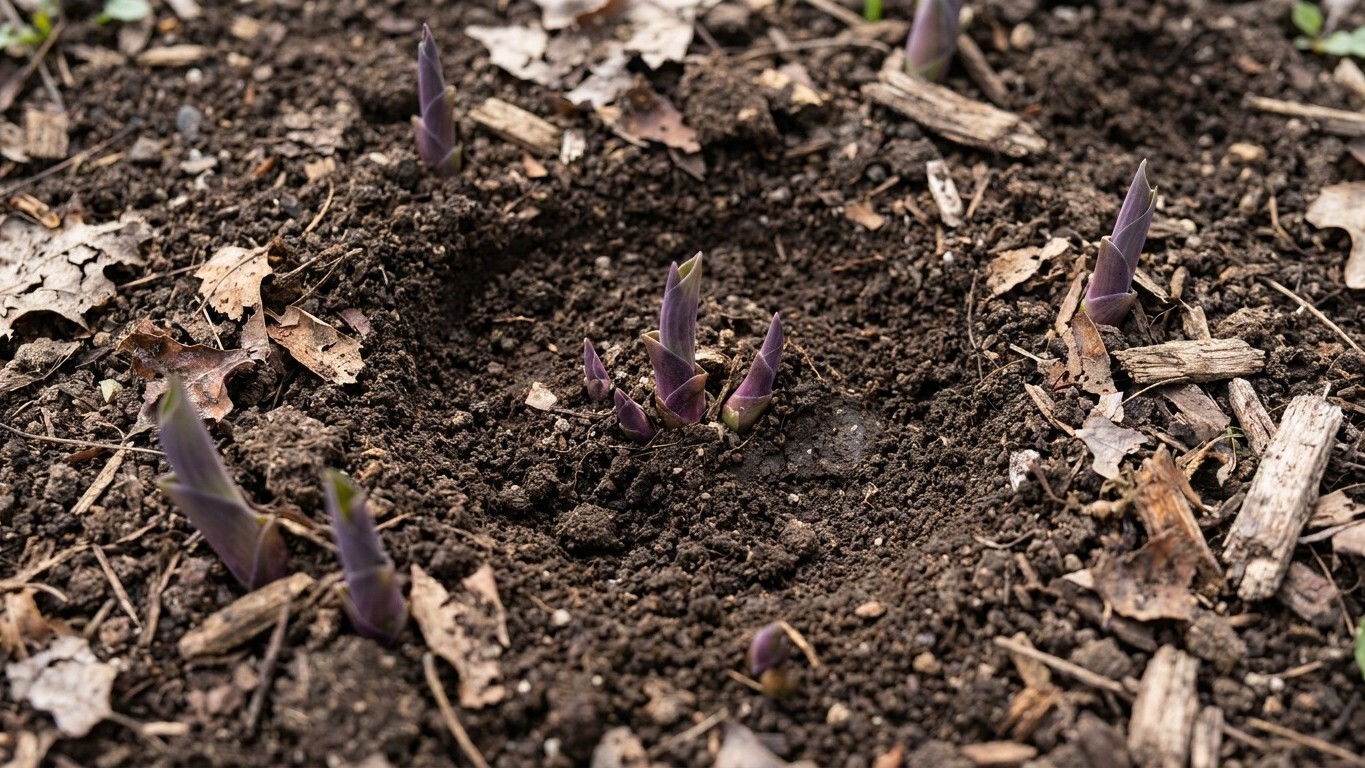
Comment pailler les hostas au printemps sans abîmer les jeunes pousses

I Mulched My Hostas Wrong for Years—Here's What a Soil Scientist Revealed

For years, piling mulch around hostas every April seemed like responsible gardening—until a soil scientist dug into the bed and revealed what was really happening beneath the surface. The dense, matted layer wasn’t retaining moisture; it was suffocating the roots and creating ideal conditions for disease. Discover the simple fixes that will transform your hosta beds.

Menthe en pleine terre : pourquoi elle devient vite envahissante

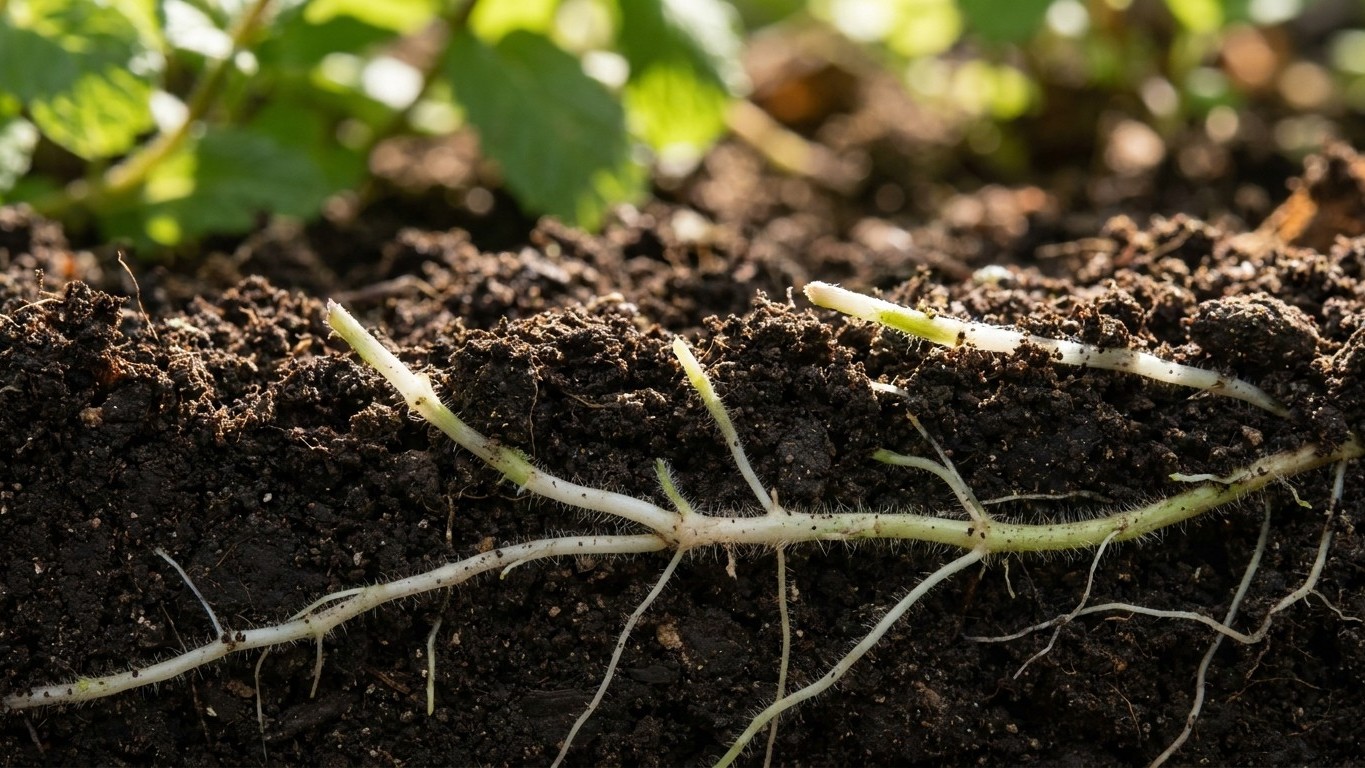
Why Mint Underground is Your Garden's Worst Enemy: What Happens 3 Feet Below

Mint seems like the perfect garden herb until you discover what’s happening beneath the soil. Underground rhizomes can spread 18-24 inches in a single season, invading neighboring plants and lawns. Learn exactly what’s happening 3 feet below and how to control this aggressive spreader before it’s too late.

Pivoines sans fleurs : l’engrais d’avril qui affame les boutons

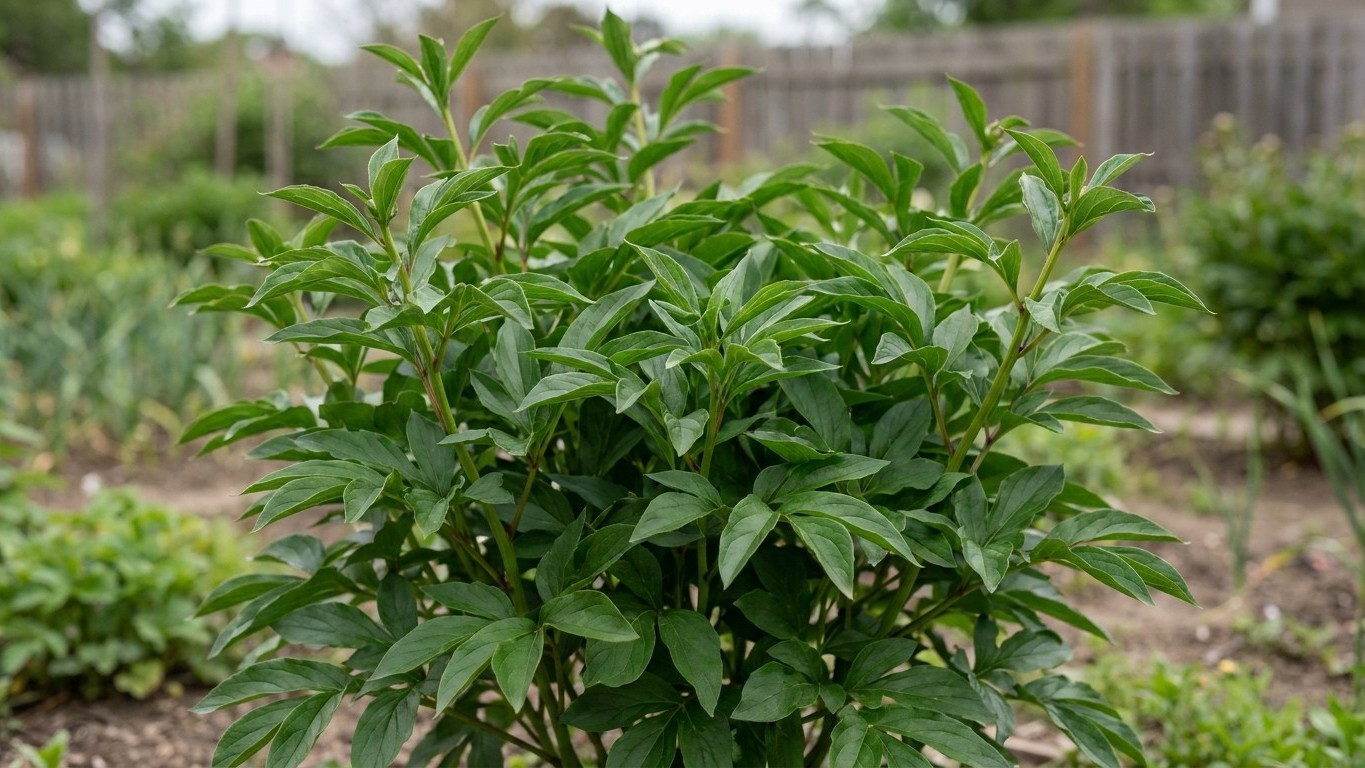
Why Your Peonies Won't Bloom: The April Fertilizer Mistake That Starves Every Bud

Two springs without blooms isn’t bad luck—it’s a message from your soil. High-nitrogen fertilizer applied in April is the silent bloom-killer most gardeners overlook, pushing plants to grow lush foliage while starving the flowers. Learn what peonies actually need and how to reverse years of dormancy.

Marc de café au jardin : les risques de la toxicité à la caféine

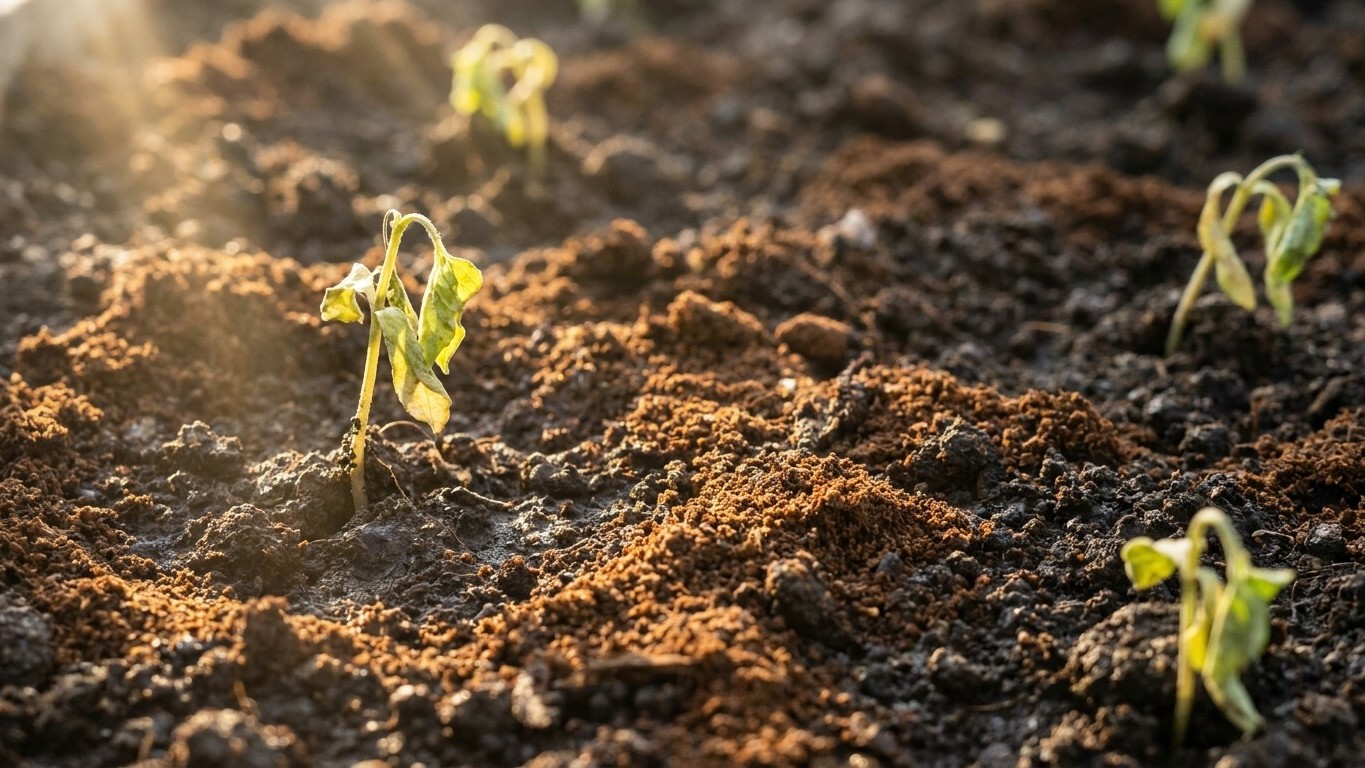
Coffee Grounds Are Killing Your Garden: The Caffeine Toxicity Nobody Talks About

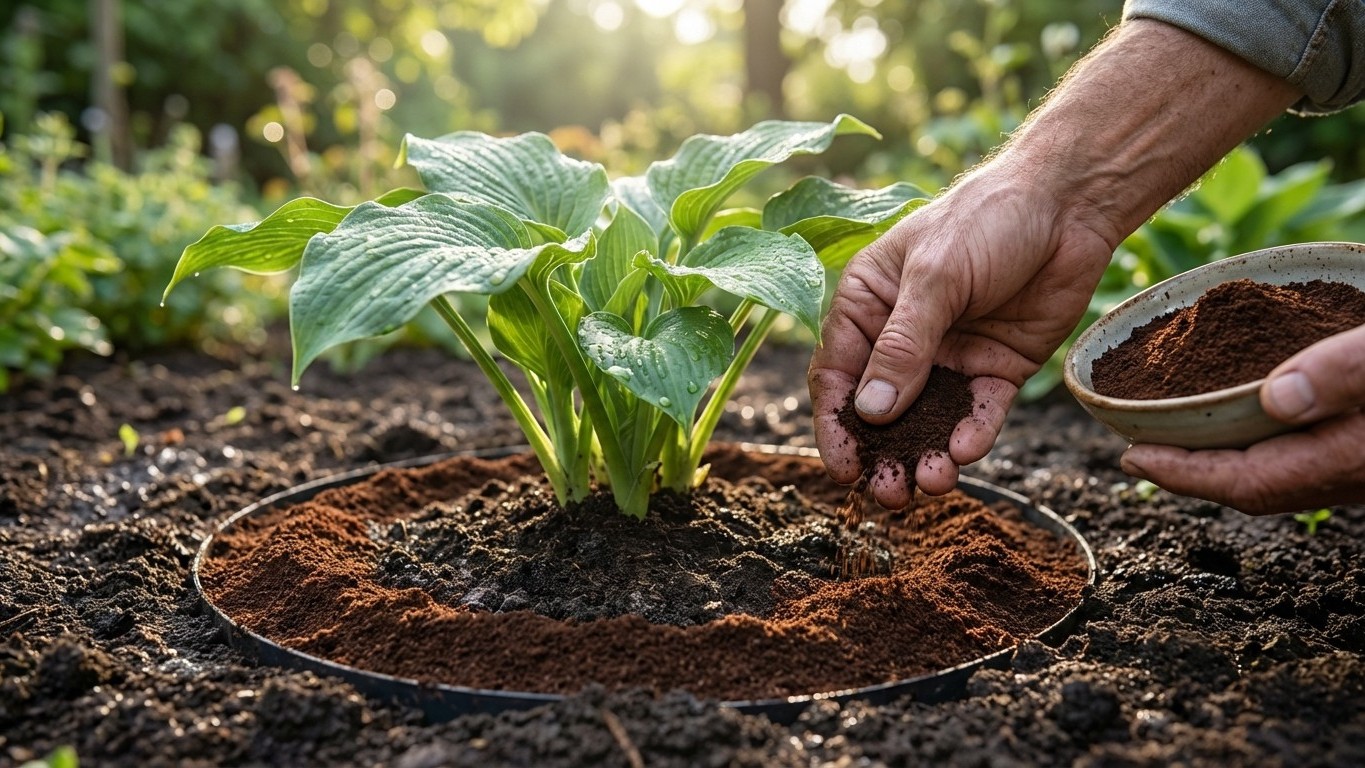
That morning ritual of scattering coffee grounds might be sabotaging your garden. The caffeine in spent grounds acts as a natural herbicide that stunts seedling growth, clumps soil into waterproof barriers, and releases toxins alongside nutrients—a cruel package deal that’s ruined countless raised beds.

Feuilles de rhubarbe au compost : les risques de l’acide oxalique

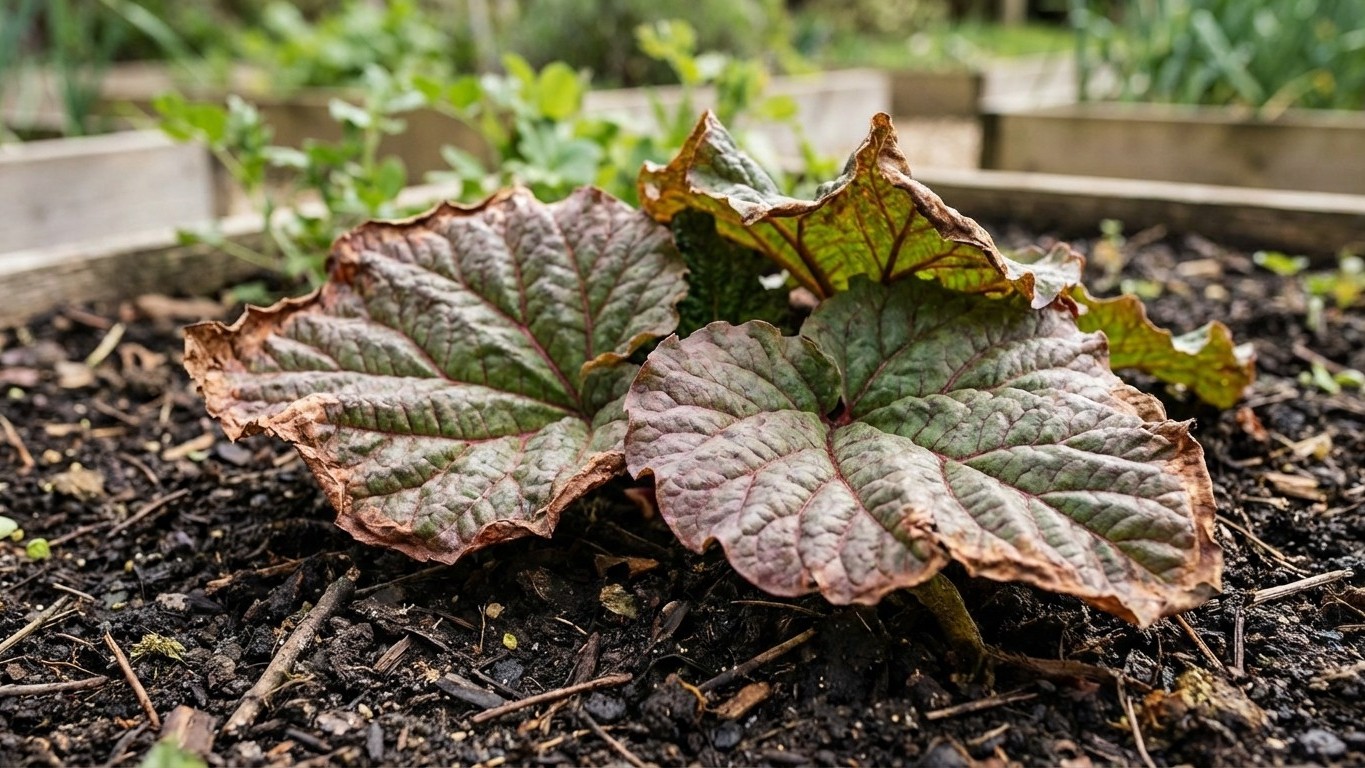
Stop Killing Your Compost: Why Rhubarb Leaves Are Silently Sabotaging Your Pile

Gardeners unknowingly destroy their compost by tossing rhubarb leaves into their bins. The oxalic acid in these leaves suppresses the microbes that make composting work, creating sluggish piles and half-finished material. Learn the chemistry behind the problem and smarter alternatives.

La technique du seau percé pour arroser les concombres

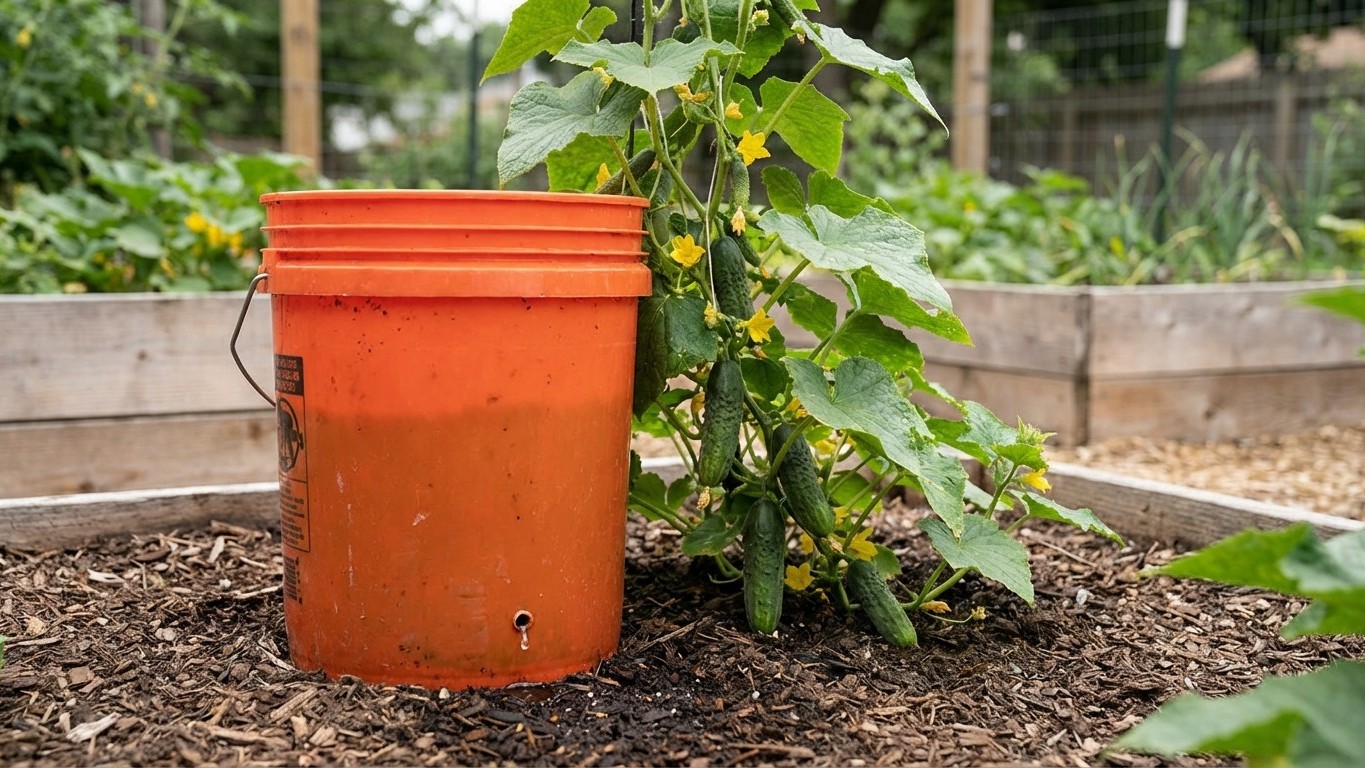
The Secret Bucket Trick That Doubled This Gardener's Cucumber Harvest

A single bucket with a hole drilled in it transformed one gardener’s cucumber yield, outproducing their neighbour’s harvest by 100%. The secret lies in understanding that cucumbers are 95% water and demand consistent, stress-free hydration—something a gravity-fed drip system delivers perfectly, eliminating the bitter fruit caused by erratic watering cycles.

Comment utiliser le marc de café pour éloigner les limaces du potager

The Kitchen Scrap That Stops Slugs Dead: Why Gardeners Are Obsessed With Used Coffee Grounds

Thousands of gardeners have discovered that used coffee grounds are a powerful—and free—slug deterrent that also enriches soil. But the science behind this kitchen hack is more nuanced than viral gardening posts suggest, and how you use the grounds makes all the difference.