Why Your Homegrown Cucumbers Taste Bitter: The Watering Mistake Everyone Makes

Why Your Homegrown Cucumbers Taste Bitter: The Watering Mistake Everyone Makes
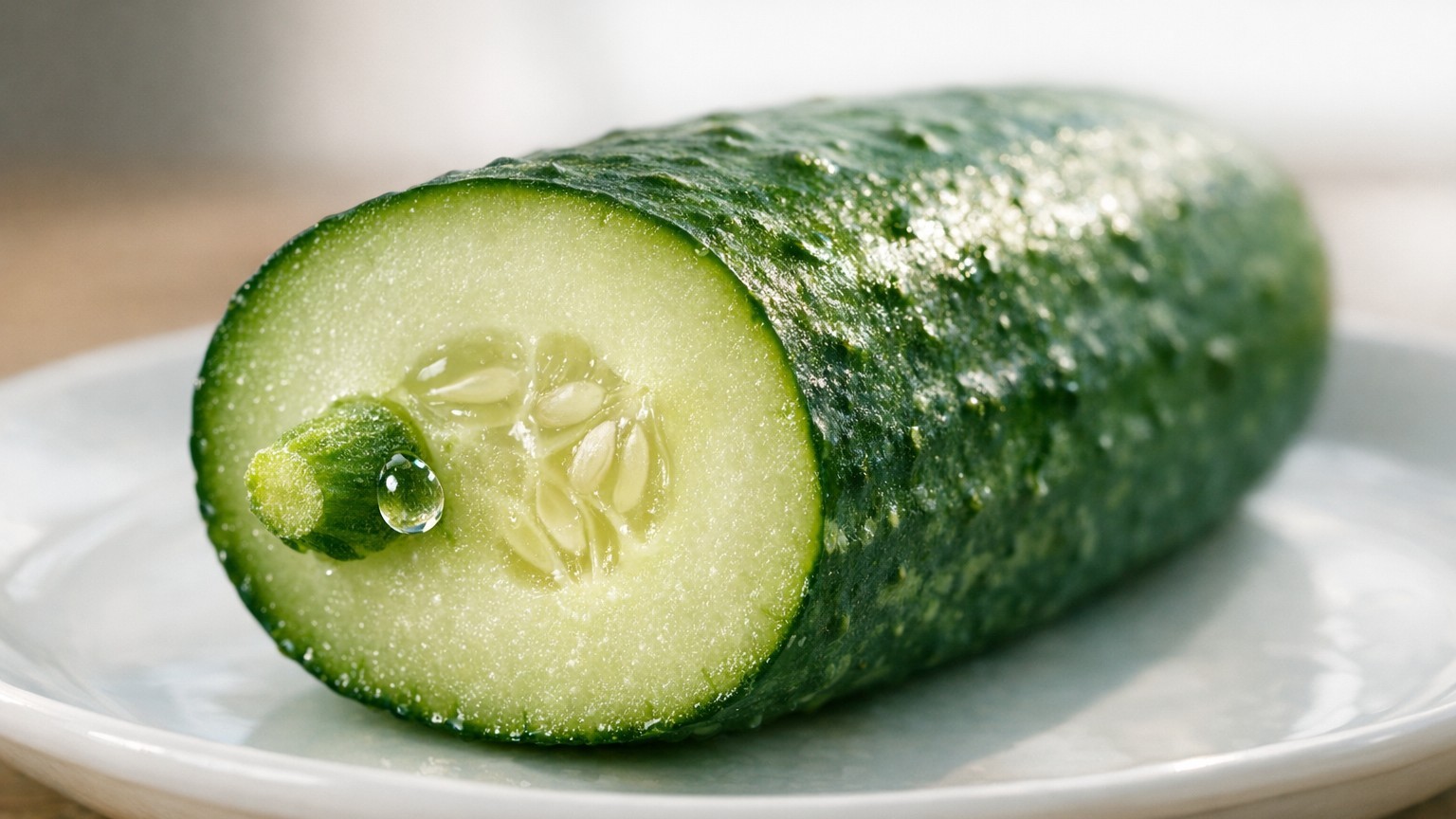
That bitter taste concentrated near the stem isn’t bad luck—it’s your cucumber plant’s stress response to inconsistent watering. Learn the science behind cucurbitacins, why drought and heat trigger their production, and exactly how to prevent this common gardening mistake.
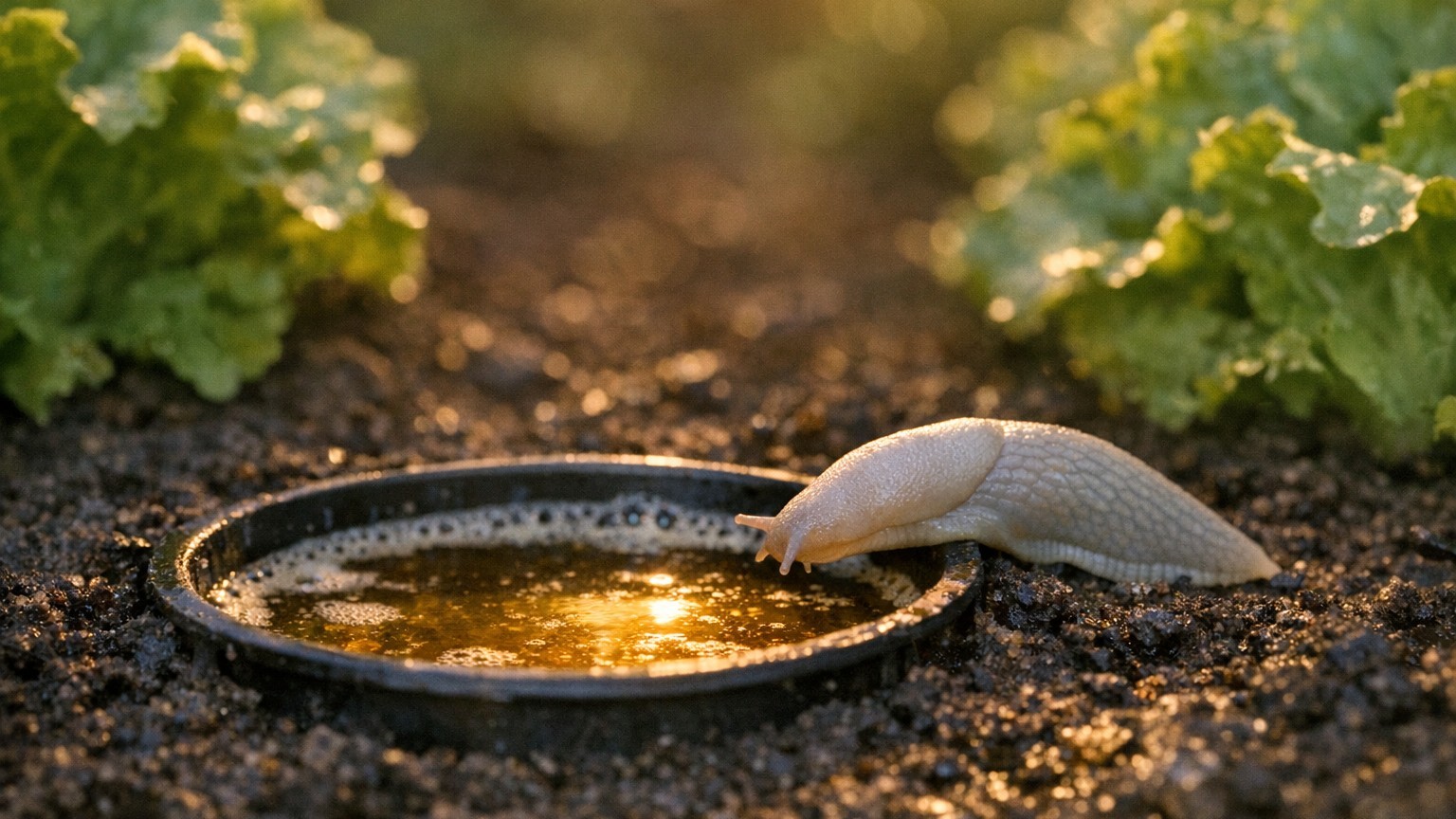
Pièges à bière contre les limaces : pourquoi ça ne suffit pas

Why Your Beer Traps Aren't Saving Your Lettuce: What That Morning Slug Count Really Means

For years, beer traps seemed to work—until a gardener realized dozens of dead slugs in the morning meant nothing when lettuce kept disappearing at the same rate. The problem isn’t the traps. It’s where they’re placed, which slugs they catch, and what gardeners refuse to see in the data.

Pourquoi les tomates poussent lentement : l’erreur de tuteurage

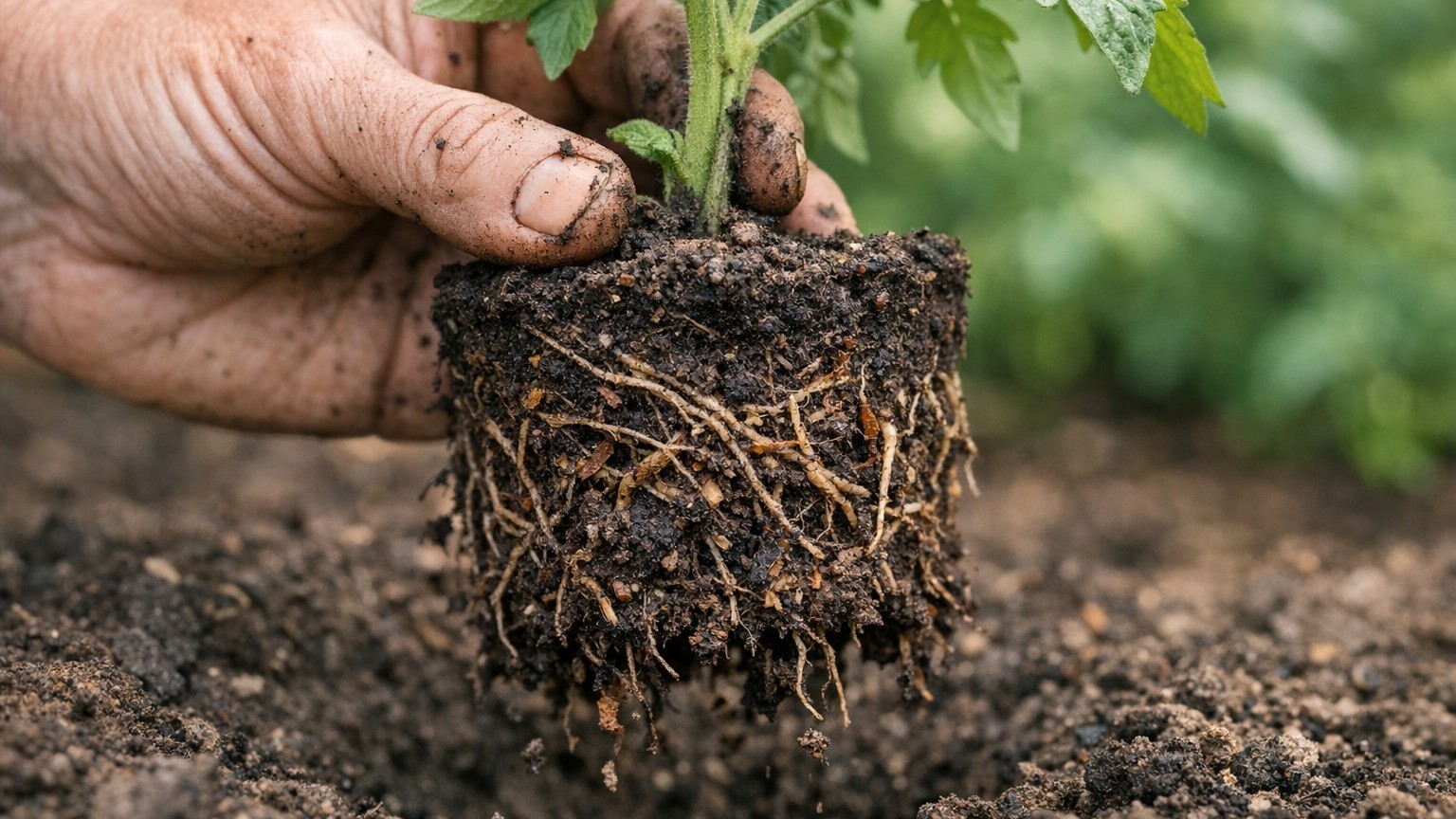
Why Your Tomatoes Are Behind: The Staking Mistake That Cost Me Three Weeks of Growth

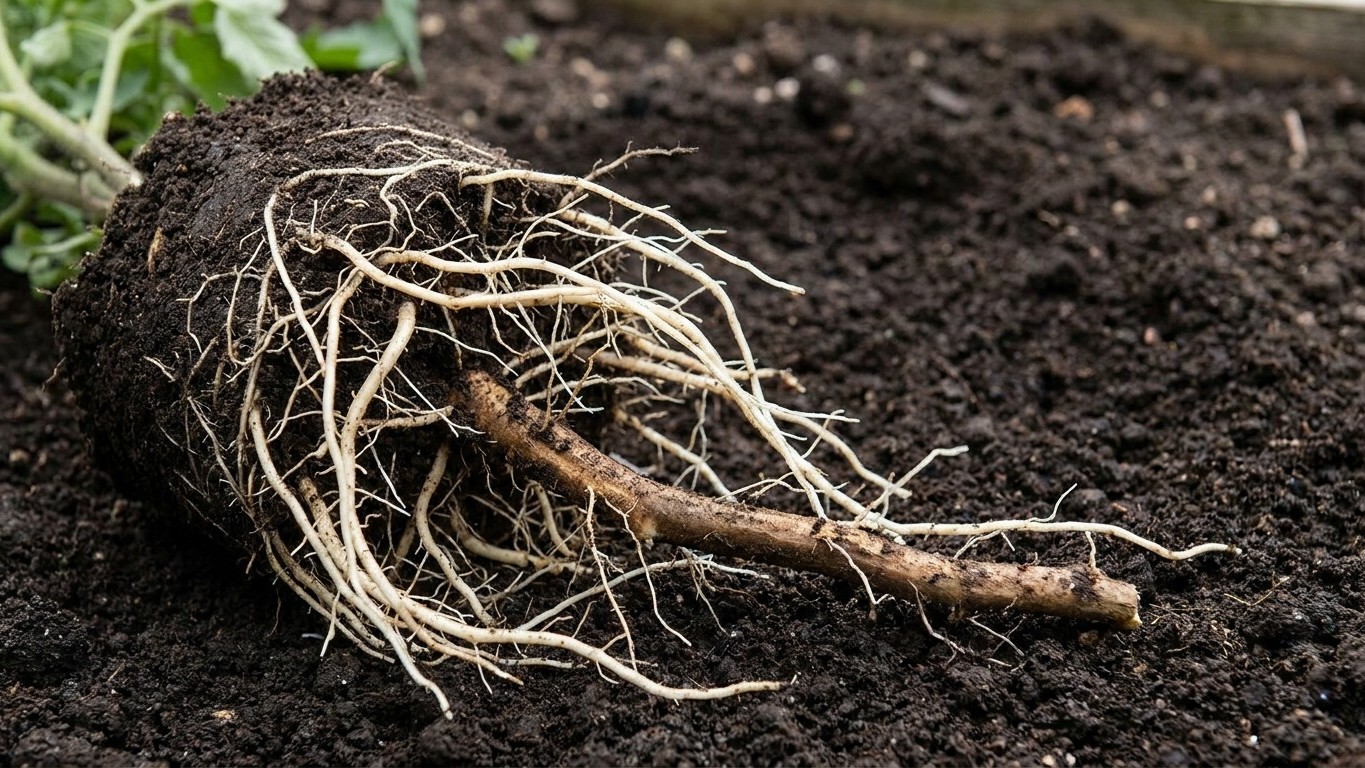
A pulled tomato plant revealed a hard truth: late staking severs developing roots and can delay fruit production by three weeks or more. By understanding how tomato root systems expand in the first weeks after transplanting, you can avoid a common mistake that most gardeners don’t even realize they’re making.

Transplanter les concombres deux semaines trop tôt : les conséquences

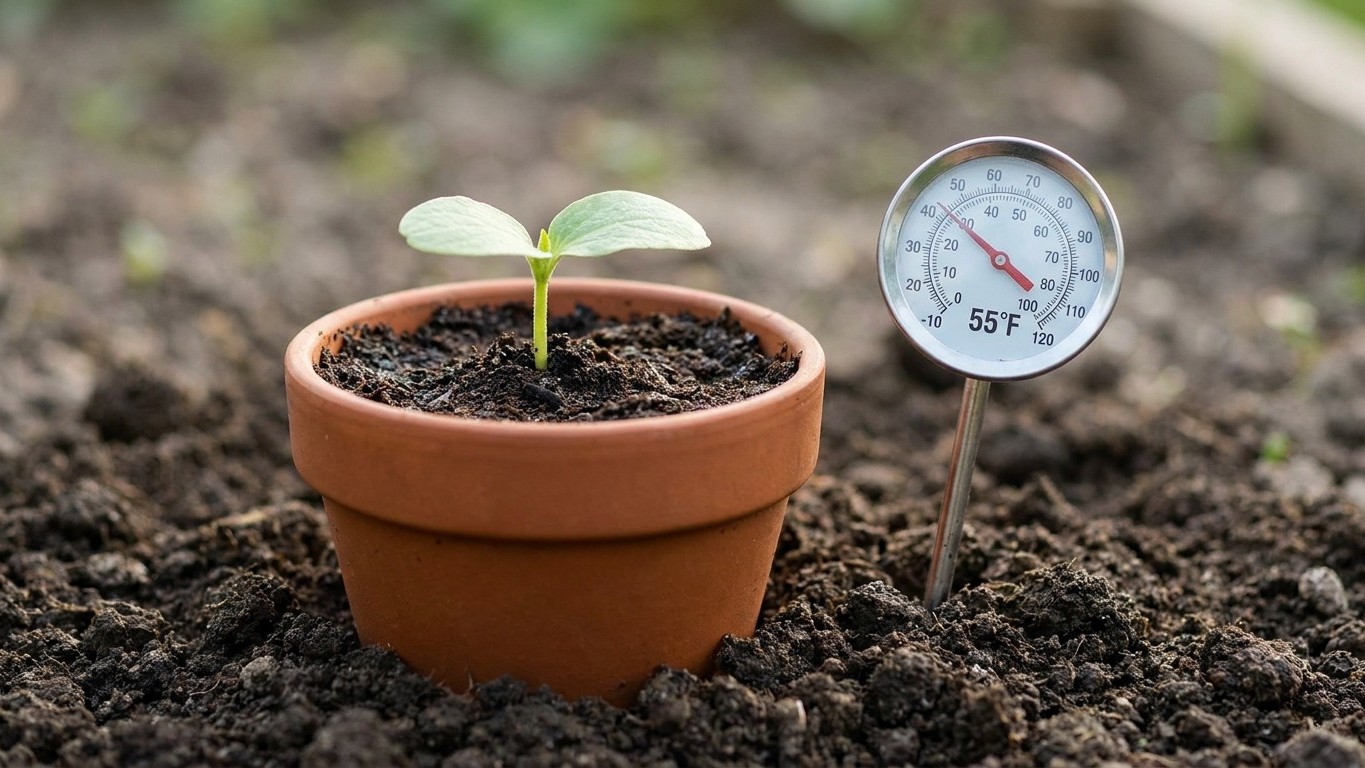
I Transplanted Cucumbers Two Weeks Early and Paid for It All Summer

Healthy-looking cucumber seedlings tempted me into an early transplant two years ago. By July, my stunted plants were nowhere near my neighbor’s thriving vines. The culprit? Soil temperature, not the calendar—and one cold-weather decision that cost me eight weeks of growth.

Tomates plantées couchées : pourquoi les racines se développent mieux

I Planted Tomatoes Upright for 12 Years—Then I Laid One on Its Side and Everything Changed

After 12 years of traditional upright planting, one simple experiment revealed a stunning difference: tomatoes planted on their side develop root systems 2-3 times larger than vertical plants. This forgotten technique harnesses the tomato’s unique ability to sprout roots along buried stems, dramatically improving water absorption, drought resistance, and summer production.

Pourquoi cueillir les fleurs de courgette à l’aube bloque la récolte

Why Your Dawn-Harvested Zucchini Flowers Are Sabotaging Your Entire Crop

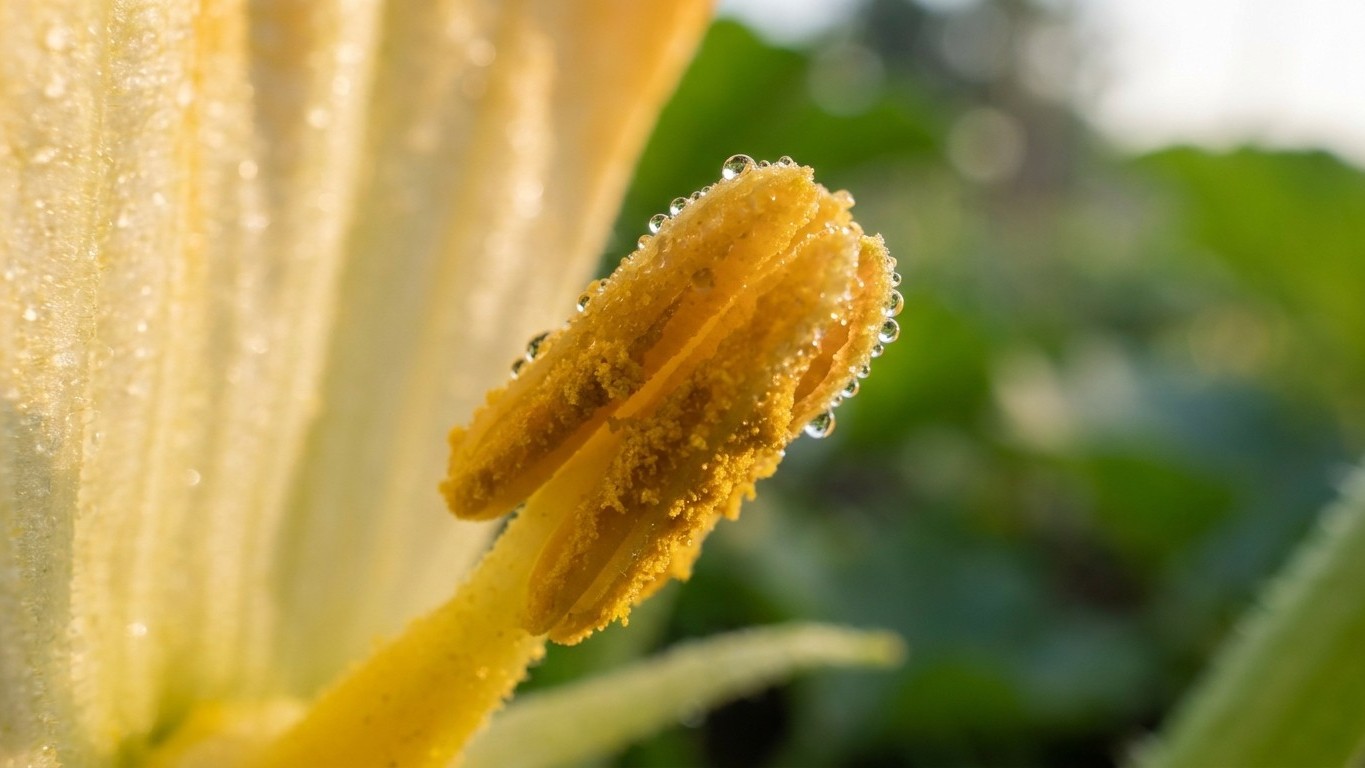
Harvesting zucchini flowers at dawn feels right, but it’s costing you your entire crop. The dew clumps pollen, pollinators haven’t woken yet, and female flowers miss their only fertilization window. A simple timing shift—and understanding the biology behind it—changes everything.

Pourquoi pincer les gourmands de tomates à la main propage des virus

How Pinching Tomato Suckers by Hand Spread Virus to Your Entire Garden in One Day

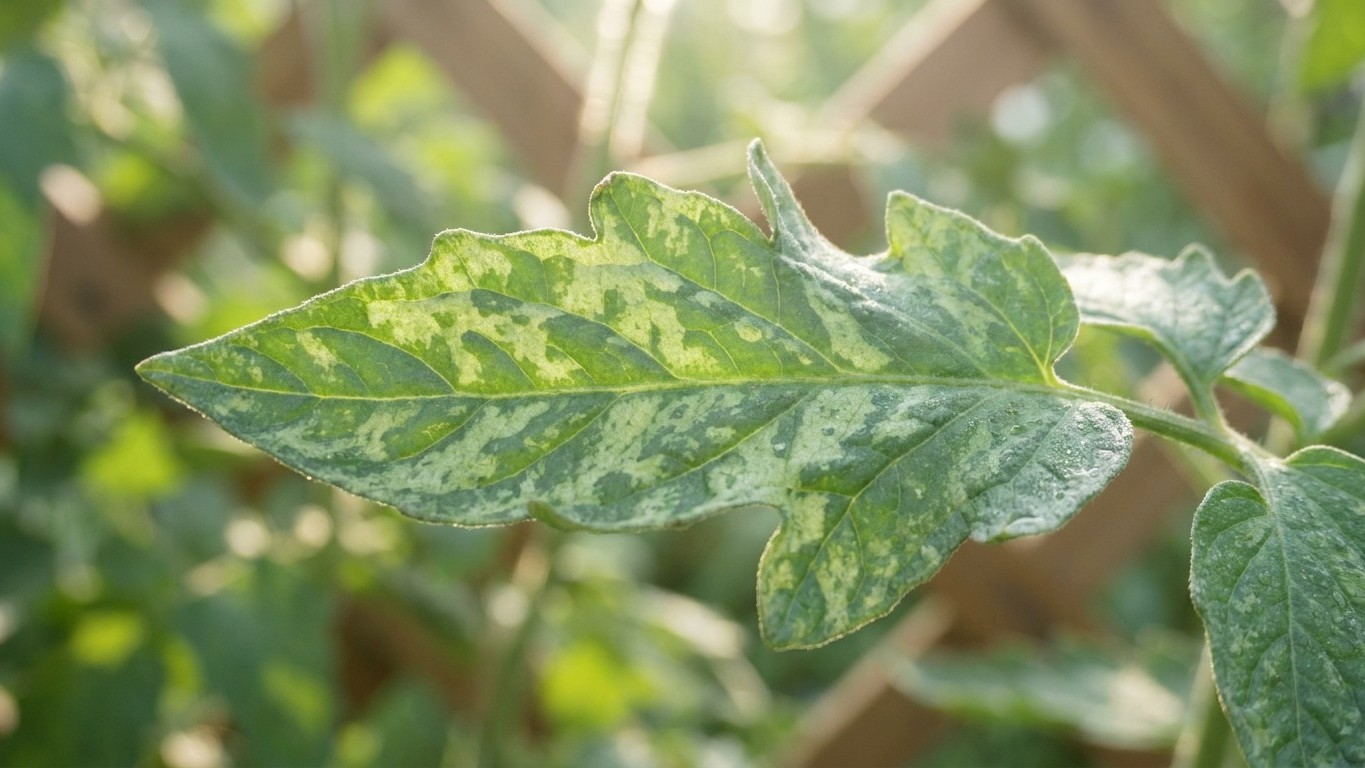
A morning of hand-pinching tomato suckers turned into an afternoon disaster when mottled leaves appeared on nearly every plant. The culprit wasn’t a pest—it was tobacco mosaic virus transmitted directly through your fingers. Discover how this invisible pathogen spreads and what to do now.

Planter les tomates couchées : pourquoi ça booste la récolte

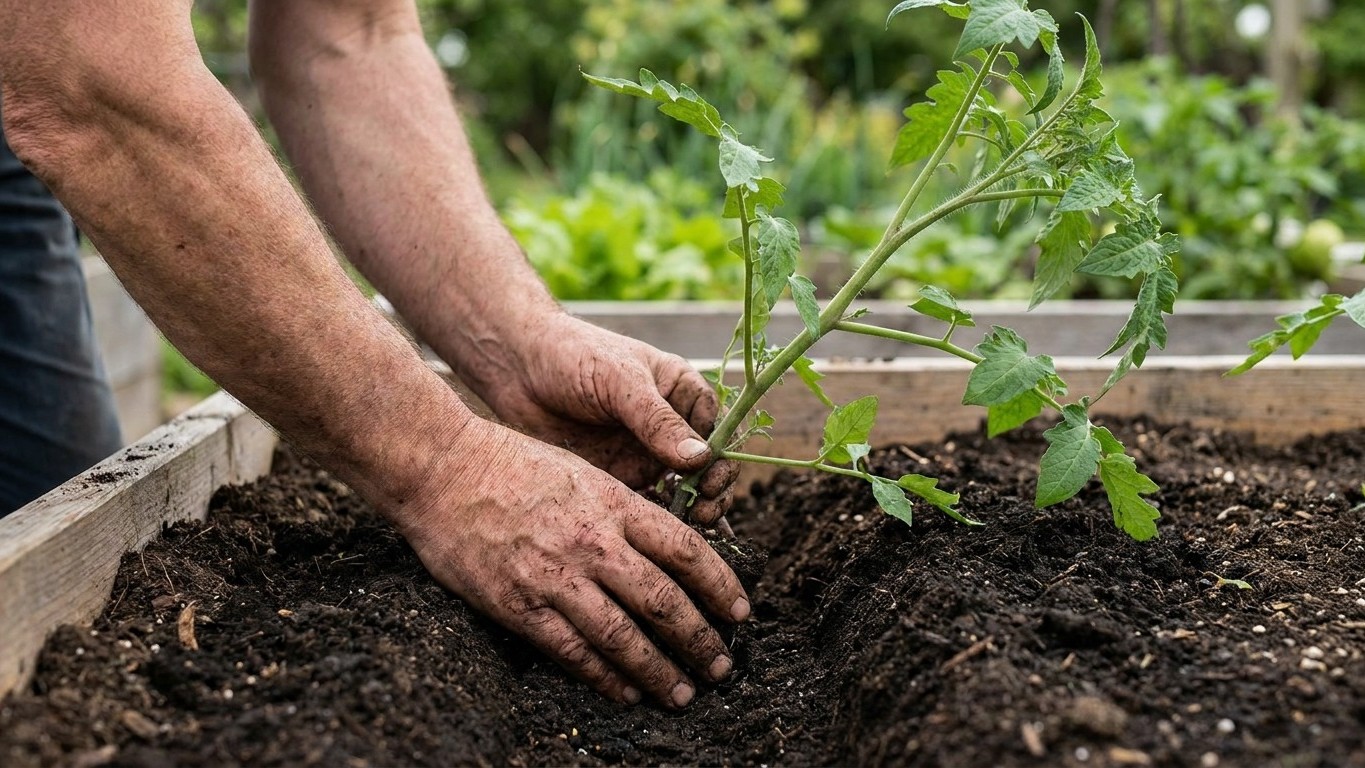
Plant Tomatoes on Their Side: The Secret Gardening Trick That Transforms Your Harvest

An old market gardener’s simple tip reveals a game-changing technique: burying tomato plants sideways creates a dramatically more robust root system. This ancient method, grounded in tomato biology, can transform spindly seedlings into vigorous, drought-resistant plants that outperform traditional vertical planting.