Marc de café au jardin : les risques de la toxicité à la caféine
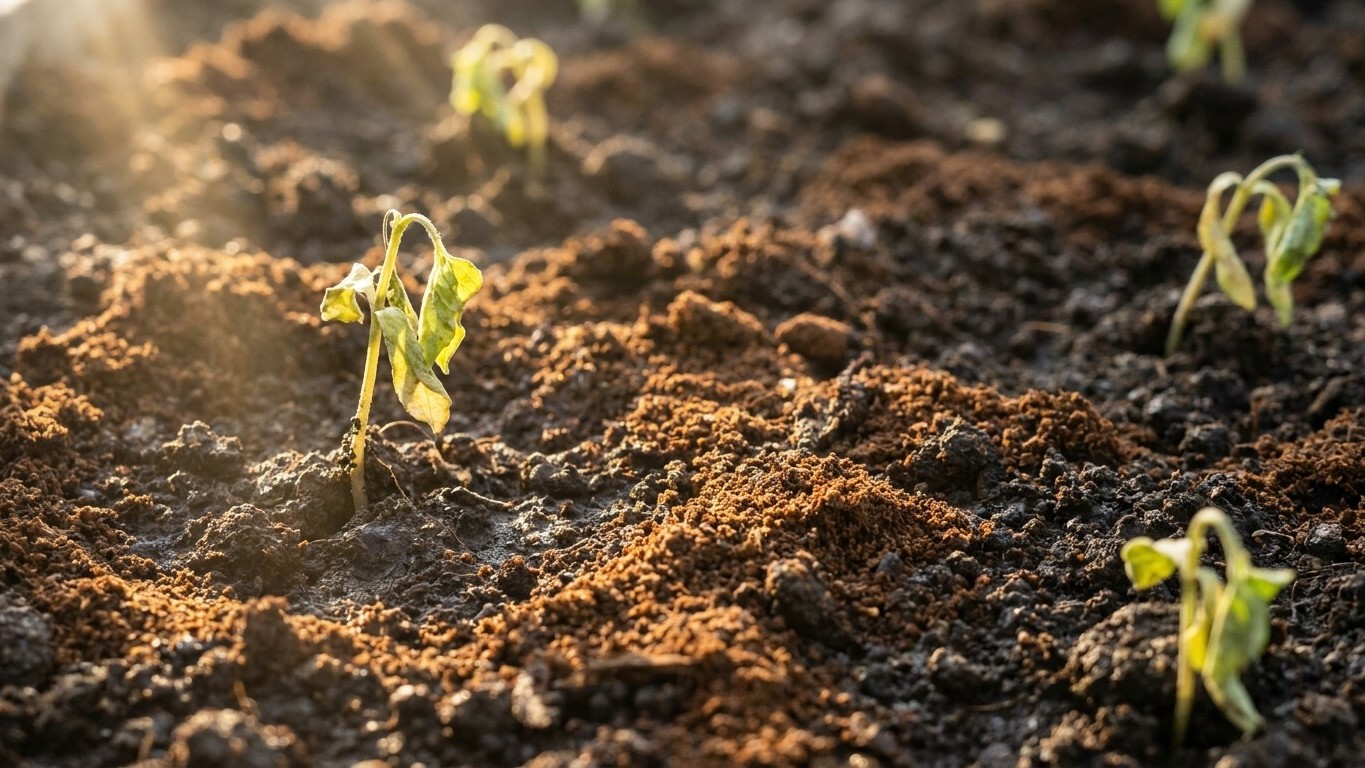
Coffee Grounds Are Killing Your Garden: The Caffeine Toxicity Nobody Talks About

That morning ritual of scattering coffee grounds might be sabotaging your garden. The caffeine in spent grounds acts as a natural herbicide that stunts seedling growth, clumps soil into waterproof barriers, and releases toxins alongside nutrients—a cruel package deal that’s ruined countless raised beds.
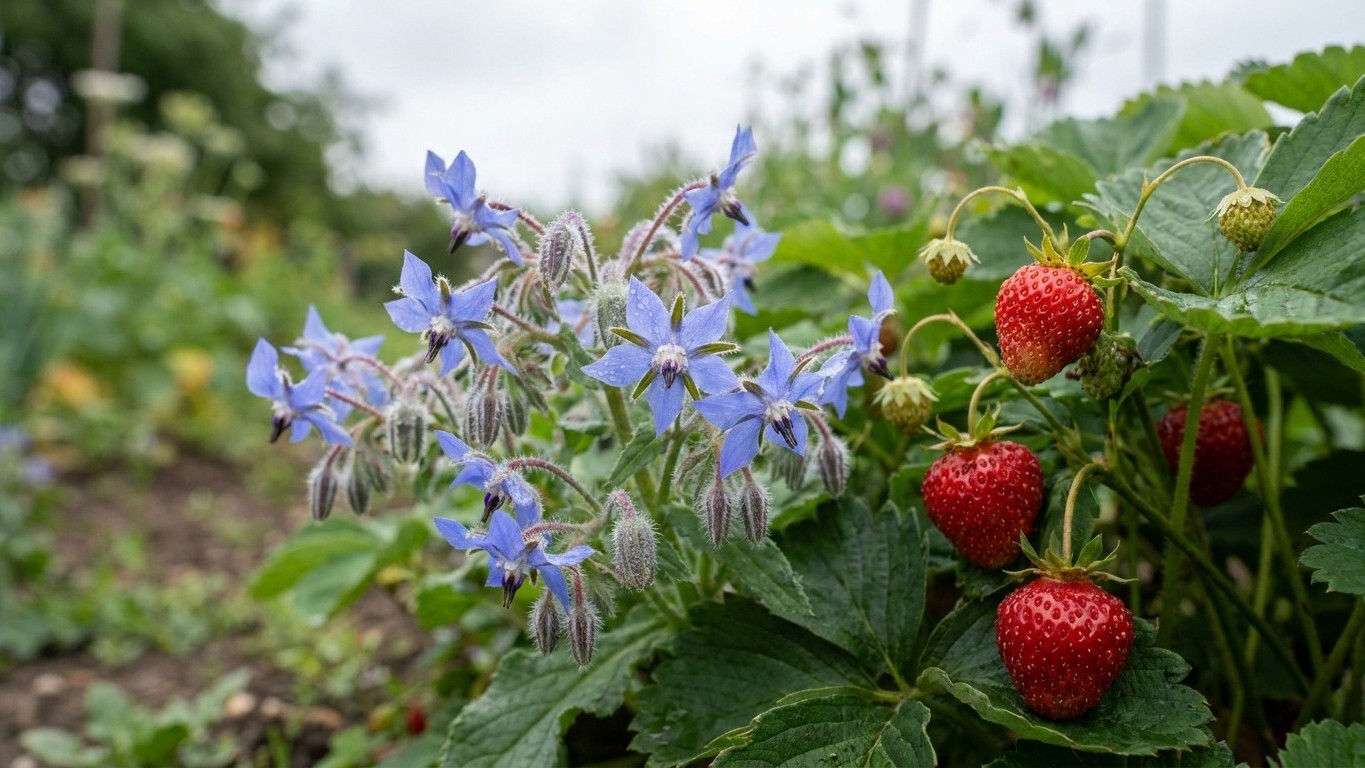
La bourrache près des fraisiers pour des fruits plus sucrés

The Secret Garden Flower That Makes Strawberries Sweeter Than Any Fertilizer Ever Could

A humble, bristly blue flower called borage holds the secret to sweeter, fuller strawberries—not through chemistry, but through soil mineral cycling and pollinator attraction. Planted in April alongside strawberries, this 17th-century companion planting trick is now backed by modern horticultural science.

Tomates en avril : les risques du sol froid et du manque de durcissement

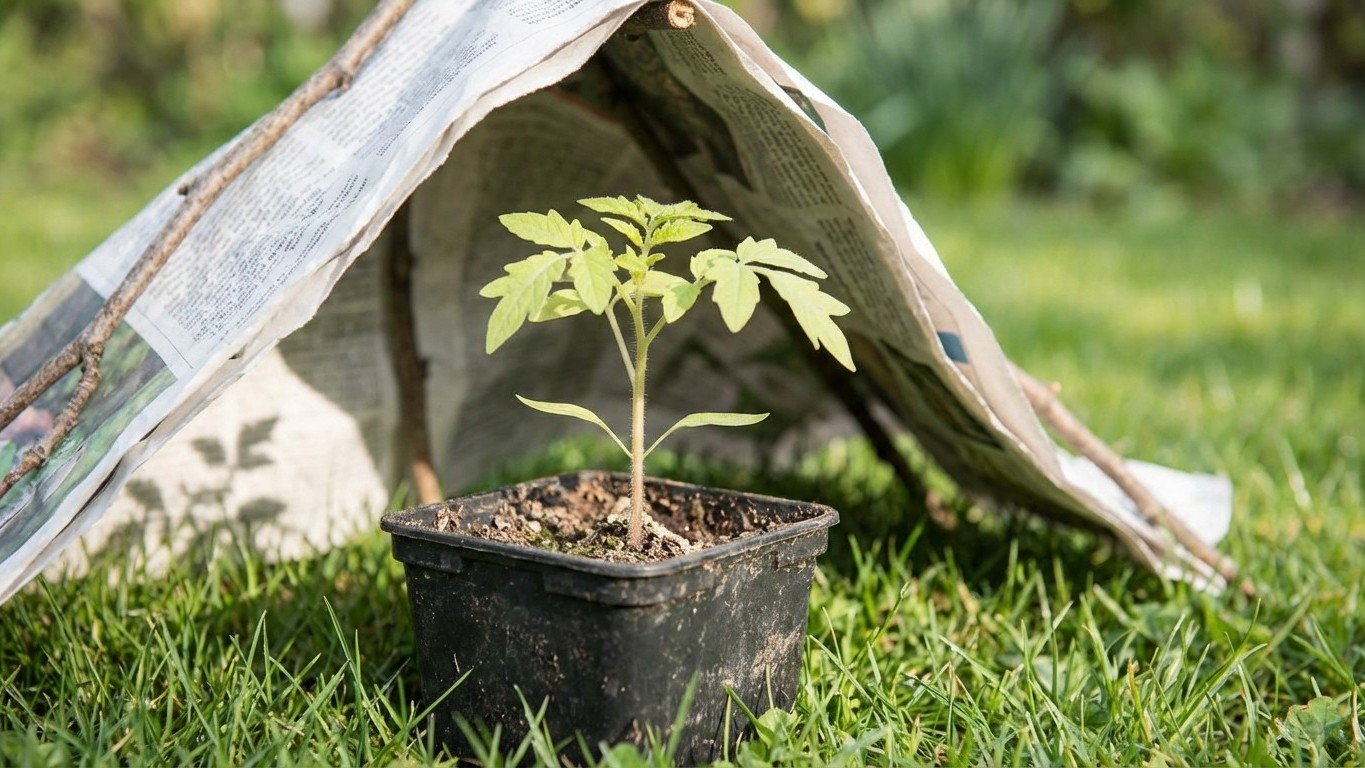
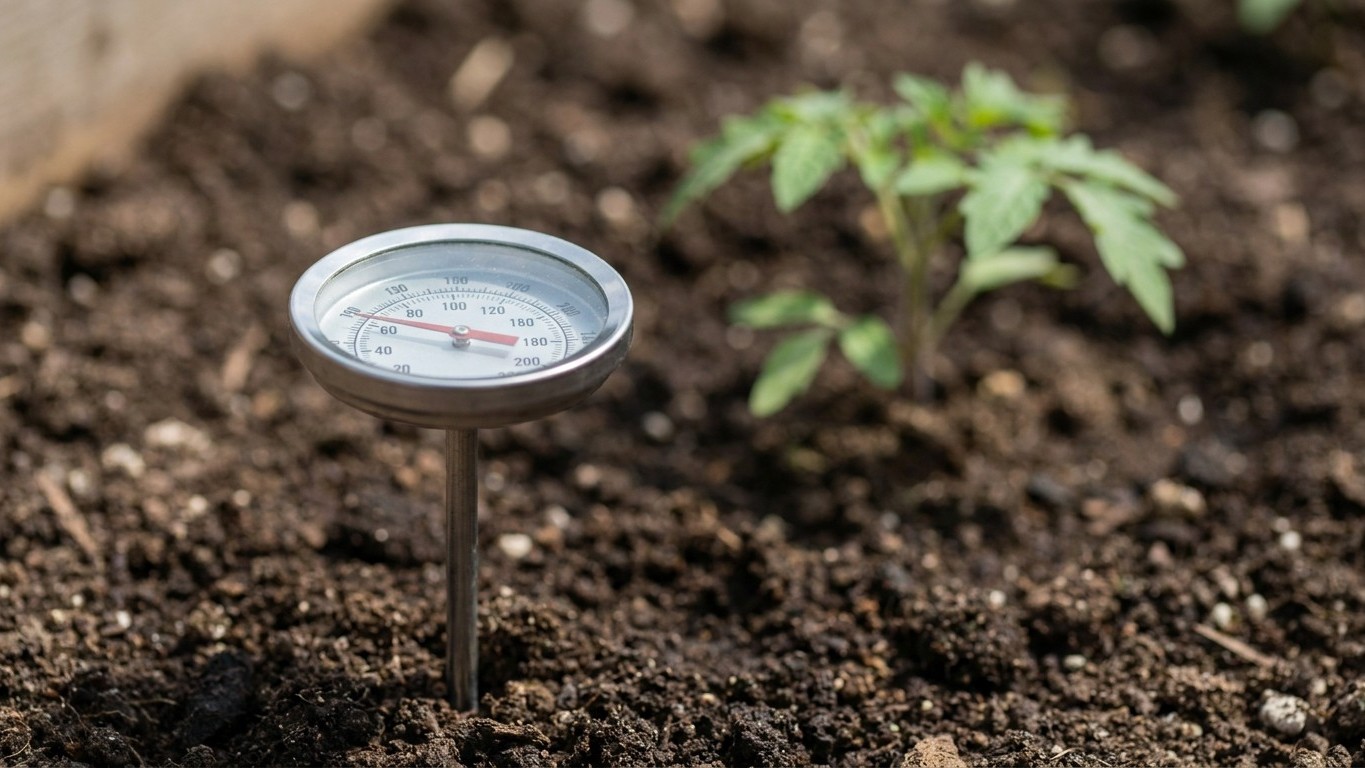
The April Tomato Mistake That Ruins Your Entire Season: Cold Soil, Skipped Hardening Off, and How to Fix It

Planting tomatoes in April feels like perfect timing, but rushing seedlings into cold soil without preparation is the silent killer of your garden. Learn the three critical mistakes that devastate tomato crops and the exact steps to plant for maximum root power and fruit production.

Fraisiers : pourquoi les 15 jours d’avril décident de la récolte

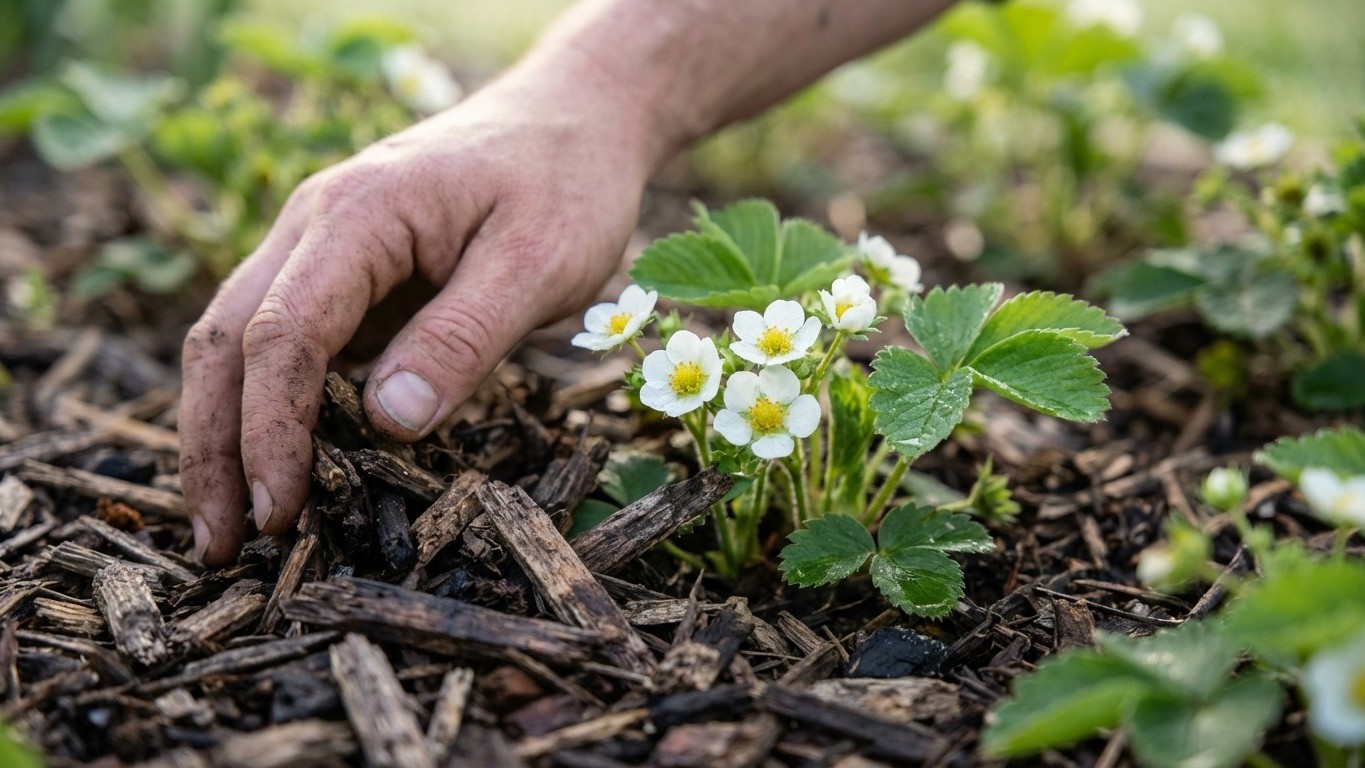
The 15-Day April Rule That Determines Your Strawberry Harvest for Years to Come

A single month of neglect in April can sabotage strawberry yields for years. The critical 15-day window in spring determines not just this year’s harvest, but your plants’ productivity for the next three to five years through decisions about mulch timing, flower removal, and runner management.

Pousses de framboisier en avril : pourquoi elles nuisent à la récolte

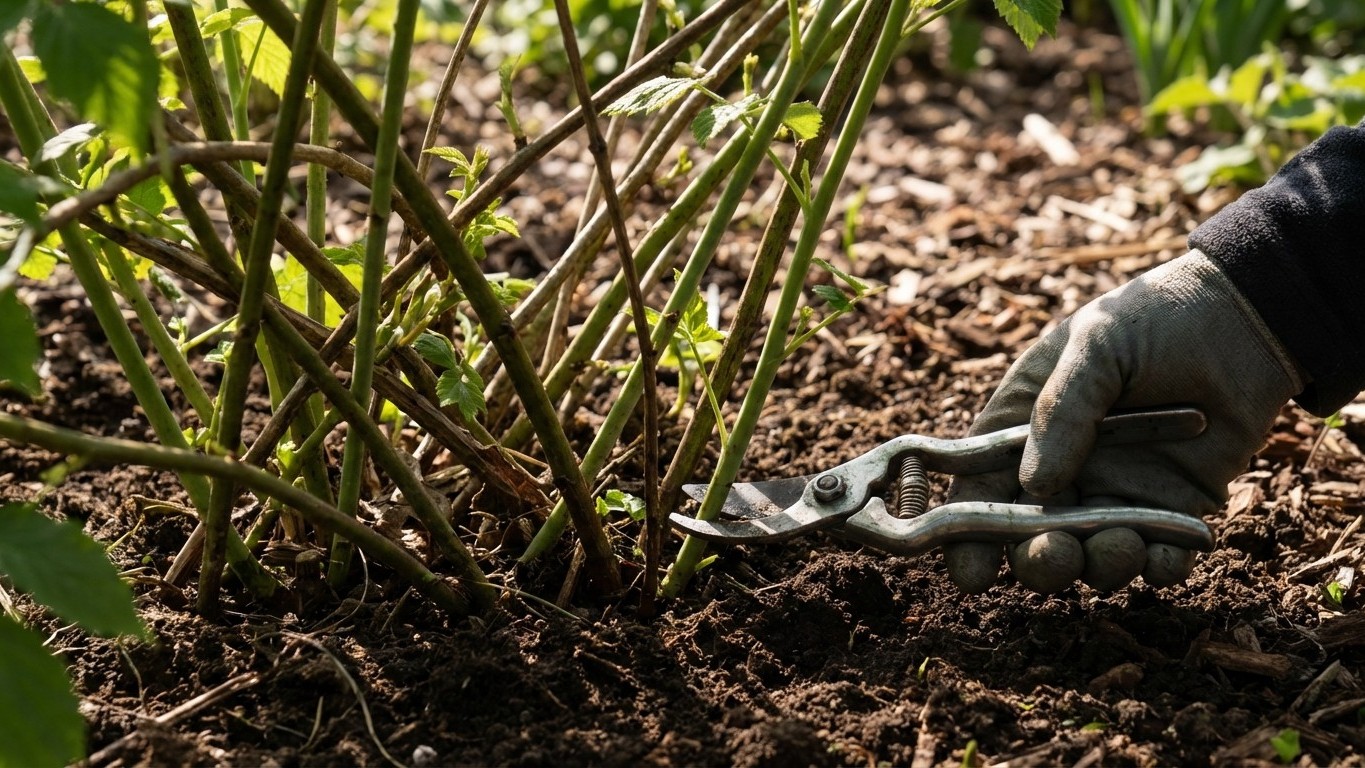
Why Your April Raspberry Shoots Are Secretly Destroying Your Harvest

Those bright green raspberry shoots emerging in April feel like progress, but they’re quietly sabotaging your harvest. Dense canes compete for resources, reduce fruit quality, and invite disease—and most gardeners unknowingly keep them all. Here’s why thinning now matters.

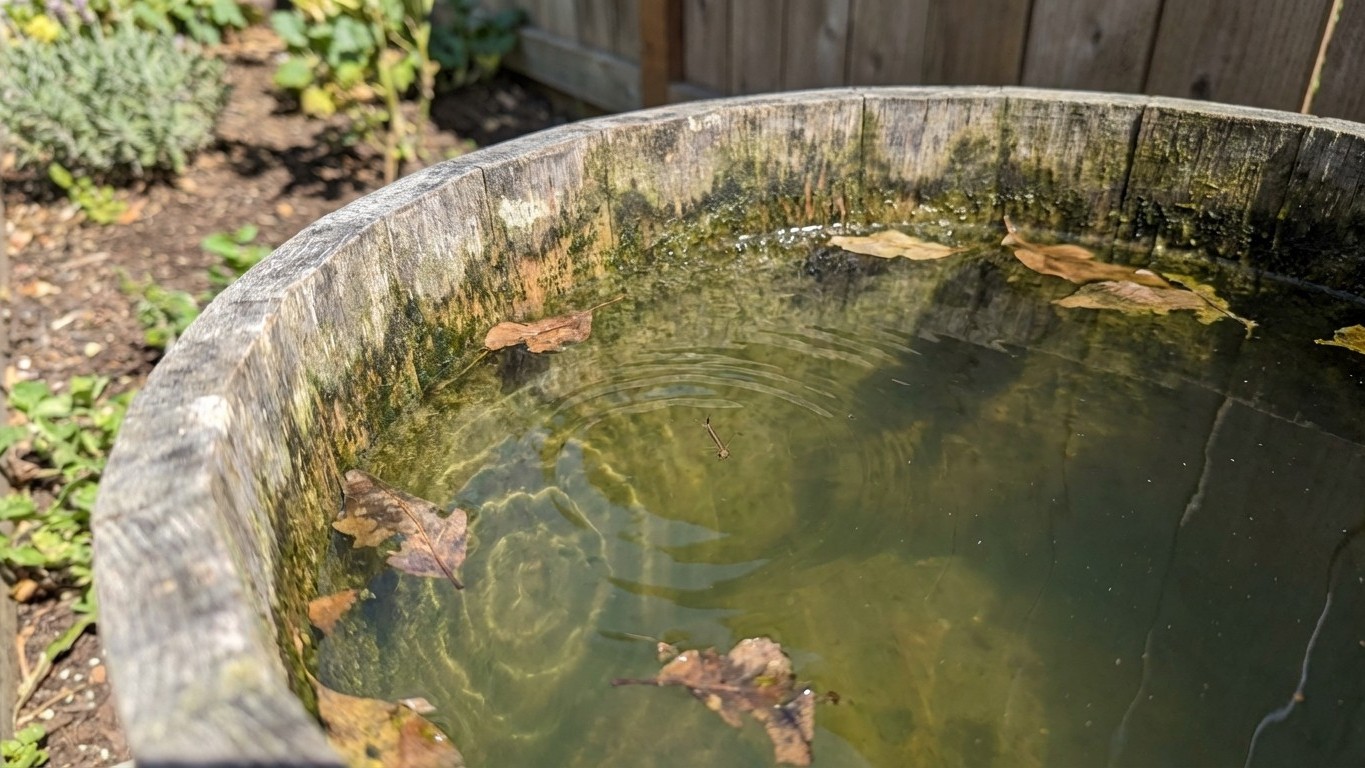
Baril de pluie : pourquoi il devient un nid à moustiques

Your Rain Barrel Is Now a Mosquito Factory—Here's What's Actually Growing in There

That innocent rain barrel sitting in your garden has quietly transformed into a mosquito breeding ground and bacterial incubator. Within three days of standing open, it becomes a hatchery for disease-carrying mosquitoes, a biofilm factory, and a collector of rooftop contaminants. Learn what’s actually in that water and how to fix it.

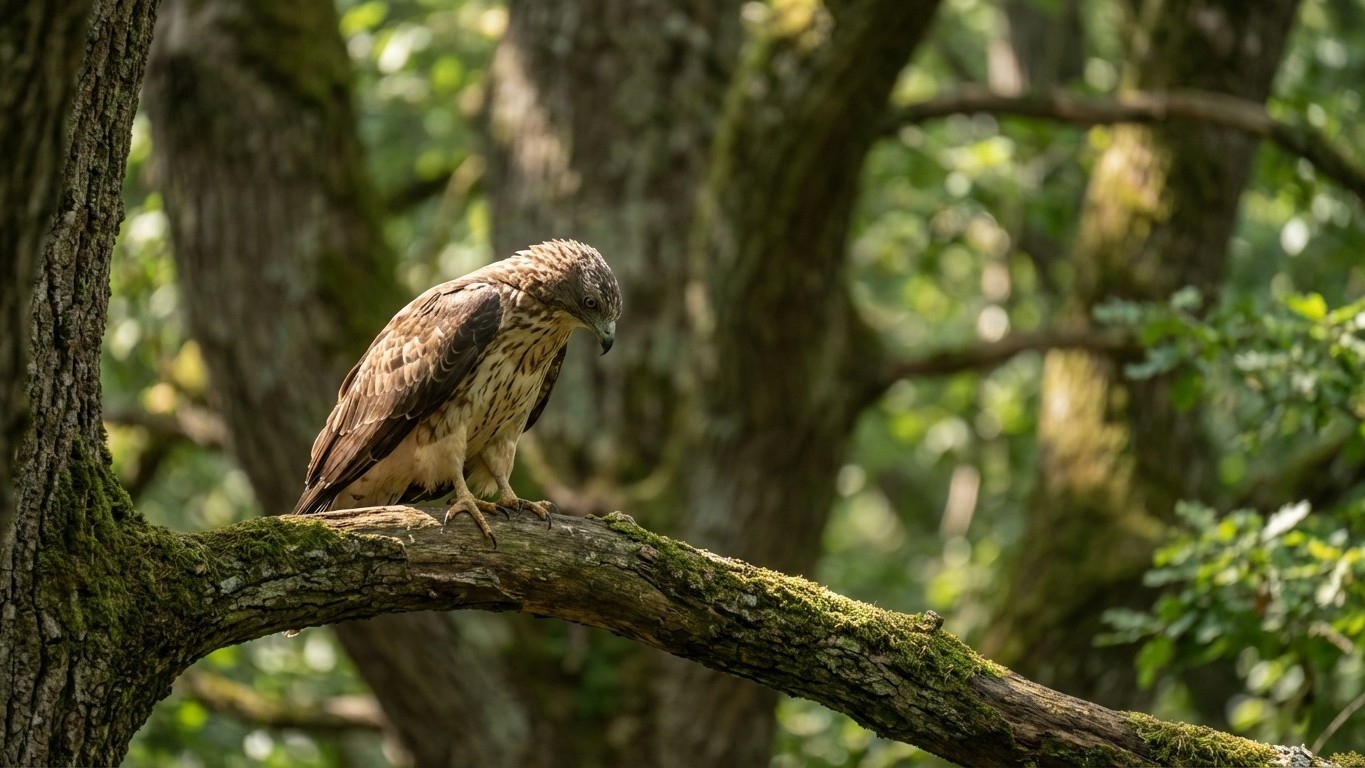
Frelon asiatique : la plante qui abrite son seul prédateur

Don't Remove That 'Weed': Scientists Confirm It Shelters the Only Natural Predator of Asian Hornets

Scientists have identified the European honey buzzard as the only natural predator capable of destroying Asian hornet nests—and it thrives in eucalyptus plantations widely considered invasive and routinely cleared. This counterintuitive discovery reveals that one ‘weed’ may hold the key to controlling Europe’s hornet crisis.