Fraisiers : pourquoi les 15 jours d’avril décident de la récolte

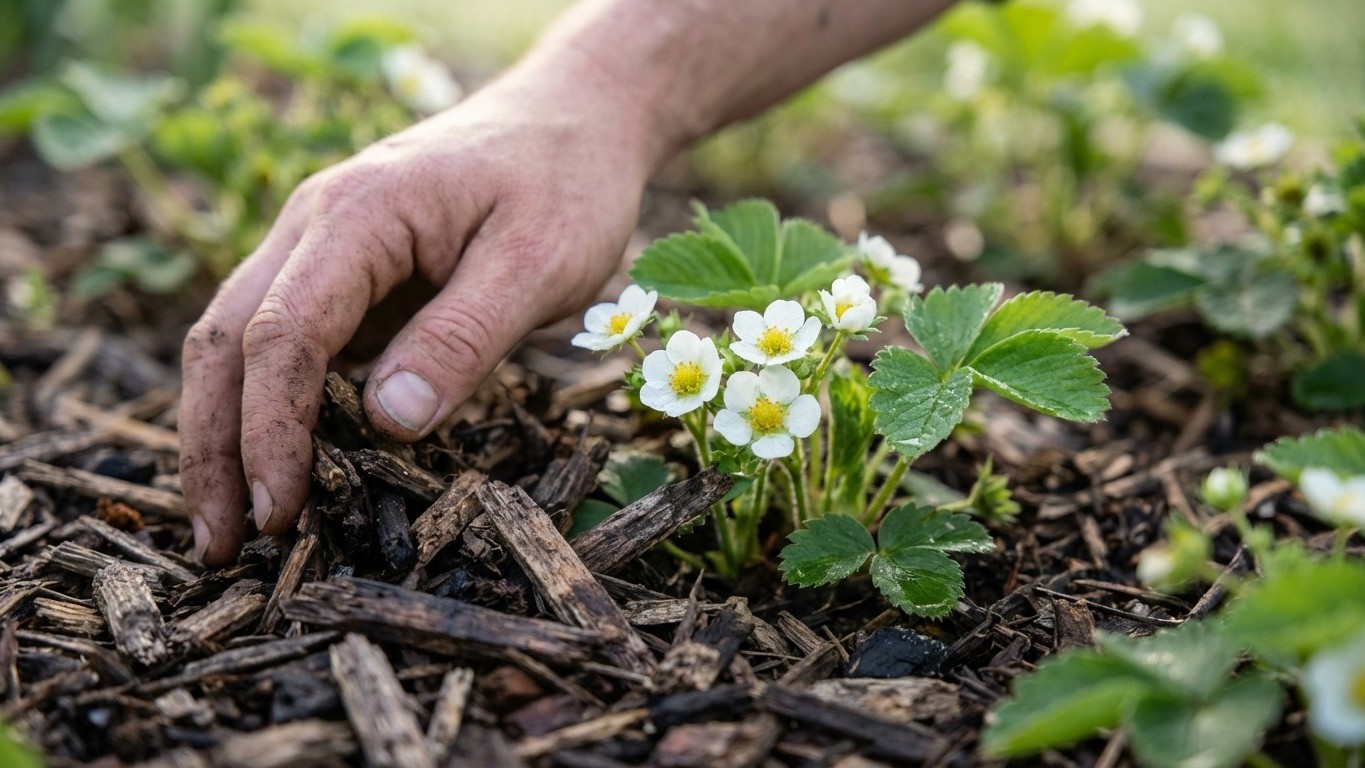
The 15-Day April Rule That Determines Your Strawberry Harvest for Years to Come

A single month of neglect in April can sabotage strawberry yields for years. The critical 15-day window in spring determines not just this year’s harvest, but your plants’ productivity for the next three to five years through decisions about mulch timing, flower removal, and runner management.

Pousses de framboisier en avril : pourquoi elles nuisent à la récolte

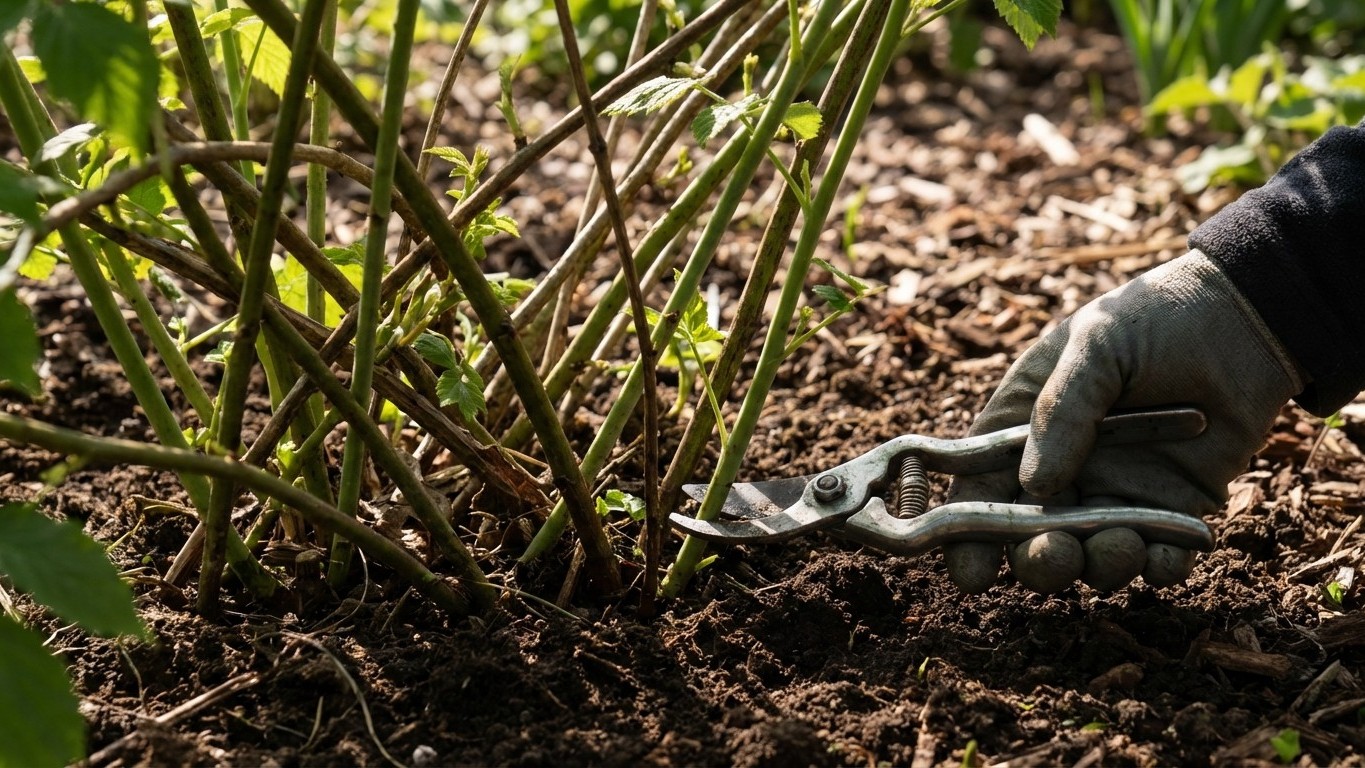
Why Your April Raspberry Shoots Are Secretly Destroying Your Harvest

Those bright green raspberry shoots emerging in April feel like progress, but they’re quietly sabotaging your harvest. Dense canes compete for resources, reduce fruit quality, and invite disease—and most gardeners unknowingly keep them all. Here’s why thinning now matters.

Baril de pluie : pourquoi il devient un nid à moustiques

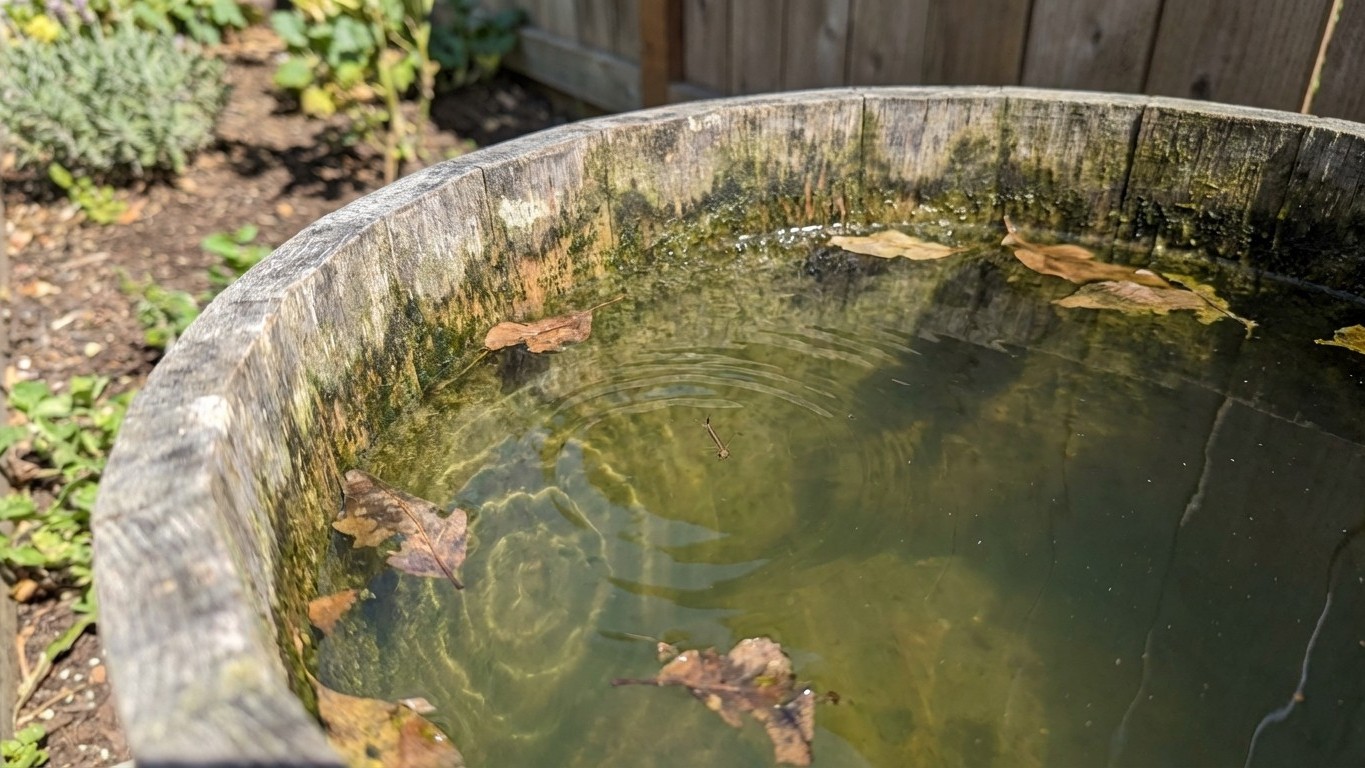
Your Rain Barrel Is Now a Mosquito Factory—Here's What's Actually Growing in There

That innocent rain barrel sitting in your garden has quietly transformed into a mosquito breeding ground and bacterial incubator. Within three days of standing open, it becomes a hatchery for disease-carrying mosquitoes, a biofilm factory, and a collector of rooftop contaminants. Learn what’s actually in that water and how to fix it.

Frelon asiatique : la plante qui abrite son seul prédateur

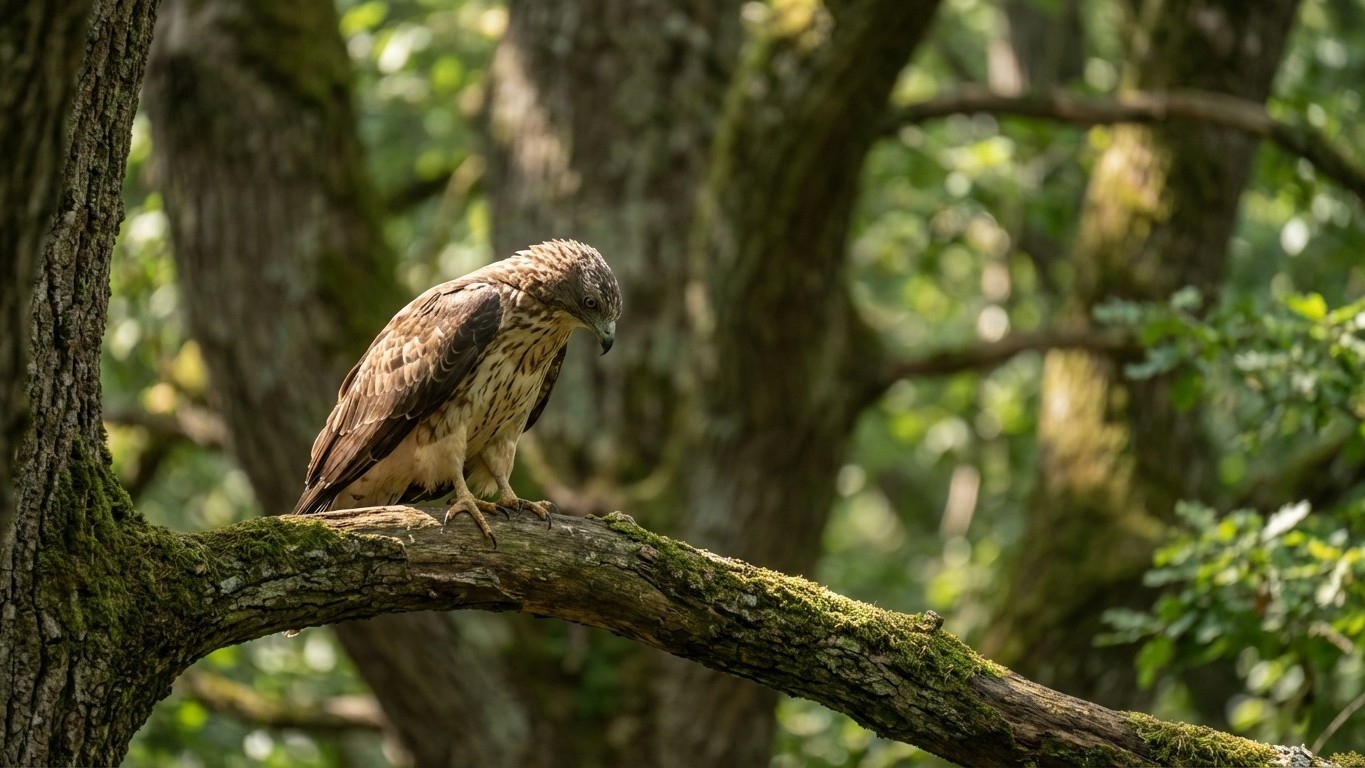
Don't Remove That 'Weed': Scientists Confirm It Shelters the Only Natural Predator of Asian Hornets

Scientists have identified the European honey buzzard as the only natural predator capable of destroying Asian hornet nests—and it thrives in eucalyptus plantations widely considered invasive and routinely cleared. This counterintuitive discovery reveals that one ‘weed’ may hold the key to controlling Europe’s hornet crisis.

Feuilles de rhubarbe au compost : les risques de l’acide oxalique

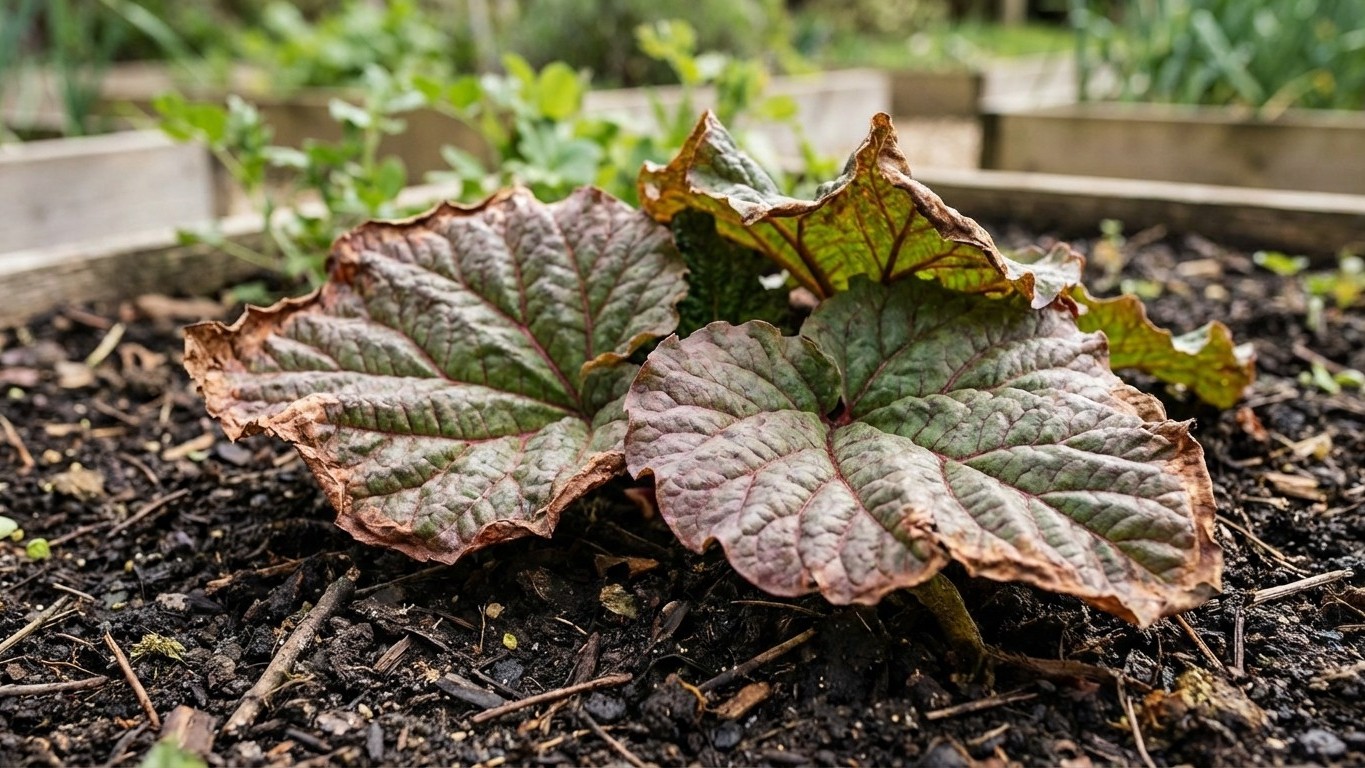
Stop Killing Your Compost: Why Rhubarb Leaves Are Silently Sabotaging Your Pile

Gardeners unknowingly destroy their compost by tossing rhubarb leaves into their bins. The oxalic acid in these leaves suppresses the microbes that make composting work, creating sluggish piles and half-finished material. Learn the chemistry behind the problem and smarter alternatives.

La technique du seau percé pour arroser les concombres

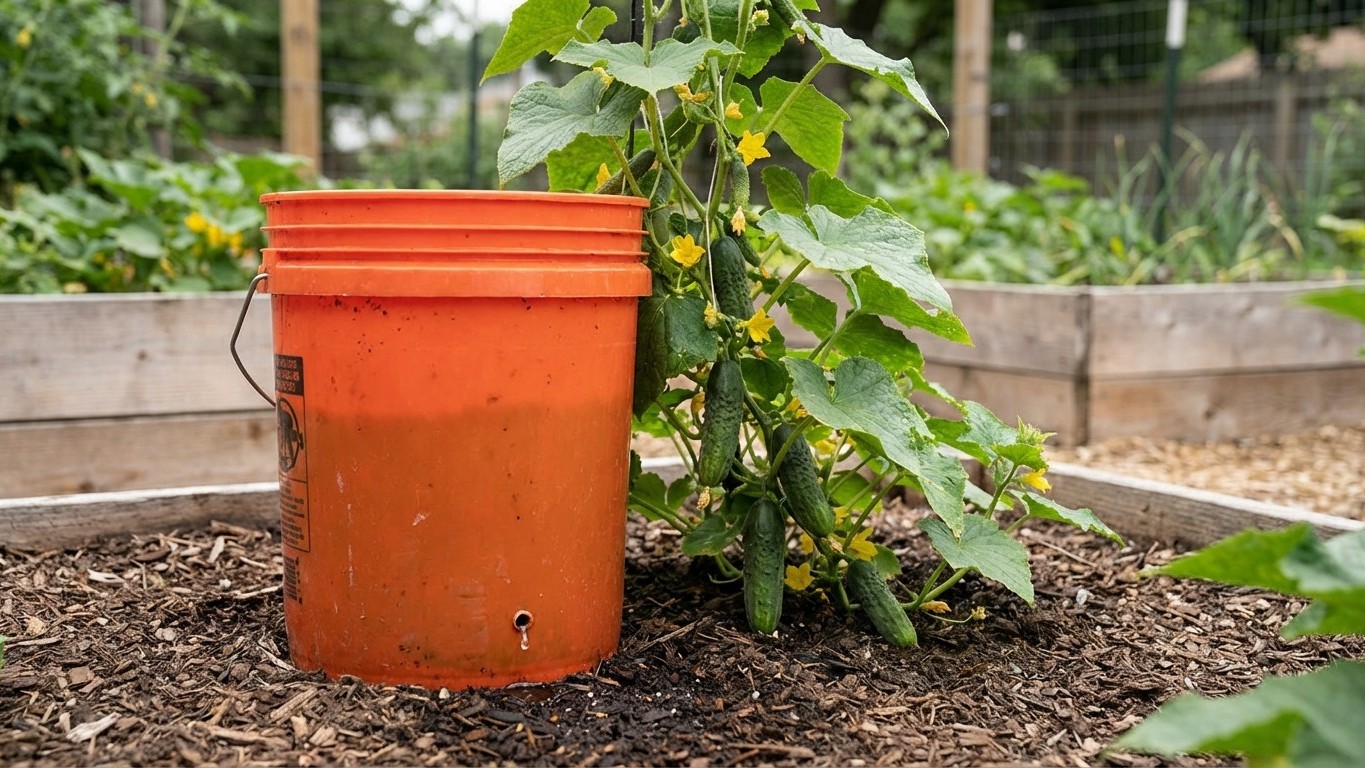
The Secret Bucket Trick That Doubled This Gardener's Cucumber Harvest

A single bucket with a hole drilled in it transformed one gardener’s cucumber yield, outproducing their neighbour’s harvest by 100%. The secret lies in understanding that cucumbers are 95% water and demand consistent, stress-free hydration—something a gravity-fed drip system delivers perfectly, eliminating the bitter fruit caused by erratic watering cycles.

Cendre de bois au jardin : pourquoi elle appauvrit le sol

Wood Ash in Your Garden: Why Scientists Say This Centuries-Old Practice Triggers Hidden Nutrient Collapse

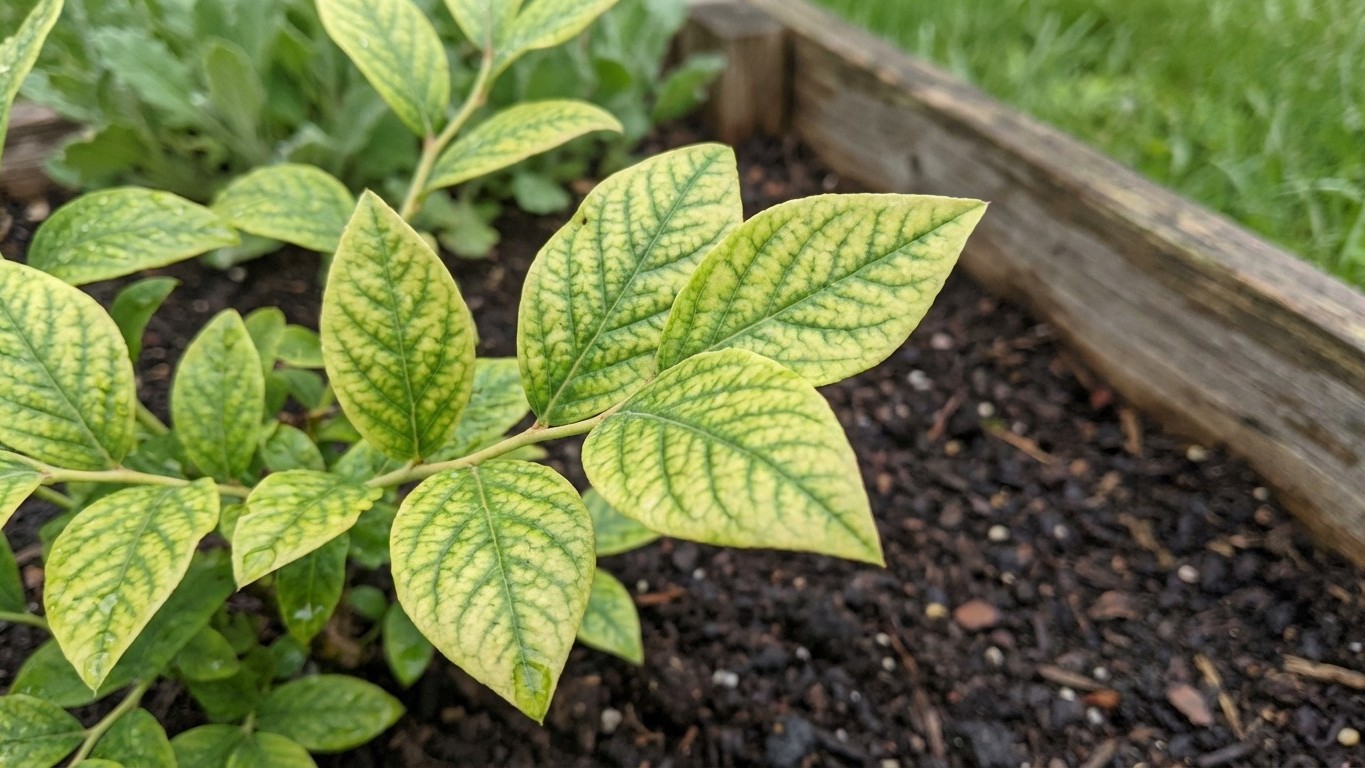
For centuries, gardeners have scattered wood ash to boost soil fertility. But modern soil science reveals a hidden trap: ash spikes soil pH so dramatically that it locks manganese, iron, and zinc into forms plants cannot absorb, creating invisible deficiency even in nutrient-rich soil. Find out when ash actually helps—and when it sabotages your garden.

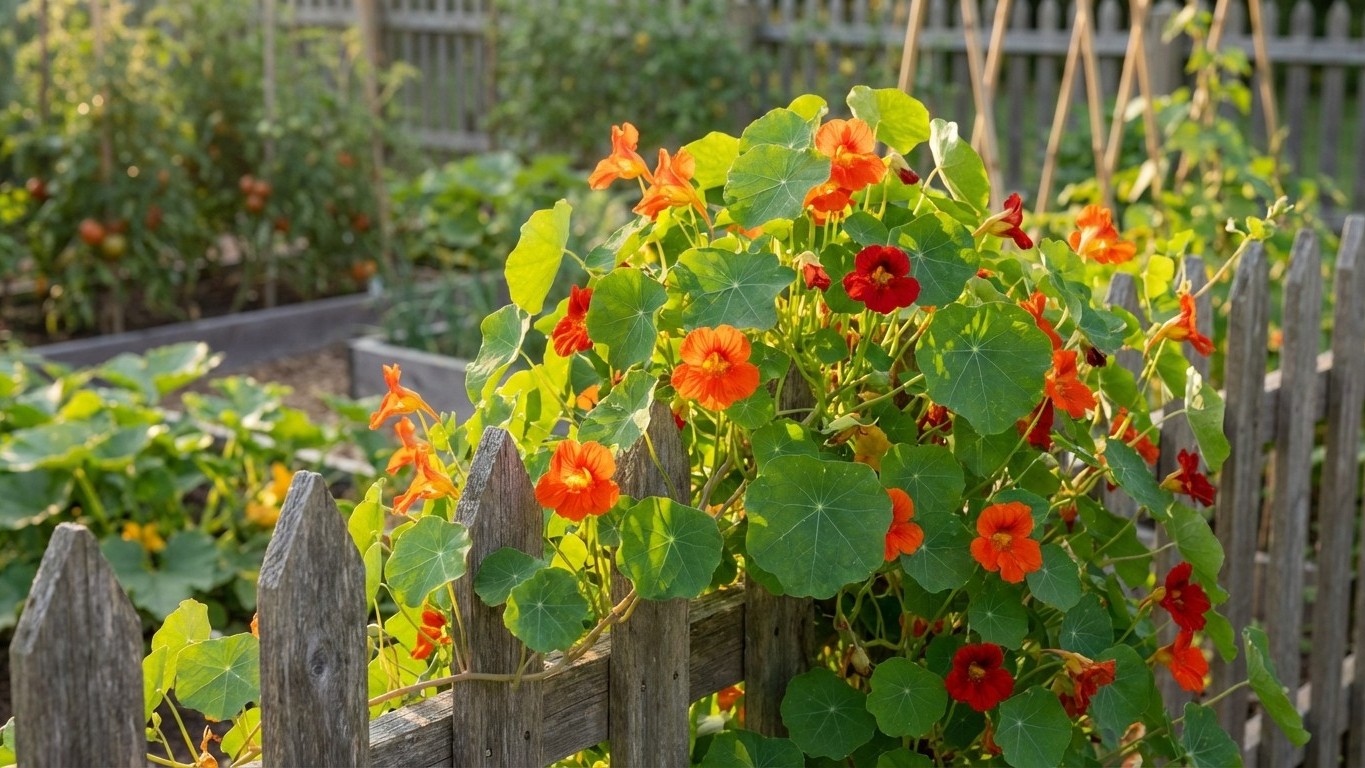
La capucine au potager : pourquoi elle éloigne les ravageurs

The Secret Vine Old Gardeners Swore By: How Nasturtium Transforms Your Garden Into a Pest-Free Zone

Old-time gardeners knew a secret that modern gardeners often overlook: nasturtium vines are nature’s pest management system. By acting as both a repellent and trap crop, these colorful annuals keep aphids, beetles, and other destructive insects away from your prized vegetables—all while requiring almost no care.

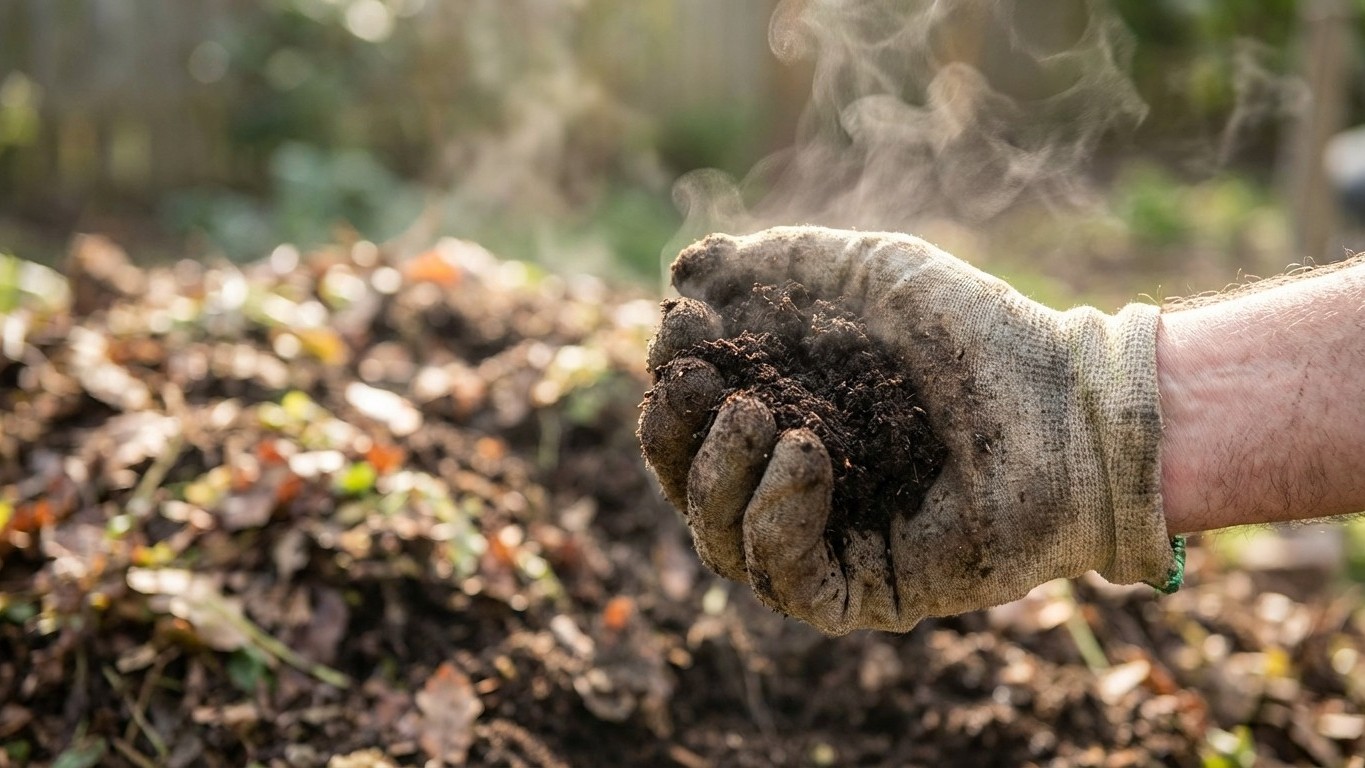
Ne pas épandre de compost chaud en avril : les dégâts pour les semis

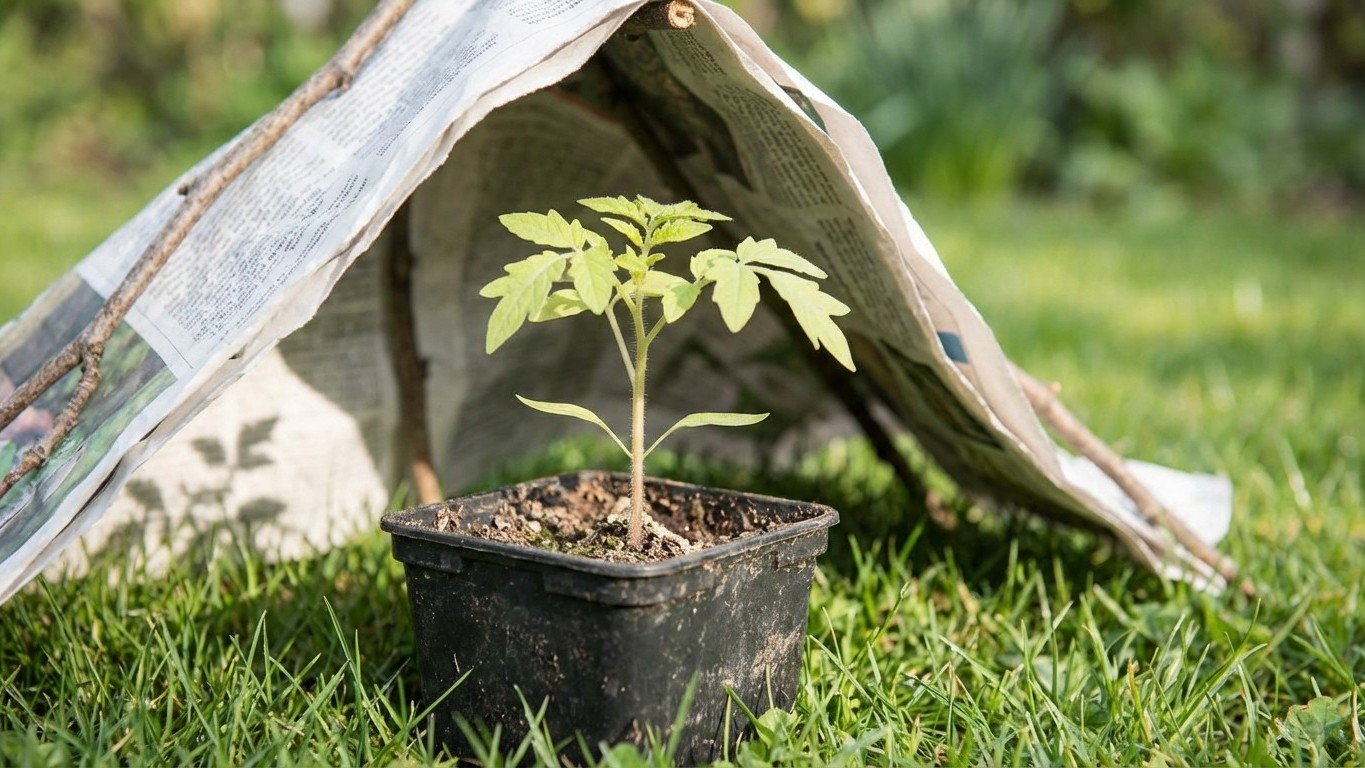
Don't Spread Warm Compost This April—Your Seedlings Will Pay the Price

Spreading immature compost in April is a silent killer—one that doesn’t show obvious damage until it’s too late. The warmth signals active decomposition, which releases ammonia and organic acids that chemically burn tender seedling roots from the inside out. A simple squeeze-and-sniff test takes seconds and could save your entire crop.